Japanese firms expand Bitcoin holdings amid growing institutional interest
Several Japanese companies, including Remixpoint and Metaplanet, have been increasing their Bitcoin (BTC) holdings, underscoring the growing institutional interest in cryptocurrencies in the region.
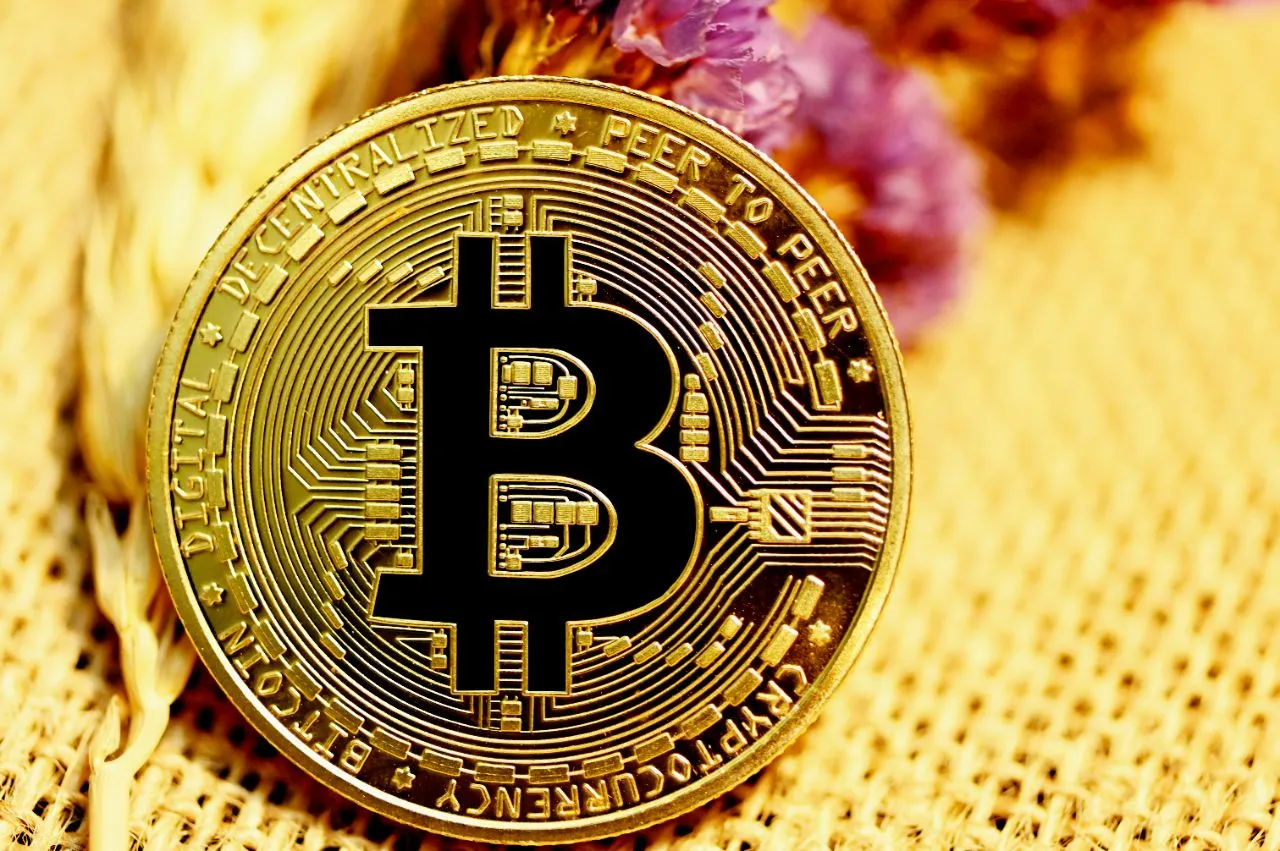
Remixpoint, an energy consulting firm listed on the Tokyo Stock Exchange, recently announced an additional purchase of 32.83 BTC valued at 500 million yen ($3.4 million), according to local news outlet CoinPost. This acquisition took place on May 13 at an average price of 15.23 million yen ($104,270) per BTC, bringing the company's total BTC holdings to 648.82 BTC. Remixpoint's crypto portfolio, including BTC, is now valued at 11.1 billion yen ($76 million) and also comprises Ethereum (ETH), Solana (SOL), XRP and Dogecoin (DOGE).
The firm began actively accumulating BTC late last year, motivated by multiple factors, including the positive price trend following the latest Bitcoin halving event, increased market activity after the latest U.S. presidential election and the growth in institutional participation, particularly after the approval of spot crypto ETFs in the U.S.
Metaplanet becomes a major BTC holder
Another notable player, Metaplanet, a publicly traded Japanese company specializing in Bitcoin investment, has positioned itself as one of the largest BTC holders globally. As of May 12, Metaplanet’s Bitcoin yield reached 170%, with total holdings of 6,796 BTC. This places it as the 11th largest Bitcoin holder worldwide and the largest in Asia, surpassing El Salvador, which currently holds 6,177 BTC, according to data from Arkham.
Metaplanet's ongoing Bitcoin accumulation aligns with CEO Simon Gerovich's advocacy for Bitcoin. In a March podcast, Gerovich said he encourages his friends to allocate "100% of their net worth into Bitcoin." The company’s strategic goal is to amass 10,000 BTC by the end of 2025 and 21,000 BTC by 2026. Reinforcing its influence, Metaplanet appointed Eric Trump, the second son of pro-crypto U.S. President Donald Trump, to its newly formed Strategic Board of Advisors in January.
Evolving crypto policies, including national reserves
Before Trump's second term, Gerovich expressed his expectation that other countries would follow the U.S. once it established a national Bitcoin strategic reserve—a move formalized by President Trump through an executive order in March. In a related development, Ukraine is reportedly drafting a bill to create a similar reserve in collaboration with Binance. Meanwhile, in Taiwan, lawmaker Ko Ju-Chun has been advocating for adding Bitcoin to the country's national reserves.
In a similar trend, another Japanese firm, Value Creation, disclosed plans last month to acquire 100 million yen ($660,000) worth of Bitcoin, further reflecting the growing interest among Japanese companies in crypto investments.
Complementing this corporate adoption trend, Japan's Financial Services Agency (FSA) has been shaping its regulatory framework for cryptocurrencies. The agency aims to redefine digital assets as financial products under the Financial Instruments and Exchange Act, a move viewed as an attempt to balance innovation with investor protection.
Building on this approach, an FSA discussion paper released on April 10, which remained open for public feedback until May 10, proposed classifying crypto assets into two categories: those used for fundraising and business activities, and those that are not—such as BTC and ETH. This regulatory evolution, alongside increasing corporate investment in BTC, reflects Japan's efforts to adapt to the evolving global crypto landscape.