Top

Cango ramps up crypto production

Web3 & Enterprise·August 07, 2025, 8:56 AM

Cango, Inc., a Shanghai-headquartered Bitcoin mining business which is publicly listed on the New York Stock Exchange (NYSE: CANG), provided a mining operations update on Aug. 5, disclosing a significant increase in its crypto production.
https://asset.coinness.com/en/news/62c6101df9c53245324d8fca0d61d869.webp
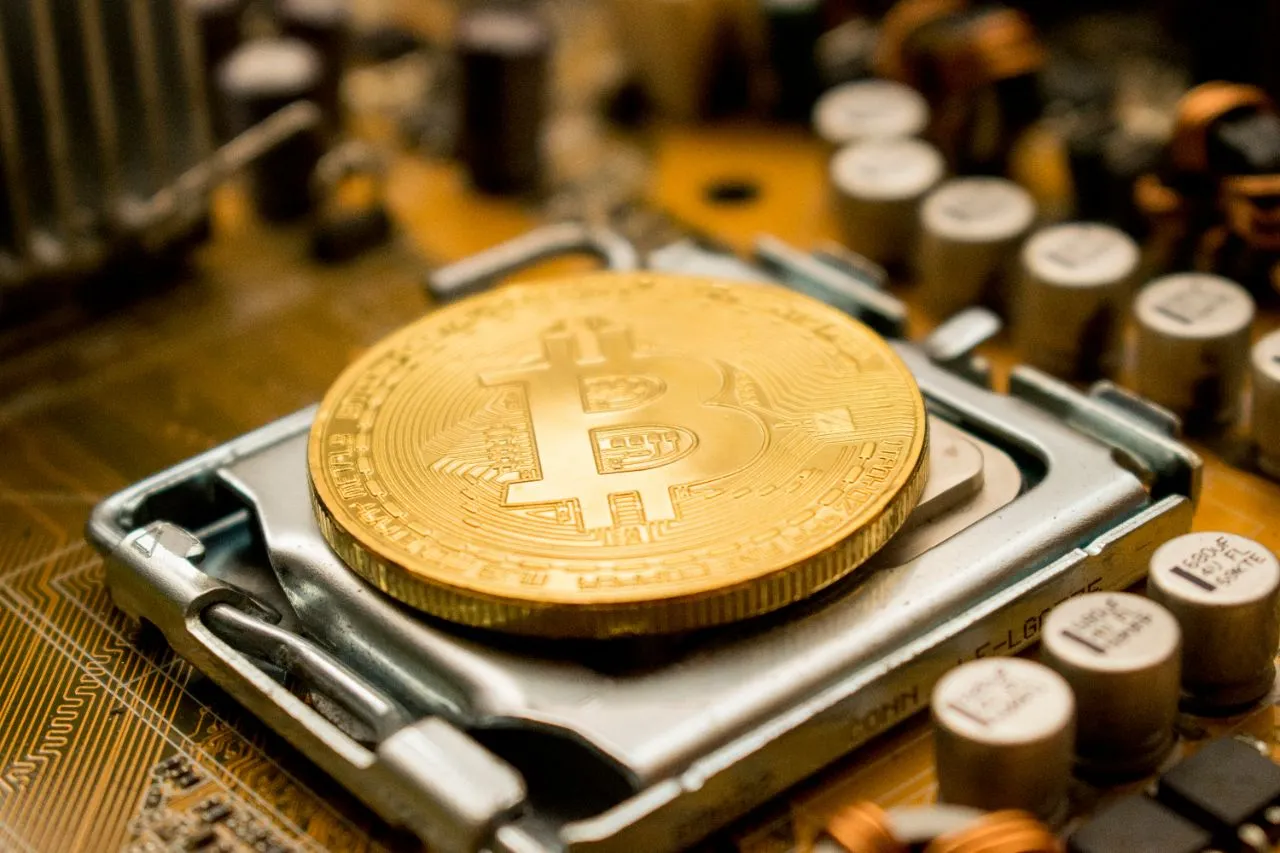
Photo by Dmytro Demidko on Unsplash

45% increase in output

The update outlined that in June, the firm mined 450 BTC, while holding 3,879.2 BTC, with a deployed hashrate of 32 EH/s. The figures for July show a considerable uptick, with 650.5 BTC having been mined. That Bitcoin was retained, bringing the firm’s overall Bitcoin treasury holding to 4,529.7 BTC, with a deployed hashrate of 50 EH/s.


Cango CEO Paul Yu outlined that the firm had added 18 EH/s in hashpower towards the end of June. This additional capacity accounted for the increased output experienced for the month of July, representing a 45% increase month-on-month. Yu stated:


“This strong performance not only demonstrates our commitment to execution but also fuels our ambition to accelerate future production.”


The Cango CEO added that a new and experienced management team is now in place, and with that, Cango is focusing on working towards transitioning to “a more diversified and resilient portfolio of mining sites and energy infrastructure."


Cango isn’t the only company in the Bitcoin mining sector to up its production. Cipher Mining, an American miner with facilities in Texas, also published an update, indicating that it produced 214 BTC in July with a hashrate of around 20.4 EH/s, up 21.43% month-on-month. Cipher outlined that Black Pearl Phase I, the initial 150 MW tranche of its Black Pearl facility, came on stream last month, accounting for the increased output.


Unlike Cango, Cipher sold 52 BTC as part of what it described as “its regular treasury management process.” In this respect, Cango bucked a trend in comparison with its industry peers. CryptoQuant reported that miners became significant sellers of Bitcoin in July, depositing 16,000 BTC to exchanges as of July 18.

Ranked by BitcoinTreasuries.net in order of Bitcoin held, Cango now holds 18th place among corporations holding BTC.

Originally an automotive transaction service platform operating within the Chinese market, Cango announced a new departure last November, with the signing of agreements to buy $400 million in crypto mining equipment from a number of vendors, including Bitmain. With crypto mining a banned activity in China, the company has deployed its mining operations at various locations across North America, South America, the Middle East and East Africa.


By January, the company was being referred to as a “Bitcoin mining powerhouse.” At that time, the company’s Communications Director, Juliet Ye, told CoinDesk that the firm’s entry into the Bitcoin mining sector had surprised people, given that “nobody has ever heard of Cango before.”


By April, Cango had sold its legacy auto-financing business for $352 million to a firm linked to Bitmain affiliate, Antalpha, allowing it to focus exclusively on mining. The company’s stock has surged 180% over the course of the last 12 months. Ye said that the Chinese firm’s pivot to Bitcoin mining has created a buzz around the company that had been absent previously.


More to Read
View All
Web3 & Enterprise·

Aug 18, 2023

CME Group Expands Crypto Reference Rates to Asian Markets

CME Group Expands Crypto Reference Rates to Asian MarketsUS derivatives marketplace CME Group is making strides in its efforts to cater to the Asian cryptocurrency market. In collaboration with crypto indices provider CF Benchmarks, the company is set to launch new reference rates for Bitcoin (BTC) and Ether (ETH) aimed specifically at the Asia Pacific (APAC) region.Photo by Pierre Borthiry — Peiobty on UnsplashGoing live next monthThat’s according to a press release published by the company on Wednesday. These new rates, the CME CF Bitcoin Reference Rate APAC and CME CF Ether-Dollar Reference Rate APAC, are scheduled to become available on September 11, according to a joint announcement.This move comes in response to the growing demand from Asian investors and institutions for accurate pricing data during their local trading hours. Currently, a substantial portion of CME Group’s crypto volume, about 37%, occurs outside of US trading hours, with approximately 11% of trades originating from the APAC region. The new reference rates will be published daily at 4 p.m. Hong Kong time, allowing APAC-based participants to align their crypto price risk management more closely with their portfolio strategies.Building upon past effortsCME Group’s efforts to provide accurate and timely reference rates have been ongoing. The company initially introduced its Bitcoin Reference Rate (BRR) in 2016, followed by the Ether Reference Rate in 2018. The BRR calculates the US dollar price of one Bitcoin as of 4 p.m. London time. It leverages the trade flow data from major Bitcoin spot exchanges within a one-hour window to provide an average of volume-weighted medians across 12 five-minute intervals during that period.Notably, the newly announced Asia-focused reference rates will provide a variant to the existing rates tailored for London and New York. Giovanni Vicioso, CME Group’s Global Head of Cryptocurrency Products, emphasized that these APAC reference rates will facilitate more precise risk management for institutional clients utilizing Bitcoin and Ether futures products in their active portfolios or structured products like ETFs.Focusing on AsiaCME Group’s expansion into the APAC region aligns with a broader trend of institutional interest in cryptocurrencies in Asia. The region has seen regulatory developments aimed at providing clarity to crypto businesses over the course of the past twelve months while a lack of regulatory clarity currently prevails in the United States. This move also coincides with the company’s push to further engage with the global crypto derivatives market, which accounts for around 75% of the overall crypto trading volume.CME’s decision to launch Asia-focused reference rates is a strategic move to tap into the growing interest in cryptocurrencies from the Asia Pacific region. By offering accurate pricing information during APAC trading hours, the company aims to provide institutions and investors with better tools to manage their cryptocurrency price risks effectively. From the perspective of crypto market participants more broadly, the move is encouraging given that it comes from the world leader in derivatives markets.

news
Policy & Regulation·

Aug 01, 2023

Energy Theft Results in Crypto Mining Operation Shutdown in Borneo

Energy Theft Results in Crypto Mining Operation Shutdown in BorneoAuthorities in Miri, a city on the island of Borneo in Malaysia, swiftly responded to a tip-off from the public, leading to the successful shutdown of an illegal cryptocurrency mining operation.According to local news source, The Borneo Post, during a well-executed raid, 34 mining servers were confiscated, all of which were illicitly drawing power through cable tapping.Photo by Muhammad Faiz Zulkeflee on UnsplashEnergy thieves turn to miningWhile Borneo offers some of the lowest energy prices in Malaysia, it continues to struggle with the problem of energy theft. That issue has been highlighted via a recent utility announcement. Sarawak Energy, the local energy provider, estimated that the criminal operation caused losses of approximately 6,000 Malaysian ringgits ($1,300) worth of stolen electricity each month.The rise of the Bitcoin mining industry in 2023 has brought about record-high network hash rates and network difficulty. While the growth of miners generally signifies the robustness of the Bitcoin network, smaller operators without the economies of scale enjoyed by larger corporations face challenges.One such challenge is energy generation to power their mining servers. In pursuit of higher profit potential with lower electricity rates, illegal mining operators are drawn to stealing electricity from the grid. By eliminating energy expenses, these illicit miners can accumulate profits and offset equipment costs.Fourth recent instanceThe recent incident marks the fourth major operation in Senadin, where Miri is located, where authorities have cracked down on power theft cases related to cryptocurrency mining in 2023. So far, over 137 Bitcoin mining servers have been seized during these operations.On the other side of the spectrum, legitimate crypto mining companies are actively securing funding to support their mining projects. Riot Platforms, for instance, invested a substantial $162.9 million to acquire 33,280 state-of-the-art equipment from MicroBT, a leading producer of mining machinery.In another example, Coinbase extended a $50 million credit line to Canadian cryptocurrency firm Hut 8 Mining, facilitating its operations. Furthermore, Volcano Energy, a public-private partnership in El Salvador, secured an initial funding of $250 million for its ambitious Bitcoin mining venture.Appropriate mining activityThe spate of recent instances of illegal mining in Borneo acts as a reminder of the importance of regulatory compliance and adherence to the law within the cryptocurrency industry. While the allure of lucrative profits may tempt some to engage in illegal activities, the consequences can be severe. Mining can be a positive societal force when applied within appropriate circumstances.A move by the President of Kyrgyzstan last week to harness crypto mining in order to utilize energy that is otherwise being wasted at the central Asian country’s Kambar-Ata-2 hydropower plant serves as a recent example of a positive use case for the activity.In Texas in the United States, crypto miners are collaborating with those that manage the local energy grid, turning off miners at times when the state is on the brink of suffering blackouts.As the crypto mining landscape continues to evolve, it is essential for both authorities and legitimate operators to work together in finding sustainable solutions that ensure the industry’s growth while maintaining the integrity of the energy infrastructure.

news
Policy & Regulation·

Oct 24, 2023

Hong Kong Adapts Crypto Regulations to Broaden Market Access

Hong Kong Adapts Crypto Regulations to Broaden Market AccessHong Kong’s financial regulator has taken a further regulatory step in its evolving stance on cryptocurrency trading, widening the scope of retail access to digital assets through intermediaries.Photo by Chapman Chow on UnsplashResponding to growing demandThe move follows a surge in interest in spot Bitcoin exchange-traded funds (ETFs) and recent investigations into the unlicensed operations of the JPEX exchange. In a circular published by the Securities and Futures Commission (SFC) on Friday, the regulator explained that the policy shift was prompted by changing market dynamics and growing inquiries from the industry.The new guidelines aim to extend access to a broader clientele and facilitate the direct deposit and withdrawal of virtual assets through intermediaries, all while maintaining stringent safeguards. The circular states:”The policy is updated in light of the latest market developments and enquiries from the industry seeking to further expand retail access through intermediaries and to allow investors to directly deposit and withdraw virtual assets to/from intermediaries with appropriate safeguards.”Cautionary notesDespite this welcome expansion, there are a couple of cautionary notes included within the circular. Hong Kong remains circumspect about overseas virtual asset (VA) products, deeming them “complex” and, as a result, riskier. The circular emphasizes that “VA-related products considered complex should only be offered to professional investors.” For instance, an overseas VA non-derivative ETF is likely to fall into this category.The other condition pertains to potential clients, who will be required to undergo a one-off test to assess their knowledge of investing and ensure they possess the financial wherewithal to manage the risks associated with virtual asset trading. Furthermore, intermediaries must furnish clients with comprehensive risk disclosure statements.The regulator also places an onus on the intermediary to set a limit for each retail client, to ensure that a retail client’s exposure to virtual assets is reasonable. The circular outlines that deposit and withdrawal of client funds should only happen through the use of segregated funding accounts on an SFC-licensed platform.Crypto sector aspirationsThis shift in regulation underscores Hong Kong’s ongoing aspirations to solidify its position as a hub for virtual assets. The territory embarked on a new regulatory regime in June, enabling applications for crypto trading platform licenses. By August, the first batch of licenses was granted, allowing exchanges to cater to retail customers. This marked a notable turnaround from Hong Kong’s prior 18 months of skepticism and hostility toward the cryptocurrency sector.The timing of these regulatory changes coincides with surging interest in spot Bitcoin ETFs, with JPMorgan even suggesting that approval in the US could materialize within months. This shift in regulatory perspective in Hong Kong also follows the investigation and accusations made against the JPEX exchange for conducting unlicensed operations, leading to arrests and the promise to disclose details of licensed applicants. The JPEX scandal has also dampened public confidence in crypto in Hong Kong more recently.Hong Kong is adapting its crypto regulations to be more inclusive while maintaining a cautious approach toward complex overseas virtual asset products. This regulatory shift underscores the region’s determination to foster its status as a leading hub for virtual assets, following a change of heart from its previous stance of skepticism and reluctance towards the crypto industry.

news
Loading