Top

First Toyota vehicle in Bolivia purchased with USDT as inflation bites

Web3 & Enterprise·September 23, 2025, 6:30 AM

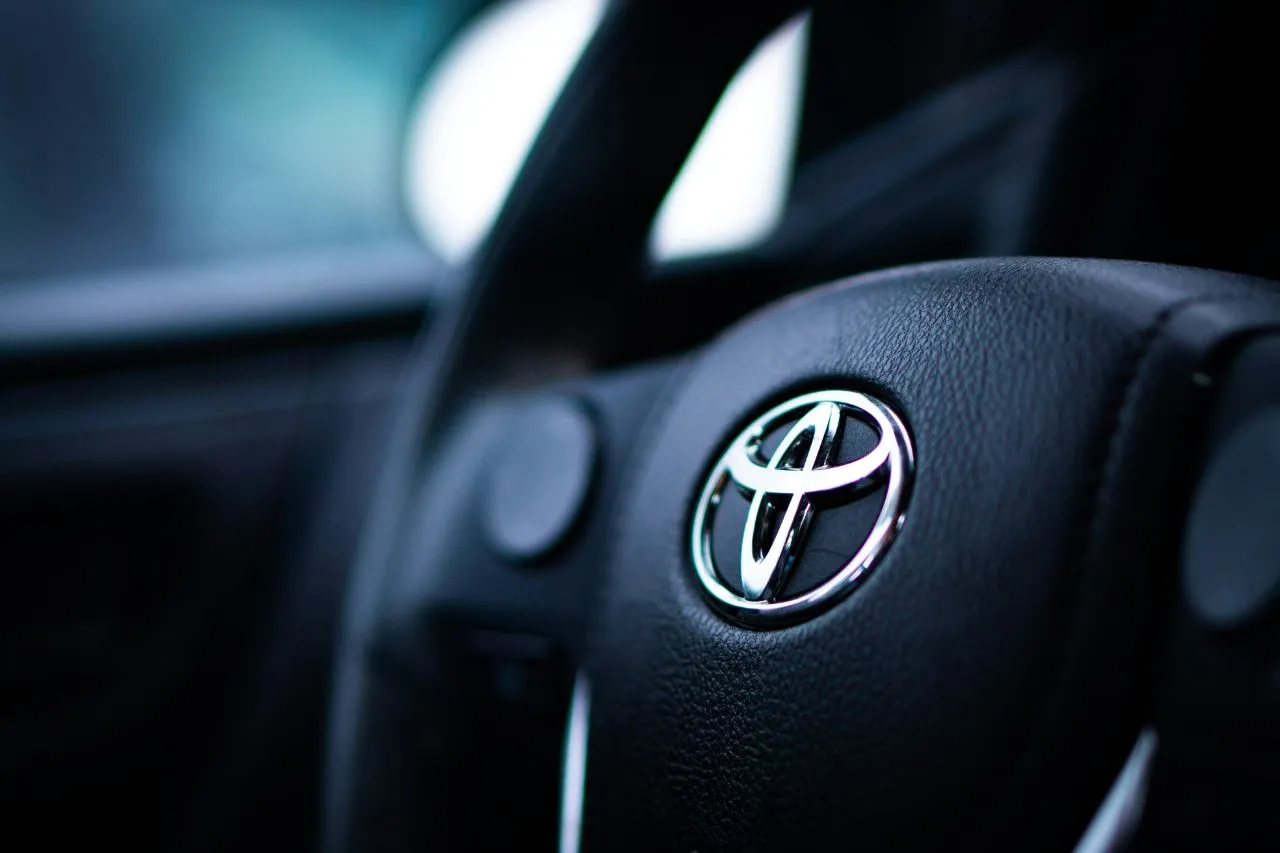
In a first for Bolivia, Japanese automaker Toyota saw one of its vehicles purchased with the stablecoin USDT, according to a recent X post by digital asset trust company BitGo. The transaction underscores growing cryptocurrency adoption in the Latin American country, which is grappling with soaring inflation and a shortage of U.S. dollars.


The transaction was facilitated by a partnership between Toyosa (the official Toyota distributor in Bolivia), BitGo, and Tether, the issuer of the USDT stablecoin. The sale highlights the increasing use of digital assets for commercial and retail payments, as the global stablecoin market cap recently reached an all-time high of $293 billion at the time of publication.


Confirming the milestone, Tether CEO Paolo Ardoino stated on the social media platform X that, in addition to Toyota, the USDT stablecoin is now also accepted by distributors of BYD and Yamaha vehicles in Bolivia.
https://asset.coinness.com/en/news/b94b96d990aa5d76bf8b4727fd086674.webp
Photo by Christina Telep on Unsplash

Crypto use surges amid inflation and dollar shortage 

The development comes as Bolivia faces 25% inflation, the highest in 34 years. With the local economy under pressure, many Bolivians are moving their money into cryptocurrencies in an effort to protect their savings, according to Bloomberg. U.S. dollars have become increasingly scarce. Unofficial exchange rates have jumped to 14 bolivianos per dollar, nearly twice the government's rate. That gap is pushing people toward stablecoins like USDT, which are easier to access and hold their value. The shift is already showing up in payment trends. Digital transactions surged more than fivefold in the first half of 2025, reaching nearly $300 million.


Regional adoption and Toyota’s blockchain push

The rise in crypto use in Bolivia is part of a broader shift across Latin America. According to a recent report from analytics firm Chainalysis, crypto adoption in the region jumped from 53% to 63% in the 12 months ending June 2025. The only region to outpace this growth was Asia-Pacific, which saw a 69% year-over-year increase. El Salvador stands as another prominent example in the region, having adopted Bitcoin (BTC) as legal tender in September 2021 and currently holding over 6,300 BTC in its treasury.


Separately, Toyota Motor Corporation has been actively exploring applications for blockchain technology. In March, its subsidiary Toyota Financial Services, in collaboration with Daiwa Securities and MUFG Bank, launched its first security token bonds on Progmat, a platform founded by MUFG with backing from other big banks like Sumitomo Mitsui Banking Corporation (SMBC) and Mizuho. The initiative is aimed at strengthening the Toyota Group’s ties with individual investors and supporting the growth of the digital bond market.


 

More to Read
View All
Web3 & Enterprise·

Jul 27, 2023

KuCoin Dismisses Notion of a Layoff Plan

KuCoin Dismisses Notion of a Layoff PlanAmidst recent rumors of significant layoffs at Seychelles-based cryptocurrency exchange KuCoin, the company’s CEO has come forward to deny any such plans.While not refuting the possibility of staff reductions, KuCoin’s CEO, Johnny Lyu, took issue with the term “layoffs,” asserting that it was a reevaluation of the organization’s structure rather than job terminations. The speculations about staff cuts were first reported by Colin Wu of Wu Blockchain on Twitter.Photo by Joao Viegas on UnsplashAlleged 30% workforce reductionAccording to his sources, KuCoin was planning to layoff around 30% of its workforce, attributing the alleged measure to a strict know-your-customer (KYC) policy that had impacted the firm’s profits.The KYC policy in question was introduced after KuCoin faced legal action from the United States. In March, the New York Attorney General accused the exchange of violating securities and commodities laws, leading to the implementation of the more stringent KYC measures.Routine bi-annual appraisalsInstead, Lyu has clarified that any adjustments to the company’s headcount were a result of routine bi-annual appraisals aimed at maintaining competitiveness in the market.Taking to Twitter on Tuesday, Lyu referred to the layoff reports as “rumors.” He emphasized that the company regularly evaluates its organizational structure based on employee performance and overall company development to ensure dynamism and competitiveness.The Kucoin CEO pointed to a recent report issued by the company as evidence of the exchange’s ongoing growth. The report revealed that the firm had added 300 new employees in the first half of the year. It also mentioned that KuCoin was in the process of upgrading its KYC authentication systems to enhance user asset security, comply with global compliance requirements, and create a safer trading environment.Despite the speculation and policy changes, KuCoin ranks 11th in terms of “trust score” among other exchanges, according to CoinGecko. Over the past day, the exchange notched up an impressive $327 million in trading volume.KYC policy changeRecently, KuCoin updated its KYC policy, requiring newly registered users to complete the KYC process to access the exchange’s products and services. Existing registered users who had not completed KYC by the deadline faced restrictions on their accounts, limiting certain activities but allowing fund withdrawals.The update to the KYC policy had a notable impact on KuCoin’s trading volume. A day after the announcement, trading volume skyrocketed to $6.8 billion from the previous day’s $500 million, according to CoinGecko data.Lyu has pledged to continue investing in the company’s core businesses while providing users with the exceptional trading experience they’ve been promised.KuCoin may have dispelled rumors of widespread layoffs and clarified that any staff adjustments were part of routine organizational development. However, there’s no doubt that the crypto exchange business is going through a difficult period.Most exchanges have suffered due to regulatory pushback, particularly those that have focused their activities in the United States. Earlier this month, global exchange Binance cut 1,000 jobs with plans to make further cuts in the future.

news
Policy & Regulation·

Dec 12, 2023

China and Singapore collaborate on cross-border digital yuan transactions

China and Singapore collaborate on cross-border digital yuan transactionsTaking yet another stride toward globalizing the e-CNY currency, China’s central bank has unveiled a pilot program in collaboration with its Singaporean counterpart, enabling tourists from both countries to use the digital yuan for transactions when traveling.Photo by Eric Prouzet on UnsplashSeries of initiativesThis move is part of a series of initiatives unveiled by the two governments during a Joint Council for Bilateral Cooperation event which was held in Tianjin, China, last week. Among the announced measures is a mutual 30-day visa-free travel arrangement, one of 24 deals signed to strengthen bilateral ties between China and Singapore.The Monetary Authority of Singapore (MAS) disclosed in a statement that it had collaborated with the Digital Currency Institute of the People’s Bank of China (PBOC) for this initiative. The program aims to facilitate the use of the digital version of the Chinese currency for tourist spending, enhancing convenience for travelers during their overseas trips. While specific details about the scheme were not disclosed, it represents a collaborative effort to promote cross-border transactions using the digital yuan.Internationalizing the digital yuanIn its reporting on the announcement, the South China Morning Post (SCMP) pointed to the views of Richard Turrin, an independent financial technology consultant and author of “Cashless: China’s Digital Currency Revolution.” Turrin sees the digital yuan collaboration as a promising opportunity for cross-border retail use. He suggests that starting with small transactions, such as those by tourists, could pave the way for broader applications in trade and other high-value scenarios.In an editorial back in November, the SCMP referred to the birth of the Petro-Yuan, speculating that the era of the Petro-Dollar is coming to an end. “In a global political economy long dominated by the petrodollar, this could be the beginning of a seismic shift,” the editorial stated. The internationalization of the e-CNY will likely be a key aspect of that overall monetary sea change.Over 5 years in developmentChina initiated digital yuan testing in 2019, and although an official launch timetable has not been confirmed, adoption has accelerated recently. Former PBOC governor Yi Gang reported that total e-CNY transactions reached 950 million yuan ($133 million) in June, with a cumulative value of 1.8 trillion yuan compared to 100 billion yuan in August 2022. This indicates a substantial increase in digital yuan transactions.The momentum extends beyond mainland China, with Beijing exploring CBDC usage internationally. The mBridge trial, completed last year, involved multiple countries using central bank digital currencies to settle trades, including Hong Kong, Thailand and the United Arab Emirates.In June, authorities in China’s resort city of Sanya introduced e-CNY ATMs so that foreign visitors could buy the digital yuan and use it during their time in China. Another initiative aims to encourage further use of the digital currency within the Chinese autonomous territory of Hong Kong. In July, the Hong Kong arm of the Bank of China rolled out a digital yuan shopping festival in Hong Kong, allowing visitors to Hong Kong from mainland China to make purchases using the digital yuan.

news
Web3 & Enterprise·

Nov 07, 2023

NEOPIN wallet users gain access to Pala’s NFT marketplace

NEOPIN wallet users gain access to Pala’s NFT marketplaceNEOPIN, a centralized decentralized finance (CeDeFi) platform, has entered into a strategic partnership with South Korean NFT marketplace Pala. This collaboration aims to connect the NEOPIN wallet to Pala’s NFT trading platform, thereby facilitating a more interconnected blockchain ecosystem on a global scale.Photo by Pete Linforth on PixabayNEOPIN wallet integrated into PalaThis partnership paves the way for enhanced user experience, as NEOPIN wallet holders will have the added convenience of trading non-fungible tokens (NFTs) directly on Pala using the virtual assets in their NEOPIN wallets. Furthermore, these wallets will also serve as a repository for purchased NFTs.Additionally, Pala stands to benefit from access to NEOPIN’s international users who have gone through the Know Your Customer (KYC) and anti-money laundering (AML) checks, broadening its market reach.Growing network connectionsNEOPIN is set to aid Pala in establishing connections with NEOPIN’s network of NFT partners. Conversely, Pala will assist NEOPIN with introductions to Pala’s blockchain partners. This collaborative approach leverages their respective strengths, setting the stage for a synergistic relationship.Additionally, the collaboration will involve concerted efforts from both parties to enhance their services and broaden their customer reach. Part of this initiative includes aiding Web2 companies and projects in their Web3 endeavors, as well as rolling out products that are underpinned by real-world assets (RWAs) or offer practical real-life benefits.NEOPIN CEO Kim Yong-ki expressed enthusiasm about the partnership, noting that it is poised to be mutually advantageous, particularly since trust and convenience are core values shared by both companies. Kim further emphasized their commitment to achieving success on an international level, not only through service cooperation but also by utilizing their respective ecosystems.Jason Pyo, CEO of Pala, echoed a similar sentiment, stating that the partnership is set to propel service enhancement, foster the growth of blockchain businesses and contribute to the expansion of the Web3 ecosystem.It’s noteworthy that Pala is a joint venture established by Snow, the mobile video messaging app subsidiary of internet giant Naver, and artificial intelligence (AI) company Alchera. This joint enterprise has claimed a leading position in the Korean NFT trading arena, having exceeded an accumulated trading volume of KRW 30 billion ($23 million) as of April last year.The Pala platform serves as a one-stop shop for NFT services, including NFT minting, secondary market sales and launchpads. It accommodates a range of blockchains like Klaytn, Ethereum and Polygon.NEOPIN has been expanding its offerings to improve user experience, introducing services beyond its DeFi suite. This includes their NFT wallet capabilities. Following its announcement last year to intensify focus on NFT initiatives, NEOPIN has updated its wallets to support multiple NFT standards, such as KIP-17, ERC-721 and EIP-5192.

news
Loading