Top

U.S. crypto ATM firm Bitcoin Depot enters Hong Kong market

Web3 & Enterprise·November 14, 2025, 8:14 AM

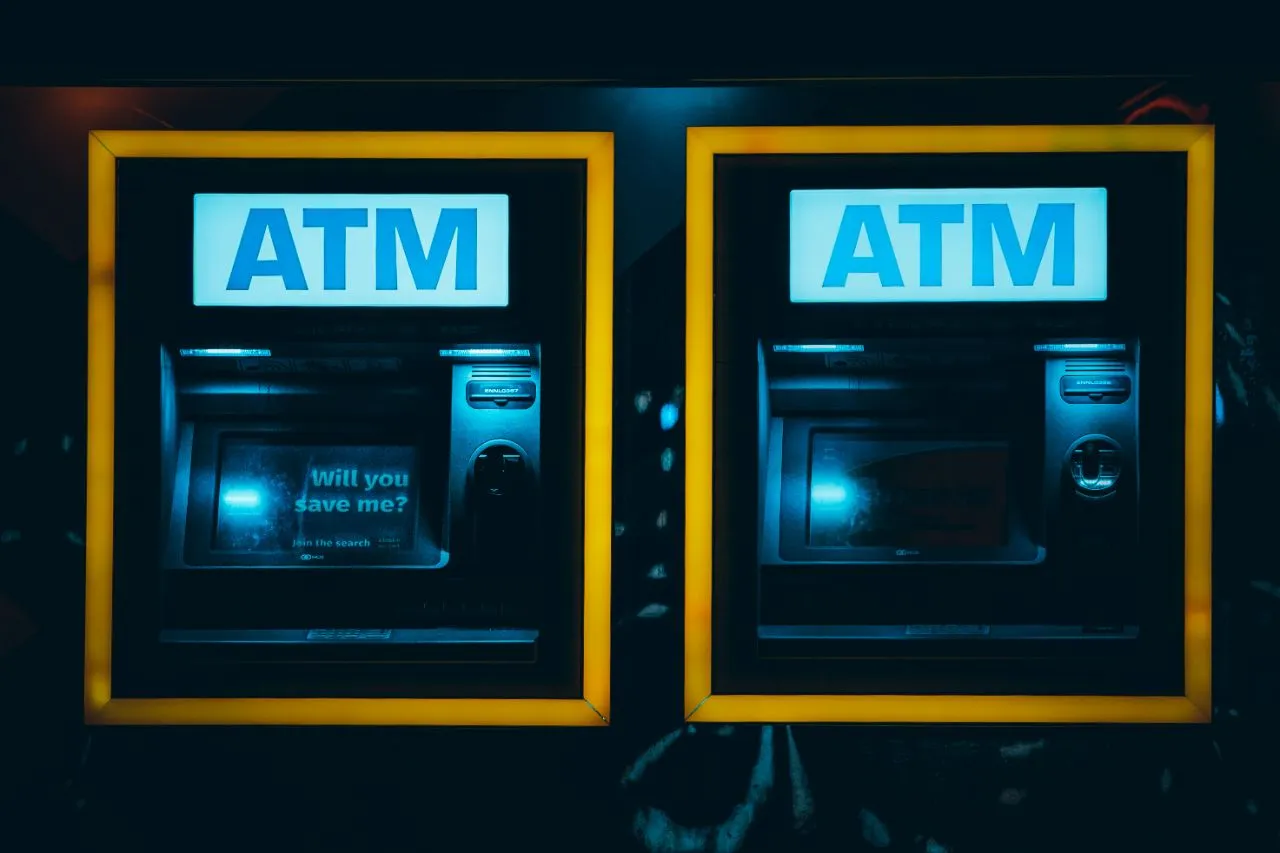
Nasdaq-listed Bitcoin Depot, an American cryptocurrency ATM specialist, is expanding into Hong Kong, citing the city’s burgeoning status as a crypto hub and rapid digital asset adoption across Asia.


The Atlanta-based company, which provides kiosks for converting cash into cryptocurrency, went public in July 2023. Its move into Asia follows a recent acquisition of assets from National Bitcoin ATM that boosted its domestic market share to a reported 30% as well as the strengthening of its compliance program.


"Hong Kong is quickly becoming a global center for crypto, with the right mix of regulation, demand, and momentum," company president Scott Buchanan said in a Nov. 12 statement.
https://asset.coinness.com/en/news/90b0d12c63a102aa5c36f9ac2011775a.webp
Photo by Keller Chewning on Unsplash

Hong Kong's digital asset push

Bitcoin Depot’s expansion aligns with a concerted push by the special administrative region to position itself as a global hub for digital assets. Eddie Yue, Chief Executive of the Hong Kong Monetary Authority (HKMA), recently highlighted this ambition, which was underscored by a Nov. 11 announcement of an additional HK$10 billion ($1.3 billion) issuance of digital green bonds.


The tokenized bond issuance, the third under the government's program, was denominated in Hong Kong dollars, Chinese yuan, U.S. dollars, and euros, and involved major banks like HSBC, BNP Paribas, and J.P. Morgan.


The move also reflects a broader regional trend. In September, Tokyo-based Coinhub launched Japan's first officially registered crypto ATM network, installing 25 machines with plans to expand to 3,000 nationwide.


Industry faces regulatory headwinds

Despite the growth, the industry faces scrutiny from law enforcement over the use of crypto ATMs in criminal activity. In 2024, the FBI logged nearly 11,000 fraud complaints tied to the kiosks, with reported losses topping $246 million.


According to Cointelegraph, increased regulatory attention has prompted several U.S. cities to ban crypto ATMs outright, while some states are introducing new restrictions. Concerns are growing over scams targeting vulnerable groups, especially seniors.


Regulatory pressure is also mounting elsewhere. Australia's financial crimes watchdog, AUSTRAC, issued a $56,340 infringement notice last month to local operator Cryptolink, which the company paid. Cryptolink must now appoint third-party reviewers to ensure its anti-money laundering and counter-terrorism financing (AML/CTF) controls are adequate.


The action followed findings from AUSTRAC’s Crypto Taskforce that 85% of transactions by the 90 most frequent crypto ATM users were linked to scam proceeds or money mule operations.


AUSTRAC CEO Brendan Thomas urged the public "to be cautious of making transactions to any wallet they don’t control and thinking twice in circumstances where someone asks you to deposit money into a crypto ATM.”


 

More to Read
View All
Policy & Regulation·

Nov 02, 2023

Exhibition in Goyang City presents blockchain’s use in digital media

Exhibition in Goyang City presents blockchain’s use in digital mediaDigital Media Tech Show 2023 (DMTS 2023) is underway from today, Nov. 2, through Nov. 4 in Hall 4 at the Korea International Exhibition Center, commonly known as KINTEX, in Goyang City. The event gives audiences a chance to explore the present and future of digital content and cutting-edge technologies of the Fourth Industrial Revolution.Photo by Julius Drost on UnsplashFrom smart tech to NFTsThe exhibition explores cutting-edge realms, including smart technology, media and content innovations, extended reality and the metaverse as well as the ever-evolving world of NFTs and blockchain. These technologies not only enhance content creation and distribution but also amplify its value and reach.DMTS is hosted by Gyeonggi Province and Goyang City. It’s organized by KINTEX, the Goyang Industry Promotion Agency and the Korean Commission for Corporate Partnership, with sponsorship from the Ministry of Science and ICT.Last year, the show saw 153 companies display 419 booths and welcomed buyers from 24 countries. The event generated KRW 20.7 billion ($15.4 million) from consultations and KRW 12.1 billion from contracts.Two more simultaneous exhibitionsConcurrently, two other major exhibitions at KINTEX captivate visitors. The Digital Future Show in Hall 5 presents glimpses of future lifestyles, highlighting virtual reality and the metaverse. Meanwhile, Contents Korea in Hall 3 focuses on a wide range of content assets, including movies, games, and music. It also explores their ties to intellectual property, the technologies behind their creation, and marketing strategies. Hosting these shows simultaneously at KINTEX is anticipated to produce a synergistic impact, drawing domestic and international buyers.Lee Dong-hwan, Mayor of Goyang City, underlined the city’s strategic focus on nurturing emerging sectors like video production, content, and drones. He also conveyed his hope that the exhibition would enhance collaboration among top-tier companies and spotlight Goyang as a central gathering place for high-tech businesses.

news
Markets·

Aug 28, 2025

Crypto rally drives surge in South Koreans’ offshore disclosures

Fueled by a crypto rally and higher overseas stock balances, South Korea’s National Tax Service (NTS) reported a sharp jump in disclosures of offshore accounts. On Aug. 26, the agency said 6,858 taxpayers declared overseas financial accounts this year, with a combined balance of 94.5 trillion won ($67.6 billion), up 38.3% in filers and 45.6% (29.6 trillion won or $21.2 billion) in value from last year.Photo by Piotr Łaskawski on UnsplashCrypto gains drive offshore filingsWithin that, reports of overseas bank deposits and cryptocurrency accounts rose to 46.4 trillion won ($33.2 billion) this year, more than 12% above 2024. That figure excludes stock accounts, which alone totaled 48.1 trillion won ($34.4 billion). Tax officials attributed the increase largely to the surge in crypto prices and higher balances in overseas stock holdings. The trend is underscored by CoinMarketCap data: the crypto market cap now stands roughly at $3.87 trillion, up 86% from $2.08 trillion a year ago. By asset type, the largest share of filers reported overseas bank deposits (3,197 people), followed by cryptocurrency (2,320) and stocks (1,992). By value, stock accounts dominated with 48.1 trillion won ($34.4 billion), compared with 23.5 trillion won ($16.8 billion) in bank deposits and 11.1 trillion won ($7.94 billion) in cryptocurrencies. Korean law requires residents and domestic corporations to disclose foreign financial accounts if their combined balance exceeds 500 million won ($358,000) on any month-end date during the year. Reports must be filed with the local tax office by June of the following year. The NTS said it will step up enforcement against suspected non-filers, using cross-border information-exchange data to verify offshore holdings. Penalties will include administrative fines, penalty notices, criminal referrals, public naming of violators and the collection of back taxes. The agency added that it is preparing to share crypto transaction data under the OECD’s Crypto-Asset Reporting Framework (CARF) and urged anyone subject to the rules to promptly file amended or late reports for overseas crypto accounts. The recent bullish sentiment in crypto, which fueled the uptick in foreign financial disclosures, has also been driving public interest in digital assets and boosting expectations for altcoins. A survey by CoinNess and Kratos conducted between Aug. 18 and 22 with 2,000 respondents found that 38.5% expect a limited bull run in a handful of altcoins, either with strong real-world use cases or serving as the underlying assets of launched ETFs. Another 28.5% predicted gains would remain centered on Bitcoin and Ethereum, while 20.7% anticipated a broader altcoin season reminiscent of past cycles. The remaining 12.3% forecast the end of the rally and the start of a downturn. Won stablecoins: policy and risksPolicy momentum around stablecoins is also picking up in South Korea. The Financial Services Commission (FSC) plans to introduce a bill in October governing won-pegged stablecoins as part of the second phase of the Virtual Asset User Protection Act. The legislation is expected to set rules for issuance, collateral management and internal controls. Amid these changes, companies are showing growing interest in launching won-based stablecoins. Kaia, an EVM-compatible, layer-1 blockchain, recently signed a memorandum of understanding (MOU) with blockchain solutions provider Open Asset to collaborate on projects tied to Korean won–backed stablecoins. The partnership will focus on issuance, distribution, service launches and developing practical use cases. Circle President Heath Tarbert has recently joined calls for a won-backed stablecoin. In an interview with The Korea Economic Daily, he underscored South Korea’s world-class payments infrastructure and said a digital won could help the country play a leading role in blockchain finance. Blockchain transactions, he noted, operate differently from traditional payment rails, making some form of digital currency, whether a stablecoin or a central bank digital currency (CBDC), a necessity. Meanwhile, at a recent meeting with top executives from the country’s four major financial groups, Tarbert ruled out collaborations on won-denominated stablecoins. Instead, he promoted Circle’s dollar-pegged stablecoins and suggested exploring joint initiatives centered around them. Not everyone sees stablecoins as a net positive. NICE Investors Service, a local credit rating agency, warned in a recent report that if banks issue won-based stablecoins, their interest income could suffer. The agency said adoption would likely weigh on banks, benefit securities firms and leave credit card companies largely unaffected. It added that a large shift of funds into stablecoins could shrink banks’ deposit base and weaken their intermediary role. Still, banks that issue stablecoins directly could soften the blow by tapping new fee-based revenue streams. 

news
Policy & Regulation·

Apr 11, 2023

Singapore Gets with Banks to Provide Guidance on Crypto Businesses

Singapore Gets with Banks to Provide Guidance on Crypto BusinessesIn a move to provide clarity and guidance to financial institutions dealing with cryptocurrencies, the Monetary Authority of Singapore (MAS) is reportedly working with banks to develop new vetting procedures for crypto clients.According to a recent Bloomberg report, the MAS plans to provide more detailed guidance to banks on how to properly screen and monitor customers involved in cryptocurrency transactions.©Pexels/PixabayRegulatory clarityThe decision to provide guidance on crypto businesses comes as regulators around the world struggle to keep up with the rapidly-evolving digital currency industry. Many governments have been grappling with how to regulate cryptocurrencies in the face of concerns over money laundering, fraud, and other illicit activities.Singapore, however, has taken a more progressive stance on digital currencies, with the MAS recently announcing plans to create a regulatory framework for crypto derivatives trading. The country’s financial watchdog has also been working to improve AML (anti-money laundering) and CFT (combating the financing of terrorism) measures relative to crypto transactions.The MAS’s efforts to provide guidance to banks on crypto businesses are part of this broader push to promote responsible use of digital currencies in Singapore. By providing clear and detailed guidance to financial institutions, the regulator hopes to prevent illegal activities from taking place while also promoting the growth of the crypto industry.The MAS’s approach is seen as a positive development for the crypto industry, as it provides a clear framework for financial institutions to work within. This could help to boost confidence in the crypto market, potentially leading to increased investment and adoption.Striking the right balanceAt the same time, however, some industry observers have expressed concerns that overly strict regulations could stifle innovation and limit the potential of cryptocurrencies. They argue that a balance must be struck between protecting consumers and promoting innovation in the digital currency industry.Despite these concerns, the MAS’s efforts to provide guidance on crypto businesses are likely to be welcomed by financial institutions and industry participants alike. As the use of digital currencies continues to grow, it is becoming increasingly important for regulators to provide clear and comprehensive guidance on how to operate within this rapidly-evolving industry.Previous failuresSingapore hasn’t always gotten its approach to cryptocurrency right. In 2021, the MAS put global crypto exchange Binance on its investor alert list. Binance felt compelled to curb its service offering in the city state. The consequence of that action was that a disproportionate number of Singaporeans proceeded to open accounts with FTX only later to get caught up in the collapse of the exchange.The Monetary Authority of Singapore’s decision to provide guidance on crypto businesses is bullish for the digital currency industry. By providing clear and detailed guidance to financial institutions, the regulator is promoting responsible use of cryptocurrencies in Singapore while also boosting confidence in the market. However, there is a need to strike a balance between protecting consumers and promoting innovation in the industry, as overly strict regulations could stifle growth and limit the potential of cryptocurrencies.

news
Loading