Top

Ripple Exec: Clear Regs Helped Japanese Market Withstand Crypto Winter

Policy & Regulation·April 26, 2023, 1:39 AM

Emi Yoshikawa, the Vice President of Strategy & Operations at business-focused crypto solutions provider Ripple, has attributed the Japanese cryptocurrency market’s ability to withstand the recent crypto winter to well-defined regulations.
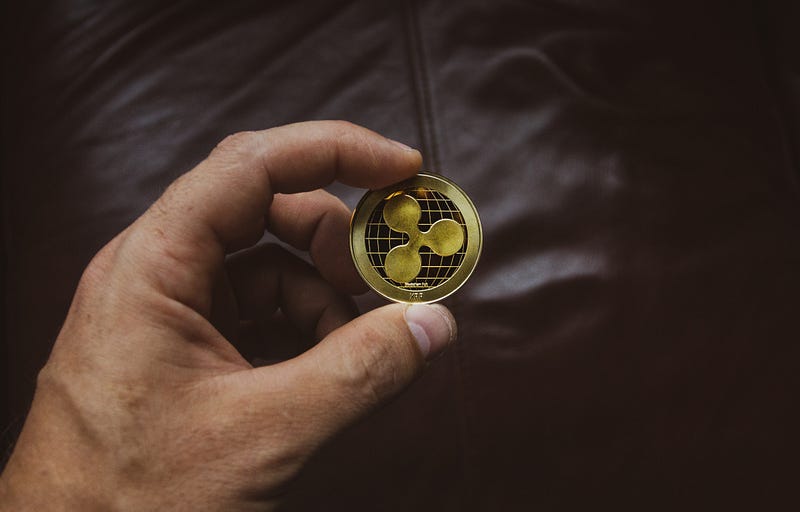
Ripple coin
©Pexels/Worldspectrum


Security breach at Mt.Gox

In a recent interview with Korean blockchain media outlet Digital Asset, Yoshikawa noted that Japan implemented regulations on cryptocurrencies earlier than other countries, in part due to the 2014 security breach at the Tokyo-based Bitcoin exchange Mt.Gox that resulted in investor losses.

The Mt.Gox exploit prompted revisions to the Payment Services Act, which now recognizes cryptocurrencies as a means of payment. Furthermore, the Financial Instruments and Exchange Act was revised in 2020 to give security tokens the same status as stocks. The Japanese government is also exploring the possibility of allowing the domestic circulation of foreign stablecoins.

Although it took several years for companies to enter the market after the regulatory framework was established, the security token market has since expanded, with more businesses now participating.

Yoshikawa credited the Japanese crypto market’s resilience during the recent global crypto winter to clear regulatory guidelines. The recognition of cryptocurrencies as financial instruments enabled the regulation of not only spot trading but also derivatives trading. Japanese exchanges are also required to hold customer funds separately in trust firms, ensuring investor protection. This regulatory environment allowed companies and investors to confidently enter the crypto industry last year.


FTX Japan

FTX Japan’s return of customer assets and resumption of withdrawals in February showcased the effectiveness of these clear regulatory guidelines. Among subsidiaries of the now-defunct crypto exchange FTX, FTX Japan is the only one to have returned customer assets thus far, Yoshikawa emphasized.

While crypto regulations in some areas, such as taxation, remain insufficient, both the Japanese government and entrepreneurs agree that the Web3 industry should develop in a way that benefits the nation’s economy.


Ripple’s projects in Japan

Yoshikawa said that Ripple views the Japanese market as one of its key markets. In 2016, the company formed a joint venture, SBI Ripple Asia, with Japanese financial group SBI Holdings. Through this partnership, Ripple collaborated with several Japanese financial institutions to launch RippleNet and provide liquidity to the payment service.

Japan’s largest remittance technology firm, SBI Remit, has adopted RippleNet and Ripple’s own remittance system On-Demand Liquidity (ODL) to facilitate real-time payments between Japan and Southeast Asian nations. Yoshikawa underlined that Ripple is committed to supporting Southeast Asian workers in Japan who need swift and cost-effective international payments.

More to Read
View All
Policy & Regulation·

Oct 18, 2023

Israel Doubles Down on Blocking Crypto Funding of Hamas

Israel Doubles Down on Blocking Crypto Funding of HamasIn a move to disrupt the flow of funds to Hamas, Israeli authorities have ordered the closure of over 100 cryptocurrency accounts on Binance, the world’s largest crypto exchange.Photo by Leonid Altman on PexelsHeightened monitoring of crypto-related financingIsraeli authorities were already monitoring crypto accounts suspected of terrorism financing before the recent attack by the Palestinian militant group Hamas. Since then, they have requested information about hundreds of accounts on Binance, suggesting that the scale of their actions has grown significantly since October 7.A statement from Israeli police last week outlined that they had frozen crypto accounts related to financing of Hamas. According to a report on Tuesday by the Financial Times (FT), the Israeli authorities have taken matters further still, having closed more than one hundred accounts on Binance.Scrutinizing 200 additional accountsSources cited by the FT as being close to the situation have revealed that these actions were initiated in response to Hamas’s assault on October 7. Authorities have also sought information on approximately 200 additional crypto accounts, with most of them being held on Binance. While Binance has acknowledged blocking a “small number” of accounts since the summer, it emphasized its adherence to internationally recognized sanctions rules and declined to provide further comment.Governments and regulators have long expressed concerns that terrorist organizations might exploit lightly regulated crypto markets for financial transactions. However, the recent attacks on Israel and the subsequent crypto-based fundraising campaigns by Hamas have made these concerns more pressing.Tom Alexandrovich, the Executive Director at the Israel National Cyber Directorate, stated that cryptocurrency has become a major tool for terror financing during these times of conflict. He noted that the amount of crypto funds involved has significantly increased since the start of the attack.Tether freezes accountsTether, the issuer of leading US dollar stablecoin USDT, announced on Monday that it had frozen 32 addresses containing more than $873,000 due to their alleged links to “terrorism and warfare” in Israel and Ukraine. The exact timing of when these accounts were blocked and the distribution of assets between Israel and Ukraine were not disclosed.Notably, US financial regulators previously alleged that money held on Binance had ties to Hamas. A lawsuit by the Commodity Futures Trading Commission (CFTC) in the United States in March claimed that senior Binance executives had knowledge of “Hamas transactions” in 2019. Binance has refuted these allegations and expressed its intent to contest the lawsuit.Commentators within the crypto space fear that opponents of the development of crypto, like US Senator Elizabeth Warren, will try to capitalize on this issue by using the opportunity to further draconian regulation.Over the past two years, Israeli authorities have seized millions of shekels from crypto accounts with suspected ties to Hamas and other militant groups in the Middle East. A recent analysis by Elliptic found that crypto wallets associated with various suspicious Middle East groups have interacted and relied on the same crypto exchange services to convert crypto into sovereign currencies.

news
Web3 & Enterprise·

Jun 19, 2023

Korean Blockchain Fund Supports Web3 Game Developer Growth in Southeast Asia

Korean Blockchain Fund Supports Web3 Game Developer Growth in Southeast AsiaHashed, a Seoul-based blockchain venture fund, has spearheaded a seven-figure investment round for Decentralised Gaming Ventures (DGV), a Web3 game development support entity primarily serving Southeast Asia (SEA), according to a press release. This funding will help DGV in its mission to foster the growth of promising game developers in the region.Photo by Timo Volz on PexelsSEA as a Web3 Game HubDGV has set its sights on making SEA a hub to nurture game developers and bolster the Web3 game sector. The company has already established a studio in Singapore, where 32 talented game developers work in eight different teams, providing them with the necessary resources to design and introduce new gaming titles. Over the past year, DGV has supported the release of 15 games.Studio in SingaporeDGV further plans to help game developers in the region through alliances with renowned entertainment intellectual property (IP) owners. In the past, the company has teamed up with Singapore-based designer toys and art collectibles studio Mighty Jaxx, and recently appointed gaming veteran Derrick Sim as its Chief Operating Officer. Sim has expertise in collaborating with major entertainment IPs, including Marvel, StarCraft II, and FIFA Online 2.DGV CEO Samson Oh articulated the firm’s aspiration to forge an environment that empowers developers in SEA to create blockchain-powered Web3 games, anticipated to be the gaming industry’s future. With the support from Hashed, DGV looks to reinforce the region’s reputation as a fertile ground for innovative game developers.Hashed’s Co-Founder Ryan Kim commended DGV’s effective leadership, SEA governmental backing, and firm groundwork for expansion in the Web3 gaming industry. The investment in the firm signals the Korean fund’s belief in DGV’s seasoned team and its mission to leverage IP accessibility to advance its digital ownership initiative in the gaming realm.

news
Web3 & Enterprise·

Oct 26, 2023

Web3 Fashion Platform doDRESS Opens Pop-up Store in Seoul

Web3 Fashion Platform doDRESS Opens Pop-up Store in SeouldoDRESS, a fashion and lifestyle platform created by the faculty at Kookmin University in Seoul, has opened a pop-up store in Seoul in line with the launch of its new website. doDRESS aims to create a decentralized Web3 fashion ecosystem centered around brands, creators, and influencers, providing a space to communicate with consumers and promote their businesses and content. In turn, consumers can get the chance to dive into a new form of Web3 technology and express themselves through their personal style.Photo by No Revisions on UnsplashInteractive space for creators and consumersThe pop-up store, which was revamped from an old auto repair shop, has invited some 40 designers and graphic artists to showcase and sell their unique street fashion-inspired clothing and graphic art to consumers. It will also present an opportunity for them to interact with influencers who can contribute to the marketing and distribution of their products, thus boosting their value.Creators and those who wish to become creators can upload the products they make on doDRESS. When a product is sold, every individual in the platform’s Web3 ecosystem who contributed to making it will receive a portion of the revenue.Visitors, on the other hand, can customize their own clothing by printing designs created by the artists themselves through doDRESS’s fashion stickering service, which is available both online and offline at the pop-up store. The platform also said that it would give out custom doDRESS products worth KRW 40,000 (approximately $30) on a first-come, first-served basis to 70 visitors on weekdays and 200 on weekends.Future plans for growthIn the future, doDRESS aims to expand on a global scale and add more clothing products to its services utilizing various production techniques like 3D printing.The pop-up store will be open until next Wednesday (local time) in Seongsu-dong.

news
Loading