Top

Animoca Brands Co-Founder: U.S. ETF approval positive for Asia

Markets·January 12, 2024, 3:33 AM

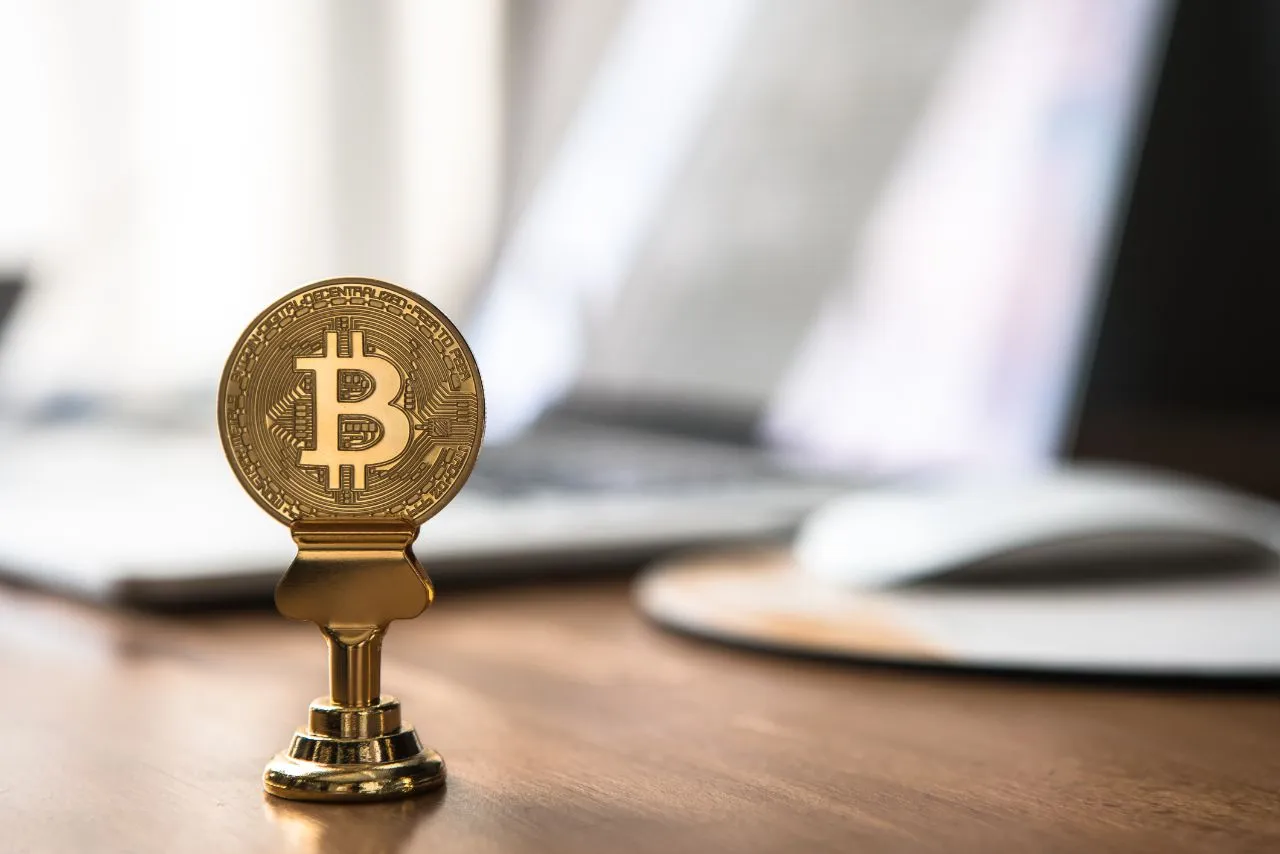
The long-awaited approval of spot bitcoin exchange-traded funds (ETFs) in the U.S. on Tuesday is anticipated to have a more substantial impact on the development of cryptocurrencies in Asia.


That’s the view of Yat Siu, the co-founder of Animoca Brands, a Hong Kong-based crypto venture capital and game software firm. The U.S. Securities and Exchange Commission's (SEC) approval is expected to attract new capital to the crypto industry, providing a safer avenue for the crypto-curious.
https://asset.coinness.com/en/news/1e613042a2d7df30a0d3f738271b420d.webp
Photo by André François McKenzie on Unsplash

Potential for surge of interest in Asia

In an interview with The Block, Siu emphasized the positive effect on Asia, attributing it to the region's regulatory clarity and the willingness of governments and regulators to build a crypto ecosystem. Strengthening regulatory oversight was a finding of a recent report relative to a number of Asian hubs. Industry leaders believe that the approval of spot bitcoin ETFs in the U.S. could lead to a surge of interest in Asia, where crypto adoption is already higher than in other continents.


The perception of cryptocurrencies as investment assets, rather than just for transactions, might shift in the Asian market, with the ETF offering a regulated and lower-risk avenue for investment exposure. Additionally, Yat Siu noted that Asian investors, particularly the younger generation, have a more open view towards capitalism compared to their U.S. counterparts.


In a recent interview with CNBC, Australian venture capitalist and founder of MHC Digital Group, Mark Carnegie, also expressed the opinion that the digital asset markets in Asia would flourish once the hype of the U.S. ETF approval has subsided.


ETF focus on Singapore and Hong Kong

Post the U.S. approval, attention turns to Asia, with Hong Kong and Singapore emerging as potential candidates for introducing spot crypto ETFs. Hong Kong, in particular, has undergone regulatory renewal, positioning itself as a crypto hub, with it reportedly already attracting interest from fund managers, including those backed by Chinese capital, looking into launching spot crypto ETFs.


Yat Siu alongside Glenn Woo, Head of Sales of APAC at Web3 infrastructure company Blockdaemon, were both positive in their assessment of Hong Kong as a worthy location for the offering of spot bitcoin ETFs in comments made last month. In November, the CEO of Hong Kong’s Securities and Futures Commission (SFC) indicated an openness to considering proposals for spot crypto ETF products aimed at retail investors.


Singapore, known for its mature regulatory environment, is also considered a strong contender. Meanwhile, Japan may witness significant regulatory movement following the U.S. ETF approval.


However, challenges and variables remain for Asia. The scale of capital inflows in Asia, compared to the U.S., and the caution of regulators in the face of crypto industry volatility and trust issues are cited as potential hurdles. Some experts suggest that Hong Kong and Singapore may initially be cautious in encouraging retail participation in virtual asset investments due to previous losses experienced by residents. Still, in the medium to longer term, increased interest and appetite for virtual assets are expected.




More to Read
View All
Policy & Regulation·

Apr 29, 2024

South Korea considers permanent crypto investigative unit

Reports from South Korea indicate that the nation is considering transforming its temporary crypto investigative unit into a permanent fixture to tackle the escalating cases of crimes and fraud related to cryptocurrencies. Government deliberations to elevate investigative unitAccording to local publication Segye Ilbo, the South Korean Justice Ministry and the Ministry of the Interior and Safety are gearing up to commence discussions in early May regarding the elevation of the Joint Virtual Asset Crime Investigation Unit to an official department.Photo by Daniel Bernard on UnsplashAims of the promotionThe proposed elevation seeks to formalize the status of the unit, which currently operates as a temporary body under the Seoul Southern District Prosecutor’s Office and faces the possibility of disbandment. The transition aims to enhance operational efficiency by facilitating the appointment of new prosecutors and allocating dedicated budgetary resources, as outlined by Segye. Background of the investigative unitEstablished in July 2023, the unit comprises approximately 30 experts drawn from seven financial and tax regulatory authorities. It represents South Korea's inaugural investigative body specializing in digital asset crimes, a response to the surge in crypto-related criminal activities witnessed in the country. Rising incidents of crypto-related crimesThe urgency to establish a permanent investigative unit stems from the notable increase in crypto-related criminal incidents. According to a February report from South Korea’s Financial Intelligence Unit, local crypto firms reported a total of 16,076 suspicious transactions in 2023, reflecting a significant 49% surge compared to the previous year. Upcoming crypto regulationsIn tandem with efforts to strengthen investigative capabilities, South Korea is preparing to implement its first comprehensive crypto regulation on July 19. The new regulatory framework aims to safeguard investors by imposing stricter penalties for market manipulation, including the possibility of life sentences in certain cases. 

news
Web3 & Enterprise·

Sep 05, 2023

Real-World Assets Emerge as a Beacon of Hope for the Blockchain Industry Amid Crypto Winter

Real-World Assets Emerge as a Beacon of Hope for the Blockchain Industry Amid Crypto WinterIn the midst of a crypto winter that has cast a shadow over the blockchain industry, a new opportunity has come to light — the tokenization of real-world assets (RWAs), or tangible assets such as gold and real estate, on blockchain networks.Photo by Tierra Mallorca on UnsplashMajor blockchain companies and industry experts gathered at Klaytn Square Lounge 2023, a blockchain and Web3 event in Gangnam, southern Seoul on Monday to discuss how RWAs could overcome the limitations of the current blockchain market.The rise of RWAsRecently, platforms like RWA tokenization project Elysia and Klaytn Foundation have started to shift their attention to RWAs as a promising avenue in the blockchain market. According to a report by global consulting firm Boston Consulting Group, the total value of the global RWA market, which reached $310 billion last year, is projected to surge to a staggering $16 trillion by 2030.“During the ongoing crypto winter, we are witnessing not only new funds pouring into blockchain projects but also existing funds leaving the market. We see RWAs as a potential solution to this,” said Seo Sang-min, Representative Director at Klaytn Foundation.Seo went on to explain that currently, virtual assets dominate most of the assets on blockchain mainnets like Klaytn, but compared to RWAs such as gold, cash, and real estate, their scale is very small. “We need to expand the utility of RWAs by placing them on the blockchain. Once they are, transaction costs will significantly decrease, and anyone will be able to trade 24/7 worldwide,” he said.Other blockchain experts at the conference also shared this sentiment. “Tokenizing RWAs is crucial because it provides investment opportunities that do not require large sums of money or lengthy waiting periods,” Luc Falempin, CEO of Tokeny Solutions emphasized. Beyond tokenizing the assets themselves, legal contracts and information about the various stakeholders involved, such as asset issuers and investors, can be recorded and shared on the blockchain, which can prove to be very convenient for investors.Revolutionizing investmentAccording to Falempin, most derivative investments involve seeking investment opportunities, creating portfolios, and enduring complicated processes for recovering investment capital that can take over ten years to complete. Additionally, ordinary investors often struggle to raise the substantial funds required for investment, creating high entry barriers. Also, investment contracts were traditionally executed on paper, which is outdated and inconvenient. However, as blockchain technology enables the tokenization of assets, these processes become much simpler.“Through RWA-backed virtual assets, even dozens of individuals can easily participate in investment, eliminating the hassle of dealing with paperwork. Introducing blockchain as a new infrastructure allows all stakeholders to easily view relevant records within the blockchain network,” he stated.The role of DAOsSo, how can investment products like RWA tokens be effectively managed within the decentralized realm of blockchain? Yoon Kim, Chief Marketing Officer of Elysia, mentioned decentralized autonomous organizations (DAOs) as a fit solution.“DAOs are a realistic method that is crucial for implementing the RWA model effectively. All stakeholders within a DAO can make modifications and creations, providing an avenue for managing tokenized assets effectively without government intervention,” Kim said.Technical hurdlesHowever, RWA tokens face several technical challenges. RWA products, which integrate the real world with the blockchain realm, could suffer from the so-called oracle problem, which refers to the inherent inability of blockchains to access external data, leading to a lack of information transparency. Even if the assets are stable, their prices on the blockchain network may differ from those in the real market. Currently, there are no established technical solutions to address these issues.“Rather than getting directly involved, we aim to move in accordance with market prices, but also seek ways to minimize risks with the help of external entities in certain cases,” said James Lim, CEO of Creder.As the crypto winter persists, the blockchain industry is looking towards RWAs as a beacon of hope, offering the potential to bridge the gap between traditional assets and the decentralized world of blockchain, despite the challenges that lie ahead.

news
Web3 & Enterprise·

Aug 04, 2023

Hyosung TNS and APoT Join Hands to Promote NFT Portal Service

Hyosung TNS and APoT Join Hands to Promote NFT Portal ServiceSouth Korean IT infrastructure and financial solutions provider Hyosung TNS announced that it is teaming up with APoT Platforms, a company specializing in developing blockchains for real-world assets (RWAs), to promote NFTtown — Hyosung TNS’ portal service dedicated to providing information, news, and educational content on NFTs.Photo by Andrey Metelev on UnsplashBringing real-world assets to blockchainAPoT Platforms is equipped with technology that is able to embed data on RWAs, such as artwork and luxury goods, thereby connecting them to the blockchain. The company also maintains an extensive network of collaborative relationships with various NFT artist organizations and communities both domestically and abroad.Hyosung TNS plans to bring APoT’s artist network to NFTtown, allowing users to easily access information regarding NFT artists and their works.The two companies will also work together on other efforts, including introducing NFT artworks, digital product transfers, and events for NFT holders.NFT art exhibitionAs the first step of their collaboration, they plan to exhibit and sell works by renowned NFT artists such as Han Kwang-suk, Quiet Eye, and HAN (Han Sun-ok) this month at the Lotte Department Store Ilsan’s Spazio We;R Gallery.

news
Loading