Top

Hong Kong’s HKVAC drops XRP from top 5 crypto index

Markets·January 16, 2024, 7:38 AM

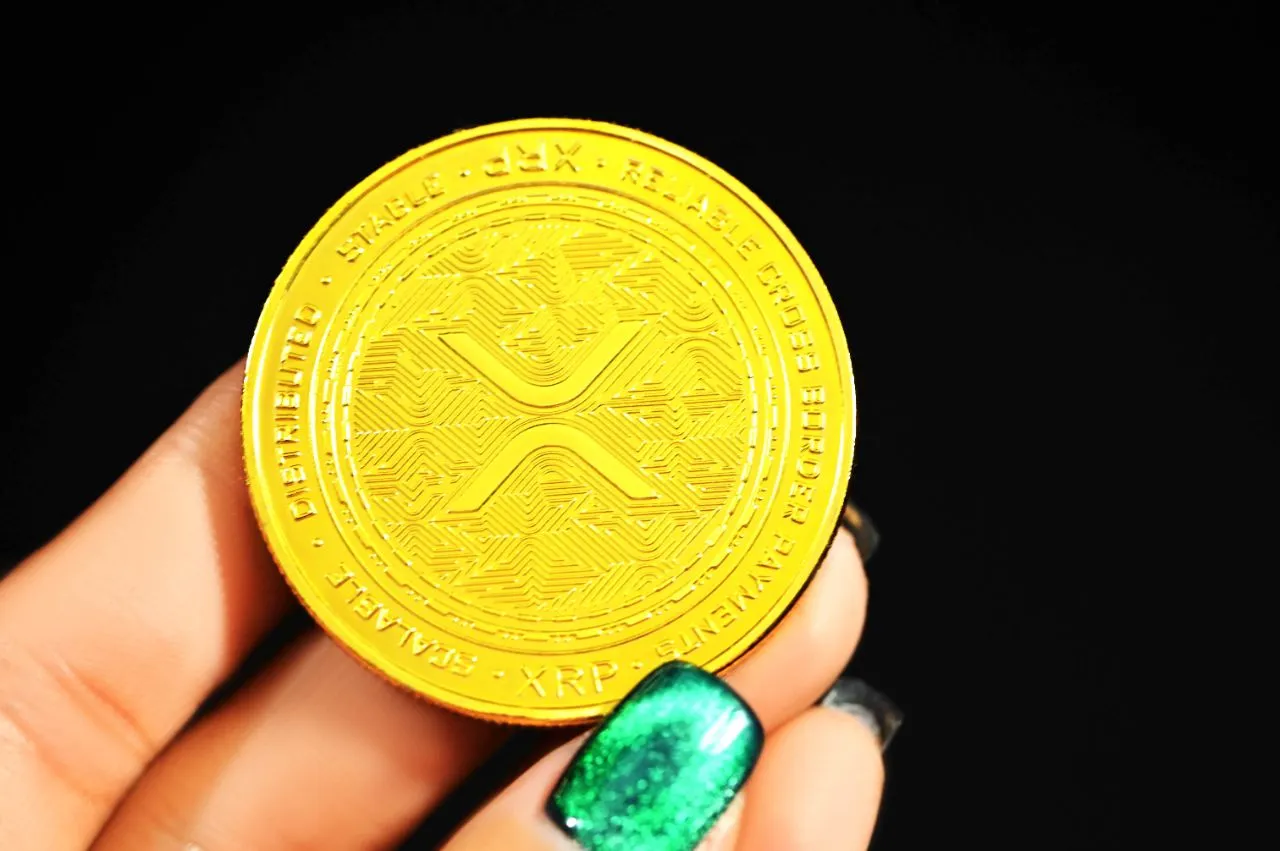
The Hong Kong Virtual Asset Consortium (HKVAC), a digital asset group in China's special administrative region, has announced modifications to its core cryptocurrency index, reshuffling the top contenders to the detriment of XRP, the payment solution token developed by Ripple Labs.
https://asset.coinness.com/en/news/89e98c2bec2b36b43ca45ef20278eb8b.webp
Photo by Kanchanara on Unsplash

Solana takes top 5 slot

Effective as of this Friday, HKVAC will replace XRP with Solana (SOL) in its Top 5 Large Cryptocurrency Index, signaling a shift in the composition of its benchmark index.


HKVAC is a collaborative effort between Hong Kong-based industry participants such as crypto exchanges and licensed ratings agencies. Its aim is to optimize the risk management capabilities of the crypto sector and in that way, assisting market participants including local regulatory bodies.


Crypto exchange platform HTX, previously known as Huobi, became the first member of HKVAC in 2023. It was joined by iPollo, KuCoin, LK Venture, Nano Labs, Purise, Wealthking Investment, G-Rocket Global Accelerator, Hong Kong Data Infinity Technology and others in making up the organization’s membership.


The HKVAC's Top 5 index reflects the global cryptocurrency ranking based on market capitalization, maintaining a pulse on the ever-evolving crypto landscape. However, beyond market cap, the digital asset group considers additional factors such as market valuation, investability and liquidity in its index rebalancing decisions.


Solana’s growth and progression

Solana, currently ranked as the fifth-largest cryptocurrency, has been making substantial strides in the market. Despite the 2022 collapse of the FTX crypto exchange, which significantly impacted SOL's price, the cryptocurrency has made an impressive recovery. Over the past year Solana has surged by 315%. Presently, SOL boasts a market cap of $41 billion, securing its position in the top echelons of the cryptocurrency market.


In contrast, XRP, the ousted cryptocurrency, has experienced a more modest price growth during the same period. As of the latest data, XRP holds the sixth position in the cryptocurrency ranking, with a valuation of $31 billion. The decision to remove XRP from the Top 5 index was met with a 3.9% decline in its value, settling at $0.57. XRP had moved within the Top 5 index in October of last year.


It was added to the index alongside SHIB in 2023. At the time of its formation, HKVAC emphasized that market capitalization was one of the primary criteria incorporated within the evaluation, which extends to 30 cryptocurrencies. A re-evaluation is carried out each quarter on the basis of that market cap criterion.


Crypto rating reshuffle

The HKVAC's reshuffling extends beyond the Top 5 index, impacting other leading cryptocurrencies. Notable changes include the removal of Filecoin (FIL), Binance USD (BUSD), Maker (MKR), Hedera (HBAR) and TrueUSD (TUSD) from the Global Large Cryptocurrency Index. These have been replaced by Near Protocol (NEAR), Internet Computer (ICP), Immutable (IMX), Optimism (OP) and Injective (INJ). Additionally, Avalanche (AVAX) is set to replace Tron (TRX) on the HKVAC Top 10 Global Large Cryptocurrency Index, effective this Friday.


These adjustments come amid Hong Kong's ongoing efforts to bolster the cryptocurrency industry within the region. In December, the financial regulator in Hong Kong signaled its readiness to accept spot crypto exchange-traded funds (ETFs). This move aligns with the United States Securities and Exchange Commission's review of 11 spot bitcoin ETF applications, ultimately approved on Jan. 10.


More to Read
View All
Web3 & Enterprise·

Dec 06, 2023

Bitcoin records this year’s highest in Korean market, surpassing KRW 60M

Bitcoin records this year’s highest in Korean market, surpassing KRW 60MBitcoin, the world’s largest cryptocurrency, exceeded the KRW 60 million (approximately $45,700) mark in the South Korean market on Wednesday (local time), reaching its highest value of the year.So far today, the nation’s leading crypto exchange, Upbit, saw Bitcoin’s price soaring to a daily peak of KRW 60,642,000. Meanwhile, another major trading platform, Bithumb, observed Bitcoin’s value touching a daily high of KRW 60,775,000.Photo by André François McKenzie on UnsplashHighest since November 2021This is the first time Bitcoin went above the KRW 60 million mark since November 2021. Amid this development, the Kimchi premium, a term indicating the gap in crypto prices between Korean exchanges and their foreign counterparts, has exceeded 4%. According to data from crypto information platform CoinNess, at the time of publication, the average price of Bitcoin on Korean platforms is KRW 59,986,250, while the average price of Bitcoin on foreign platforms is KRW 57,605,406.Ethereum prices are also on the rise. On Upbit, Ethereum reached its highest point of the day at KRW 3,163,000, and on Bithumb, it peaked at KRW 3,162,000.Rate hike halt and Bitcoin halvingThe ongoing surge in Bitcoin’s value is widely believed to be influenced by a halt in global interest rate hikes and the anticipated Bitcoin halving event scheduled for April 2024. Additionally, the potential approval of spot bitcoin exchange-traded funds (ETFs) by the U.S. Securities and Exchange Commission is seen as another significant factor contributing to the rise in the digital currency’s prices.Meanwhile, the Crypto Fear and Greed Index from software comparison platform Alternative.me currently indicates a sentiment of “Greed” with a score of 72. This index assesses various factors, including volatility, market momentum and volume, social media buzz, market dominance and trends. The scale ranges from 0 to 100, where 0 signifies “Extreme Fear” and 100 represents “Extreme Greed.” Scores nearer to 0 suggest increasing fear among investors, potentially signaling a buying opportunity. On the other hand, scores approaching 100 imply growing greed, hinting at the possibility of a market correction.Korean won as the top fiat trading pairDuring this latest Bitcoin rally, where the cryptocurrency climbed to over 50% of its highest price in almost two years, South Korean crypto traders have played a significant role, Bloomberg reported, citing data from CCData. In November, the South Korean won exceeded the U.S. dollar as the top fiat trading pair in the crypto market for the first time.

news
Web3 & Enterprise·

Jul 19, 2023

Polymesh’s APAC Digital Asset Regulation Report Highlights Challenges

Polymesh’s APAC Digital Asset Regulation Report Highlights ChallengesThe project team behind Polymesh, an institutional-grade permissioned blockchain built specifically for regulated assets, released a report on digital asset regulation within the Asia Pacific (APAC) region on Tuesday, highlighting several challenges that regulators are attempting to overcome.In a press release, the company outlined that the report covers recent regulatory developments in South Korea, Singapore, Hong Kong, and the broader APAC region.Photo by Jéan Béller on UnsplashProgressive regulatory effortsRegulators within the APAC region are currently striving to introduce legislation for digital assets, while several centers within the region are vying to establish themselves as hubs for digital asset-related business.The report explores the individual efforts of regulators in various APAC nations as they work towards crafting regulatory frameworks tailored to their jurisdictions. Those efforts encompass implementation, investigation, and enforcement of legislation in a borderless industry.Regulators in South Korea, Singapore, and Hong Kong have all embarked on formulating rules for emerging asset categories, albeit using different terminologies such as “digital assets,” “digital payment tokens,” and “virtual assets.” Their focus lies in striking a balance between consumer protection, market integrity, and industry development.Additionally, all three regulators adhere to the principle of “same activity, same regulations, same risks” when it comes to tokenized securities. They argue that regulatory requirements do not significantly differ solely because a security is in tokenized form. Each state has been actively engaged in local and global activities surrounding security tokens, including state involvement in the advancement of security token technology and cross-border transactions.Main findingsThe report’s main findings emphasize that while regulators in the APAC region are making strides in introducing digital asset legislation, the road ahead will not be without challenges.Legislating a cross-border industry poses difficulties that necessitate harmonization to foster a robust and interconnected ecosystem. Digital assets originating in Asia can be traded globally and vice versa. Merely identifying the asset’s place of origin is no longer sufficient.Although the report delves into the efforts of individual regulators, it emphasizes the need for long-term collaboration to establish a unified vision and practical implementation of regulations for this borderless phenomenon.Regulatory challengesThe regulatory challenges faced by South Korea, Singapore, and Hong Kong in driving the growth of digital assets in the APAC region are multifaceted. They include the intricacies of legislating an inherently cross-border industry. In turn, that can lead to the potential violation of legislation from other jurisdictions.The lack of harmonization among different jurisdictions, and variations in regulatory approaches among the three regulators are likely to be problematic. Furthermore, there are push-pull dynamics between the industry and regulators, with even the regulators themselves not always in agreement.However, despite these challenges, all three regulators have initiated the formulation of rules for new asset categories, with a strong emphasis on safeguarding consumer interests, maintaining market integrity, and fostering industry development.

news
Web3 & Enterprise·

May 11, 2023

Zodia Custody Launches Crypto Custodian Service in Dubai

Zodia Custody Launches Crypto Custodian Service in DubaiZodia Custody, a subsidiary of British multinational banking services firm Standard Chartered, has entered the Middle Eastern market, bringing its crypto custody service to Dubai.In a tweet on Thursday, the start-up announced that its parent company Standard Chartered has signed a memorandum of understanding (MoU) with the Dubai International Financial Centre (DIFC) to launch digital asset custody services in Dubai, powered by Zodia Custody.The move will only go ahead once it has been approved by Dubai’s regulator, the Virtual Assets Regulatory Authority (VARA). At the MoU signing ceremony, Standard Chartered CEO Bill Winters stated: “We see digital assets as an important part of the future of financial services and we are committed to investing in the infrastructure and talent necessary to be a leader in this space.”“The UAE [United Arab Emirates] has a well-balanced approach to digital asset adoption and financial regulation, making it an ideal first market for us to launch our digital asset custody proposition,” Winters added.With 54 years in the financial services arena, the UAE is already home to Standard Chartered’s operations in the Middle East and North Africa (MENA) region.SBI joint ventureIts London-based subsidiary has been busy. In addition to this expansion into the MENA region, in February the fledgling company entered the Japanese market. It achieved that by partnering with Japanese financial services conglomerate, SBI Holdings. The Japanese joint venture company is 51% owned by SBI, while Zodia holds the remaining 49% minority stake. At the time, Julian Sawyer, CEO of Zodia Custody, said that “partnering with SBI DAH ensures the joint venture will offer gold-standard crypto asset custody services in Japan.”Capital injectionLast month, SBI Holdings stepped up its association with Zodia Custody by becoming the lead investor in Zodia’s latest funding round. Up until that point, Zodia had been supported largely by Standard Chartered. Northern Trust took a 10% stake with Standard Chartered accounting for the remaining 90% equity stake. Following that most recent funding round, SBI now moves up the rankings to become Zodia’s second largest investor.Zodia was founded in 2020 in tandem with a separately launched trading platform, Zodia Markets. Its objective was to offer a safe, trustworthy platform through which institutional clients could invest in crypto assets. As a UK-based entity, the firm is regulated by the UKs Financial Conduct Authority (FCA).Heightened digital asset developmentAuthorities in Dubai and within the UAE in general have been working hard in recent months with an eye towards making the country, and particularly its Dubai and Abu Dhabi Emirates, a hub for digital asset-related business. Regulators in Dubai, Abu Dhabi, and at a national UAE government level, have been progressing in terms of getting a workable digital assets regulatory framework and licensing regime in place.With the Dubai Fintech Summit having taken place earlier this week, there were further developments still relative to digital asset business in the UAE. On Monday, Coinbase CEO Brian Armstrong was in attendance alongside his executive team. Just like Armstrong, Ripple CEO Brad Garlinghouse was also a keynote speaker at the event. Both complemented the UAE on its regulatory approach to crypto off the back of both of them having been sharply critical of the regulatory approach in the United States. Armstrong indicated that his company is interested in establishing a base in Abu Dhabi while Garlinghouse confirmed that Ripple is opening an office in Dubai.Photo by Aleksandar Pasaric on Pexels

news
Loading