Top

Night Crows MMORPG set for global launch next month with P2E features

Web3 & Enterprise·February 14, 2024, 6:17 AM

Night Crows, a massive multiplayer online role-playing game (MMORPG) set in 13th-century Europe with play-to-earn (P2E) features, is set to launch next month. This global release will be available in nine languages across 170 countries, except for South Korea and China, according to a recent press release by its South Korean operator, the blockchain game company Wemade.


European history with fiction

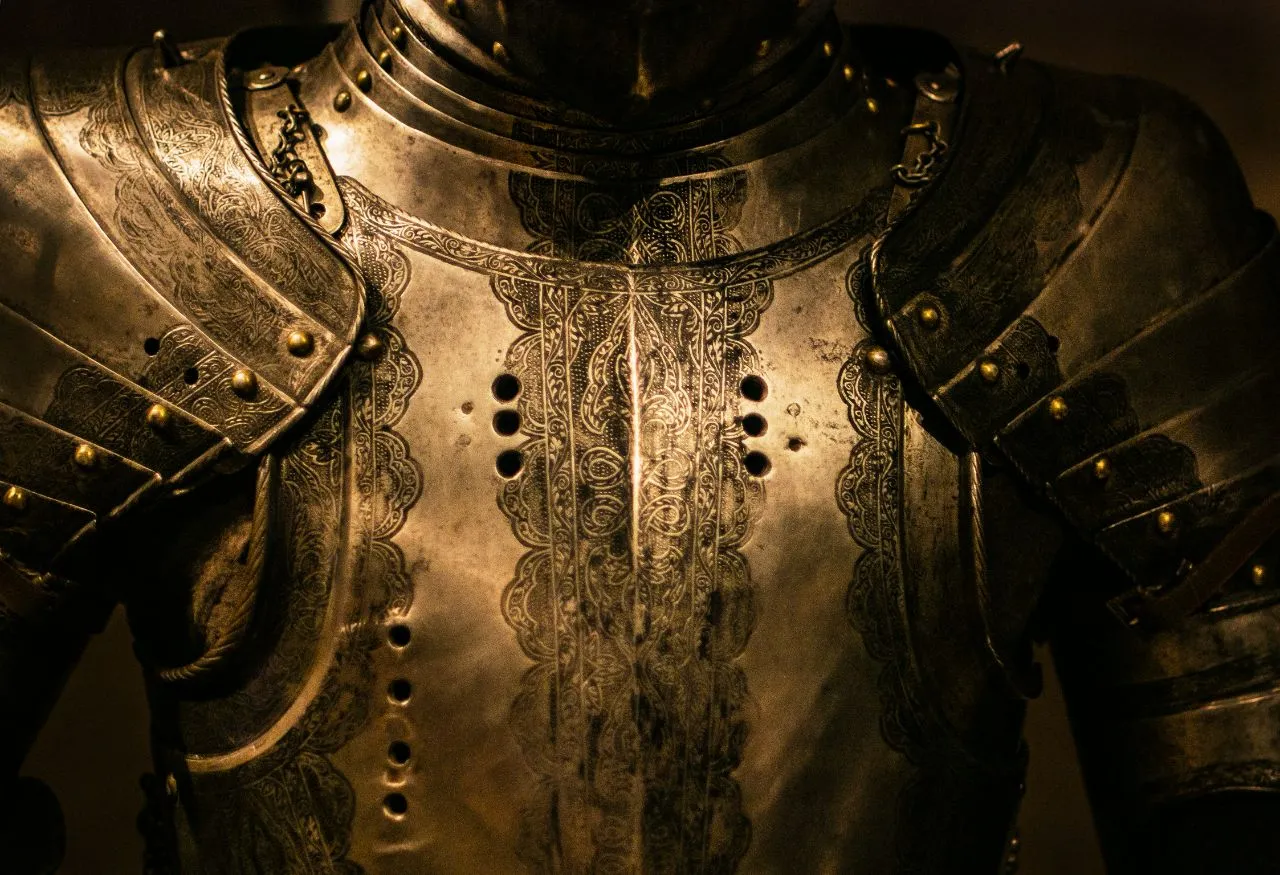
Developed by MADNGINE, Night Crows harnesses the power of Unreal Engine 5 to deliver highly realistic battles. The game merges elements of European history with fiction, creating a unique universe for players to explore. Within this universe, players can select from four classes and eight subclasses for their characters. Thanks to its inter-server technology, Night Crows enables over 1,000 players from three servers to combat against each other in the "Battlefront," as well as collaborate and trade at the "World Exchange."
https://asset.coinness.com/en/news/b367bee85b6f8e2adc8cd2c083913e63.webp
Photo by Nik Shuliahin 💛💙 on Unsplash

Blockchain-based economy

The March 12 worldwide launch of Night Crows incorporates the Multi Utility Token Economy (MUTE) within Wemade’s WEMIX 3.0 blockchain network. In this economy, users can complete requests to earn DIA, an in-game resource that can be used to mint Crow. The Crow token will serve as the base token for the game and will be supported on WEMIX Play’s GameFi platform.


Last month, Night Crows kicked off its pre-registration campaign to attract gamers from around the globe. The game will be available for pre-download on March 11 via Google Play, the Apple App Store and the web.


P2E games banned in Korea

Night Crows first made its debut in South Korea last April, where it quickly captured the interest of Korean gamers. However, the version released in Korea differs from the one planned for the global launch, as it lacks a blockchain-based economy. This absence is in line with the Game Industry Promotion Act in Korea, which prohibits the conversion of in-game resources, whether tangible or intangible, into money.


More to Read
View All
Policy & Regulation·

Mar 26, 2024

Philippines follows through on Binance ban

The Philippines' financial regulator announced that it is implementing what amounts to a ban on Binance in the Southeast Asian nation by blocking local access to the leading global cryptocurrency exchange. This decision, publicized via a press release on March 25, comes as the Securities and Exchange Commission (SEC) raised concerns last November over Binance's operations in the country, citing a lack of necessary licenses for certain investment products. According to the press release, the SEC revealed that it sought assistance from the National Telecommunication Commission (NTC) to enforce the ban, expressing worries about the security of Filipino investors' funds on the platform. In a letter addressed to the NTC, SEC Chairman Emilio Aquino stated:"The SEC has identified the aforementioned platform and concluded that the public's continued access to these websites/apps poses a threat to the security of the funds of investing Filipinos.”Photo by Krisia on PexelsA similar move was taken last December by the Financial Intelligence Unit (FIU) in India, as it acted to block access to what it deemed to be non-compliant global crypto exchanges. Unlicensed servicesThe SEC alleges that Binance offers services like leveraged trading and crypto savings accounts without the required licenses, violating the country's Securities Regulation Code. Consequently, the ban is set to be implemented within three months, allowing investors time to exit their positions held through Binance. Furthermore, the SEC has requested Google and Meta to restrict Binance-related advertisements targeted at Filipino users on their platforms, extending the regulatory measures to online advertising as well. A similar stance was taken by authorities in Thailand last August with the Ministry of Digital Economy and Society (MDES) engaging in talks with Facebook in an effort to curb questionable crypto-related advertising on the platform. Regulatory setbackThis move by the Philippines' financial watchdog marks another regulatory setback for Binance, which has faced increasing scrutiny globally. In December 2023, a U.S. court ordered Binance to pay significant fines to the Commodity Futures Trading Commission (CFTC) for evading federal law and operating an illegal derivatives exchange. As part of the settlement, Binance's former CEO, Changpeng Zhao (CZ), agreed to step down from his position, with Zhao also facing civil and criminal charges related to anti-money laundering laws. The SEC's cautionary stance against Binance dates back to November 2023, shortly after Zhao's legal troubles in the U.S. emerged. At that time, the SEC expressed its intention to ban Binance in the Philippines, though the execution was postponed due to changes in the leadership of the regulatory body. Notably, Kenneth Stern, who headed up Binance's operations in the Philippines, exited the company in July 2023, amidst mounting regulatory pressures and legal challenges. Binance had seen many leading executives part ways with it in the lead-up to the company’s settlement with the U.S. Department of Justice (DoJ) last year. With regulatory actions tightening around Binance globally, the future of the exchange in various jurisdictions remains uncertain. The ban in the Philippines adds to the ongoing regulatory challenges faced by the company and underscores the growing importance of compliance within the cryptocurrency industry.

news
Web3 & Enterprise·

Sep 14, 2023

Raon Whitehat Launches Cloud-Based NFT Wallet for OmniOne Marketplace

Raon Whitehat Launches Cloud-Based NFT Wallet for OmniOne MarketplaceSouth Korean tech security firm RaonSecure announced Thursday that its subsidiary Raon Whitehat has launched a cloud-based NFT wallet service on the OmniOne NFT marketplace, specializing in utility NFTs that are backed by tangible assets like gold.Photo by C Dustin on UnsplashMore secure and convenientUsers can easily create an account for the OmniOne NFT cloud wallet by entering a username and password. This cloud-based solution offers advantages over mobile app-based NFT wallets, which can present occasional inconveniences. In scenarios involving app deletion, device change, or device loss, one faces the cumbersome task of reinstalling the application and going through the authorization process again. In contrast, the cloud wallet provides a more seamless experience. NFTs are securely stored in the cloud and can be accessed from any device, requiring only the recollection of a username and password.Transferring NFTsIndividuals who have NFTs stored within their current app-based NFT wallet can create a new cloud wallet account and proceed to transfer their NFTs from the existing app-based account to the new cloud account by utilizing the “Send as Gift” feature.RaonSecure CEO Lee Soon-hyung announced that users are now able to store their gold-backed NFTs, purchased from the OmniOne NFT marketplace, in the cloud wallet. He explained that this development addresses the issue of potential NFT asset loss due to app deletion or device loss.Furthermore, Lee emphasized that Raon Whitehat is dedicated to introducing more innovative services in the future. These services will prioritize user convenience and security, specifically in the storage of diverse digital assets like NFTs and certification badges.

news
Policy & Regulation·

Dec 23, 2023

Hong Kong regulators signal embrace of spot crypto ETFs

Hong Kong regulators signal embrace of spot crypto ETFsHong Kong has signaled its readiness to usher in spot crypto exchange-traded funds (ETFs), as the Securities and Futures Commission (SFC) and the Hong Kong Monetary Authority (HKMA) jointly announced on Friday that they are prepared to accept applications for such funds.Photo by Oskar Kadaksoo on UnsplashUpdated virtual asset-related policyIn a set of circulars released, a joint circular representing both regulators and a separate circular published by the SFC, they outlined the updated policy for intermediaries engaging in virtual asset-related activities.The SFC, responsible for overseeing financial markets in Hong Kong, expressed its openness to applications for the authorization of funds with exposure to virtual assets, specifically mentioning virtual asset spot exchange-traded funds (VA spot ETFs).This move expands beyond the existing crypto futures ETFs, demonstrating Hong Kong’s commitment to adapting its regulatory landscape to the evolving crypto market. It also builds on positive commentary made by SFC CEO Julia Leung on the subject last month. Leung stated that the regulator was open to the notion of retail participation in spot crypto ETFs in Hong Kong.Leung stated:“We welcome proposals using innovative technology that boosts efficiency and customer experience. We’re happy to give it a try as long as new risks are addressed. Our approach is consistent regardless of the asset.”Use of license platformsFriday’s SFC circular emphasized that transactions conducted by these ETFs must occur through SFC-licensed crypto platforms or authorized financial institutions. The SFC outlined that both in-kind and in-cash subscription and redemption methods are permissible for SFC-authorized spot VA ETFs, providing flexibility in fund management.Custody requirements were also addressed, with the SFC specifying that the trustee or custodian must delegate its crypto custody function exclusively to an SFC-licensed Virtual Asset Trading Platform (VATP) or entities meeting the crypto custody standards set by the HKMA.Industry responseThese latest circulars from the regulators have prompted a response from the industry. The Hong Kong Stock Exchange has reacted, welcoming the announcement. It believes that such a move would serve to strengthen Hong Kong’s position as a digital asset hub in the region. The exchange already lists a number of crypto futures ETFs, with multinational investment bank UBS having recently extended access to these products to its Hong Kong-based high-net-worth clients.While the regulatory landscape in the United States in 2023 has proven to be hostile, one very positive development appears to be ongoing work towards spot bitcoin ETF approval. Although still a matter of speculation, many industry commentators believe that approval will come through on Jan. 10. The advent of spot bitcoin and crypto ETFs in both eastern and western markets would likely make for an extremely bullish 2024 for the industry.Hong Kong’s move towards spot crypto ETFs aligns with its proactive stance in adapting to the rapidly evolving crypto landscape. The regulatory framework, as outlined in the circulars, reflects a balance between fostering innovation and ensuring investor protection. The city’s financial authorities have taken a comprehensive approach to review and update policies, once again signaling their ongoing commitment to embracing the growing role of virtual assets in the financial world.

news
Loading