Top

Indonesia mulls crypto tax policy review

Policy & Regulation·March 05, 2024, 3:08 AM

Indonesia's cryptocurrency regulatory body is urging the government to reconsider its tax policies concerning digital assets.


Officials from Indonesia’s Commodity Futures Trading Supervisory Agency (Bappebti) argued last week that the imposition of double taxation on crypto transactions warrants a reevaluation. That’s according to a report which appeared in local news source, Bisnis Indonesia, a Jakarta-based daily newspaper. Currently, cryptocurrencies in Indonesia are classified as commodities, subjecting them to a value-added tax (VAT) of 0.11% and an income tax of 0.1%.
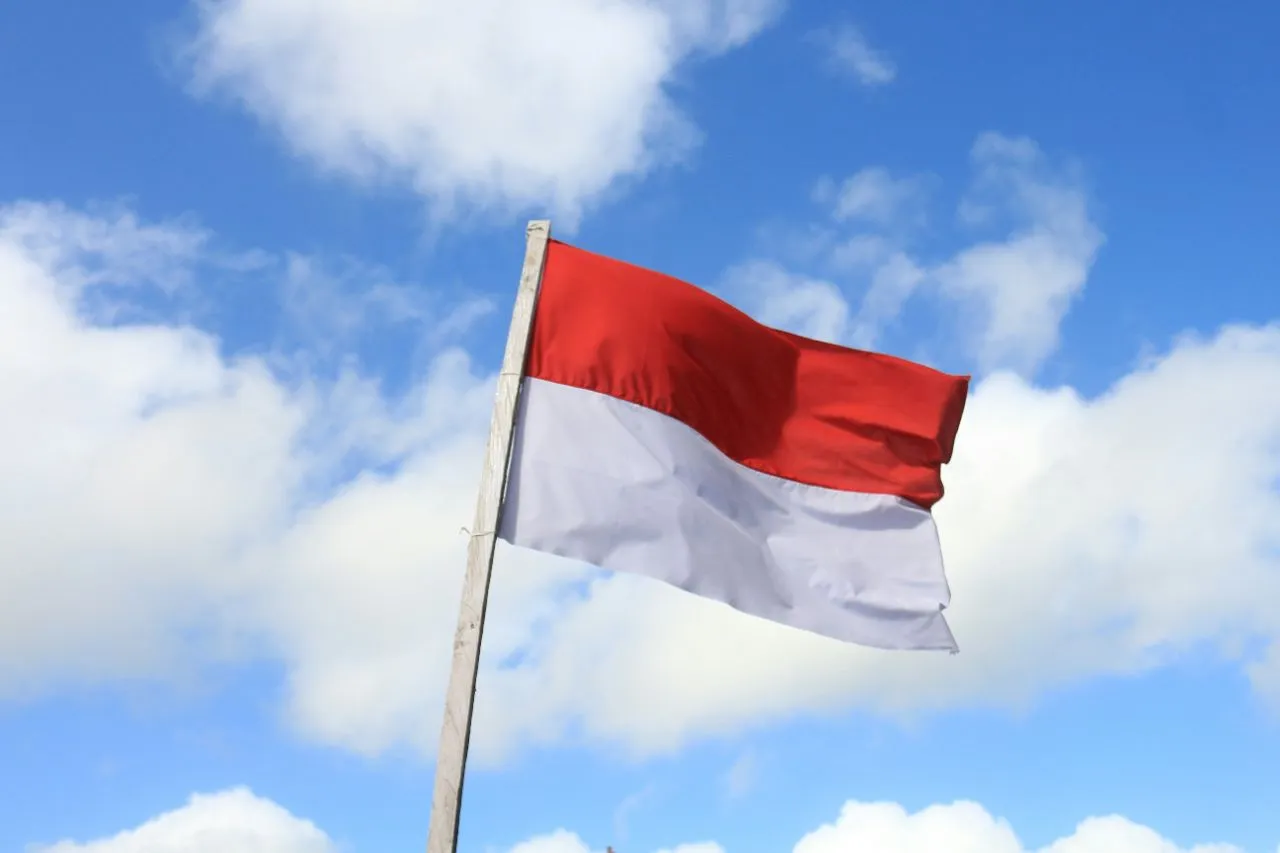
https://asset.coinness.com/en/news/095db59254f8640ac96323a763bfbc62.webp
Photo by Bisma Mahendra on Unsplash

Proposed changes in 2025

Tirta Karma Senjaya, the head of Bappebti, the Indonesian Commodities and Futures Trading Regulatory Authority, highlighted that the classification of cryptocurrencies as commodities might undergo changes in 2025. This potential shift is due to the planned transfer of crypto oversight from Bappebti to the Southeast Asian country’s financial services authority, OJK.

It had been speculated that the switch of oversight would potentially reclassify digital assets as securities. With that change would come a necessary adjustment to the applicable tax policy.


Tirta suggested that given that cryptocurrencies are expected to be integrated into the financial sector by January 2025, he urged the Tax Director General to reconsider these tax rates. The regulatory body head added that it’s been over a year since the implementation of these rules. With that, tax policies typically undergo annual reviews.


Accommodating crypto’s developmental state

Addressing an event in Jakarta, the regulatory body head emphasized the nascent stage of the crypto industry and its regulatory framework. Consequently, he advocated for providing the industry with leeway to mature until it becomes a substantial contributor to national revenue.


In response to Bappebti's call for a reassessment of crypto taxes, Dwi Astuti, a spokesperson for the Ministry of Finance, assured that the Ministry would consider input from both industry stakeholders and the public.


"We welcome input from Bappebti and the public. It will certainly be discussed internally," remarked Astuti during a media interaction last week.


2023 crypto tax take slump

The existing tax structure for cryptocurrencies has been in effect since April 2022, generating approximately $2.49 million in revenue in January 2024. In contrast, Indonesia recorded $41.2 million in crypto tax revenue in the previous year.


However in 2023, the country witnessed a decline of 63% in crypto tax revenue compared to the previous year, despite Bitcoin's remarkable surge of approximately 160% during that period.


Local crypto exchanges such as INDODAX had attributed the significant drop in trading volume throughout 2023 directly to hefty taxes, expressing concerns that it would drive users towards foreign exchanges.


Hasan Fawzi from the Ministry of Finance highlighted the trend of decreasing crypto asset transaction values in 2023. Nonetheless, he noted that the number of crypto asset customers continued to rise, reaching 18.06 million users throughout the year.


The crypto sector is seen as having a lot of potential in Indonesia. Last October data released by Bappebti suggested robust growth of the crypto investment landscape within the country. Over the space of a year, Indonesia had seen a 10.1% growth in the number of crypto investors. That data may not have been lost on the country’s politicians as in December, crypto featured as an election campaign issue.

More to Read
View All
Policy & Regulation·

Aug 02, 2023

Bankruptcy Judge Permits Terraform Labs to Subpoena FTX

Bankruptcy Judge Permits Terraform Labs to Subpoena FTXIn a significant development in the bankruptcy case of defunct crypto exchange FTX, a judge has granted Singapore-based Terraform Labs the authority to subpoena information related to its ongoing case brought by the United States Securities and Exchange Commission (SEC).Photo by Bermix Studio on UnsplashHack allegationsTerraform Labs, the blockchain company that developed the Terra blockchain and failed US dollar stablecoin UST, claims that the failures of its algorithmic stablecoin and governance token were the result of an attack from short-sellers, possibly involving Alameda Research (FTX’s sister company).The order, issued by Judge John Dorsey on Monday, allows Terraform Labs to serve subpoenas to FTX Trading and FTX US, aimed at collecting evidence to support its defense against the SEC’s allegations of fraud. According to court filings, lawyers representing the FTX Debtor have not formally objected to the court order.Terraform Labs’ request for subpoena power stems from its belief that short-sellers connected to FTX entities played a role in the failure of the algorithmic stablecoin and governance token, leading to the collapse of the crypto firm. The ability to obtain information from FTX through the subpoenas could be crucial in bolstering Terraform Labs’ defense against the SEC’s fraud charges.UST collapse falloutThe collapse of the UST stablecoin in 2022 contributed to a major market crash, resulting in a significant drop in the prices of many tokens. As a result, the company filed for bankruptcy in November 2022. The Co-Founder of Terra, Do Kwon, is currently serving a four-month sentence in a Montenegrin prison for using false travel documents. He may also face extradition to the United States or South Korea on fraud charges related to Terraform Labs.Motion to dismiss deniedIn a separate high-stakes ruling, US District Judge Jed Rakoff denied Terraform Labs’ motion to dismiss the securities fraud lawsuit filed by the SEC. The judge’s decision allows the SEC’s case against Terraform Labs and Do Kwon to proceed, rejecting defense arguments that the agency lacked jurisdiction and that Terraform’s TerraUSD stablecoin did not qualify as an unregistered security.Judge Rakoff’s ruling is a significant victory for the SEC as it intensifies its enforcement actions against crypto companies involved in allegedly unlawful token sales. He found the collapse of TerraUSD, which lost its dollar peg and incurred a $40 billion loss last year, plausible as a reason to consider the token as a security that should have been registered.Moreover, Rakoff dismissed Terraform’s claim that the SEC lacked the authority to regulate stablecoins without explicit Congressional authorization, asserting that the crypto industry was significant enough to warrant application of the “Major Questions Doctrine.” This doctrine limits agency overreach into major political issues but does not apply to the crypto asset markets.The judge also rebuffed Terraform Labs’ attempts to draw parallels between the Ripple case and its own. In the Ripple case, a different judge ruled that Ripple’s XRP token sales to retail investors did not violate securities laws due to the manner of purchase on secondary markets. Rakoff firmly stated that such distinctions did not apply under the legal Howey test governing whether crypto assets qualify as securities.

news
Policy & Regulation·

Apr 13, 2023

Hong Kong Reiterates Web3 Credentials and Commitment

Hong Kong Reiterates Web3 Credentials and CommitmentHong Kong is committed to growing the Web3 industry under appropriate regulations, according to government officials.©Pexels/Andrea PiacquadioAt the four-day Web3 Festival, which is the largest Web3 event that the city has hosted since declaring its intention last year to become a digital asset hub, Financial Secretary Paul Chan stated that the stability of the financial system and investor protection should not be damaged, and that appropriate regulations are a must to create a sustainable development environment and a more ideal space for development.DeFi licensing requirementSome attendees were surprised to learn that the Securities and Futures Commission (SFC) believes that decentralized finance (DeFi) platforms for virtual assets need a license under existing rules. Keith Choy, interim head of the intermediaries division at the SFC, stated that people operating or performing DeFi activities should be subject to Hong Kong’s licensing requirements.This means that if Hong Kong really intends to regulate DeFi, it will have a stricter environment than Singapore. The Web3 industry has been closely watching the development of a new regulatory framework for virtual assets in Hong Kong since the city revealed at the end of October its intention to become a cryptocurrency hub. Under new regulations that go into effect in June, cryptocurrency exchanges serving customers in Hong Kong must be licensed by the SFC.10,000 Web3 Festival attendeesThe event attracted more than 10,000 people ahead of the conference, with several big-name speakers and exhibitors looking for new opportunities in the city. OKX and Filecoin were some of the large cryptocurrency firms in attendance, as were traditional tech firms like Tencent Cloud, which had a booth touting its blockchain-related services for corporate clients. Alibaba Cloud was also a co-organiser, along with Amazon Web Services and Hong Kong’s Cyberport.Binance co-founder and CEO Zhao Changpeng (CZ) also dialed in via video for a fireside chat. Last month, the US Commodity Futures Trading Commission (CFTC) sued CZ and Binance over what it alleged was “sham” compliance with domestic regulations. The company has been scrutinized over connections to its local firm Binance.US, which legally is meant to operate as a separate entity. Zhao was not asked and did not address his legal troubles at the conference. However, he did note that Binance is in talks with regulators in many markets.“We are actively engaged with regulators all around the world,” Zhao said. “Many of them are very receptive, some of them are still skeptical, and that’s fine, but we need to engage. We need to have dialogue, we need conversations, and we also need patience.”Singapore comparisonsHong Kong has frequently been compared with Singapore, which had been considered a friendlier market for related activity until Hong Kong’s policy shift. Some attendees had hoped that Hong Kong’s shift would provide some competition for Singapore in the region. “We did see a very obvious trend of people flying to Singapore to make sure their business was part of this space,” said Luke Liu, chief core ecosystem contributor at cross-chain protocol developer Poly Network. “Hong Kong and Singapore can coexist in some sense, but there is definitely a very positive change going on recently because of the Hong Kong policy announcement.”Hong Kong has reaffirmed its commitment to growing the Web3 industry under “appropriate” regulations, with the stability of the financial system and investor protection as a top priority. This has been reiterated during the largest Web3 event in the city since declaring its intention to become a digital asset hub.

news
Policy & Regulation·

Jul 14, 2023

Busan City Aims to Cultivate Growth in Blockchain and Fintech Industries

Busan City Aims to Cultivate Growth in Blockchain and Fintech IndustriesThe South Korean Ministry of SMEs and Startups (MSS) convened a meeting at the Korea Technology Finance Corporation today to address issues related to emerging industries, including blockchain and fintech, and devise strategies for their growth in Busan, a city rapidly establishing itself as a global hub. That’s according to a report by local news media News1.Photo by Minku Kang on UnsplashBlockchain, fintech, and hydrogenThe meeting saw the presence of MSS Minister Lee Young, Lawmaker Park Soo-young, Busan government officials, and university representatives. Local business leaders specializing in blockchain, fintech, and hydrogen also attended to provide their opinions.During the meeting, two presentations were delivered, each focusing on key policies. The first presentation outlined Busan’s strategic initiatives aimed at bolstering the finance and hydrogen sectors. The second presentation detailed the plans of the MSS’ Busan branch to support innovative enterprises.Following the presentations, local businesses put forth additional ideas pertaining to the policies. Minister Lee presided over a 100-minute discussion, facilitating an in-depth exploration of these ideas and extracting valuable insights. The proposed ideas encompassed mid-to-long-term strategies aimed at strengthening the connections between innovative firms, streamlining inspection standards for hydrogen containers, and promoting systematic research and development to address the sluggish adoption of new services in the fintech industry.Government’s visionExpressing the government’s commitment, MSS Minister Lee stated that up to ten global innovation clusters will be established across the nation by 2027, accompanied by expanded R&D support for new technologies. She called upon local governments and businesses to collaborate and spearhead innovation in the region.Meanwhile, in February, the MSS implemented a regulatory forecasting system to provide small businesses with advance notice of forthcoming regulations and gather their opinions for consideration. Additionally, the MSS intends to select two municipalities outside of the Seoul metropolitan area by October to enable businesses to drive innovation with minimal regulatory barriers.Busan’s blockchain driveBusan has been actively promoting blockchain initiatives through various events. An example of such an event, as reported by local news outlet Erounnet, is an upcoming three-day educational program on blockchain technology, organized by the Busan Creative Economy Innovation Center. The program will take place from July 25 to 28, followed by another event scheduled for September.

news
Loading