Top

Japan’s Remixpoint adding $3.2M in Bitcoin to its treasury

Web3 & Enterprise·November 29, 2024, 8:29 AM

Remixpoint, a publicly listed Japanese company that develops and sells energy management systems, is adding 500 million yen, around $3.2 million, in Bitcoin to its corporate treasury.
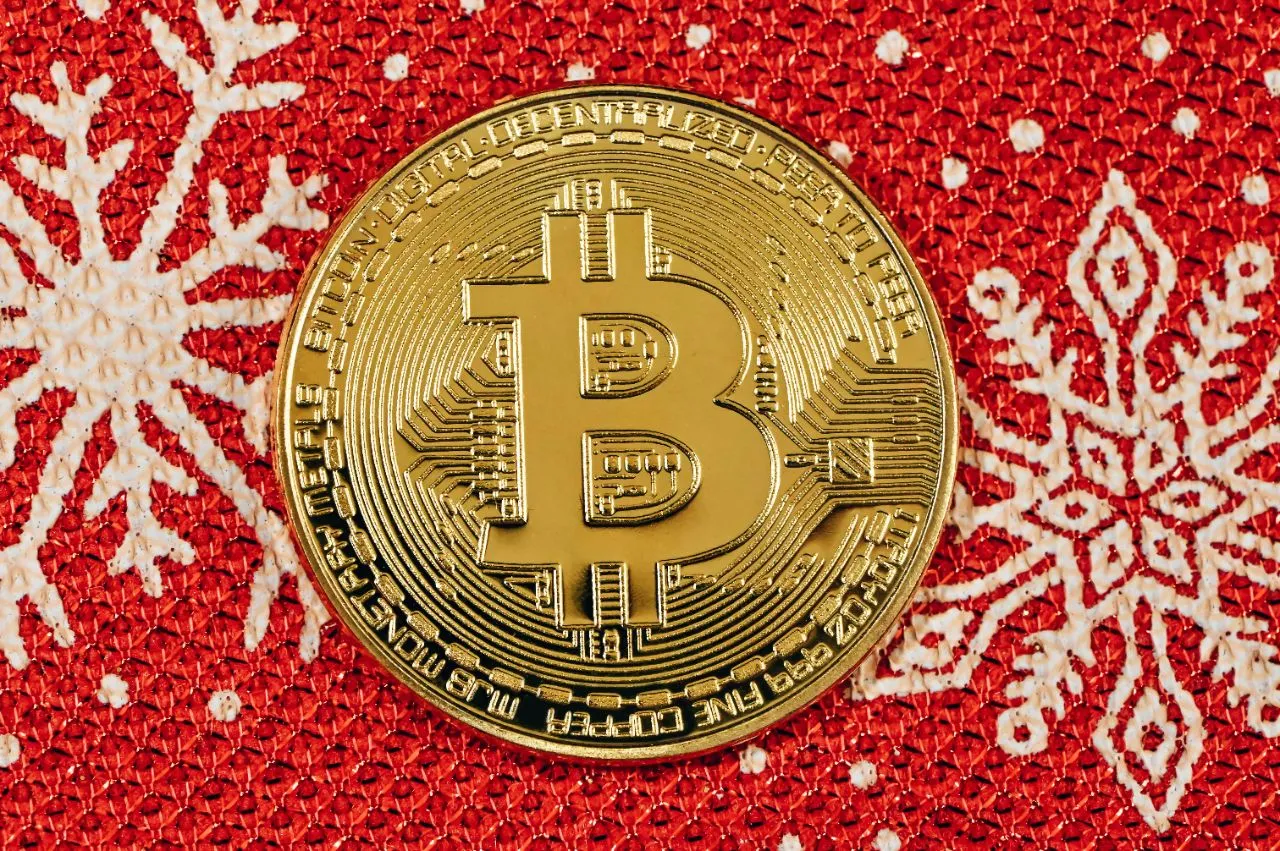
https://asset.coinness.com/en/news/e27ffa9a3747c984c0c63bf3b4c8b1ab.webp
Photo by Traxer on Unsplash

Bitcoin buying motivations

The firm outlined details of the planned purchase in a statement published on Nov. 25, following a meeting of the firm’s board of directors. Remixpoint justified its decision to purchase Bitcoin in light of widespread uptake by institutional investors of spot Bitcoin exchange-traded funds (ETFs) which were launched in the United States in January.


It suggested that there had been an uptick in holdings of the leading digital asset by corporations. Remixpoint cited the increase in the Bitcoin unit price since the Bitcoin halving event earlier this year, together with a positive outlook for the asset following a presidential election victory by Donald Trump in the U.S., as motives for the company to come to the decision to purchase Bitcoin.


However, this is not its first crypto purchase. The company first started to buy Bitcoin, as well as five other cryptocurrencies, in September, suggesting at the time that digital assets provided the company with a mechanism to diversify its holdings at a time when the value and buying power of the Japanese yen had been weakening. 


Including its latest announcement, Remixpoint has worked up total crypto investments to the value of 3.5 billion yen. According to Japanese crypto media publication Coinpost, on Nov. 20 the company held 215.76 Bitcoin (BTC), 9,674 Solana (SOL) and 228 Ether (ETH), with the remainder of its crypto portfolio consisting of Avalanche (AVAX), Dogecoin (DOGE) and Ripple (XRP).


Unrealized gains

The company is understood to be sitting on unrealized gains of approximately 810 million yen, given that Bitcoin has appreciated in value by around 68% since the beginning of September, with all other cryptocurrencies within Remixpoint’s portfolio having experienced unit price increases during that period also. 


In its latest statement, the company advised that while gains and losses related to its crypto portfolio had not been included within its latest consolidated earnings forecast, it will disclose any significant crypto gain or loss in the future if its deemed to have had a significant impact upon consolidated results.


Bitcoin corporate treasury adoption

The Japanese energy management firm has taken its place in a growing list of corporations that have put Bitcoin on their balance sheets in recent weeks. Earlier this week, it emerged that North American video streaming and cloud platform Rumble had made plans to allocate $20 million in excess cash reserves to the acquisition of Bitcoin.


The following day, Jiva Technologies, a Canadian Securities Exchange (CSX)-listed online wellness community builder, approved a $1 million Bitcoin purchase for its treasury.


Last week U.S. e-commerce platform LQR House approved the purchase of $1 million in Bitcoin as part of its treasury management strategy. Furthermore, the company committed to retaining up to $10 million in Bitcoin from crypto payments received via its CWSpirits.com platform. In the same week, AI-powered education company Genius Group established a Bitcoin treasury, acquiring 110 Bitcoin.


In the same week, Cosmos Health, a Nasdaq-listed pharmaceutical company, announced that it was adding Bitcoin and Ethereum to its balance sheet as hedges against inflation and as a diversification mechanism.

More to Read
View All
Policy & Regulation·

Aug 10, 2023

$120M Crypto Ponzi Scheme Exposed in India

$120M Crypto Ponzi Scheme Exposed in IndiaIn a recent crackdown, local authorities in the state of Odisha in India, have dismantled a massive $120 million cryptocurrency Ponzi scheme.That’s according to a report by local news agency ANI earlier this week. The operation led by the Economic Offences Wing (EOW) of the state police has resulted in the arrest of key individuals orchestrating the fraudulent endeavor. This latest development underscores the growing concerns around cryptocurrency scams and their detrimental impact on investors.Photo by Ayiman Mohanty on UnsplashSTA crypto tokenThe mastermind behind the Ponzi scheme had adeptly evaded capture by frequently changing locations. The scheme, operating across India, revolved around the STA crypto token, a digital asset at the heart of the fraudulent activities.Similar to the infamous OneCoin scandal, where billions were swindled from unsuspecting investors, the STA token scheme exploited victims who had invested in the token and then recruited others under the guise of a multi-level marketing initiative. Promised bonuses and extravagant returns were used as bait to lure individuals into the scheme, which eventually unraveled, leaving numerous investors financially devastated.Unregulated token offeringReports highlight that the STA token was not authorized by any regulatory body. This glaring absence of oversight enabled the scammers to continue their operations unchecked. The nature of the scheme involved recruiting victims in various Indian states who were promised substantial returns. These victims, in turn, were enticed to bring in new investors, creating a vicious cycle of recruitment and investment.The investigation into the scheme revealed that the STA token offering attracted individuals through aggressive promotional strategies. This allowed the scheme to establish a vast network across India, involving approximately 200,000 individuals. The victims were led to believe that their investments would yield significant bonuses and returns, a tactic that echoes the tactics used by OneCoin promoters.False claimsThe STA token was introduced in September 2021 and rapidly established a presence on social media platforms, presenting itself as a legitimate cryptocurrency. It falsely claimed to be a blockchain-based platform connecting users with local farmers. This facade lent an air of legitimacy to the scheme, effectively deceiving unsuspecting investors.The scheme’s audacity was further highlighted by a grand event hosted by STA criminal promoters in a luxurious hotel in Goa. This extravagant affair aimed to further legitimize the project and attract more victims.This incident adds to a series of cryptocurrency-related scams that have plagued India. The GainBitcoin scam, which came to light last year, led to the loss of over $1.25 billion for around 100,000 victims. The Indian authorities have responded by issuing public advisories warning citizens against falling victim to such schemes that promise quick wealth through cryptocurrency investments.In a recent parliamentary session, Minister of State for Finance Pankaj Chaudhary revealed that the Enforcement Directorate (ED) is actively investigating multiple instances of cryptocurrency-related fraud. These investigations have uncovered proceeds of crime amounting to over $130 million.

news
Web3 & Enterprise·

Sep 23, 2025

First Toyota vehicle in Bolivia purchased with USDT as inflation bites

In a first for Bolivia, Japanese automaker Toyota saw one of its vehicles purchased with the stablecoin USDT, according to a recent X post by digital asset trust company BitGo. The transaction underscores growing cryptocurrency adoption in the Latin American country, which is grappling with soaring inflation and a shortage of U.S. dollars. The transaction was facilitated by a partnership between Toyosa (the official Toyota distributor in Bolivia), BitGo, and Tether, the issuer of the USDT stablecoin. The sale highlights the increasing use of digital assets for commercial and retail payments, as the global stablecoin market cap recently reached an all-time high of $293 billion at the time of publication. Confirming the milestone, Tether CEO Paolo Ardoino stated on the social media platform X that, in addition to Toyota, the USDT stablecoin is now also accepted by distributors of BYD and Yamaha vehicles in Bolivia.Photo by Christina Telep on UnsplashCrypto use surges amid inflation and dollar shortage The development comes as Bolivia faces 25% inflation, the highest in 34 years. With the local economy under pressure, many Bolivians are moving their money into cryptocurrencies in an effort to protect their savings, according to Bloomberg. U.S. dollars have become increasingly scarce. Unofficial exchange rates have jumped to 14 bolivianos per dollar, nearly twice the government's rate. That gap is pushing people toward stablecoins like USDT, which are easier to access and hold their value. The shift is already showing up in payment trends. Digital transactions surged more than fivefold in the first half of 2025, reaching nearly $300 million. Regional adoption and Toyota’s blockchain pushThe rise in crypto use in Bolivia is part of a broader shift across Latin America. According to a recent report from analytics firm Chainalysis, crypto adoption in the region jumped from 53% to 63% in the 12 months ending June 2025. The only region to outpace this growth was Asia-Pacific, which saw a 69% year-over-year increase. El Salvador stands as another prominent example in the region, having adopted Bitcoin (BTC) as legal tender in September 2021 and currently holding over 6,300 BTC in its treasury. Separately, Toyota Motor Corporation has been actively exploring applications for blockchain technology. In March, its subsidiary Toyota Financial Services, in collaboration with Daiwa Securities and MUFG Bank, launched its first security token bonds on Progmat, a platform founded by MUFG with backing from other big banks like Sumitomo Mitsui Banking Corporation (SMBC) and Mizuho. The initiative is aimed at strengthening the Toyota Group’s ties with individual investors and supporting the growth of the digital bond market. 

news
Policy & Regulation·

Dec 16, 2023

Coins.ph leads Digital Asset Exchange Alliance in Southeast Asia

Coins.ph leads Digital Asset Exchange Alliance in Southeast AsiaCoins.ph, a leading Filipino cryptocurrency exchange, has taken a step towards promoting responsible and secure cryptocurrency usage in Southeast Asia through the establishment of the Digital Asset Exchange Alliance (DAEA).Photo by Mike L on UnsplashRegional industry partnershipIn a press release published on Friday, the company announced the formation of the industry body. The strategic partnership includes other prominent licensed exchanges in the region, namely Coinhako (Singapore), Indodax (Indonesia) and Bitkub (Thailand).Wei Zhou, CEO of Coins.ph, expressed enthusiasm about the collaborative effort, stating:“Coins.ph is excited to work with our Southeast Asian counterparts in advancing the responsible and secure use of cryptocurrencies and promoting the development of user-friendly and compliant products for users.”Zhou emphasized the belief that the alliance’s combined efforts would contribute to building a more robust and resilient cryptocurrency ecosystem in Southeast Asia.Unifying licensed exchangesThe DAEA represents a milestone in unifying licensed exchanges across the Southeast Asian region, aiming to enhance regulatory advocacy by leveraging the collective expertise and experience of the four founding exchanges. It seeks to foster collaboration by sharing protocols and best practices to elevate service quality and bolster security measures.Educating users about the benefits of trading on licensed exchanges and the importance of following regulatory guidelines is a core commitment of the Alliance. This extends to promoting financial literacy, consumer protection and responsible trading practices in the cryptocurrency space.The cryptocurrency sector has experienced an outsized proportion of scams and fraud. Within that, Southeast Asian crypto users and platforms have been hardest hit, with instances in recent months of malicious activity across the region, from pig butchering scams to exchange hacks and crypto-related phishing. Regulators have started to counteract such problems, but a level of greater organization within crypto through bodies like the DAEA will go some way further towards protecting crypto users.Building a safer ecosystemYusho Liu, CEO of Coinhako, highlighted the significance of the Alliance for the entire cryptocurrency industry, emphasizing the role of licensed exchanges in fostering trust and growth. He stated:“By collaborating with Coins.ph, Indodax, and Bitkub, we are taking a monumental step towards building a safer and more transparent ecosystem for users in the region.”As the blockchain space evolves with a growing emphasis on regulatory compliance, Coins.ph, along with Coinhako, Indodax and Bitkub, has distinguished itself by prioritizing security and trust through obtaining licenses from their respective regulatory bodies.Moving towards self-regulation2022 brought with it some spectacular crypto platform failures such as FTX, which affected locations like Singapore disproportionately. A regulatory backlash has resulted in 2023, and it is amid that backdrop that we are seeing increasing efforts towards better organization and self-regulation within the crypto sector.The formation of the Digital Asset eXchange Alliance in South Korea, involving a consortium of the top five exchange businesses in the country in July of this year, is a stand-out example. In Taiwan, regulators have been actively fostering self-regulation. Those efforts have resulted in the establishment of an industry group of Taiwanese Exchanges.

news
Loading