Top

Hong Kong Embraces Web3 Development with Dedicated Task Force

Policy & Regulation·July 04, 2023, 12:55 AM

Hong Kong has taken another step towards embracing the potential growth of the crypto industry by creating a dedicated task force for Web3 development.

Led by Financial Secretary Paul Chan, the task force, which was announced on Friday, consists of 15 non-official members, including university professors and entrepreneurs. As official members, government officials and financial regulators are involved.

Financial Secretary Chan expressed his optimism about blockchain technology, the foundation of Web3, highlighting its potential for innovation through features such as disintermediation, security, transparency, and cost-efficiency. The task force envisions Web3 as a solution to challenges faced in sectors like finance, trade, business operations, and everyday life.

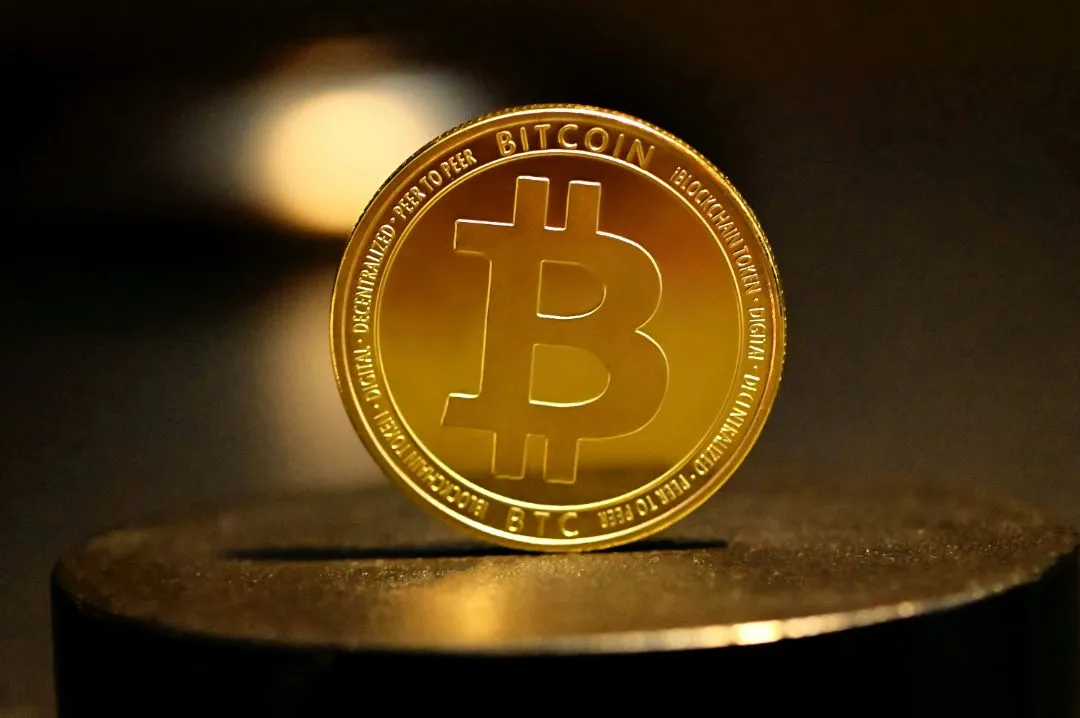
Photo by Shubham Dhage on Unsplash


Multi-agency participation

Notable members of the task force include the CEOs of the Hong Kong Monetary Authority (HKMA), Securities and Futures Commission (SFC), and Hong Kong Exchanges and Clearing. Their presence demonstrates the commitment of top finance regulators in Hong Kong to the Web3 initiative. Additionally, Yat Siu, chairman of metaverse firm Animoca Brands, joins as a non-official member, bringing diverse perspectives to the table.

Financial Secretary Chan emphasized Hong Kong’s ambition to become a significant player in the Web3 space. The city-state aims to support companies and nurture local talent within the ecosystem. This initiative aligns with Hong Kong’s long-term vision for crypto development, as set out in a policy document released last October. It’s the latest in a whole series of measures officials have taken since then to further that crypto ambition.


Strategic positioning

By establishing the Web3 task force, Hong Kong seeks to position itself as a prominent hub for crypto activities. The city-state recognizes the potential economic benefits and job opportunities associated with the crypto industry. The task force’s diverse composition reflects the government’s intention to collaborate with stakeholders from various sectors and gather insights from academia, government bodies, and industry experts.

Furthermore, the task force aims to create a supportive environment for digital asset development. Hong Kong’s financial regulators have been actively working on regulatory frameworks to ensure investor protection and promote market integrity.

While it is still in the early stages, global crypto exchanges like Huobi, OKX, and BitMEX have recently expressed their intentions to establish a presence in Hong Kong. This indicates growing interest in the city-state’s crypto potential and validates the government’s efforts to position Hong Kong as a welcoming and conducive environment for crypto-related businesses.

With its commitment to fostering digital asset development, Hong Kong demonstrates a forward-thinking approach to leverage the benefits of blockchain technology and position itself as a thriving ecosystem for Web3 innovation.

The collaboration between academic, governmental, and regulatory stakeholders sets the stage for the Chinese autonomous territory to capitalize on the opportunities presented by the evolving crypto space. Hong Kong’s proactive stance and the establishment of the Web3 task force reinforce its position as a global financial hub and a front-runner in embracing emerging technologies for future economic growth.

More to Read
View All
Web3 & Enterprise·

Sep 15, 2023

Galaxia Metaverse Teams Up with Rotonda to Expand Blockchain Ecosystem

Galaxia Metaverse Teams Up with Rotonda to Expand Blockchain EcosystemGalaxia Metaverse, a blockchain company under Galaxia Moneytree, said Thursday that it has signed a strategic partnership deal with Rotonda, a subsidiary of Korean crypto exchange Bithumb and the operator of the Web3 digital wallet Burrito Wallet.Photo by Shubham’s Web3 on UnsplashBolstering the blockchain ecosystemThrough this new collaboration with Rotonda, Galaxia Metaverse aims to establish a cooperative framework for expanding the blockchain ecosystem by seamlessly integrating their respective blockchain-based Web3 wallets, Galaxia Wallet and Burrito Wallet, into the on-chain environment to secure on-chain liquidity and more users. Burrito Wallet supports 11 major mainnets, such as Bitcoin, Ethereum, Solana, and Polygon, as well as over 1,300 cryptocurrencies.The two companies also plan to leverage Rotonda’s global business network to increase the user base of Galaxia Wallet.Advancing on a global scaleThis comes as part of Galaxia Metaverse’s ongoing efforts to expand its presence on the global stage through collaborations with various partners, including Gopax, MVL, Elysia, Klaytn, and Bithumb. The partnership also marks another significant step in the evolution of the blockchain and metaverse industry, as companies continue to forge alliances both domestically and abroad to create more accessible and integrated virtual ecosystems.Meanwhile, Rotonda recently signed a memorandum of understanding (MOU) with global metaverse platform The Sandbox to support wallet integration within The Sandbox’s platform. The company also teamed up with blockchain gaming platform Oasys in further efforts to expand its global business scope.

news
Policy & Regulation·

Mar 26, 2024

Philippines follows through on Binance ban

The Philippines' financial regulator announced that it is implementing what amounts to a ban on Binance in the Southeast Asian nation by blocking local access to the leading global cryptocurrency exchange. This decision, publicized via a press release on March 25, comes as the Securities and Exchange Commission (SEC) raised concerns last November over Binance's operations in the country, citing a lack of necessary licenses for certain investment products. According to the press release, the SEC revealed that it sought assistance from the National Telecommunication Commission (NTC) to enforce the ban, expressing worries about the security of Filipino investors' funds on the platform. In a letter addressed to the NTC, SEC Chairman Emilio Aquino stated:"The SEC has identified the aforementioned platform and concluded that the public's continued access to these websites/apps poses a threat to the security of the funds of investing Filipinos.”Photo by Krisia on PexelsA similar move was taken last December by the Financial Intelligence Unit (FIU) in India, as it acted to block access to what it deemed to be non-compliant global crypto exchanges. Unlicensed servicesThe SEC alleges that Binance offers services like leveraged trading and crypto savings accounts without the required licenses, violating the country's Securities Regulation Code. Consequently, the ban is set to be implemented within three months, allowing investors time to exit their positions held through Binance. Furthermore, the SEC has requested Google and Meta to restrict Binance-related advertisements targeted at Filipino users on their platforms, extending the regulatory measures to online advertising as well. A similar stance was taken by authorities in Thailand last August with the Ministry of Digital Economy and Society (MDES) engaging in talks with Facebook in an effort to curb questionable crypto-related advertising on the platform. Regulatory setbackThis move by the Philippines' financial watchdog marks another regulatory setback for Binance, which has faced increasing scrutiny globally. In December 2023, a U.S. court ordered Binance to pay significant fines to the Commodity Futures Trading Commission (CFTC) for evading federal law and operating an illegal derivatives exchange. As part of the settlement, Binance's former CEO, Changpeng Zhao (CZ), agreed to step down from his position, with Zhao also facing civil and criminal charges related to anti-money laundering laws. The SEC's cautionary stance against Binance dates back to November 2023, shortly after Zhao's legal troubles in the U.S. emerged. At that time, the SEC expressed its intention to ban Binance in the Philippines, though the execution was postponed due to changes in the leadership of the regulatory body. Notably, Kenneth Stern, who headed up Binance's operations in the Philippines, exited the company in July 2023, amidst mounting regulatory pressures and legal challenges. Binance had seen many leading executives part ways with it in the lead-up to the company’s settlement with the U.S. Department of Justice (DoJ) last year. With regulatory actions tightening around Binance globally, the future of the exchange in various jurisdictions remains uncertain. The ban in the Philippines adds to the ongoing regulatory challenges faced by the company and underscores the growing importance of compliance within the cryptocurrency industry.

news
Web3 & Enterprise·

Nov 08, 2023

Korean crypto firms relocating for cheaper rent amid prolonged crypto winter

Korean crypto firms relocating for cheaper rent amid prolonged crypto winterAs the prolonged crypto winter continues to affect the industry, blockchain and cryptocurrency firms in South Korea are under pressure to economize. Faced with a deteriorating business and investment climate, numerous companies are reducing their office space and relocating to areas with cheaper rent, according to a Wednesday (local time) report by local media outlet Bizwatch.Photo by Nastuh Abootalebi on UnsplashReducing operating costsBizwatch reported, citing industry sources, that Parameta (previously Iconloop), a blockchain enterprise, has relocated its headquarters from Seoul’s upscale Signature Towers to a more economical shared office space this year. This strategic move is interpreted as an effort to slash operating costs by choosing a location with significantly lower rental expenses. A Parameta representative confirmed that the relocation was part of measures to reduce costs.Binance-backed Streami, which runs the Gopax cryptocurrency exchange, is also reportedly contemplating an office relocation after downsizing its staff. The company’s workforce has dwindled from over 100 employees earlier in the year to approximately 60 by September. A Streami spokesperson has indicated that they have yet to reach a decision regarding the relocation. Streami’s situation is particularly significant due to its ongoing challenges in securing approval from financial regulators for changes to its executive representatives since Binance acquired a majority stake. Recently, Streami appointed a new CEO from the domestic tech firm CityLabs, which has also purchased an 8.55% stake in Streami and intends to further increase its investment in the exchange operator.Similarly, Korea Digital Exchange, the operator of cryptocurrency-only exchange Flybit, has listed for sale one of its two floors of office space in Seoul’s Seocho district. This move comes nearly a year and eight months after the company expanded into the current premises.Changes in workforce sizesBefore the crypto winter, when the Korean crypto market witnessed unprecedented growth, numerous companies expanded their offices to make room for the growing workforce, bolstered by rising revenues. For instance, Dunamu, which runs Upbit — Korea’s largest crypto exchange — garnered attention for acquiring pricey real estate in Gangnam to construct a new office.However, the boom was short-lived. With the onset of the crypto downturn, numerous companies found themselves having to shut down. Blockchain technology firms are facing similar challenges, with many developers steering away from the sector due to persisting market instability. For many of these firms, the workforce has diminished as they’ve either undergone restructuring or struggled to recruit replacements for departing employees.An industry insider remarked that reducing operating costs is a logical step for companies facing a lack of investment and revenue. They noted that this only applies to those resilient enough to weather the hardship, adding that many cryptocurrency-only exchanges are likely to shut down completely in these challenging conditions.In fact, Cashierest, a crypto-only exchange, recently announced the cease of operations. Concerns about the company had been growing after staff layoffs and the departure of its CEO in July. A thorough analysis by the Financial Intelligence Unit (FIU) of the Financial Services Commission (FSC) found that, of the 21 Korean crypto-only exchanges, 18 are operating with negative shareholder equity as of the first half of this year. Moreover, 10 did not earn any revenue from transaction fees during the same period.Crypto-only exchanges typically see lower trading volumes as they cannot facilitate trades in Korean won. In South Korea, only five trading platforms — Upbit, Bithumb, Coinone, Korbit and Gopax — are officially registered with the financial regulator to conduct fiat-to-crypto transactions.

news
Loading