Top

Beosin Report: Crypto Rug Pulls Surpass DeFi Exploits in May

Markets·June 03, 2023, 6:32 AM

According to a recent report by blockchain security firm Beosin, losses from “rug pulls” or “exit scams” in the cryptocurrency space exceeded the amount stolen from decentralized finance (DeFi) projects during the month of May.

The report, published on June 1 by Beosin Blockchain Security, revealed that rug pulls and scams resulted in losses of over $45 million across six incidents during the month. Beosin is headquartered in Chengdu, in China’s Sichuan province. The firm uses formal verification methods to secure smart contracts.

In general there were 22 security incidents in the digital assets space over the course of the month. That overall figure accounts for losses totaling $20 million, and represents a vast improvement on the previous month.

Three of the incidents were accounted for by security issues related to hardware wallets such as the Trezor and imKey wallets. Six were rug pulls/crypto scams, two were crypto crime incidents while another implicated a critical vulnerability relative to zero-knowledge proof technology.
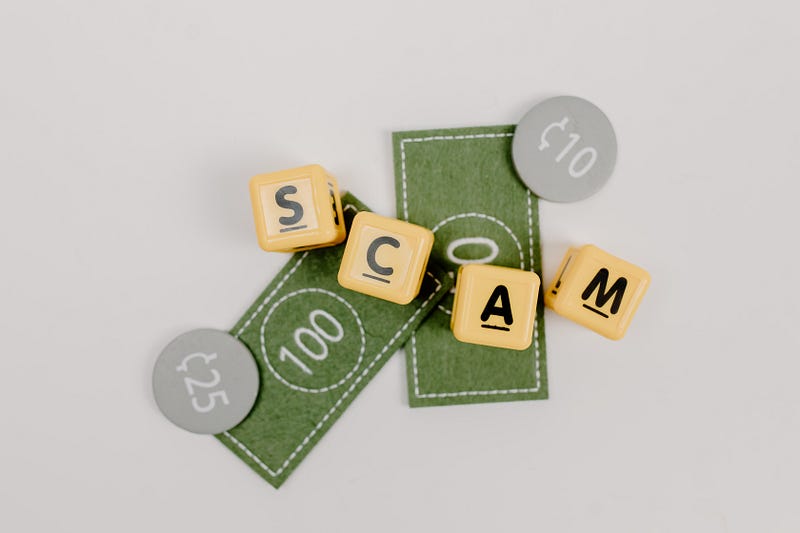
Photo by Tara Winstead on Pexels


DeFi protocol attacks

In contrast, there were 10 attacks on DeFi protocols, amounting to $19.7 million in stolen funds. This figure represents a significant decrease of nearly 80% compared to April, and the losses from these types of exploits had been declining for two consecutive months, as per Beosin’s findings.

The largest rug pull incident in May involved the alleged disappearance of $32 million associated with the crypto project Fintoch on May 24. Meanwhile, the largest attack on a DeFi platform was a $7.5 million breach targeting Jimbos protocol, according to Beosin’s report.


Shifting hacker strategy

Beosin noted a shift in the targeting strategy of hackers and scammers, who are now increasingly focusing their attacks on ordinary users rather than various project parties. To mitigate risks, the report recommended that crypto users enhance their anti-fraud awareness, conduct thorough due diligence before investing in projects, and learn how to improve the security of their digital assets.

The report also issued a warning against using shared or public charging devices for mobile phones. Beosin highlighted the potential risks associated with these devices, as they could be manipulated to inject malicious programs that compromise private keys. This caution aligns with a similar advisory issued by the United States Federal Bureau of Investigation (FBI) in April.

The FBI’s Denver office cautioned against using public USB ports, including those found at airports, due to the potential introduction of malware and monitoring software onto devices. Instead, they suggested carrying a personal charger and USB cord for use with electrical outlets.

As the cryptocurrency landscape continues to evolve, it is crucial for users to remain vigilant and proactive in safeguarding their investments. With the rise of rug pulls and the ongoing threats in the DeFi space, staying informed, exercising caution, and adopting robust security measures are essential for protecting one’s digital assets in this rapidly changing industry.


More to Read
View All
Policy & Regulation·

Oct 23, 2023

Dunamu’s Legal Team Recognized by Korean Police for Cyber Security Contributions

Dunamu’s Legal Team Recognized by Korean Police for Cyber Security ContributionsDunamu, the blockchain and fintech company behind South Korea’s largest cryptocurrency exchange Upbit, recently announced a noteworthy security achievement. At the 16th Cyber Security Awards organized by the Korean National Police Agency (KNPA), the leader of Dunamu’s Legal Team 3 was recognized with the KNPA Commissioner General’s Certificate of Appreciation. This accolade was in acknowledgment of the legal officer’s pivotal role in fostering collaboration between the private sector and police to combat the rising tide of cryptocurrency-linked crimes.Photo by Franck on UnsplashSupport guides and educational resourcesDunamu stands out as the only Korean virtual asset service provider (VASP) to have an employee distinguished in this manner this year. It’s worth noting that Dunamu’s legal teams have been proactively cooperating with law enforcement, providing them with investigation support guides and educational resources.A representative from Dunamu’s legal teams expressed gratitude to all team members for their collaborative efforts in combating virtual asset-related crimes and appreciated the recognition for their achievement. The official further emphasized Dunamu’s ongoing dedication to maintaining close cooperation with police and investigative bodies, aiming to cultivate a healthy virtual asset ecosystem.Awards since 2008The Cyber Security Awards were established in 2008 to recognize and honor those making significant contributions to cyberspace security. The awards not only motivate cyber police officers but also aim to bolster collaboration between the police and the private sector.This year, 27 distinguished individuals — including police officers, civil servants, and ordinary citizens — were recognized at the ceremony held on October 19 in Songdo Convensia, Incheon. They received commendations and certificates of appreciation for their contributions in areas ranging from cybercrime investigation and prevention to digital forensics.

news
Policy & Regulation·

Feb 12, 2025

Japan orders Apple, Google to remove unregistered crypto exchange apps

Japan’s Financial Services Agency (FSA), a government agency and financial regulator responsible for overseeing banking, securities and exchange, has ordered both Apple and Google to remove specified unregistered crypto exchange apps from the Japanese versions of their app stores.Photo by Louie Martinez on UnsplashFive exchange apps specifiedIt is understood that the request was made at the beginning of this month, with the regulator specifically calling for the removal of the ability of Japanese consumers to download apps related to Bybit, MEXC Global, LBank Exchange, KuCoin and Bitget. In response to a query from The Block, Bitget Chief Legal Officer (CLO) Hon Ng said that the company is “aware of the issue and sincerely apologize for any inconvenience caused by the temporary removal of the Bitget app from the iOS App Store in Japan." The Bitget CLO went on to state that the company is working with Apple and regulators to resolve the matter. News of the regulator’s request emerged via a report published by Japanese financial media platform Nikkei on Feb. 7.  Apple had removed the apps from its App Store on Feb. 6. Reclassification of digital assets as securitiesA subsequent report by Nikkei on Feb. 10 suggests that the FSA is considering classifying digital assets as financial products akin to securities. The objective of the move is to protect Japanese investors as it would mean increased disclosure requirements from those that offer crypto-related investment products. Last August, FSA Commissioner Hideki Ito told Bloomberg that any decision to approve crypto-linked exchange-traded funds (ETFs) requires “careful consideration.” At the time Ito said that many people believe that digital assets “do not necessarily contribute to the wealth creation of the Japanese people in a stable and long-term manner.” The Japanese have been far more cautious in their approach to virtual assets by comparison with other Asian centers such as Hong Kong, which had approved spot Bitcoin and Ether ETFs some time ago. It appears that Japan’s FSA is wary of the volatility of cryptocurrencies and risks associated with the nascent assets. It’s understood that the FSA will announce crypto policy reforms by June 2025. Legislative amendments would then follow in the following parliamentary session in 2026. The change would mean a lifting of the current prohibition related to crypto ETFs. Another aspect likely to be reformed is taxation as it relates to crypto. It’s thought that a reduction from the existing 55% tax rate on crypto to 20% is on the cards. This is not the first occasion when a regulator has leaned on Apple and Google to cut off access to crypto exchange apps. In January 2024 Apple India blocked access to eight exchanges which had been subject of a show-cause notice from India’s Financial Intelligence Unit (FIU). Following a seven month ban, access to the Binance app was subsequently restored once it had come back into compliance in India. In April 2024 the Securities and Exchange Commission (SEC) in the Philippines had ordered both Google and Apple to remove the Binance app from their app stores on the basis that it posed a risk to Filipino investors at the time.

news
Web3 & Enterprise·

Aug 09, 2023

NEOPIN and SBINFT Join Forces to Expand DeFi and NFT Ecosystems

NEOPIN and SBINFT Join Forces to Expand DeFi and NFT EcosystemsNEOPIN, the global CeDeFi platform of South Korean investment holding company Neowiz Holdings, announced today its strategic partnership with SBINFT, the NFT marketplace developer and Web3 subsidiary of Japanese online financial conglomerate SBI Holdings.Photo by Markus Winkler on PexelsExtending their global reachThrough this partnership, the two companies will combine their individual expertise to enhance the global reach of each other’s ecosystems. Their strategy involves facilitating the introduction of established NFT projects from regions such as South Korea, the Middle East, and Southeast Asia into the Japanese market. Additionally, they will collaborate to offer both financial and technical assistance to promising Japanese Web3 initiatives, enabling them to expand internationally.Web3 projects and utility NFTsTo achieve this objective, NEOPIN will onboard a diverse range of Web3 projects to its ecosystem, thereby broadening their adoption and appealing to a worldwide user base. Meanwhile, SBINFT will proactively seek to bring utility NFTs into its NFT marketplace.NEOPIN’s partnership with SBINFT is a strategic step in its plan to enter the Japanese market. Just recently, the South Korean enterprise revealed its proactive approach to intensify endeavors to attract a Japanese customer base.Kim Yong-ki, NEOPIN’s CEO, mentioned that the collaboration with SBINFT represents one of their initial endeavors to penetrate the Japanese market. Kim further stated that NEOPIN is dedicated to achieving favorable outcomes not only within Japan but also across the East Asian region.Ko Jang-deok, CEO of SBINFT, echoed this sentiment, expressing that NEOPIN possesses a robust strategy tailored for the Japanese market. He mentioned that the partnership with such a company will help SBINFT introduce international content to the Japanese market. Ko highlighted SBINFT’s commitment to extending its presence in the East Asian market.

news
Loading