Top

Hong Kong SFC CEO Prioritizes Investor Protection in Crypto Regulations

Policy & Regulation·May 31, 2023, 4:03 AM

According to a report by Chinanews, Julia Leung, Chief Executive Officer of the Hong Kong Securities and Futures Commission (SFC), participated in a seminar organized by the Hong Kong Academy of Finance (AoF). During the event, she emphasized the importance of investor protection in the formulation of guidelines for operators of virtual asset trading platforms.
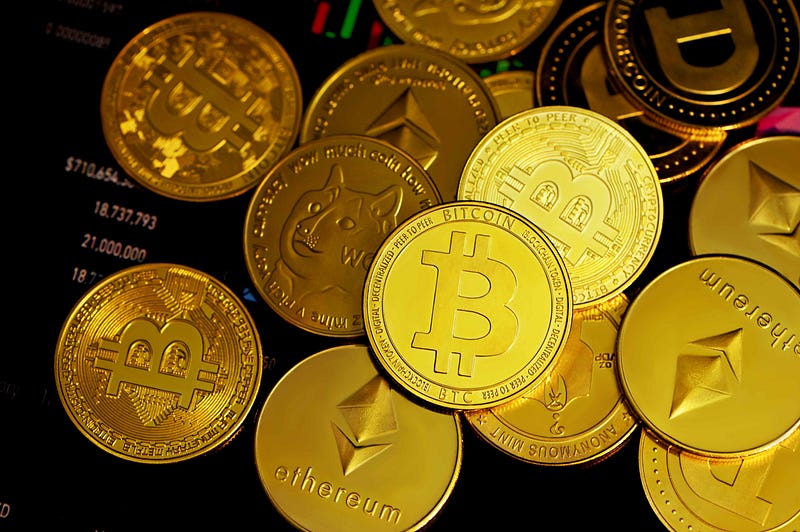
Photo by Kanchanara on Unsplash


Development of crypto in Hong Kong

At the seminar yesterday, Leung discussed the development of virtual assets in the special administrative region of China. She recalled the pushback the SFC received in 2018 when it first proposed regulations for virtual asset trading platforms. Critics argued that the licensing system, demanding applicants to comply with stringent internal control and investor protection standards, might compel fintech companies to relocate their operations to other jurisdictions, such as Singapore.


Market recognition of crypto regulations

Despite initial criticism, the market came to appreciate the importance of these regulatory standards, especially after witnessing the bankruptcy of several overseas cryptocurrency organizations.

The guidelines for operators of virtual asset trading platforms in Hong Kong are set to take effect in June. Leung mentioned that these guidelines match market expectations and place emphasis on protecting investors. They encompass regulations for virtual asset custody, the segregation of client assets, and the avoidance of conflicts of interest. She also expressed satisfaction with the SFC’s role as a leading regulator in the virtual asset space.


Crypto exchange rating

Meanwhile, Chinese blockchain news media Jinse Finance reported today the official establishment of the Hong Kong Virtual Asset Consortium (HKVAC), a private entity that rates virtual assets.

It has also launched a virtual asset index and will introduce a virtual asset exchange rating system. The HKVAC Large Market Cap Cryptocurrency Index comprises the 30 leading cryptocurrencies by market capitalization. The index will be reviewed quarterly on the last day of each quarter (March, June, September, and December). The Virtual Asset Exchange Rating System will assess the credibility of trading platforms and enhance transparency and accountability in the virtual asset trading market.

HKVAC was established by a team of industry experts and professional rating agencies. It brings together key stakeholders in the virtual asset industry, such as big data firms, exchanges, and institutional investors, along with the city’s licensed rating agencies. HKVAC aims to cultivate a secure environment for crypto investments and enhance the public’s understanding of virtual assets.
More to Read
View All
Policy & Regulation·

Aug 19, 2023

Taiwan Proposes New Crypto Business Category

Taiwan Proposes New Crypto Business CategoryWith regulation having trailed the crypto innovation, more recently it seems like every day brings further developments, with the latest installment seeing Taiwan take a significant step forward. Officials in Taipei are proposing the classification of crypto regulations within their own novel business category.Photo by Jack Brind on UnsplashFostering self-regulationThe move aims to potentially allow cryptocurrency-related companies to establish industry associations, ultimately fostering the creation of self-regulatory guidelines. The Ministry of Economic Affairs, in a recent announcement, unveiled its draft amendment to the Standards of Classification of Commercial Group regulations. This proposed amendment centers on the inclusion of a distinct category for digital asset services.An official from the economic ministry informed The Block that the freshly introduced business category outlines the scope of operations within the cryptocurrency sector. This encompasses various activities, such as cryptocurrency to fiat or digital token exchanges, facilitating cryptocurrency transfers, offering services for crypto storage and management, and providing assistance related to cryptocurrency issuance or sales.The official further elaborated that cryptocurrency firms will be permitted to form industry associations once the proposed business category is successfully incorporated into the relevant regulations. Seeking public input, the ministry anticipates finalizing the amendment in collaboration with the Ministry of the Interior in either mid- or late-October.Encouraging trade associationsBy allowing the establishment of industry associations, cryptocurrency companies can proactively devise self-supervisory rules that address industry-specific challenges and concerns. This move is anticipated to bolster transparency, security, and responsible conduct within the cryptocurrency ecosystem.Taiwan’s approach to virtual asset services providers (VASPs) has mandated compliance with anti-money laundering laws since the implementation of anti-money laundering regulations by the Financial Supervisory Commission in July 2021. However, the overall industry remains relatively unregulated within the country.Binance, the world’s largest cryptocurrency exchange, has recently embarked on the process of obtaining registration for anti-money laundering compliance under the FSC.Regulatory guidelines being draftedAs the regulatory landscape evolves, Taiwan’s FSC, which assumed its role as the principal regulator overseeing the crypto industry in March, is actively formulating comprehensive guidelines. These guidelines will cover trading and payment aspects associated with cryptocurrencies for VASPs.An FSC official revealed that the agency plans to unveil the VASP guidelines by the end of September. It’s understood that the guidelines will comprise thirteen regulatory principles. It’s believed that the issuance of crypto assets will be permitted but that stablecoin issuance will be prohibited. One prerequisite for the issuance of digital assets will be a requirement to accompany that issuance with a comprehensive whitepaper, detailing fundamental and necessary information that investors can review, relative to the token offering.Taiwan’s proposition of a novel business category signifies a pivotal move towards enhanced self-regulation and industry cohesion within the cryptocurrency sector. As the regulatory framework takes shape, the introduction of self-regulatory guidelines is poised to contribute to the responsible growth of the cryptocurrency industry in Taiwan.

news
Web3 & Enterprise·

Nov 06, 2023

Korbit and Shinhan Bank hold seminar to strengthen suspicious crypto transaction reporting

Korbit and Shinhan Bank hold seminar to strengthen suspicious crypto transaction reportingKorbit, one of the top five cryptocurrency exchanges in South Korea, revealed on Monday (local time) that it conducted a seminar in collaboration with Shinhan Bank last month aimed at enhancing the effectiveness of suspicious transaction report (STR) filings.Photo by Nick Fewings on UnsplashEnhancing suspicious transaction reportingThe seminar held at Korbit’s premises was a collaborative forum where experts from both the exchange and Shinhan Bank exchanged insights and engaged in a question-and-answer session. The agenda covered areas such as the writing of STR reports, monitoring based on particular themes and the education of staff members. The gathering featured key participants, including Jin Chang-hwan, Compliance Officer of Korbit, and Yoo Jung-yeol, Head of the Digital Assets Team at Shinhan Bank as well as personnel from both organizations involved in anti-money laundering (AML) initiatives.Focus on complianceEarlier this year, Korbit and Shinhan Bank held a meeting to go over the Financial Intelligence Unit’s (FIU) comprehensive evaluation of virtual asset service providers (VASPs). This evaluation examined how well VASPs complied with the Travel Rule. Additionally, the meeting allowed both organizations to exchange ideas on how to enhance their compliance processes. In a move ahead of the industry, Korbit in September became the first Korean crypto exchange to adopt new rules for real-name bank accounts, a policy that will become mandatory in January of the following year.Oh Se-jin, Korbit’s CEO, highlighted the increasing significance of filing STRs, citing recent FIU data that showed VASPs submitted more STRs in the first three quarters of this year than in the entirety of last year. He affirmed Korbit’s dedication to establishing itself as a secure and reliable cryptocurrency exchange through ongoing collaborations with Shinhan Bank.Meanwhile, Korbit has managed to cut down the review period for STRs to a third of its previous duration. Additionally, the exchange verifies the effectiveness of its STR rules by performing monthly evaluations and seeking advice from external consultants.

news
Web3 & Enterprise·

Sep 07, 2023

Lotte Group’s Bellygom NFT Project Garners Global Fanbase of Over 300K

Lotte Group’s Bellygom NFT Project Garners Global Fanbase of Over 300KDaehong Communications and Lotte Homeshopping shared yesterday that their NFT project has now garnered a global fanbase exceeding 300,000 members. The two companies are subsidiaries of South Korean industrial conglomerate Lotte Group.Photo by Khinaii van Laren on UnsplashPartnership initiatives as global expansionTheir NFT initiative, operated by the group’s marketing arm Daehong, is based on Bellygom, the pink bear character representing Lotte Homeshopping. As part of its global strategy, the Bellygom NFT project has formed partnerships with various international projects and has been actively involved in communication efforts. Notably, Bellygom’s X (formerly Twitter) account, created earlier this year, has attracted 100,000 followers within a span of five months.At the end of last month, Daehong successfully completed the minting of Bellyland, the second NFT collection of the Bellygom project. The minting event was accompanied by Jelly Adventure, a universe where users can participate in a wide range of missions and games to earn “Bubble Gums.” Notably, Jelly Adventure is not only accessible to Bellyland NFT holders but also to those of other projects such as YogaPetz and Mocaverse.It’s worth highlighting that the minting event achieved the sale of over 5,000 NFTs, even during a period of reduced activity in the NFT market. Despite the declining minting prices and quantities, it managed to raise over 750,000 MATIC.Joining of new international usersAdditionally, the minting event attracted new international users to the Bellygom project, underlining its sustainability. The successful debut of Bellyland NFTs has significantly contributed to the project’s global expansion and presence.Furthermore, Daehong is pursuing a range of initiatives aimed at cultivating a fan-centric ecosystem with the ultimate objective of driving broader adoption of Web3 technologies. With the belief that the fanbase provides a strong foothold for the brand’s growth, the marketing firm plays a crucial role in facilitating the introduction of the Bellygom brand to the Web3 space. To this end, Daehong is constructing a universe with a story that embodies the brand’s identity while seamlessly integrating it with conventional marketing strategies.

news
Loading