Top

Two Asian nations turn down spot bitcoin ETFs

Policy & Regulation·January 19, 2024, 2:50 AM

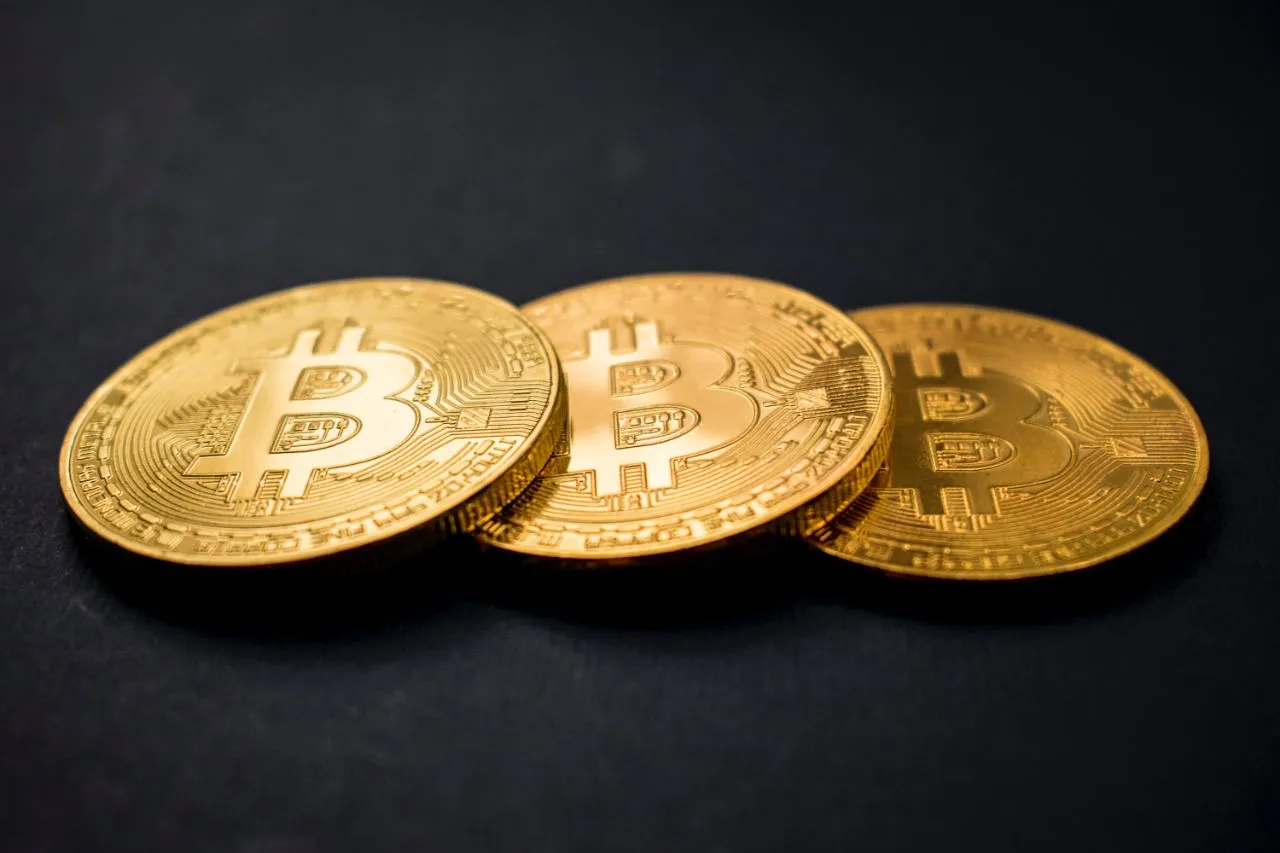
In a contrasting move to the recent approval of several spot bitcoin exchange-traded funds (ETFs) by the U.S. Securities and Exchange Commission (SEC), regulators in both Singapore and Thailand have turned down permission to list spot bitcoin ETFs.
https://asset.coinness.com/en/news/5c20fe2ebeb33d6997e51486fa52cb42.webp
Photo by Dmytro Demidko on Unsplash

Bitcoin not a qualified asset

According to local news media on Wednesday, Singapore's Monetary Authority (MAS) has announced its decision not to permit the listing of spot ETFs in the country. The MAS argues that cryptocurrencies, including bitcoin, do not meet the criteria for qualified assets within the context of ETFs.


This regulatory divergence means that retail investors in Singapore won't see the introduction of spot bitcoin ETFs domestically. However, they still have an avenue to trade such ETFs as they can turn to local brokerages for access to overseas markets. Despite this allowance, the MAS emphasizes the need for these retail investors to exercise caution due to the inherent high volatility and speculative nature of cryptocurrency trading.


A spokesperson from the regulatory authority clarified that while collected investment schemes (CIS), falling under the Securities and Futures Act regulation, include ETFs, they do not encompass bitcoin or any other cryptocurrency.


Future potential

While MAS may be turning down spot bitcoin ETFs at this point, there’s potential for a change of heart in the future. The FIMA Bill is currently working its way through the city-state’s legislative process. If enacted, it would give broader regulatory oversight of crypto to MAS. Lasanka Perera, CEO of Independent Reserve Singapore, recently suggested that the bill could make an ETF more likely.


Thailand says no

Meanwhile, Thailand’s Securities and Exchange Commission (SEC) has stated that it currently does not plan to allow asset management firms to launch spot bitcoin ETFs in the country.


Thai securities brokerage firms have been encouraging investors to consider investing directly in U.S. spot bitcoin ETFs. The Thai SEC clarified that while it closely monitors these developments, there is no immediate policy to allow spot bitcoin ETFs in Thailand. The regulator emphasizes that Thai investors can still engage in digital asset investments through domestic exchanges licensed by the SEC under the Digital Assets Decree.


India, too, doesn’t appear to have been looking favorably on the potential for such products. The governor of the Reserve Bank of India (RBI) said last week that “the way we look at crypto remains unchanged, irrespective of who does what.”


Asian optimism

In the wake of ETF approval in the U.S., many industry commentators had suggested that Asia would respond positively. Australian venture capitalist Mark Carnegie has suggested that the developing bull market would be “an Asian story.”


Yat Siu, co-founder of Hong Kong’s Animoca Brands, expressed the view that U.S. ETF approval would have a substantially positive impact within the Asian region. Hong Kong appears to be the most positive in the region in its outlook with regard to embracing spot bitcoin ETFs. Immediately following approval in the U.S., a Hong Kong legislator spoke out to encourage a proactive response relative to launch of similar products within the Chinese autonomous territory.


Meanwhile, recent news reports indicate that spot bitcoin ETFs experienced substantial trading volume, accumulating $10 billion just three days after their approval in the U.S. 

More to Read
View All
Web3 & Enterprise·

Nov 17, 2023

Elliptic and CODE join forces to propel crypto compliance in Korea

Elliptic and CODE join forces to propel crypto compliance in KoreaElliptic, a global blockchain analytics and crypto compliance solutions provider, has partnered with CODE, a Seoul-based Travel Rule solution provider, as part of efforts to expand its operations into the Korean market. Under this agreement, the two companies aim to actively support virtual asset service providers (VASPs) in South Korea in their attempts to adapt to the evolving international regulatory landscape for anti-money laundering (AML) and the crypto Travel Rule.Photo by NordWood Themes on UnsplashCrypto Travel RuleThe Travel Rule refers to the Financial Action Task Force’s (FATF) Recommendation #16, which outlines that VASPs must share certain personal information about customers — including names and account numbers — when facilitating crypto transactions that exceed a certain amount.Empowering VASPs through risk mitigationElliptic and CODE will work together on comprehensive regulatory technology-based (RegTech) solutions to enable VASPs to identify AML and Counter Financing of Terrorism (CFT) risks among virtual asset transactions, ultimately leading the sustainable growth of the crypto asset industry. In particular, CODE will be able to leverage Elliptic’s services to ensure compliance with Travel Rule regulations. Elliptic offers solutions like wallet screening, transaction monitoring, crypto investigations and VASP screening for big names like Coinbase, Binance and BitGo, as well as law enforcement agencies.“This partnership with Elliptic allows us to expand our compliance services beyond Travel Rule-related solutions for VASPs. Elliptic’s advanced technology and expertise will help our corporate members achieve regulatory compliance more efficiently, contributing greatly to enhancing transparency and security throughout the larger virtual asset industry,” said CODE CEO Lee Sung-mi.

news
Web3 & Enterprise·

May 23, 2023

Real-World Asset Investment Platform Alterna Launches in Japan

Real-World Asset Investment Platform Alterna Launches in JapanMitsui & Co. Digital Asset Management (Mitsui & Co. DAM) has unveiled Alterna, a novel platform designed to offer retail investors the chance to invest in real-world assets (RWAs). The service launched on Monday following receipt of the necessary regulatory approvals.Photo by Louie Martinez on UnsplashRWA-backed security tokensAlterna enables users to conveniently invest in RWAs that generate stable rental income and other returns. RWAs encompass a wide range of assets, including large-scale real estate properties and infrastructure such as logistics facilities and power plants. By offering security tokens, Alterna opens the door to previously out-of-reach investment opportunities, allowing individuals to invest with a minimum of 100,000 yen. This new service represents an exciting alternative for individuals traditionally more comfortable with cash savings.The first investment opportunity on the platform will be “Stage Grand Nihonbashi Ningyocho,” a residential building located in the Nihonbashi district. The application begins on June 2.The platform’s name, Alterna, emphasizes its role as an alternative investment service, offering a fresh approach distinct from conventional options such as bank deposits, stocks, and investment trusts.More effective portfolio managementCompared to traditional investment types like stocks and bonds, RWAs offer unique risk-return characteristics. With RWA-backed investments, investors can potentially achieve more effective portfolio management. These alternative assets have been garnering interest from institutional investors as well.The Japanese Government Pension Investment Fund (GPIF), the world’s largest institutional investor, has been investing in alternative assets since 2014. To pursue yields, the GPIF has been expanding its investment portfolio in real assets like real estate and infrastructure.Easy investment with smartphonesTraditionally, retail investors encountered difficulties investing in large-scale real estate and infrastructure assets. Mitsui & Co. DAM aims to establish an environment where such investments can be made easily via security tokens using smartphones.Interest in Alterna has been substantial even before its official launch, with over 10,000 pre-registrations recorded earlier this month.

news
Policy & Regulation·

Jun 16, 2023

Hong Kong Pressing Banks to Facilitate Crypto Clients

Hong Kong Pressing Banks to Facilitate Crypto ClientsHong Kong’s banking regulator is urging banks, including HSBC and Standard Chartered, to onboard crypto exchanges as clients, despite increasing regulatory scrutiny of the industry in the United States.That’s according to a report published by the Financial Times (FT) on Wednesday. The FT cited three people who it claims are familiar with the matter, together with a letter seen by the publication as the basis for the assertion.Photo by Ansel Lee on PexelsChallenging crypto banking reticenceAt a recent meeting, the Hong Kong Monetary Authority (HKMA) questioned these UK-based lenders, together with the Bank of China, about their reluctance to accept crypto exchanges as customers, according to sources familiar with the matter. The HKMA emphasized that due diligence on potential clients should not create unnecessary burdens, particularly for those seeking opportunities in Hong Kong. While banks do not have a ban on crypto clients, concerns over potential money laundering and illegal activities have made them cautious.The pressure faced by banks highlights the challenges Hong Kong is facing in establishing itself as a global hub for the crypto industry, especially in light of previous high-profile collapses, such as the implosion of FTX. However, the HKMA is encouraging banks to overcome their reservations, as the regulator believes there is resistance from senior executives who adhere to traditional banking mindsets.The enthusiasm of some Hong Kong officials for the sector is evident as pro-Beijing lawmaker Johnny Ng invited Coinbase and other crypto exchanges to set up operations in the city following the recent SEC lawsuit against Binance and Coinbase.Caught between opposing forcesBanks in Hong Kong find themselves walking a fine line between supporting the crypto industry as encouraged by the government and being cautious due to the US regulatory environment. They want to ensure the industry’s development aligns with government policies, but they are also concerned about potential anti-money laundering and know-your-customer issues.The HKMA and the Securities and Futures Commission (SFC) have been vocal about their expectations, setting them apart from regulators in other jurisdictions that may be more skeptical of cryptocurrencies. Last month it emerged that crypto startups are having difficulties in establishing banking facilities in the autonomous Chinese territory. At the time, the HKMA did convene a meeting to bring parties together in order to forge a path forward.While Hong Kong has a history as a crypto center, its position weakened after Beijing’s crackdown on the industry in 2017. However, the Hong Kong government aims to reestablish the city as a hub for digital assets, having expressed its desire to provide a supportive environment for crypto-related businesses. The introduction of a new licensing regime for crypto platforms in Hong Kong is part of the government’s efforts to attract more crypto groups to the city.HSBC, Standard Chartered, and the Bank of China hold influential positions in Hong Kong as issuers of the city’s currency and have key roles in the Hong Kong Association of Banks lobby group. Standard Chartered claims that it maintains regular dialogue with regulators on various subjects, while HSBC has claimed that it is actively engaging in policies and developments within the nascent industry.

news
Loading