Top

GRVT snags license to become world’s first regulated DEX

Web3 & Enterprise·December 10, 2024, 9:25 AM

GRVT, a hybrid cryptocurrency exchange platform that bases its operations in Singapore, has secured a trading license in Bermuda which the project claims, makes it the first regulated decentralized exchange (DEX). 


In a press release published on the project’s behalf by PR Newswire on Dec. 6, the project, which aspires to be “Goldman Sachs on blockchain,” announced the acquisition of a Class M Digital Asset Business License from the Bermuda Monetary Authority (BMA). 

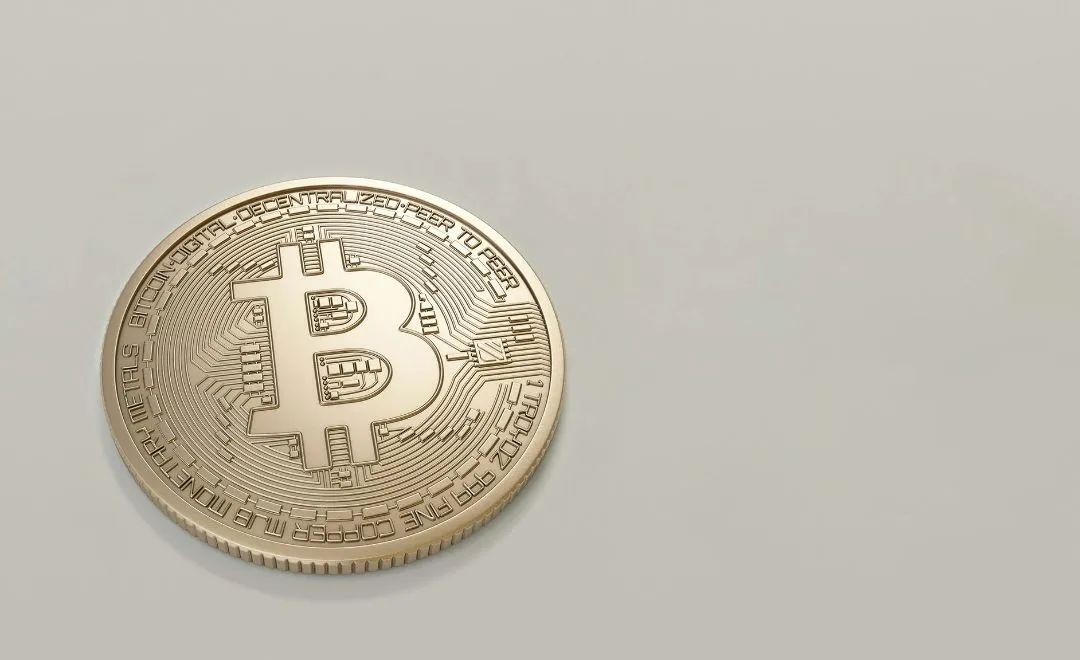
https://asset.coinness.com/en/news/db7d08fd5789fc327265d682815a6055.webp
Photo by GuerrillaBuzz on Unsplash

Aiming for further licensing

The license puts the firm on a path to operate as a fully regulated DEX. Securing this Class M license isn’t the end of the project’s regulatory compliant endeavors, however. Class M confers a “modified” exchange license under the Bermuda Digital Asset Business Act (DABA).


Class M covers pre-operational activities while the service remains within a sandbox environment. The company hopes to have acquired Class F or “Full” licensing designation by mid-2025. At that point, GRVT will be in a position to take its service from a sandbox environment to full launch of its institutional-grade perps DEX in a regulatory compliant manner.


On X GRVT suggested that this licensing is pivotal in the movement of decentralized finance (DeFi) towards mainstream adoption. “With this milestone, DeFi evolves - safer for users and institutions alike,” the project wrote.


Hybrid approach

As a hybrid DEX, GRVT combines the decentralization of DeFi with the structure and compliance required for the participation of institutional investors. Commenting on this latest development, GRVT CEO Hong Yea stated:

”We've always believed compliance should be the foundation for crypto and DeFi, not an afterthought. Without it, earning institutional trust—and bringing revolutionary technologies to the mainstream—becomes nearly impossible."


Yea told Cointelegraph that in two weeks time, the project will officially launch its mainnet to all users. “Our trading volume will then be available through major external data providers,” he added.


In preparation for that mainnet launch, the project announced in September that it had partnered with 16 market makers including Galaxy Trading, Amber Group, QCP and others, in order to ensure that the platform has sufficient liquidity in place to enable a smooth launch.


Users have been testing the platform following its Open Beta Testnet launch in August.


The GRVT CEO believes that the project can “unify cryptocurrency and mainstream finance, creating a system where assets move freely and all forms of value coexist in one integrated ecosystem.”  


A regulated yet decentralized offering

Referring to the two main components baked into the GRVT offering, he said that “decentralization distributes control away from central authorities, promoting transparency, security, and user empowerment.” Meanwhile, “regulation establishes standards to protect users, ensure market integrity and promote fair practices.”


In successfully pursuing licensing in Bermuda, GRVT joins a list of more than 30 firms in the digital assets sector who have obtained licensing in the British overseas territory. In October global cryptocurrency exchange platform Kraken launched a Bermuda-based derivatives trading business having obtained licensing from the BMA.


USDM stablecoin issuer Mountain Protocol received a Class F license from the BMA in July. Other entities successfully licensed by the BMA include Coinbase, HashKey, Circle, Bittrex and Zero Hash.

More to Read
View All
Web3 & Enterprise·

May 02, 2023

Alchemy Pay Enables Rupee Payments Through UPI

Alchemy Pay, a Singapore-based platform that supports fiat to crypto purchases across 173 countries using Visa, Mastercard, regional mobile wallets and domestic transfers, has announced that it now provides a rupee-denominated on-ramp using India’s UPI real-time payments system.Photo by rupixen.com on UnsplashIn a recent blog post, the fiat to crypto payments solutions provider outlined that it now has the capacity to more effectively on-ramp India’s 1.4 billion citizens by enabling domestic transfer payments to effect crypto purchases through the Unified Payments Interface (UPI), a popular instant payments system in India. Processing domestic transactionsThe move means that Indian citizens can interact with the platform by way of simple, real-time domestic transfers, with a minimum purchase value of 1250 INR. First introduced in 2016, UPI has been wildly successful. In September 2022, the system recorded a monthly transaction volume of 6.7 billion transactions, representing a movement of $140 billion.The platform has partnered with 358 banks and continues to grow and expand its network. In Alchemy Pay’s home territory of Singapore, UPI has recently secured an integration with PayNow, a Singaporean secure funds transfer service. Referring to the PayNow/UPI integration in its blog post, Alchemy Pay is likely to be extending its UPI-based transfer service as a direct consequence.The payments facilitator claims that its plugin is “now being used by many wallets, DeFi, gaming and NFT marketplaces, as well as exchanges like OKX and LBank.”The Alchemy Pay platform has focused in particular on emerging regional real-time payments platforms. Within emerging markets it supports similar systems such as Pix, SPEI, GCash, Dana and OVO. As the Singaporean start-up puts it, ”simplifying the on-boarding process is crucial for the widespread adoption of cryptocurrencies and by enabling local payment options, Alchemy Pay makes the adoption by a growing number of users possible.”Off the back of this expanded service offering, the company is currently inviting developers of Web3 platforms and dApps to get in touch so as to enable them in adding its plugin and integrating its API. Importance of bridging crypto with fiatIn another blog post on Monday, Alchemy Pay underscored the importance of an ability to on/off ramp to and from the crypto ecosystem. The company points out that in its recent history, the crypto space has been a complex and intimidating environment to enter or exit to/from the conventional world. It claims to be playing its part in changing this.According to the firm, its available options of transferring fiat currency to a user’s credit card, savings card or bank account via SWIFT, IBAN or local bank transfer is far more seamless than what has been offered to crypto space participants up until now. These transfers can be effected in minutes, with the platform supporting 22 currencies and payouts facilitated in over 60 countries.The digital assets space doesn’t exist in a vacuum. Current generations were all born into fiat-based monetary systems and naturally enough, the overwhelming majority of wealth is tied up within traditional systems.While digital assets have garnered quite a bit of attention over the course of the past few years, the overall market capitalization of crypto, which stands at $1.2 trillion at the time of publication according to cryptocurrency data aggregator CoinGecko, is only a drop in the bucket by comparison with the wealth that exists within the conventional system. More seamless bridging in line with what Alchemy Pay is offering will be necessary for this space to have a realistic chance of conquering mass market adoption.

news
Web3 & Enterprise·

Feb 02, 2024

DeFiance Capital notches up another legal victory in 3AC dispute

In the ongoing legal tussle over cryptocurrency assets, the High Court of Singapore has rejected a plea by the bankrupt crypto hedge fund Three Arrows Capital (3AC) to dismiss a lawsuit filed by Arthur Cheong, the founder of Web3 investment firm DeFiance Capital. This ruling represents a pivotal moment in the $140 million dispute, shedding light on the ownership and control of assets, while building upon DeFiance Capital’s previous success back in August of last year in having its preference for jurisdiction in Singapore endorsed.Photo by Tingey Injury Law Firm on UnsplashRecognizing assets held in trustOn Jan. 26, a Singapore judge ruled against 3AC's request to have Cheong’s claim thrown out, stating that DeFiance Capital has adequately demonstrated the existence of a Singapore-based trust safeguarding its assets. This revelation could potentially shield DeFiance Capital from 3AC's liquidators, marking a crucial juncture in the legal battle. The dispute traces back to an agreement where Cheong was set to launch an independent fund on the 3AC Group platform, with ownership and control vested in DeFiance Capital. This fund, leveraging 3AC's infrastructure, faced disagreements over the transfer of certain assets, whose undisclosed value became a point of contention in court documents. The downfall of the $10 billion 3AC hedge fund, responsible for the "Super Cycle" thesis predicting perpetual crypto price increases, had widespread repercussions in the crypto industry. DeFiance Capital bore the brunt of this collapse and the recent court ruling brings the firm closer to resolving the aftermath favorably. The ongoing argument holds strategic importance for DeFiance Capital, as the investment firm challenges any legal obligation for its shareholders to compensate 3AC creditors. "Wassielawyer," a pseudonymous restructuring attorney advising DeFiance Capital's founder Arthur Cheong, highlighted the significance of this stance on social media. Positive signThe judge's acknowledgment of the trust, while not conclusive, is viewed as a positive sign for DeFiance Capital. In a series of posts on the X social media platform, Wassielawyer outlined on Thursday that he sees this as "much-needed vindication" for Cheong, signaling a potential turn in favor of the investment firm. Wassielawyer emphasized that DeFiance Capital merely utilized 3AC's legal structure, without commingling operations. This distinction becomes crucial as carefully drafted legal documents form the basis for 3AC creditors attempting to seize DeFiance Capital funds. The restructuring professional added:”[DeFiance Capital] have on the basis of the substantive facts, ran an argument that the assets of DCs should not be used to pay back 3AC creditors. This eventuality would be manifestly unjust, enriching the creditors of 3AC at the expense of innocent DC investors.” Once a major player in the crypto hedge fund arena, 3AC's demise resulted from exposure to Terra, staked Ethereum and Grayscale's Bitcoin Trust. The bankruptcy filing on June 30, 2022, marked the end of an era for the once-mighty fund. Established in 2020, DeFiance Capital specializes in crypto investments, focusing on decentralized finance and GameFi. It has supported projects such as dYdX, Aave and Lido. This decision establishes a precedent for similar cases, particularly in jurisdictions like Singapore, emerging as pivotal hubs for cryptocurrency and blockchain-related activities. The outcome holds implications for how such legal disputes will be handled in the future, shaping the landscape of crypto-related legal proceedings. 

news
Web3 & Enterprise·

Jun 29, 2023

KuCoin Ups Compliance via Mandatory KYC

KuCoin Ups Compliance via Mandatory KYCKuCoin, the Seychelles-headquartered global cryptocurrency exchange, has unveiled plans to strengthen its Know Your Customer (KYC) system by introducing mandatory identity checks.In an official announcement on Wednesday, KuCoin stated that this upgrade aims to ensure compliance with global anti-money laundering (AML) regulations. Effective from July 15, KuCoin will require all new users to undergo KYC authentication as part of the registration process. Those who fail to complete the KYC process will be unable to access KuCoin’s wide range of products and services, according to the exchange.Photo by Markus Winkler on UnsplashExisting and new usersFurthermore, existing users who registered prior to July 15, 2023, will also be required to complete the KYC process to access certain features on KuCoin. Withdrawals will remain unaffected for these users. However, they will no longer be able to deposit new funds, the announcement outlines.Despite the introduction of mandatory KYC, KuCoin’s existing non-KYC users will still be able to utilize services such as spot trading sell orders, futures trading deleveraging, and margin trading deleveraging. Additionally, other available services for existing non-KYC users include redemptions at KuCoin’s staking and lending hub, KuCoin Earn, and exchange-traded funds’ redemption.Johnny Lyu, the CEO of KuCoin, explained the KYC process, stating: “A complete KYC process requires users to provide their name, identification number, and identification photo, and undergo facial recognition.” Lyu emphasized that KuCoin carefully verifies customer identification and collects the necessary data in compliance with the laws and regulations of applicable jurisdictions.He added: “Typically, we require customer identification information including information on the customer’s name and further identifiers such as a physical address, date of birth, and national ID number.”Risk profile data collectionIn accordance with regulatory requirements, KuCoin also collects additional information regarding a customer’s business and risk profile. This includes details about the nature and volume of trading activity and the origin of virtual funds deposited, according to Lyu.Lyu underscored that KYC has always been a principle adhered to by KuCoin and that identity recognition is an established part of its process. He further highlighted that KuCoin’s KYC policy is designed to align with regulations in applicable jurisdictions, as there is no unified global KYC regulation at present.KuCoin has also made it clear that the exchange does not support the United States KYC requirements based on their current or updated KYC rules. This new mandatory KYC update will impact a significant number of cryptocurrency users globally. As of July 2022, KuCoin reported over 20 million registered accounts on its platform.Leading global exchangeKuCoin is also recognized as one of the world’s largest cryptocurrency exchanges in terms of trading volumes. At the time of writing, KuCoin’s daily trading volumes exceed $540 million, with more than 8 million monthly visits, according to data from CoinGecko. For comparison, major United States-based exchange Kraken receives approximately 5 million visits per month, with a daily trading volume of around $380 million.This move by KuCoin follows a trend of increasing KYC policies among cryptocurrency exchanges. In May, Dubai-based Bybit restricted non-KYC users from withdrawing more than 20,000 Tether (USDT) monthly. It has been reported that cybercriminals have taken advantage of KYC requirements, selling hacked and verified crypto accounts on the darknet for as low as $30 as of April 2023.

news
Loading