Top

Report on Hong Kong’s fintech sector reveals solid blockchain growth

Markets·March 17, 2025, 3:15 AM

Blockchain technology and digital assets feature strongly in a fintech ecosystem report carried out by InvestHK, an agency within Hong Kong’s government responsible for foreign direct investment.

https://asset.coinness.com/en/news/d401c541b8871ad386556cd5447db07f.webp
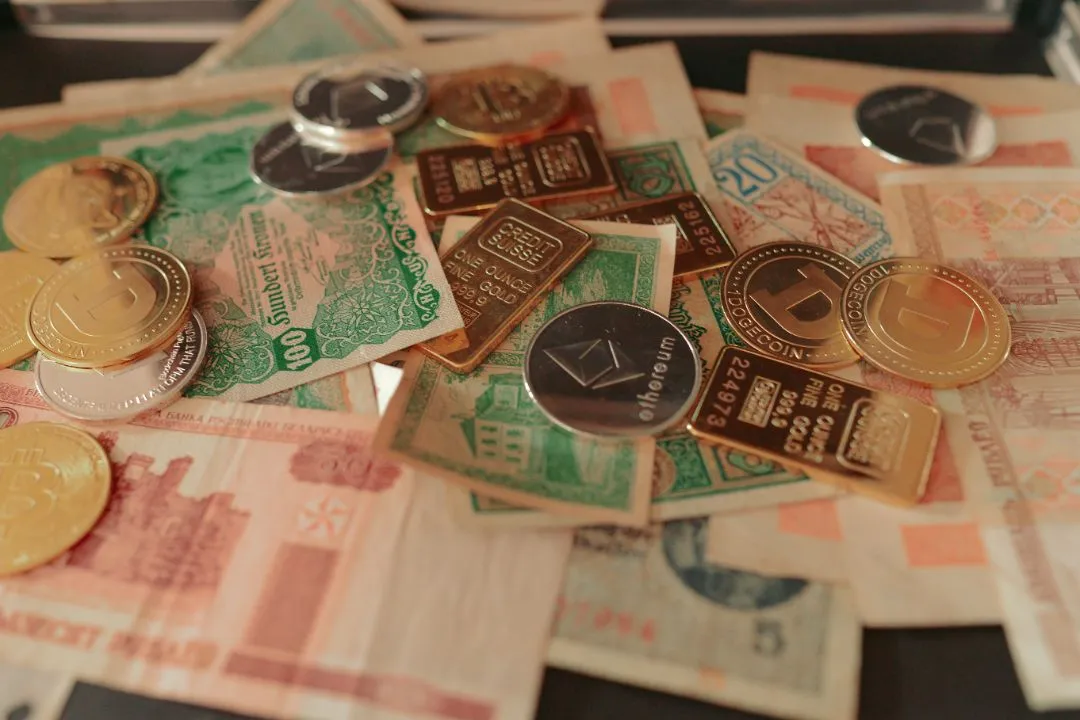
Photo by Shubham Dhage on Unsplash

Growing fintech sector

The recently published report, identified that as of July 2024, there were 175 blockchain application/software firms located in Hong Kong. In the area of cryptocurrency and digital assets, it identified the presence of 111 firms, while there were 122 payment and remittance firms. All in all, the report found that in excess of 1,100 fintech firms had been established in Hong Kong as of mid-2024.


It highlights the fact that the sector has seen robust growth in Hong Kong in recent years, while making the point that this has come about in part due to “substantial resources” having been committed by the Hong Kong government to enable such growth within the local fintech sector.


The report cites data from a study carried out by DataCube Research, which projects that the fintech market within the Chinese autonomous territory will reach $606 billion by 2032. This forecast incorporates an expectation of an annual growth rate of 28.5% over the course of the next eight years.


As well as forecasting further growth for the fintech sector in general in Hong Kong, the InvestHK report also foresees artificial intelligence, blockchain and distributed ledger technology (DLT) and digital assets contributing to that growth.


250% blockchain startup growth

The research identifies that since 2022, there has been a 250% increase in the total number of blockchain-related startups that are located within the Hong Kong Special Administrative Region (SAR). The number of crypto and digital asset firms based in Hong Kong has grown by 30% during the same period. 


Finding talent

In formulating this report, InvestHK surveyed 130 local fintech firms. One challenge that was identified through that process is the need for the appropriate talent to be in place in order to secure projected growth rates over the coming years. Hong Kong is having to compete on a global basis for appropriate fintech talent, with almost 60% of the companies surveyed by InvestHK suggesting that this is a major challenge.


Taking cryptocurrencies as a key component for future growth, last year’s Bitcoin price surge led to a crypto hiring boom with some of the large global fintech companies actively hiring crypto talent. 


Other centers such as Singapore are taking measures to attract that talent. Access to capital was another area of concern, with 44% of respondents indicating it as an area of difficulty.


In an interview with English-language newspaper China Daily recently, Brian Ah-Chuen, managing director of ABC Banking Corp., said that InvestHK has been aggressive in its approach to certain initiatives. He said that the agency has been successful in drawing capital and talent from around the world to Hong Kong.


More to Read
View All
Policy & Regulation·

May 26, 2023

Silence From Multichain’s Chinese Developers Stokes Fear

Silence From Multichain’s Chinese Developers Stokes FearA prolonged silence from the project leadership behind Multichain, a cross-chain routing network, is causing growing concern among the users of the cross-chain protocol. The network currently holds $1.5 billion in total value locked (TVL).The protocol has experienced five days of stuck transactions, and multiple cross-chain bridge pathways, including Kava, zkSync, and Polygon zkEVM are still offline. Initially, the project’s China-based team attributed the issues to an upgrade that was being fixed. That explanation was changed recently to an ambiguous “force majeure,” leaving users with more questions than answers.Photo by Santiago Lacarta on UnsplashPossible arrests in ChinaAdding to the uncertainty are rumors circulating on Twitter that the core leadership team may have been arrested in China. Although the rumors remain unconfirmed, they have contributed to the growing sense of unease within the community. DJ Qian, one of the co-founders of Multichain who is no longer involved with the project, took to Twitter to share his attempts to seek clarification. Qian mentioned reaching out to Multichain CEO Zhaojun and founding partner Xu Guochang for technical assistance. When asked about Zhaojun’s availability, Qian stated that he was “not available yet.”Users and investors eagerly await updates and clarity from Multichain’s leadership team. However, the team’s lack of communication extends across various forms of social media. In group Telegram messages with the Multichain team, there have been no responses from Zhaojun, and direct messages through the same app have gone unanswered as well. This silence has left the community members puzzled, with little information to rely on.$MULTI price plummetsMeanwhile, the price of Multichain’s native token, $MULTI, has continued to decline. It currently stands at $4.37, representing a 20% decrease over the past 24 hours. The lack of communication and uncertainty surrounding the project have likely contributed to this downward trend in token price. Over the course of the past seven days, the token has decreased in price by 45%.In response to the situation, layer 1 blockchain project Conflux Network has taken precautionary measures by suspending Multichain’s co-mint privileges. This move prevents Multichain from minting tokens on the Conflux blockchain. The Conflux Network has also assured users that it will work with them in case any losses arise due to the ongoing issues.Flight to safetyOther projects and individuals have also reacted to the silence from Multichain’s team. Hong Kong-based HashKey Group, a crypto investment firm, has transferred $250,000 to crypto exchange Gate.io as a precautionary measure. Tron founder Justin Sun has withdrawn 470,000 of the $USDD stablecoin from the Multichain protocol. These actions reflect a growing concern among stakeholders, representing their efforts to mitigate potential risks associated with the uncertainty surrounding Multichain.Furthermore, the Fantom Foundation has withdrawn $2.4 million in liquidity of the protocol’s native $MULTI tokens from the decentralized exchange SushiSwap. It later tweeted out an update stating that the Fantom-Multichain bridge was operating as normal. These withdrawals signal a loss of confidence in Multichain and its native token, as stakeholders seek to protect their investments.As the silence persists, users and investors remain anxious for updates and clarifications from Multichain’s leadership team. The lack of communication and the circulating rumors have cast a shadow of uncertainty over the project, leaving stakeholders in a state of limbo.

news
Policy & Regulation·

Mar 28, 2025

Central Asian republics work towards crypto bank & crypto hub development

News emanating from the Central Asian republics of Kyrgyzstan and Kazakhstan in recent days points to further rollout and development of cryptocurrency sector infrastructure. A press release published on March 26 outlined that Kyrgyzstan is working on various initiatives in order to copper-fasten its position as a regional crypto hub. Those efforts include the advancement of digital asset regulation, enabling the launch of licensed crypto platforms and ongoing trials of legal frameworks relative to crypto. Photo by Steve Johnson on UnsplashA7A5 stablecoinOne initiative that may aid in the development of the digital assets sector in Kyrgyzstan is the rollout of the A7A5 stablecoin. A7A5 is pegged to the Russian ruble, with the token having been issued by Kyrgyz company Old Vector. The product was first launched in February, with the intention for it to be used on the A7 cross-border payment platform of Russian state-owned bank Promsvyazbank. Garantex, a Russian crypto exchange which had been sanctioned by U.S. and European authorities and was recently shut down, announced on Feb. 19 the listing of the A7A5 stablecoin. The stablecoin’s backers claim that it was issued “in complete accordance with the new national legislation - under the control of regulatory authorities and directed to an officially registered, regulated broker.” The stablecoin is being promoted on the basis of an annual yield of up to 20%, which has been established due to its link to the refinancing rate of the central bank of the Russian Federation. Kazakhstan crypto bank proposalMeanwhile, lawmakers in Central Asian neighbor Kazakhstan have proposed the creation of a national crypto bank. According to The Times of Central Asia, an English-language daily newspaper, Azat Peruashev, leader of the Ak Zhol political party within Kazakhstan’s lower house of parliament, put forward the proposal, which would implicate the involvement of the National Bank of Kazakhstan and a number of the country’s commercial banks. Peruashev addressed the proposal to Kazakhstani Prime Minister Olzhas Bektenov. However, the Central Asian country may have some fundamental issues to address before a crypto bank can become a reality. Currently, Kazakhstan has yet to establish a legal framework for the use of digital assets.  Last year, the authorities shut down 36 cryptocurrency exchanges which were deemed to have been operating illegally. In total, 3,500 illegal crypto exchanges have been shut down in Kazakhstan. Leading American crypto exchange business Coinbase faced a setback in the Central Asian country in November 2023 when the government cut access to its website within the country. While these crypto businesses have struggled to operate in Kazakhstan, Binance Kazakhstan successfully obtained a trading license from the Astana Financial Services Authority (AFSA) in September of last year. Earlier this month, the company added options trading and futures copy trading to the platform. Blockchain industry pioneer Kyle Chasse took to X to report on this most recent development. He suggested that given that 90% of crypto activity in Kazakhstan is off the books, the authorities are interested in launching a crypto bank so as to bring it all under their control. 

news
Policy & Regulation·

Mar 14, 2025

Korea’s Bithumb joins forces with Interpol to fight crypto crime

South Korean crypto exchange Bithumb is working with the International Criminal Police Organization (Interpol) to combat global criminal activities involving digital assets. According to Korean media outlet Joseilbo, Yoo Jung-ki, who heads Bithumb's Policy Support Office, met with Tomonobu Kaya, Assistant Director of Interpol's Financial Crime and Anti-Corruption Centre, during a recent meeting in Thailand. The gathering was part of a three-day event held from March 10 to 12, organized under Interpol's Project ViCTOR (Virtual assets-facilitated financial Crime – Trace, Obstruct and Recover), an initiative funded by Japan's Ministry of Foreign Affairs. During their meeting, the two officials explored ways to enhance cooperation while committing to maintaining a close, sustainable working relationship.Photo by rc.xyz NFT gallery on UnsplashExchange shares expertiseDuring his Bangkok visit, Yoo delivered a speech addressing emerging crypto crime trends and necessary regulatory changes to protect users. He also discussed the Financial Action Task Force's (FATF) guidelines and recommendations, along with South Korea's policies on anti-money laundering and combating terrorism financing (AML/CFT). His presentation resonated with the audience, particularly when he emphasized the importance of collaboration between the public sector and crypto exchanges on multiple fronts, including recovering stolen funds from criminals. Regarding the meeting, Yoo stated that he found it meaningful to participate, as a representative of South Korean crypto exchanges, in a gathering focused on developing global countermeasures against money laundering and digital asset crimes. He added that Bithumb is committed to supporting the international cooperative system aimed at preventing and recovering from crypto crimes. Interpol’s effortsThe event also covered recent updates on Interpol's Global Rapid Intervention of Payments (I-GRIP) stop-payment mechanism, launched in 2022, and Singapore's evolving crypto regulatory landscape. In June last year, Interpol reported that police across 61 countries had collectively intercepted approximately $135 million in fiat currency and $2 million in cryptocurrency, with I-GRIP helping authorities track illicit proceeds from both types of currencies.Interpol's involvement in investigating crypto crimes has been expanding recently. According to Cointelegraph, Argentine lawyer Gregorio Dalbon has requested that a prosecutor and judge issue an Interpol Red Notice for Hayden Davis, a co-creator of the LIBRA token allegedly linked to Argentine President Javier Milei. The controversial memecoin, launched last month, briefly reached a $4.5 billion market cap before its value collapsed.

news
Loading