Top

Affiliate of Chinese bank launches crypto trading services in Hong Kong

Web3 & Enterprise·August 20, 2025, 1:38 AM

CMB International Securities, the brokerage and investment banking arm of China Merchants Bank (CMB), has acquired a virtual asset trading license and rolled out related trading services in Hong Kong.
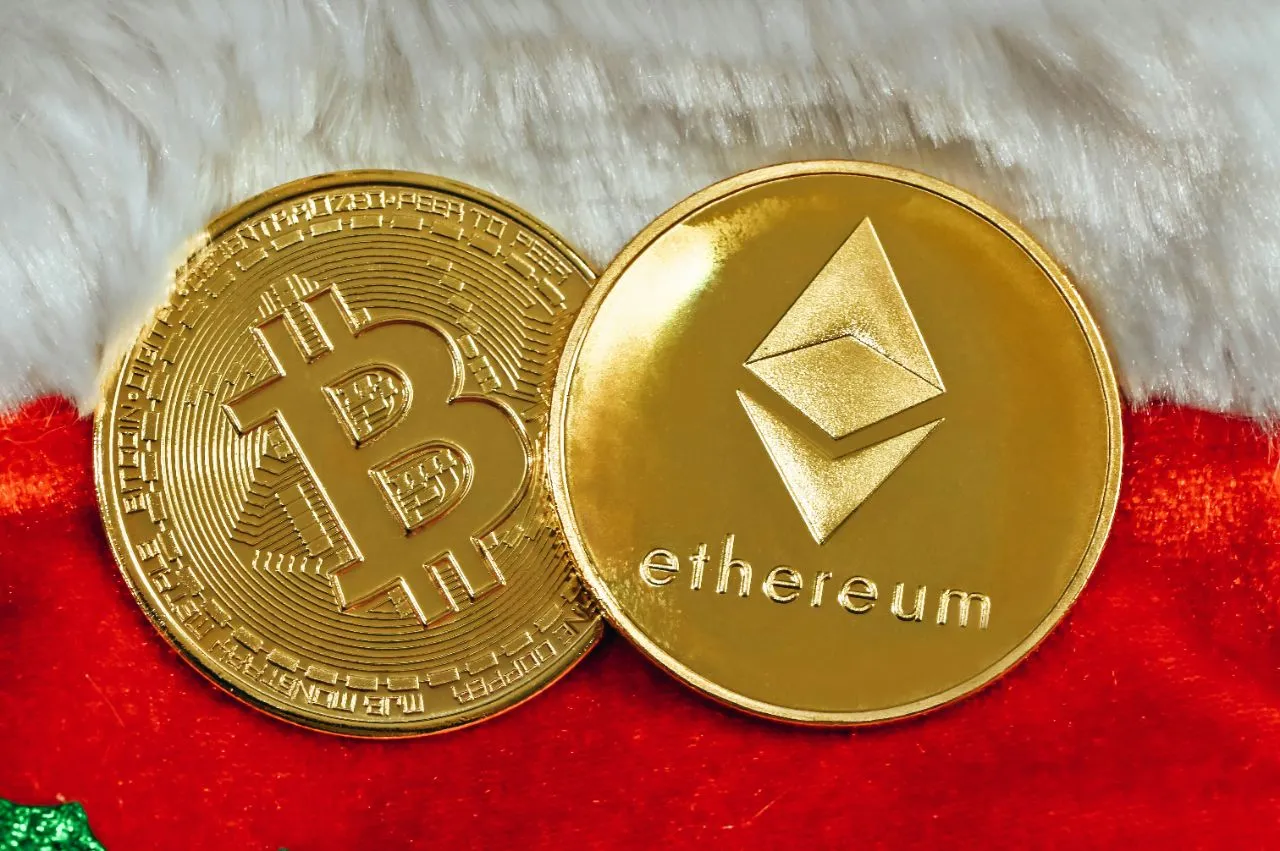
https://asset.coinness.com/en/news/a51b70a73c96c73ac6b53dc00248a1ce.webp
Photo by Traxer on Unsplash

First Chinese bank-affiliated brokerage to add crypto services

The development is significant as it marks the entry of the first brokerage firm directly affiliated with a Chinese bank into the digital assets arena. It takes on further significance due to the importance of its parent company within financial services in Asia.

Recent reports suggest that China Merchants Bank has assets under management (AUM) of RMB 15 trillion, equating to around $2.1 trillion. Headquartered in Shenzhen, the bank is China’s seventh largest in terms of AUM. Compared globally, an S&P Global Market Intelligence report published in 2024 positioned the bank in 25th place by measure of AUM.


CMB International Securities disclosed that it started offering such services on Aug. 18 via a post on the Chinese social media platform WeChat. It explained that the launch followed the company’s acquisition of an upgrade to its existing trading license from Hong Kong’s Securities and Futures Commission (SFC) on July 11, authorizing the brokerage to offer virtual asset trading.


24/7 digital asset trading

The company outlined that it has added virtual asset trading via its mobile application, offering qualified investors 24/7 digital asset trading. Following the launch, eligible investors can now trade Bitcoin (BTC), Ethereum (ETH) and the USDT stablecoin. These professional or eligible investors must open a CMB International Securities cash account before they can commence trading digital assets on the CMB platform.


Given the ongoing ban on crypto trading activity within mainland China, CMB International has to ensure that its product offering doesn’t reach mainland residents. At the time of the company being awarded its virtual assets trading license last month, Hong Kong Web3 Association Co-Chair Joshua Chu spoke to that requirement. He stated:

“By securing this licence, CMBI gains regulated access to Hong Kong’s dynamic crypto market, yet it must operate within strict boundaries that prevent direct mainland participation, reflecting the delicate balance of innovation and legal constraint.”


‘One country, two systems’

“One country, two systems” is a constitutional principle of the People’s Republic of China that enabled the reunification of Hong Kong with China back in 1997. Many believe that while Beijing continues to impose a ban on crypto and hasn’t been vocal in its support of Hong Kong’s embrace of the crypto sector, there is an implied support nonetheless of Hong Kong’s development as a crypto hub.

Hong Kong’s separate system allows China to let it develop as a proving ground for virtual assets. That tacit support has encouraged companies like Beijing-headquartered Tiger Brokers to pursue virtual asset trading licensing within the Chinese autonomous territory. Similarly, Victory Securities, a Hong Kong firm with a significant presence within the mainland Chinese market, has also pursued digital asset-related licensing in Hong Kong.


This isn’t CMB International’s only crypto-related venture. Earlier this month, the company partnered with Singaporean digital asset exchange DigiFT in launching the Hong Kong-Singapore Mutual Recognition Fund. The development marked the first money market fund to be hosted on the Solana blockchain.


 

More to Read
View All
Policy & Regulation·

Dec 15, 2023

Busan BDX Consortium named preferred bidder for Digital Asset Exchange

Busan BDX Consortium named preferred bidder for Digital Asset ExchangeIn the latest development of Busan’s initiatives in the blockchain industry, the Busan BDX Consortium has been named the preferred bidder for the project aimed at setting up and operating the Busan Digital Asset Exchange (BDX).The South Korean port city of Busan organized a bidding competition for the project, whose application deadline was Nov. 28. This competition saw participation from two companies. Following this, a project proposal evaluation committee was recently assembled to review the presentations of these bidders at the Busan International Finance Center (BIFC).The selection of the Busan BDX Consortium as the preferred bidder was made after an evaluation process where 90% of the assessment criteria were qualitative and the remaining 10% were based on quantitative factors. The consortium is led by Itcen, a Seoul-based tech company that specializes in digital transformation.Photo by Pang Yuhao on UnsplashNegotiations and future stepsBusan City will now promptly enter into negotiations with the consortium, with the goal of finalizing its decision before the end of this year. Following the selection, Busan intends to sign a business agreement with the chosen bidder in January to move forward with the project.BDX is a platform designed to use blockchain technology for the digitization and trading of assets linked to Busan’s infrastructure in logistics, culture and finance. It is planned to be a fully private entity, a decision aimed at fostering freedom and creativity in its operations. Meanwhile, the city will offer administrative and financial support in accordance with its local ordinances.Son Seong-eun, who leads the Finance and Start-up Policy Bureau of Busan City, remarked that the development of BDX is set to establish a solid foundation for the blockchain industry and enhance the region’s economic growth. Aiming to establish Busan as a leading global blockchain hub, the city is committed to providing ongoing support for the new digital exchange, Son added.Blockchain to encourage volunteeringBesides the BDX project, Busan is also leading another blockchain initiative. Starting next year, the city will test a blockchain-based platform designed to manage and track volunteer experience points for its residents.The platform being developed by Busan will facilitate the connection between individuals seeking volunteer assistance and those who participate in volunteer activities. Its goal is to foster a virtuous cycle that contributes positively to society, enhancing the efficiency and impact of volunteer efforts within the community.Citizens will be able to accumulate points on the blockchain platform by participating in socially beneficial activities like distributing staple goods and contributing to carbon emission reduction. These points can then be redeemed for various benefits like attending concerts or accessing public parking lots. This endeavor to encourage volunteering is set for a full-scale launch in 2025.

news
Policy & Regulation·

Aug 24, 2023

Celebrating a Decade of Crypto in South Korea: Experts Convene to Chart the Future

Celebrating a Decade of Crypto in South Korea: Experts Convene to Chart the FutureThe MK Virtual Asset Conference, an event held in Seoul yesterday to celebrate the 10th anniversary of South Korea’s cryptocurrency industry, convened experts, politicians, and stakeholders to discuss the future of blockchain and digital assets.The conference was hosted by Maeil Business Newspaper and its blockchain subsidiary Mblock, and sponsored by cryptocurrency exchange Korbit, the Korean Securities Association, and the Korea Derivatives Association. It served as a valuable opportunity to evaluate the current state of the crypto market and explore solutions for pressing challenges.Photo by Ciaran O’Brien on UnsplashInevitable rise of blockchainOne of the distinguished speakers at the event highlighted the inevitable rise of blockchain technology. Kim Yong-beom, CEO of Hashed Open Research, the research arm of Seoul-based crypto venture capital firm Hashed, said, “Blockchain is the antithesis of the modern financial and capital system. While traditional finance possesses its own merits, it also carries substantial transaction fees and is confined within national boundaries. It is only natural that such a counterforce has emerged to address these issues.”He continued, “Given that traditional finance properly responds to blockchain technology’s rise and overcomes its limits, blockchain may lose its competitive edge. However, if traditional finance fails to do so, blockchain will not be easily dismissed.”CEO Kim also highlighted the third section named “Blueprint for the Future Monetary System” of the Bank of International Settlements’ 2023 Annual Economic Report, which was published in June. The report states, “The BIS Innovation Hub, in partnership with central banks around the world, stands at the forefront of experimentation with CBDCs and tokenization.” According to Kim, the traditionally conservative financial institution, which had previously been skeptical about blockchain-based distributed ledger technology, has now shifted its position to be more accepting of blockchain.Importance of institutional investorsDuring the conference, an academic underscored the importance of allowing institutional investors to enter the virtual asset space. Kang Hyoung-goo, an assistant professor in the Department of Finance at Hanyang University Business School, pointed out that the crypto market, when primarily driven by retail investors, tends to favor volatile assets over stable ones. Due to this inclination, more individual investors are attracted to exchanges where speculative trading is a frequent occurrence. This dynamic creates a vicious cycle, he explained.Defining digital assetsOn a different note, Lee Han-jin, a lawyer at Kim and Chang, one of the largest law firms in the country, emphasized the crucial need to establish a legal definition of digital assets. In Lee’s view, digital assets exist in the form of data on the blockchain, setting them apart from traditional assets. He argued that without a legal definition outlining the nature of these assets, they could potentially devolve into entities that mislead the public, lacking both legal reliability and trustworthiness.Political voicesPoliticians also took the stage to share their thoughts. Back Hye-ryun, a Democratic Party of Korea member, expressed in her congratulatory speech her commitment to protecting virtual asset users through legislation. Kim Jong-min, another lawmaker from the same party, underscored the unstoppable nature of the blockchain trend. Yun Chang-hyun, a lawmaker of the ruling People Power Party, mentioned that while Bitcoin couldn’t establish itself as a key currency in an anarchic manner, stablecoins and central bank digital currencies (CBDCs) are now positioned to fill that role.Regulatory considerationsMeanwhile, Kim So-young, Vice Chairman of the Financial Services Commission, stressed the ongoing uncertainty surrounding the societal impact of cryptocurrencies and how governments should oversee them. He emphasized that the Korean government aims to establish a balanced framework to facilitate the responsible development of digital assets. Furthermore, he highlighted the necessity of collaborating with major economies due to the global nature of virtual assets.

news
Web3 & Enterprise·

Jan 04, 2024

KuCoin invests in cross-chain inscription protocol

KuCoin, the Seychelles-based cryptocurrency exchange, has revealed a strategic move in its investment and incubation initiatives through the KuCoin Labs program. In a press release which was published on Tuesday, KuCoin announced its investment in ISSP, a project focused on developing an inscription protocol on the layer one Sui network, renowned for its throughput and scalability.Photo by Towfiqu barbhuiya on UnsplashFirst cross-chain inscription protocolISSP introduces the first cross-chain inscription protocol system, seamlessly integrating an inscription marketplace and inscription swap. The project is in its early stages. Last week ISSP took to social media to announce its inscription-related product launch. It stated:”We are launching the first multi-chain interoperability system for inscription protocols, focused on the BTC ecosystem to enable interoperability between BTC's inscription protocols and other chains.” With the launch, it’s introducing the Sui network’s first inscription protocol under the SUI-20 standard. Leveraging the unique Objects model of the Sui network, ISSP aims to naturally enhance inscription systems. Having already launched the SUI-20 inscription standard protocol on the Sui network, it is utilizing the built-in indexer of the network node to index inscription data. Seamless CEX inscription integrationTo ensure optimal performance and stability of inscription data, ISSP utilizes the indexer integrated into the Sui Chain node. Notably, ISSP facilitates the integration of inscriptions with centralized exchanges (CEX), eliminating the need for additional development to interface with inscription protocols. While the exact financial details of the investment remain undisclosed, ISSP plans to utilize the funds to expand its operations and further its development efforts. ISSP recently achieved a significant milestone by completing its Free Mint process, attracting 13,947 addresses and 2,002,186 transactions (TXs). The surge in user activity led to the Sui Chain's transactions per second (TPS) exceeding 1,000 for the first time. Sui-related investmentsThis marks KuCoin Ventures' continued interest in projects related to the Sui network. Last year, the exchange participated in a funding round for Cetus, a decentralized exchange (DEX) and concentrated liquidity protocol built on the Sui and Aptos blockchains. Alongside KuCoin Ventures, prominent investors such as Comma3 Ventures, AC Capital, Adaverse, Animoca Brands, Coin98 Ventures, IDG Capital, Leland Ventures, NGC Ventures and OKX supported Cetus. In April, the KuCoin crypto exchange actively promoted the SUI token as part of its Spotlight Token Program. The Sui Network seeks to distinguish itself as the first Layer 1 blockchain designed to cater to creators and developers targeting the next billion users in Web3. It provides horizontal scalability for diverse dApp development. Claiming to be a step-function advancement in blockchain technology, Sui prioritizes high throughput, instant settlement speeds, rich on-chain assets and user-friendly Web3 experiences. KuCoin's investment in ISSP underscores its commitment to supporting innovative projects on the Sui network, reinforcing the exchange's role in shaping the future of blockchain development. Similarly, the ISSP's product development demonstrates that following a big year for inscriptions in 2023, further progress is likely to unfold in 2024.

news
Loading
