Top

Philippines Regulator Collaborates with US Counterpart to Tackle Crypto Fraud

Policy & Regulation·September 21, 2023, 1:35 AM

The Philippines Securities and Exchange Commission (SEC) has taken a step towards addressing the escalating issue of crypto scams, seeking assistance from its namesake and international counterpart, the US SEC.

The international partnership was announced via a Philippines SEC press release, published last Friday. The collaboration highlights the severity of a growing problem in terms of crypto-related fraud, underscoring the importance of inter-agency cooperation in tackling the issue.
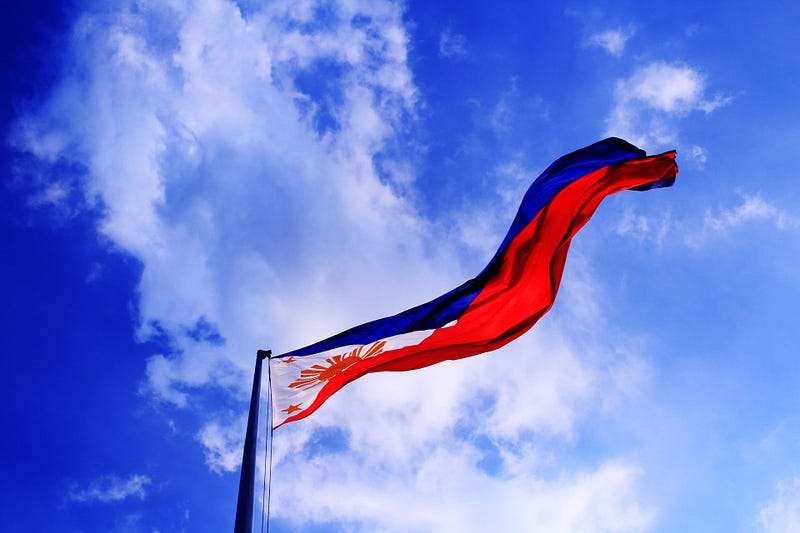
Photo by Krisia on Pexels


Joint training efforts

Both SECs will engage in joint training sessions. The collaboration also involves cooperation with the Asian Development Bank (ADB), and it has been established under the umbrella of the International Organization of Securities Commissions (IOSCO). Notably, the Philippines SEC has also signed IOSCO’s Multilateral Memorandum of Understanding (MoU) aimed at addressing crypto scams.

The motivation behind these collaborative efforts is readily apparent given the scale of the cryptocurrency fraud that has occurred recently in the Philippines. Recent instances have captured the attention of the authorities, emphasizing the urgent need for regulatory action.


Drawing on overseas enforcement experience

Most in the crypto sector are not enamored with US SEC Chair Gary Gensler’s stance relative to digital assets. Notwithstanding that, it may be that his assertive approach to enforcement may have a place in the Philippine context, given the extent of the issue of crypto fraud in the Southeast Asian country. For example, Gensler’s call for “more cops on the beat” to police the crypto industry, expressed in a Bloomberg Daybreak Podcast interview in July, resonates with the Philippines’ current predicament.

Though Gensler’s remarks have been met with resistance from some quarters within the crypto industry, they may serve as sage advice in a climate where crypto-related crimes proliferate.

Philippines SEC Chair Emilio Aquino outlined that the collaborative workshop involving the two securities commissions was aimed towards strengthening the capability of the Philippines’ SEC enforcement personnel in conducting investigations on securities-related crimes like insider trading, market manipulation, off-market fraud, and crypto scams.

Aquino stated: “Scammers are becoming more advanced and sophisticated in their techniques as new technologies arise. As such, the SEC must constantly improve its investigation and enforcement capabilities to ensure that we are always one step ahead in preventing scams.”

The Philippines, in particular, could benefit from a more robust regulatory presence to combat human trafficking networks and quash scams that tarnish the reputation of the crypto sector. These criminal activities have unfortunately led many to associate cryptocurrencies with fraud.

The Philippines SEC Chair added that collaboration with US regulators and other enforcement agencies would likely guide the country in its pursuit of initiatives that lead towards the protection of the investing public.

While expert training is essential, bolstering regulatory oversight, as suggested by Gensler, may be the key to mitigating the pervasive problem of crypto-related crime and protecting the integrity of the cryptocurrency sector.
More to Read
View All
Web3 & Enterprise·

Nov 23, 2023

Wintermute Asia executes inaugural options block trade via CME

Wintermute Asia executes inaugural options block trade via CMEWintermute Asia Pte. Ltd, the digital asset derivatives trading arm of the well-known algorithmic trading firm and crypto market maker Wintermute Group, has successfully executed its first options block trade through the CME Group.The BTC/USD block trade was conducted in collaboration with U.K.-based liquidity and data solutions specialist TP ICAP. It was successfully cleared by ABN AMRO, marking a significant milestone for Wintermute Asia in the digital assets space.Photo by Kanchanara on UnsplashMeeting institutional investor needsInstitutional interest in secure and alternative avenues for exposure to digital assets continues to build momentum. It’s likely with that in mind that Wintermute Asia is strategically expanding its derivatives product offerings with this latest move. It’s also no surprise that Wintermute’s Singapore-based team was involved in this development, given a recent expansion of its Singapore base and the fact that its derivatives business is dealt with in Singapore.Presently, Wintermute Asia provides vanilla options in BTC, ETH and various altcoins, featuring expiration periods ranging from 1 day to 6 months. The platform also caters to more sophisticated needs with the inclusion of exotic options.Evgeny Gaevoy, CEO of Wintermute Group, expressed enthusiasm about Wintermute Asia’s evolving product offering, stating:“Wintermute Asia is excited to offer a range of OTC derivatives solutions to our counterparties that can accommodate all of their trading needs. Our growing suite of derivative instruments allows investors to easily hedge and manage risks, generate yield, and gain synthetic exposure to the underlying digital assets.”The move towards facilitating options block trades aligns with the increasing diversification of institutional portfolios into the digital asset sector. Giovanni Vicioso, Global Head of Cryptocurrency Products at CME Group, emphasized the significance of the partnership with Wintermute Asia. He commented:“We are pleased to provide Wintermute and its counterparties with access to our highly liquid, regulated suite of benchmark cryptocurrency futures and options on bitcoin and ether.”Involving TradFi heavyweightsCME is a cornerstone TradFi financial derivatives exchange, first established in 1898 and headquartered in Chicago in the United States. Its CEO Terry Duffy pushed back against proposals from convicted fraudster and FTX Founder Sam Bankman Fried in 2022 to alter the futures clearing model on the basis that such a move would introduce significant risk into the financial system. A year on from the failure of FTX and many other crypto platforms, a move towards involving established TradFi firms like CME, as Wintermute is doing, is far more appealing to institutional investors.Sam Newman, Digital Assets Head of Broking at TP ICAP, acknowledged Wintermute as another participant in block trading CME Group cryptocurrency products. TP ICAP, a key player in digital asset broking services since 2020, has been instrumental in price discovery and liquidity through global coverage on regulated exchanges. Newman expressed excitement about witnessing crypto-native firms like Wintermute accessing traditional products and services, indicating the market’s maturation.Earlier this year, CME Group upgraded its BrokerTec Stream from version 1.5 to 2.0. The upgrade aims to enhance performance and reduce latency for clients, introducing features such as sweepable matching and firm price improvements. Recently, CME became the second largest bitcoin futures exchange, second only to global crypto exchange Binance.

news
Web3 & Enterprise·

Jun 15, 2023

LINE NEXT Captivates NFT Aficionados with Beta Launch of DOSI Land

LINE NEXT Captivates NFT Aficionados with Beta Launch of DOSI LandLINE NEXT, an American-based NFT platform subsidiary of Tokyo-headquartered messaging app developer Line Corporation, has launched the beta version of DOSI Land, the FINSCHIA token (FNSA) reward program on its global non-fungible token (NFT) platform, DOSI. This program aims to provide opportunities for its membership owners, known as DOSI Citizens, to win FNSA.Photo by Markus Winkler on PexelsWeekly token rewardsDOSI Land is a weekly program that rewards FNSA to lottery winners. However, only DOSI Citizens with Level 2 or above are eligible to participate in this event. DOSI Citizens are categorized into four levels, ranging from Level 1 to Level 4. Users can achieve attendance goals, invite friends, and make NFT transactions to elevate their Citizen status. It’s important to note that this program is not available in some countries, including the United States and Japan.DOSI Land comprises three lands: Emerald Orbit, Sapphire Starlight, and Golden Galaxy. Each land is accessible to Citizen Level 2, Level 3, and Level 4 users, respectively. Every week, a total of 3,000 FNSA will be distributed, with each land offering different chances of winning the token. Furthermore, each land has three zones, and users can participate in one zone per land. Participation in each zone requires DON, a membership point earned based on the total NFT transaction amount, and Level-up Passes, which are needed to improve Citizen status.DOSI operates the DOSI Citizen Membership system, which rewards users based on their contributions to the ecosystem. Alongside DOSI Land, DOSI has also implemented other reward programs such as DOSI Adventure and DOSI Arcade, offering a variety of NFTs to membership owners.As part of its efforts to expand the DOSI ecosystem, LINE NEXT incentivizes FNSA rewards to users actively engaging in DOSI through DOSI Land. The company plans to continue offering various benefits to DOSI users.DOSI’s presenceSince its beta launch, DOSI has attracted 4.6 million membership owners, facilitating over 410,000 transactions and involving 190,000 traders. These figures are as of May 2023. LINE NEXT cites NFT data analysis platform NFT Go’s statistics to state that DOSI is Asia’s largest and the world’s third largest platform in terms of monthly NFT traders. With its mission to establish a global ecosystem for NFTs and Web3, LINE NEXT aims to foster a thriving NFT platform business.The Finschia FoundationIn March of this year, the Finschia Foundation was established in Abu Dhabi, UAE, by Line Tech Plus, a Singaporean-based subsidiary of Line Corporation. This establishment was an effort to expand the corporation’s global Web3 endeavors. Line Corporation is a subsidiary of Z Holdings, jointly owned by South Korea’s Internet search engine provider Naver and Japanese technology investor Softbank Group.The Finschia Foundation operates Line’s open blockchain mainnet Finschia and rebranded its native crypto asset LINK (LN) to FINSCHIA (FNSA) last month. FNSA is currently listed on crypto exchanges Bithumb, Bittrex, and Huobi, according to CoinMarketCap.

news
Policy & Regulation·

Apr 10, 2023

The Philippines Forging Crypto Reg. Path US Could Learn From

The Philippines Forging Crypto Reg. Path US Could Learn FromThe Philippines has demonstrated best practice in operating a sensible regulatory framework relative to cryptocurrency while the United States has erred by engaging in regulation via enforcement while responding after the horse has bolted in relation to a string of crypto company collapses. That’s according to Robert De Guzman, Head of Legal Compliance at Philippines-based cryptocurrency exchange Coins.ph.©Unsplash/C BuezaIn an opinion piece published in Forkcast News on Tuesday, De Guzman lays out his view as to what’s required in terms of regulation, while drawing comparisons between the application of regulation relative to crypto in both jurisdictions.The need for “sensible” regulationDe Guzman believes that the crypto industry’s recent failures are a wake-up call for the whole sector. Losses of billions of dollars affected Celsius Network, BlockFi, Voyager Digital, Genesis, and FTX, and led to Silvergate, Silicon Valley Bank (SVB), and Signature banks’ collapse in a week. To maintain consumers’ trust, he believes that sensible regulation is necessary for the crypto exchanges dealing with digital assets.The legal compliance expert cites the FTX collapse. FTX’s Sam Bankman-Fried’s empire was among the largest collapses. FTX pretended to support regulation, but its true nature was an offshore exchange for global clients. Nonetheless, some businesses act on their regulation support by acquiring licenses and complying with central bank audits in the countries of operation.State-level and industry-level regulationThe crypto industry being open to self regulation is one element of the solution, he says. Regulators must proactively protect their consumers from scams and business failures, not just clean up the mess after millions of people have been harmed.Regulatory failuresDe Guzman points the finger at reactionary regulatory action. Regulators filed charges against crypto industry founders after their collapse. Previously, they missed the problems of the largest companies. FTX, based in the Bahamas, was mismanaged, and American regulators only responded after customer issues. Regulations by enforcement, preferred in several countries, wait for failure to happen before taking action. Over-regulation through enforcement pushes platforms offshore, where Wild West-type environments thrive, with clear consequences.Regulators in some countries focus on surface-level questions, like which tokens should be considered securities, while others, like in the Philippines, prioritize execution-level details to protect consumers. Anti-money laundering measures and custody are core issues, with the G-7’s Financial Action Task Force’s Travel Rule likely to be more strictly applied. Active regulation and audits are needed to ensure financial platforms act responsibly with customer deposits. Basic rules need to be put in place through a licensing regime, followed by regulation of market practices like commingling of assets, self-dealing, and trading against customers.The Philippines sensible approach to regulationThe Coins.ph legal guru holds out his home country as exemplary in terms of its approach to regulation. The Philippines’ regulatory regime requires a virtual asset service provider (VASP) license to operate a crypto exchange, as well as additional licenses for other services. The country’s central bank, BSP, directly regulates all crypto exchanges and expands its crypto regulations to adapt to market needs. KYC processes in the Philippines require recognition of valid ID documents from across 82 provinces.Additionally, the BSP expects the industry to cooperate in quarterly audits where they share balance sheet information and disclose digital assets in hot and cold wallets. Regulators in the Philippines are proactive and knowledgeable about the crypto space, which sets a sensible framework based on customer protection.

news
Loading