Top

HashKey Gears Up to Offer Trading Service to Retail Traders

Web3 & Enterprise·August 26, 2023, 12:11 AM

HashKey is gearing up to launch its services to retail traders in Hong Kong with the intention of offering them Bitcoin and Ether trading products initially.

The Hong Kong-based digital asset management platform received full licensing approval from the local regulator, the Securities Futures Commission (SFC), earlier this month. It’s anticipated that the platform will launch to retail on August 28.

That’s according to a report from a local media source earlier this week. Financial publication Investing.com stated: “General investors in the period can only trade Bitcoin (BTC) and Ethereum (ETH), because these two currencies currently account for most of the trading volume in the market.“

It’s worth noting, however, that investors will be subject to a cap, permitted to allocate only up to 30% of their net worth into the realm of cryptocurrencies while utilizing the platform.
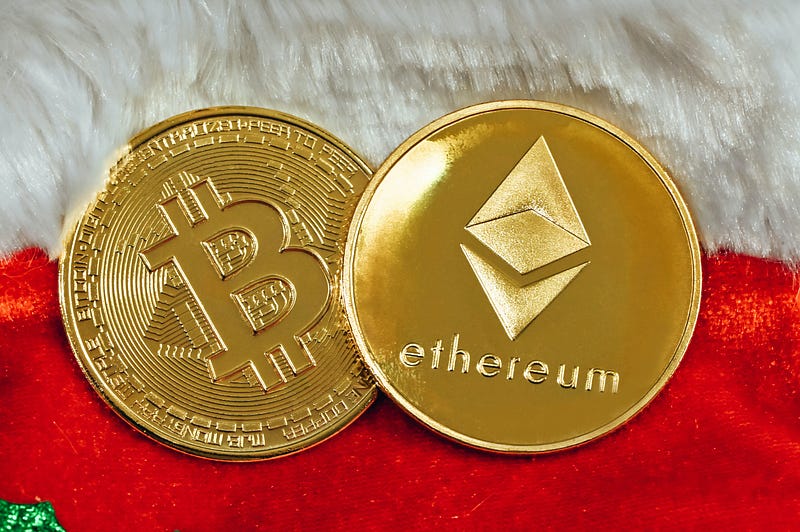
Photo by Traxer on Unsplash


Serving retail clients

It’s a significant milestone for both HashKey and the regulator, given that Hong Kong has been making huge efforts to further the development of digital asset innovation within the Chinese autonomous territory over the course of the past twelve months. Hashkey, alongside brokerage and exchange business OSL (also successful in obtaining a license), has been collaborating with regulators from an early stage in the lead-up to both receiving full licensing.

HashKey got to this point by focusing on two pivotal licenses offered by the SFC. The first of these licenses, known as Type 1, paved the way for HashKey to initiate a virtual asset trading platform, aligning seamlessly with the regulatory framework laid out under Hong Kong’s securities laws. The second license, Type 7, empowers the crypto platform to furnish automated trading services to both institutional and retail clientele.


Nurturing digital asset innovation

Hong Kong has maintained a resolute focus on cultivating a crypto-friendly environment within its borders in 2023. Echoing this sentiment, Financial Secretary Paul Chan asserted the government’s and regulatory bodies’ determination to incubate a robust crypto and fintech ecosystem throughout the year.

By March, over 80 crypto enterprises signaled their intent to establish a presence in Hong Kong, with several major players in the crypto industry among them. In April, the Hong Kong Monetary Authority (HKMA) issued a call to banks, urging them to extend their services to cryptocurrency companies.

Banking remains a difficulty in Hong Kong for crypto businesses despite the HKMA’s efforts. However, in the case of both HashKey and OSL, both are being banked by Hong Kong’s largest virtual bank, ZA Bank.

In May, the HKMA unveiled a comprehensive licensing framework tailored for crypto platforms, imposing a deadline of June 1 for compliance. As August rolled in, a select few crypto platforms clinched the green light to offer crypto trading services to an eclectic client base encompassing both retail and institutional participants.

This regulatory framework, designed to safeguard the interests of investors, is playing a large part in Hong Kong’s recent success in developing the sector. In this particular instance, it will mean that retail traders will be granted access to Bitcoin and Ethereum exclusively. This curtailed selection provides a good starting point for retail trading, and it’s likely that we will see HashKey’s trading offering being extended to cover additional digital assets as soon as local regulators permit it.


More to Read
View All
Web3 & Enterprise·

Jul 05, 2023

3AC Founders Vow to Donate Future Earnings

3AC Founders Vow to Donate Future EarningsThe co-founders of the Singapore-headquartered bankrupt crypto hedge fund Three Arrows Capital (3AC) have publicly committed to donating their “future earnings” to creditors who suffered losses during the fund’s dramatic collapse.Kyle Davies and Su Zhu made this groundbreaking announcement during a candid Twitter Spaces session hosted by Mario Nafwal, aiming to establish a “shadow recovery process” parallel to the ongoing liquidation proceedings.Photo by Josh Appel on UnsplashBelieving in karmaDavies explained that their intended donations would be separate from the formal recovery process, designed to supplement any reimbursements that creditors might receive through the liquidation proceedings. While acknowledging that some early creditors have already been made whole, he emphasized the founders’ unwavering belief in the concept of “karma.”They see their act of giving back as a way to balance the scales and provide an avenue for creditors to potentially recover their losses.Creditor skepticismHowever, these noble intentions expressed by Davies and Zhu have been met with skepticism from the crypto community and the very creditors they seek to assist. Teneo, the liquidator overseeing the 3AC liquidation, responded to Davies’ comments by expressing disappointment in the founders’ lack of cooperation during the ongoing process. They stressed that the founders should prioritize engaging in the court-ordered activities rather than making promises about future earnings from a new venture.Acknowledging concerns about optics, Davies addressed questions surrounding the launch of their new crypto exchange, Open Exchange (OPNX), while their previous company undergoes liquidation. He stressed the inherent connection between OPNX and the creditors, suggesting that the success of their new entrepreneurial endeavor would ultimately benefit those affected by the collapse of Three Arrows Capital.OPNX success requiredOPNX, the newly launched Dubai-based trading platform, is specifically designed to facilitate the trading of bankruptcy claims. Since its announcement in February, the platform has garnered significant attention, boasting an impressive user base of 20 million individuals holding a collective $20 billion in claims. It is worth noting that the collapse of Three Arrows Capital resulted in the loss of $2.5 billion in customer deposits, making the success of OPNX crucial for creditors seeking redress.Davies also revealed that OPNX currently records approximately $50 million in daily trading volume, showcasing promising early traction for the platform. However, the exact mechanics of the “shadow recovery process” were left unspecified.While OPNX currently only facilitates the trading of claims from lender Celsius, the platform has ambitious plans to include claims from other high-profile bankruptcies in the near future. The list of potential additions encompasses notable entities such as FTX, Genesis, BlockFi, Voyager, Hodlnaut, Mt. Gox, Vauld, Zipmex, and even Three Arrows Capital itself.When taken at face value, the founders’ pledge to donate future earnings to creditors takes on the appearance of a significant and commendable gesture. However, doubts persist within the crypto community due to the founders’ prior actions and the ongoing liquidation process. Only time will reveal the true impact of this “shadow recovery process” and whether it will genuinely alleviate the losses suffered by creditors in the wake of Three Arrows Capital’s collapse.

news
Web3 & Enterprise·

Jul 09, 2025

Metaplanet aspires to acquisition of digital bank

The CEO of Japanese hotel operator turned Bitcoin treasury company, Metaplanet, has suggested that the firm may consider acquiring a digital bank in the future. Simon Gerovich, the firm’s CEO and a former Goldman Sachs banker, told the Financial Times that part of the second stage of its overall strategy may involve “acquiring a digital bank in Japan and providing digital banking services that are superior to the services which retail now is getting.”Photo by Kanchanara on UnsplashBitcoin gold rushGerovich explained that phase one of Metaplanet’s plan involves participating in what he considers to be “a bitcoin gold rush.” He added: “We need to accumulate as much bitcoin as we can . . . to get to a point where we’ve reached escape velocity and it just makes it very difficult for others to catch up.” Other firms are jumping on the bandwagon, as within a very short timeframe, 140 companies around the world have adopted a Bitcoin treasury strategy. Metaplanet currently weighs in as the fifth-largest corporate holder of Bitcoin globally. Right now, the company holds 15,555 BTC. Its target is a holding of 210,000 BTC, which equates to around 1% of the total Bitcoin supply. Based on current pricing, such a holding would be worth in the region of $23 billion. Acquiring cash-generating businessesOnce the company has accomplished its Bitcoin accumulation goals, it plans to move on to phase two, acquiring cash-generating businesses while leveraging its Bitcoin holdings in order to do so. Using Bitcoin as collateral, Gerovich said that Metaplanet will “get cash that we can use to buy profitable businesses.”  While inroads are being made with regard to the acceptance of Bitcoin as a corporate reserve asset, it is earlier days still for its acceptance as collateral. Last month, the Federal Housing Finance Agency (FHFA) in the United States, ordered Fannie Mae and Freddie Mac, key government-sponsored players in the American mortgage market, to explore the treatment of Bitcoin as eligible collateral for mortgages. Standard Chartered and crypto exchange OKX launched a pilot program earlier this year geared towards the use of crypto for collateral purposes. Gerovich talks in terms of Metaplanet’s phase two plan playing out at a time “when bitcoin, like securities or government bonds, can be deposited with banks and then they’ll provide very attractive financing against that asset.” The Metaplanet CEO stated that he expects the Bitcoin accumulation phase of the plan to play out over a period of between four and six years. The Tokyo-listed firm started accumulating Bitcoin in 2024. Some market participants are backing Metaplanet’s strategy with their own money. Global investment management firm Capital Group recently became Metaplanet’s second-largest investor. Bitcoin treasury criticsHowever, the emergence of Bitcoin treasury firms has also drawn quite a few detractors. Some critics point out that many of these companies have a negative operating income. Market analyst Caleb Franzen asserted that even after buying Bitcoin, they’re still junk companies. Others point out that too many firms have jumped on the Bitcoin treasury bandwagon, making the prospect no longer attractive. Fakhul Miah, managing director of GoMining Institutional, is also concerned about copycats. He told Cointelegraph that ”if these smaller firms crash, we could see a ripple effect that hurts Bitcoin’s image.”

news
Policy & Regulation·

May 17, 2023

Banking Difficulties Remain in Hong Kong for Crypto Start-Ups

Banking Difficulties Remain in Hong Kong for Crypto Start-UpsWhile Hong Kong has demonstrated a very clear crypto-friendly stance over the course of the past six months, crypto start-ups are still struggling with banking in the Chinese autonomous territory.Photo by Manson Yim on UnsplashLicensing backlogAll the signs are that Hong Kong is striving to develop itself as a regional hub for crypto and blockchain related business. Encouraged by that stance, against a background of the United States becoming openly hostile to crypto over that very same time frame, applications are streaming in from international firms to be licensed to operate their businesses in the city.In discussion with crypto start-up applicants, CoinDesk has established that the issue extends to firms that have already obtained a license to operate. To compound matters, the Hong Kong regulator, the Securities and Futures Commission (SFC), has a shortage of manpower, with just eight officials currently working on the applications of eighty crypto firms.Speaking to that backlog, Amy Yu, APAC CEO for Swiss crypto financial services company, SEBA Bank, stated: “This probably would have been a different story six or nine months ago.”A known problemIt appears that both the SFC and its regulatory peer, the Hong Kong Monetary Authority (HKMA) were aware of the issue and tried to get out ahead of it. Late last month, both regulators convened a meeting with bank officials and virtual asset service providers (VASPs).The objective was to try to forge a path forward such that banks could amend their approach, enabling greater facilitation and acceptance of crypto businesses such that the banks would be more inclined to approve bank account applications from those fledgling businesses.Arthur Yuen, Deputy CEO of the HKMA addressed the matter in a blog post published to the regulator’s website on April 27. Yuen was clear in calling on the banks to enable banking for VASPs:“With the implementation of the regulatory regime for VA [virtual assets] activities in Hong Kong and the strengthening of supervisory regimes in different jurisdictions according to the international standards, and as the banking industry develops a better understanding of the VA industry over time, we expect that regulated virtual asset service providers (VASPs) will be able to successfully apply for a bank account through a reasonable process.”Banker resistanceElaborating on the matter further, it’s clear that Yuen and his colleagues understand the importance of banking in enabling this nascent business sector such that the broader strategy of a pro-crypto business environment is affected in Hong Kong. “To attract businesses from new markets, it is crucial to have high quality financial services, while enhancing corporate access to bank accounts would be one of the key priorities,”he stated.An attendee at that regulator-organized round-table last month said that “It was more like a wish list from the regulator,” and that “whether the banks fully embrace it is another matter.” The issue remains as a major impediment to the ability of crypto start-up companies to operate, Some are being forced to try and work around the stumbling block, relying instead on overseas banking partners.

news
Loading