Top

Four Pillars for Success in Korean Security Token Market

Policy & Regulation·April 10, 2023, 3:41 AM

On Wednesday, blockchain experts in various fields gathered at the 2023 Blockchain Meetup Conference held in Seoul to discuss issues with security tokens and their outlook.
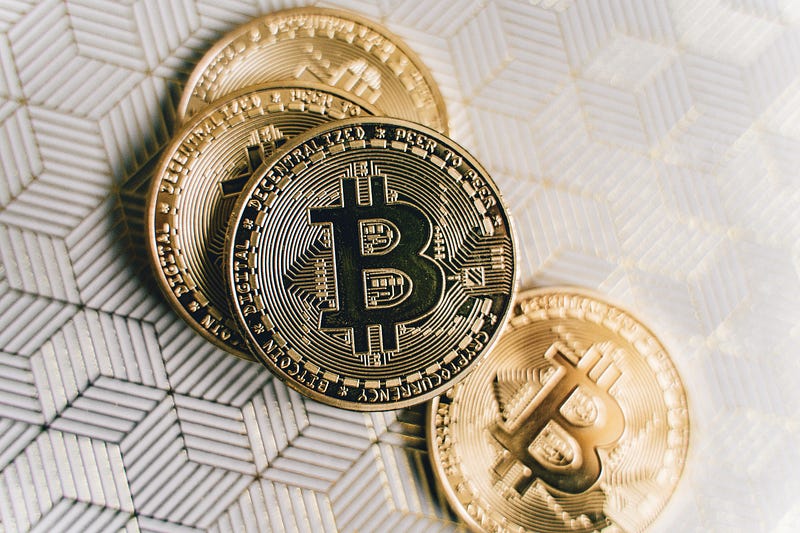
©Pexels/Alesia Kozik

What attracted security token businesses’ attention at the meeting was a presentation by Jung Eui-heon from Lambda256, a subsidiary of Korean crypto exchange Upbit’s operator Dunamu. He shared four pillars for success in the Korean security token market.


Security tokens gaining traction in Korea

Security tokens have been a trending topic in the Korean blockchain industry since the Korean Financial Services Commission (FSC) allowed the issuance and trading of security tokens last February. Furthermore, a 2022 report jointly published by Boston Consulting Group and Singaporean investment platform ADDX predicted that the total size of illiquid tokenized assets worldwide would reach $16 trillion by 2030.

Against this backdrop, here are the four keys to successful security token projects that Jung outlined.


Technology adaptation

First, he emphasized the importance of adopting rapidly changing technology. To tackle the issue, he suggested teaming up with advanced tech companies for long-term collaboration. When choosing tech partners, companies should ensure they are sustainable, possess technological prowess, hold credibility on high volume transactions, and maintain the security level of financial institutions, Jung advised.


Forging partnerships

The second point he mentioned was the need to forge partnerships. The FSC’s February guideline requires the issuance and distribution of security tokens to be managed separately. This means that security token projects require collaboration between issuers, distributors, account managers, asset holders, and tech companies.


New securities products

Jung also noted that discovering new securities products is crucial. Partnering with existing fractional investing companies may help accelerate the security token project initially, but in the long run, enterprises will eventually have to create products in various fields such as gaming, movies, and entertainment.


Token liquidity

Lastly, Jung underlined the token liquidity, which plays a crucial role in determining its prices. Issuers will need to find various distributors and vice versa. Securing liquidity requires the establishment of a technical standard that improves interoperability and compatibility, he highlighted.

More to Read
View All
Web3 & Enterprise·

Oct 27, 2023

Rotonda and Hancom Frontis Join Forces for Web3 Ecosystem Growth

Rotonda and Hancom Frontis Join Forces for Web3 Ecosystem GrowthRotonda, the subsidiary of Korean cryptocurrency exchange Bithumb and the operator of cryptocurrency wallet platform Burrito Wallet, has recently announced a memorandum of understanding (MOU) with Hancom Frontis. This strategic partnership is geared towards accelerating the growth of the Web3 ecosystem.Photo by Shubham’s Web3 on Unsplash3D metaverse platformIn April, Hancom Frontis officially launched a 3D metaverse platform known as a:rz META. This platform offers a wide array of services, including virtual meetings, online education, and telemedicine, all facilitated by the integration of blockchain-powered digital assets.With the introduction of a:rz META, Hancom Frontis has shifted its focus to Web3-based businesses. The company aims to expand its user base globally through a series of gradual updates.Fostering mutual growthThrough this partnership, both entities are set to embark on several collaborative initiatives aimed at fostering mutual growth. These efforts include sharing resources like personnel, materials, and information, as well as strengthening their business networks. They will jointly engage in research and development of blockchain-based services and work towards enhancing policies for these offerings.Shin Min-cheol, CEO of Burrito Wallet, expressed excitement about their collaboration, stating that their joint efforts would lead to the creation of an advanced blockchain environment that boasts enhanced technology and services. He also highlighted that Burrito Wallet’s ongoing partnerships with businesses across different sectors would solidify the company’s position in the market as a distinguished wallet provider that offers practical services.Recently, Burrito Wallet has taken a significant step towards its global expansion by signing a partnership with Japanese blockchain gaming platform Oasys. Meanwhile, the Korean wallet firm has also expanded its support to 11 mainnets, consistently implementing updates to enhance user-friendliness of the platform.

news
Web3 & Enterprise·

Mar 26, 2024

DigiFT launches RWA depository receipt tokens

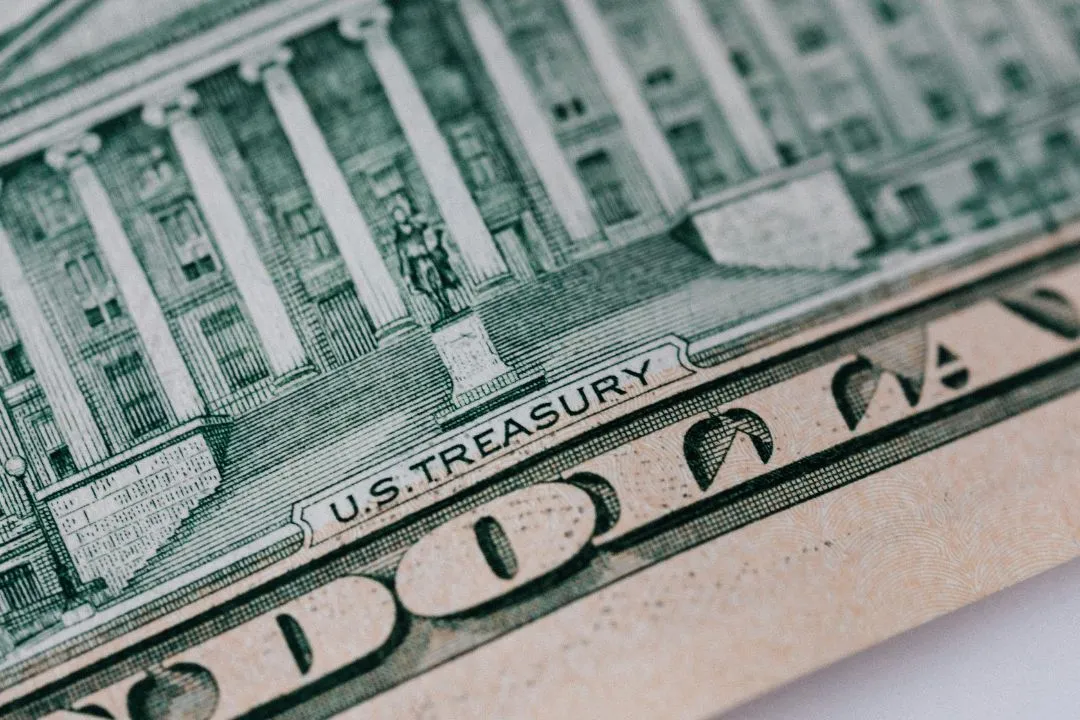
DigiFT, a Singapore-based regulated exchange for real-world assets (RWAs), has brought its latest product offering to the digital asset market by introducing its U.S. Treasury bill depository receipt (DR) tokens. These tokens offer investors fractional ownership in U.S. Treasury bills, providing an avenue to engage with the traditionally secure U.S. debt market without requiring significant upfront capital, as detailed in a press release issued by the company on Monday.Photo by Karolina Grabowska on PexelsDemocratizing market accessThe conventional route to investing in U.S. Treasury bills typically demands substantial financial resources. DigiFT's DR tokens aim to democratize access to this market by enabling investors to purchase fractional shares of these bills. Henry Zhang, the founder and CEO of DigiFT, highlighted the innovative nature of the DR structure, noting its capacity to address challenges within the current market and empower investors with direct ownership of assets and returns. Zhang emphasized the company's intent to expand the scope of traditional financial assets in the Web3 space, leveraging the DR model to enhance investor protection and transparency. The DigiFT U.S. Treasury Tokens (DRUST) represent the inaugural offering in a series under the DR structure. These DR tokens, a type of security token, offer fractional ownership of an underlying asset. In the case of DigiFT, these tokens are specifically backed by U.S. Treasury bills, providing investors with exposure to the secure US debt market. Each DRUST token is directly backed by AA+ rated, highly liquid and short-term U.S. Treasury Bills, offering stability and tailor-made solutions for stablecoin issuers and Web3 product developers seeking regulatory-compliant treasury and cash management options. Pursuing regulatory complianceIn its latest announcement DigiFT has outlined its intention to pursue regulatory compliance, a facet intended to instill confidence and assurance among investors. Having been established in 2021 and previously operating within the Monetary Authority of Singapore's (MAS) FinTech Regulatory Sandbox, DigiFT obtained a Capital Markets Services (CMS) license and was acknowledged as a Recognised Market Operator (RMO) in December 2023. By adhering to regulations, DigiFT aims to simplify the investment process and broaden accessibility for investors. DigiFT highlights that institutional and accredited investors can access DRUST tokens from authorized self-custodial wallets using fiat currency or stablecoins, providing flexibility and convenience. Growing popularityThe growing popularity of tokenized funds, particularly those tied to U.S. treasuries, is evident in recent reports. Moody’s revealed a surge in the value of tokenized funds, driven by the increasing tokenization of U.S. treasuries. Both public and private blockchains are witnessing the inclusion of various assets, reflecting a broader trend toward asset tokenization. Tokenized funds offer numerous benefits, including enhanced liquidity, accessibility, reduced costs, fractionalization, decreased reliance on intermediaries, shortened settlement times, automated processes through smart contracts and improved transparency. Last June, Hong Kong-based cryptocurrency firm Finblox provided details of a tokenized version of U.S. Treasury Bills it has been working on. In November, the Bureau of the Treasury in the Philippines announced the issuance of one-year tokenized bonds to the value of $179 million. Binance Research has identified real-world asset tokenization as a key theme in crypto for 2024, noting its potential to improve transparency and efficiency by bringing off-chain assets onto blockchain networks.

news
Web3 & Enterprise·

May 25, 2023

Japanese Crypto Firm Pafin to Introduce DeFi Asset Management Platform

Japanese Crypto Firm Pafin to Introduce DeFi Asset Management PlatformA Japanese company specializing in cryptocurrency services is preparing to launch a DeFi asset management platform.Photo by Shubham Dhage on UnsplashDeFi asset managementPafin, the company behind Cryptact, a service that automates cryptocurrency profit and loss (P&L) calculations, is set to introduce Defitact on June 5. Defitact is a platform designed to consolidate transactions involving decentralized finance (DeFi) assets and NFTs, complemented by illustrative charts. Pafin claims that it is the first provider of crypto P&L calculations to offer blockchain asset management in the Japanese language.The company envisions a broad array of services through Cryptact, from asset management to P&L calculations, to support all Web3 activities in today’s digital landscape.Beta test for subscribersStarting from May 29, Pafin will roll out a beta test for Defitact, exclusive to Cryptact newsletter subscribers. Subscribers will be able to access the service by entering their wallet addresses in the URL provided with the newsletter, which will be sent on the beta test launch date. The newsletter will be sent to those who sign up by May 28, and registration for a Cryptact account is free.This service emerges amidst the growing prominence of Web3, with DeFi — a financial service leveraging blockchain technology — standing out as one of its most rapidly evolving sectors. As of the close of 2021, the DeFi market had a near $100 billion valuation, according to a report by the Japan Research Institute.The nature of DeFi, lacking a centralized administrator, places the onus of crypto wallet management on individuals. The Defitact service seeks to resolve the inconvenience of monitoring and managing real-time transactions on DeFi platforms, typically operating outside crypto exchanges.Available in Japanese and EnglishAs a free, bilingual (Japanese and English) service, Defitact provides a transaction history and displays crypto market capitalization in three fiat currencies: the Japanese yen, the US dollar, and the euro.Pafin’s future plans include integrating Defitact with Cryptact, adding an NFT management service, and enabling the aggregation of multiple wallets for efficient digital asset portfolio management.

news
Loading