Top

First spot bitcoin ETF filed in Hong Kong

Policy & Regulation·January 30, 2024, 1:36 AM

Hong Kong is gearing up for the potential approval and implementation of both bitcoin exchange-traded funds (ETFs) and stablecoin regulations in 2024, with further progress achieved through the first filing of a spot bitcoin ETF in the Chinese autonomous territory.
https://asset.coinness.com/en/news/54aa518b6d0e361797e540eac30922fa.webp
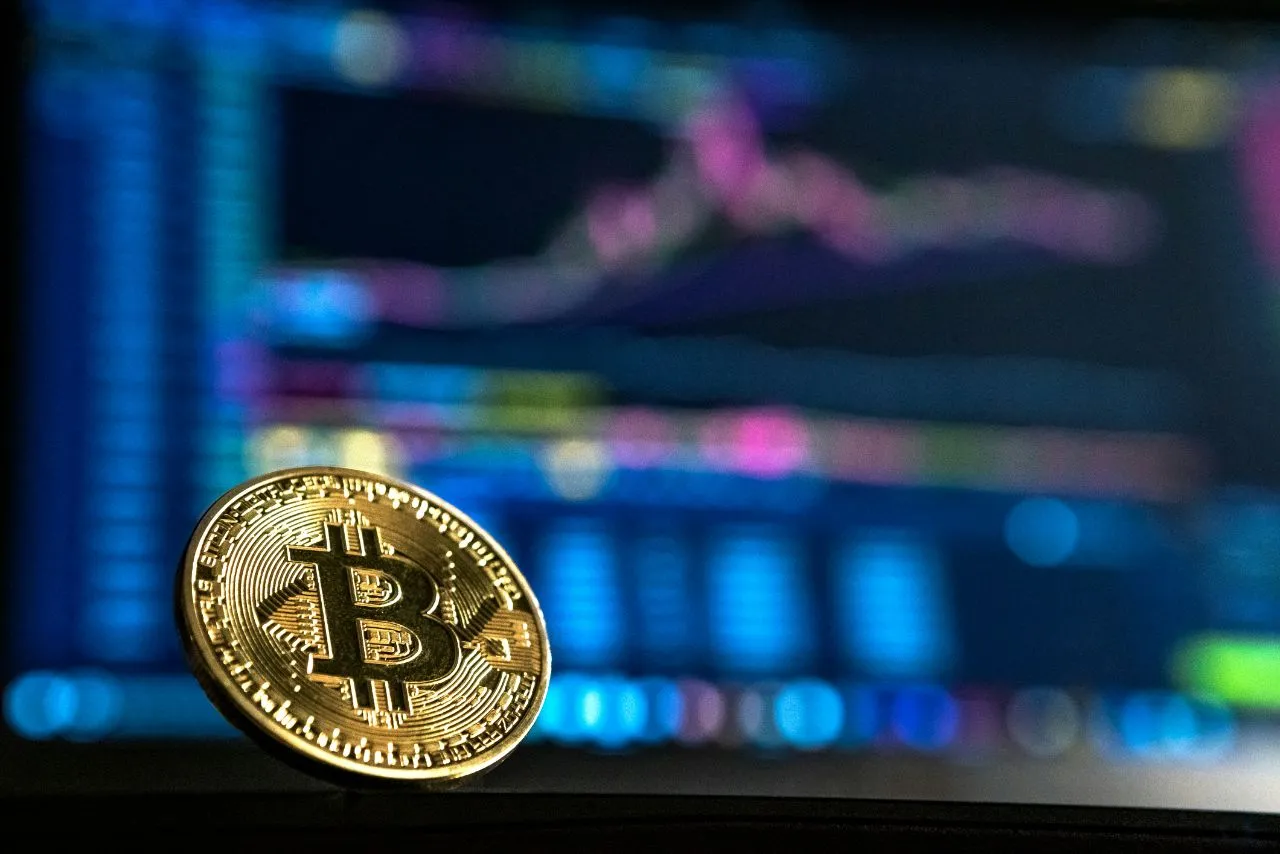
Photo by André François McKenzie on Unsplash

Harvest Fund files

Harvest Fund (HFM), a major asset manager based in China, has taken the lead by filing for a spot bitcoin ETF with the Hong Kong Securities and Futures Commission (SFA), as reported by Tencent News.


While details on the Harvest Fund bitcoin ETF remain limited, the company is hoping for its debut on or after the Lunar New Year holiday, which lands on Feb. 10. Reports suggest that Hong Kong's regulatory body may follow a path similar to the U.S. SEC, approving multiple spot bitcoin ETF applications to ensure fair market access. Although Harvest Fund was the first to apply, other regional financial institutions have expressed interest in launching similar products within the year.


Livio Weng, Chief Operating Officer of crypto exchange HashKey, revealed that approximately ten asset management firms are developing spot crypto ETFs for Hong Kong, with applications already submitted to the Hong Kong Securities Regulatory Commission. Earlier this month, Venture Smart Financial Holdings (VSFG) announced its plan to launch a spot bitcoin ETF within the first quarter of this year, contributing to the growing momentum.


Stablecoin interest

In tandem with the push for spot crypto ETFs, there is a rising interest in stablecoins. Multiple Hong Kong companies, including Harvest Global Investments, RD Technologies and VSFG, are reportedly engaging in discussions with the Hong Kong Monetary Authority (HKMA) about potential stablecoin trials. These trials aim to explore use cases ahead of anticipated stablecoin regulations in Hong Kong.


The HKMA's December consultation paper outlined licensing requirements for fiat-pegged stablecoins, positioning them as a bridge between traditional finance and crypto markets. Sean Lee, senior advisor and head of stablecoin at VSFG, told The Block that it is committed to applying for sandbox inclusion, along with consortium partners, to showcase the potential of programmable digital money while meeting prudential requirements.


An HKMA spokesperson confirmed ongoing preparations for the imminent launch of the stablecoin sandbox arrangement. The key criterion for applicants is a demonstrated commitment to a reasonable plan for issuing fiat-reference stablecoins (FRS) in Hong Kong. FRS refers to fiat-reference stablecoins pegged to the value of a fiat currency and backed by a government-issued currency, aligning with the most common stablecoin model.


Eddie Yue, CEO of the HKMA, highlighted the potential of stablecoins, stating they could serve as the interface between traditional finance and the virtual asset market. The parallel development of spot crypto ETFs and stablecoin regulations underscores Hong Kong's commitment to fostering digital assets while ensuring investor protection through effective market oversight. Crypto ETFs offer expanded access, while stablecoin trials enable controlled experimentation, establishing gateways between traditional finance and the emerging crypto sectors.



More to Read
View All
Policy & Regulation·

Apr 10, 2023

Binance Headlines List of Japan FSA Warning Letter Recipients

Binance Headlines List of Japan FSA Warning Letter RecipientsJapan’s Financial Services Agency (FSA) issued a warning letter on Friday stating that several foreign cryptocurrency exchanges have been operating in the country without proper registration, thereby infringing Japan’s fund settlement laws. The regulatory authority specifically named Binance, Bybit, MEXC Global, and Bitget as the entities in question.The FSA indicated that these exchanges need to register with the agency to continue operating in Japan. Failure to comply with the registration requirements would result in enforcement actions by the FSA, which could include the suspension of their operations in the country.©Pexels/David DibertUnregistered digital asset exchangesThe FSA’s warning letter detailed that the cryptocurrency exchanges mentioned had contravened Japan’s fund settlement regulations by engaging in crypto asset exchange operations without proper registration. The regulatory body emphasized that the current list of unregistered traders may not accurately reflect the current state of unregistered businesses in the country.The FSA intends to continue monitoring the market and taking appropriate regulatory measures to protect consumers and the integrity of the financial system. The agency also encouraged all unregistered operators to register with the FSA to avoid any possible enforcement actions.Clamping down on unregistered exchangesThe FSA’s recent action against unregistered cryptocurrency exchanges is in line with the regulatory body’s ongoing efforts to clamp down on non-compliant operators in Japan. In 2020, the FSA introduced new regulations mandating that all crypto exchanges must register with the agency and obtain a license to operate in the country. These regulations were put in place to strengthen consumer protection and enhance the transparency of the cryptocurrency market. By taking these measures, the FSA aims to foster a more stable and secure environment for the burgeoning crypto industry in Japan.The FSA’s warning to Binance is indicative of the growing regulatory scrutiny that the cryptocurrency industry in Japan and other nations is currently facing. Regulators are increasingly concerned about the potential risks associated with unregulated cryptocurrency exchanges, such as fraud, money laundering, and market manipulation. As a result, many regulatory bodies are implementing stricter rules and guidelines to promote transparency, accountability, and consumer protection in the cryptocurrency market.These regulations aim to create a more secure and reliable environment for investors and industry participants. The FSA’s actions against Binance serve as a reminder to all market players that compliance with regulatory requirements is critical for the long-term success of the cryptocurrency industry.Global regulatory variationWhile Japan is taking steps to implement new regulations for the cryptocurrency and Web3 sectors, the country has not been as stringent in its approach as some other major economies, such as the United States. However, this does not mean that regulators in Japan are not actively monitoring the industry and taking appropriate action where necessary.One example of such action is the recent lawsuit filed by the US Commodity Futures Trading Commission against the popular crypto exchange firm, Binance, and its founder, Changpeng Zhao, over regulatory violations. This highlights the fact that regulatory bodies in different parts of the world are taking a more proactive approach to monitoring the cryptocurrency industry.Moreover, the FSA in Japan issued a formal warning letter to Binance in 2021 for operating without the necessary permissions. This is an indication that the regulatory landscape in Japan is evolving, and that crypto exchanges must comply with the relevant regulations to avoid potential legal repercussions. While the severity of regulatory measures may differ across different jurisdictions, the message is clear: compliance is crucial for the long-term viability of the cryptocurrency industry.

news
Web3 & Enterprise·

Aug 31, 2023

Incheon Joins Hands with The Sandbox to Promote City in the Metaverse

Incheon Joins Hands with The Sandbox to Promote City in the MetaverseIncheon Metropolitan City is partnering with global metaverse platform The Sandbox to create innovative marketing content aimed at promoting its urban landscape within the virtual realm and establishing an overseas promotional network. This move makes it the first South Korean public institution to work with a metaverse platform.Photo by Jiho Choi on UnsplashThe Sandbox’s virtual worldBuilt on the Ethereum blockchain, The Sandbox enables users to employ non-fungible tokens (NFTs) for creating play-to-earn (P2E) games that can be monetized. The ecosystem’s utility token, SAND, facilitates this mechanism as it is used for in-game purchases. Currently, the platform boasts one of the highest cumulative NFT collection volumes among virtual world projects on the world’s largest NFT marketplace, OpenSea. It has also formed partnerships with over 400 entities around the world.City marketing strategyThrough this collaboration, Incheon plans to develop and introduce engaging content for users to experience the city virtually, such as a variety of events. Furthermore, the city also intends to utilize its intellectual property (IP) for activities such as NFT donation campaigns and metaverse creator training programs to implement extensive NFT content within The Sandbox’s virtual world.“We plan to continually develop content that enables people around the world to experience Incheon through our collaboration with the global metaverse platform,” said Lee Se-woong, Head of Incheon’s City Branding Division.

news
Markets·

Jun 03, 2023

Beosin Report: Crypto Rug Pulls Surpass DeFi Exploits in May

Beosin Report: Crypto Rug Pulls Surpass DeFi Exploits in MayAccording to a recent report by blockchain security firm Beosin, losses from “rug pulls” or “exit scams” in the cryptocurrency space exceeded the amount stolen from decentralized finance (DeFi) projects during the month of May.The report, published on June 1 by Beosin Blockchain Security, revealed that rug pulls and scams resulted in losses of over $45 million across six incidents during the month. Beosin is headquartered in Chengdu, in China’s Sichuan province. The firm uses formal verification methods to secure smart contracts.In general there were 22 security incidents in the digital assets space over the course of the month. That overall figure accounts for losses totaling $20 million, and represents a vast improvement on the previous month.Three of the incidents were accounted for by security issues related to hardware wallets such as the Trezor and imKey wallets. Six were rug pulls/crypto scams, two were crypto crime incidents while another implicated a critical vulnerability relative to zero-knowledge proof technology.Photo by Tara Winstead on PexelsDeFi protocol attacksIn contrast, there were 10 attacks on DeFi protocols, amounting to $19.7 million in stolen funds. This figure represents a significant decrease of nearly 80% compared to April, and the losses from these types of exploits had been declining for two consecutive months, as per Beosin’s findings.The largest rug pull incident in May involved the alleged disappearance of $32 million associated with the crypto project Fintoch on May 24. Meanwhile, the largest attack on a DeFi platform was a $7.5 million breach targeting Jimbos protocol, according to Beosin’s report.Shifting hacker strategyBeosin noted a shift in the targeting strategy of hackers and scammers, who are now increasingly focusing their attacks on ordinary users rather than various project parties. To mitigate risks, the report recommended that crypto users enhance their anti-fraud awareness, conduct thorough due diligence before investing in projects, and learn how to improve the security of their digital assets.The report also issued a warning against using shared or public charging devices for mobile phones. Beosin highlighted the potential risks associated with these devices, as they could be manipulated to inject malicious programs that compromise private keys. This caution aligns with a similar advisory issued by the United States Federal Bureau of Investigation (FBI) in April.The FBI’s Denver office cautioned against using public USB ports, including those found at airports, due to the potential introduction of malware and monitoring software onto devices. Instead, they suggested carrying a personal charger and USB cord for use with electrical outlets.As the cryptocurrency landscape continues to evolve, it is crucial for users to remain vigilant and proactive in safeguarding their investments. With the rise of rug pulls and the ongoing threats in the DeFi space, staying informed, exercising caution, and adopting robust security measures are essential for protecting one’s digital assets in this rapidly changing industry.

news
Loading