Top

Korean and U.S. regulators to discuss recognizing NFTs as virtual assets in May

Policy & Regulation·February 27, 2024, 6:40 AM

Lee Bok-hyun, the governor of South Korea’s Financial Supervisory Service (FSS), is set to have a meeting with Gary Gensler, the chair of the U.S. Securities and Exchange Commission (SEC), in May. The purpose of their meeting is to discuss whether to classify non-fungible tokens (NFTs) as virtual assets. Currently, NFTs are not seen as virtual assets in Korea, but there is a high likelihood of them being acknowledged as such following the meeting in May, local financial media outlet Edaily reported.
https://asset.coinness.com/en/news/0166cb79790b6439ea2fd67963c8600a.webp
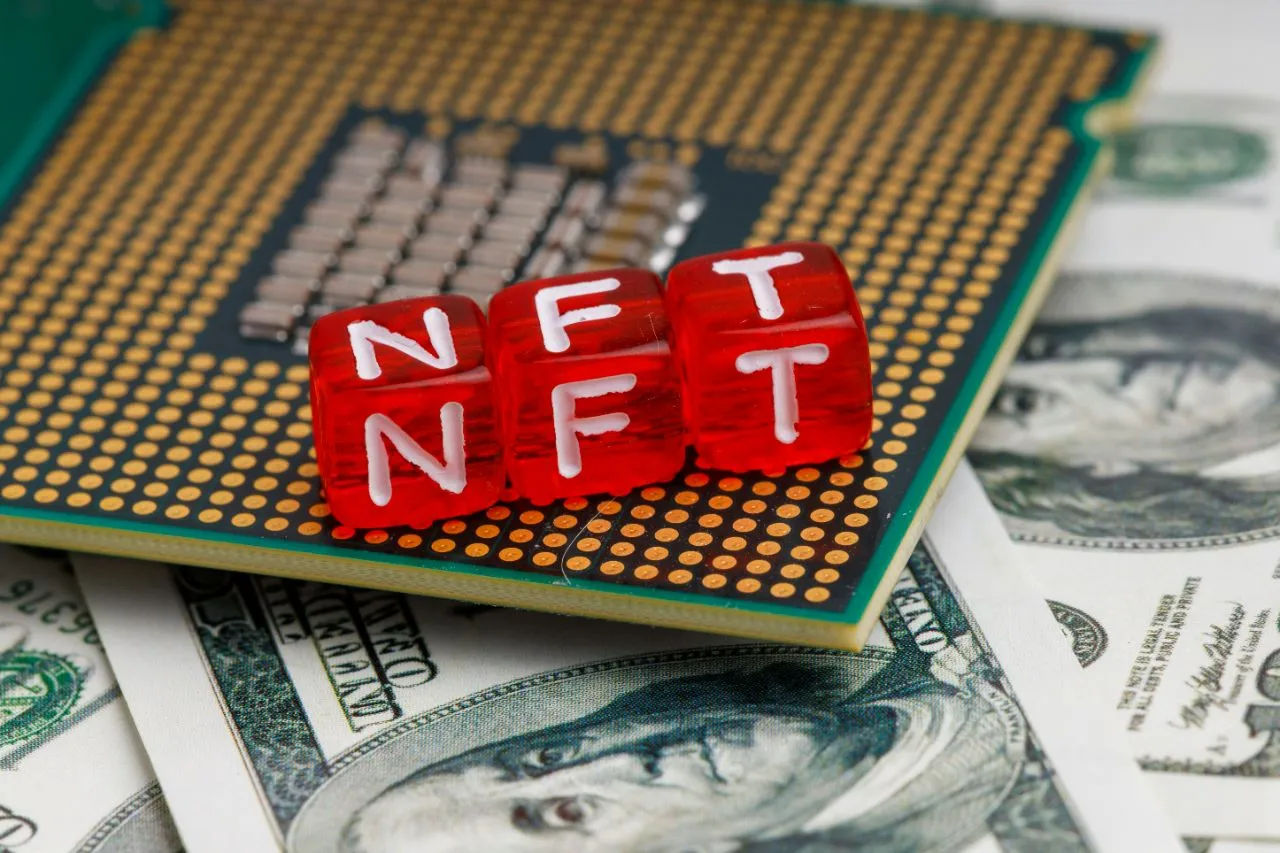
Photo by Andrey Metelev on Unsplash

Lack of definition for NFTs

An NFT is a digital certificate of authenticity that is not fungible or replicable. NFTs tokenize content or assets of various types – from images, music, videos, games and artworks to real-estates – by assigning a unique token ID to them. Many see 2018 as the year NFT technology was first introduced. 


Despite its wide range of applications, no legal definition has been made for NFTs. Some view NFTs as technology, and others as virtual assets or securities. The Korean government decided not to recognize NFTs as virtual assets under the Virtual Asset Protection Act (Virtual Asset Act), effective in July. Behind this decision is a perception that NFTs are less likely to pose significant risks to the market, as a large portion of NFTs are now traded by collectors seeking to expand their private collections. 


However, NFTs are increasingly seen as speculative destinations by many investors over time, as prices of virtual assets including BTC surge. This shift backs the local movement to recognize NFTs as well as spot bitcoin ETFs as virtual assets.


Opposition from NFT businesses

Blockchain industry insiders say defining NFTs is of utmost importance, noting that classifying NFTs as virtual assets headfirst could deal a heavy blow to businesses in this sector. One finance insider mentioned that defining NFTs comes down to understanding their purposes and how they are utilized. If NFTs are primarily used for speculative purposes or as currency, they could be recognized as virtual assets, the person said. 


The biggest resistance is coming from NFT-related businesses. That is because recognizing NFTs as virtual assets would require these businesses to obtain a virtual asset service provider (VASP) license from the financial authority, which takes significant costs and workforce in the process.


A CEO of a blockchain startup, who preferred to remain anonymous, expressed concerns about the possibility of NFTs becoming virtual assets, saying that such recognition would enable NFT transaction tracing, potentially leading to severe violations of human rights.


While many industry insiders expect that the financial authorities will bring NFTs under the forthcoming Virtual Asset Act, the FSS stated that no decisions have been made regarding details of the upcoming meeting with the U.S. SEC. 
More to Read
View All
Web3 & Enterprise·

May 20, 2025

Ripple expands in UAE with new partners Zand Bank and Mamo

Ripple, the blockchain company behind the XRP token, announced in a May 19 press release that it has added two new customers in the United Arab Emirates (UAE)—Zand Bank and Mamo. Both institutions will use Ripple Payments, the company’s blockchain-based platform for cross-border transactions. Photo by Dmytro Demidko on UnsplashExpanding under Dubai license obtained in MarchThis partnership comes after Ripple’s obtainment of a license from the Dubai Financial Services Authority (DFSA) in March to offer regulated crypto payments and services in the Dubai International Finance Centre (DIFC). Ripple Payments facilitates end-to-end payment management for its customers. The platform enables funds to be transferred globally around the clock, with payments settled within minutes. Ripple’s latest move follows growing demand for blockchain-powered payment solutions in the Middle East. Ripple’s 2025 New Value Report shows 64% of Middle East and Africa (MEA) finance leaders see faster payments as the main reason to adopt blockchain for cross-border transactions. “Our new partnerships with Zand Bank and Mamo are testament to the momentum that the license has created for our business,” said Reece Merrick, Managing Director for the Middle East and Africa at Ripple. Zand Bank, the UAE’s first fully licensed all-digital bank, will leverage Ripple’s technology to enhance its payment solutions. “Our collaboration with Ripple highlights our commitment to empowering global payment solutions through blockchain technology. Moreover, we are excited to soon launch an AED-backed stablecoin,” said Chirag Sampat, Head of Treasury and Markets at Zand Bank. Meanwhile, Mamo, a company that helps businesses consolidate payment collection, corporate cards and expense management, sees the partnership as an opportunity to support the UAE’s growth. “The UAE is on an incredible growth path, with over a million businesses expected to call it home by 2030. At Mamo, we're proud to be at the forefront of this journey making global payments simpler and more accessible for everyone,” said Imad Gharazeddine, CEO and co-founder of Mamo. Ripple faces legal setback in U.S.While Ripple continues to expand its business globally, it is facing ongoing legal challenges in the U.S. On May 15, U.S. District Judge Analisa Torres rejected a joint request by Ripple and the U.S. Securities and Exchange Commission (SEC) to approve a proposed $50 million settlement. The settlement would have reduced Ripple's fine from $125 million to $50 million, effectively concluding a four-year legal dispute. The case began in December 2020, when the SEC accused Ripple of raising $1.3 billion through unregistered XRP sales. In July 2023, Judge Torres ruled that Ripple’s institutional XRP sales violated securities laws, while sales on exchanges to retail investors did not. Despite the SEC easing its crypto enforcement activities under the Trump administration, Judge Torres rejected the proposed settlement, calling it “procedurally improper.” Ripple’s bid to acquire USDC issuerIn a related development, Ripple made an offer to acquire Circle, the issuer of the USDC stablecoin. Circle, which is preparing for an initial public offering (IPO), is also exploring a potential sale and has reportedly engaged in informal discussions with both Coinbase and Ripple, seeking a valuation of $5 billion. However, Ripple’s offer was reportedly turned down. Meanwhile, XRP is trading at $2.39, up 2.57% over the past 24 hours, according to CoinMarketCap data at the time of publication.

news
Web3 & Enterprise·

Sep 25, 2023

Korea Investment and Securities Completes the Construction of Security Token Infrastructure

Korea Investment and Securities Completes the Construction of Security Token InfrastructureKorea Investment and Securities (KIS) recently announced that it has become the first securities firm in South Korea to successfully establish an infrastructure for security token offerings.Photo by Joshua Sortino on UnsplashReal-world assetsSecurity tokens are a new class of securities that are based on distributed ledger technology, allowing individuals to invest in real-world assets (RWAs) that can be tokenized. Such assets include real estate, ships, airplanes, and artworks.In March, KIS initiated a security token consortium named “Korea Investment ST Friends,” collaborating with Internet-only banks KakaoBank and Toss Bank, AI company Kakao Enterprise, and blockchain developer Open Asset. Since May, the consortium has been diligently working with the principal objective of constructing an infrastructure leveraging distributed ledgers. Consequently, the group has finalized the development and testing of a system that manages the entire trajectory of security token projects, from issuance to liquidation.Cloud systemSpecifically, KIS has built its infrastructure on a cloud network, bearing in mind that the regulatory framework for security tokens is still in development. This cloud system is capable of adapting to regulatory modifications and implementing improvement updates. Moreover, it utilizes an agile development approach to encourage rapid decision-making and productive collaborations, enhancing time efficiency.Compatibility with the traditional systemThe newly established security token infrastructure is also compatible with the traditional security trading system. Achieving this compatibility posed numerous technical challenges as the new system operates on distributed ledgers, whereas the existing one relies on centralized servers.KIS is preparing to file patents for some of the technologies incorporated into the new system. These technologies encompass the payment of dividends through smart contracts, assurance of immediate settlements using deposits on distributed ledgers, and the management and safeguarding of personal information. By demonstrating the infrastructure’s capability and stability, the securities firm aims to gain a technological edge.Choi Seo-ryong, the head of the platform division at KIS, expects the new infrastructure to mark a significant milestone as distributed ledger technology merges with traditional finance. He further mentioned that the securities company will discover blue-chip assets meeting investor needs while committing to the stable establishment of the regulatory framework and the protection of investors.Moving forward, ST Friends will continue to enhance the stability and functionalities of the infrastructure through a series of field tests related to the entire process of security token products. Aiming to construct a security token ecosystem, the group will also concentrate on developing products by collaborating with various firms, including Korean content investment platform Funderful and real estate trading platform Valuemap.

news
Web3 & Enterprise·

Aug 10, 2023

Parameta and Solbric Korea to Create First Solar Power Plant Security Token Platform in Korea

Parameta and Solbric Korea to Create First Solar Power Plant Security Token Platform in KoreaSouth Korean blockchain company Parameta (formerly known as Iconloop) said Tuesday it entered a business deal with Solbric Korea, a subsidiary of solar energy innovation company Next Solar Energy, to jointly establish the country’s first solar power plant security token platform that allows investors to make fractional investments in solar energy.Photo by Nuno Marques on UnsplashReceiving approval as an innovative financial serviceIn order to establish such a platform that designates solar power plants as underlying assets, they will jointly apply for a financial regulatory sandbox — a program introduced by the Korean government that offers a special and provisional regulatory exemption for financial services that have been recognized for their innovativeness.Once the platform is recognized under the sandbox as an innovative financial service, the two companies will work together on the issuance and distribution of security tokens.Expanding opportunities to invest in solar energyUltimately, Solbric aims to build a platform that brings security token technology to the solar power sector, which, until now, has presented limited investment opportunities for individual investors in Korea. It will allow them to trade securities and make small-scale, fractional investments in solar power plants.To do so, Solbric intends to leverage the knowledge and expertise of its parent company, Next Solar Energy — an experienced veteran in the solar plant industry.As its partner, Parameta will provide the necessary blockchain technology for constructing and managing the platform based on its security token offering service, Parameta S. This service uses tokens to allow fractional management of real-world assets (RWAs), making it easy to invest in and organize them. This offers more liquidity and flexibility compared to traditional investment methods.“We will focus on providing investment returns to platform users as well as the unique experience of owning various solar power plants,” said Kang Jae-won, the CEO of Solbric Korea.Increased institutional supportThis project is made possible by the recent upturn in institutional support from Korean financial authorities that allows more security token offerings. Last month, the Korean Financial Services Commission ultimately granted regulatory exemptions to several fractional investment firms that have successfully completed the business reorganization as requested by the regulator. The Financial Supervisory Service has also decided to allow fractional investment businesses to apply for investment contract securities.Taking advantage of this momentum, Solbric and Parameta plan to continually explore diverse business opportunities to establish their platform.“We are currently working with various specialized companies, including Solbric, to expand our security token businesses in various fields such as solar power plants, mobility, real estate non-performing loans, carbon emission rights, and electric vehicle batteries,” said Kim Jong-hyup, CEO of Parameta.

news
Loading