Top

Coins.ph partners with Paxos to further PYUSD adoption

Web3 & Enterprise·November 22, 2023, 1:05 AM

Coins.ph, the Philippines’ leading cryptocurrency exchange, has forged a strategic alliance with Paxos Trust Company, a New York-based institution specializing in blockchain, aiming to propel the adoption of PayPal USD (PYUSD) for seamless cross-border remittances.

Photo by C Bueza on Unsplash


Targeting fourth largest remittance market

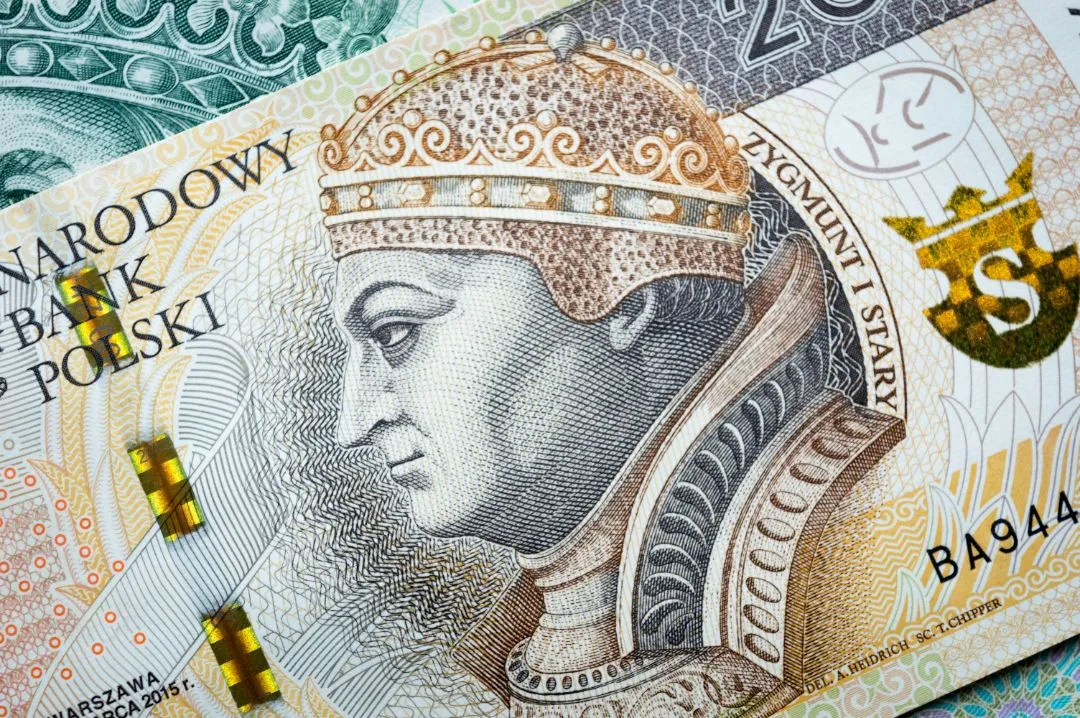
The Southeast Asian firm outlined details of the partnership via a blog post published to its website on Tuesday. The integration of PYUSD into Coins.ph marks a significant milestone, providing Filipinos with a secure and convenient avenue for transferring funds across borders to their loved ones. Wei Zhou, CEO of Coins.ph, emphasized the foresight in prioritizing the growth of USD stablecoins, particularly PYUSD, acknowledging the Philippines as the fourth largest remittance-receiving country globally, with over 40% of these remittances originating from the United States. Zhou stated:

“With PayPal behind it and its availability on platforms such as Venmo and Xoom, PYUSD is set to become one of the most widely used stablecoins in the world.”

PYUSD is a U.S. dollar stablecoin promoted by American multinational payment system PayPal and issued by Paxos.

Nick Robnett, Senior Director of Customer Success at Paxos, echoed Zhou’s sentiment, stating that PYUSD stands as the safest dollar-backed stablecoin accessible to global institutions and consumers. This regulated digital asset enables Coins.ph users to send U.S. dollars swiftly and affordably, challenging conventional remittance networks and providing enhanced access and economic freedom.


Asian expansion

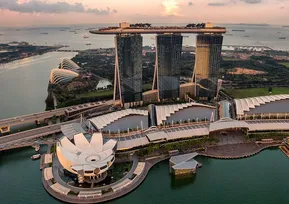
This latest collaboration in the Philippines comes hot on the heels of similar in-roads made elsewhere in Southeast Asia. In Singapore, Paxos has partnered with Crypto.com, an entity that is headquartered in the city-state. The local regulator, the Monetary Authority of Singapore (MAS), had outlined a new regulatory framework for stablecoins in August, making conditions right for Paxos to further develop its PYUSD offering from that location.

It got a further boost last week when MAS awarded its local subsidiary, Paxos Digital Singapore Pte. Ltd., in-principle approval to trade within Singapore. The relatively new stablecoin has already been listed on international crypto exchanges such as Bitstamp, Coinbase and Kraken.


Philippine potential

The Philippines is shaping up to have a lot of potential for Paxos and its PYUSD stablecoin. The country has been working on the publication of a regulatory framework for crypto. Coins.ph Head of Legal Compliance, Robert De Guzman, stated in April that the Southeast Asian country was shaping a progressive crypto regulatory framework. Earlier this year, Donald Lim, the Founder of the Blockchain Council of the Philippines (BCP), said that the country was poised for crypto adoption.

For users keen on employing PYUSD for remittances, the process is streamlined. Senders transmit PYUSD to the designated Coins.ph wallet address of recipients, from where easy conversion to the Philippine peso (PHP) on the app and subsequent cash-out becomes possible. This can be facilitated through InstaPay or PESONet fund transfers to banks and other e-wallets or through various supported over-the-counter remittance centers endorsed by Coins.ph.
More to Read
View All
Markets·

Mar 04, 2024

Bitcoin rally significantly benefits online-only Kbank in Korea

Following the recent bitcoin boom, transactions in cryptocurrencies among Korean investors have surged, significantly benefiting local banks that have made contracts with Korean crypto exchanges to offer real-name accounts for crypto investors. As the price of bitcoin soared to as high as KRW 90 million ($67.6 million) in Korea on Thursday, online-only bank Kbank saw an uptick in trading fee revenue, according to local media outlet The Seoul Economic Daily. Kbank is a partner with crypto exchange Upbit, which accounts for 70% of the Korean crypto market.  Under the current law, Korean crypto exchanges offering trading against Korean won must secure real-name accounts from a bank. These banks typically earn fees of KRW 300 to KRW 1,000 per transaction. Currently, other than Kbank, NongHyup Bank offers real-name accounts to Bithumb, Kakaobank to Coinone, Shinhan Bank to Korbit and Jeonbuk Bank to Gopax.Photo by Kanchanara on UnsplashCrypto trading volume up 68.2% in a monthAccording to Xangle, a crypto data intelligence platform, the total crypto trading volume in Korea rose by 68.2% between the last week of January and the last week of February, rising from KRW 2.39 trillion to KRW 40.2 trillion. During the same period, the daily average trading volume also grew from around KRW 4 trillion to KRW 5.7 trillion.   In particular, the bitcoin trading volume on Upbit surged to 19,254 BTC on Feb. 28, reaching the second-highest level since Nov. 10, 2022, when the asset’s trading volume stood at 20,710 BTC. After signing the real-name account contract with Upbit in 2020, Kbank raked in KRW 29.2 billion in fees during the last bull market of 2021, which was equivalent to 14% of its annual interest income of KRW 198 billion and exceeded its net income for the year, which stood at KRW 22.5 billion. Increased bank deposits from exchange usersKbank also saw a substantial rise in its balance sheet, with Upbit users depositing around KRW 2.94 trillion into their real-name accounts. The sum is six times greater than the deposits made into NongHyup Bank by Bithumb users, which stood at KRW 547.1 billion.  Experts see that the surge in Kbank’s user base, which recently surpassed 10 million users, is largely attributed to growing excitement surrounding bitcoin. One crypto insider said that crypto trading fees, which have been on the decline for the past 2 years, could take a turn this year, signaling further gains for the affiliated banks.  

news
Web3 & Enterprise·

Apr 07, 2023

Samsung Plans to Expand Its Business Through NFTs

Samsung Plans to Expand Its Business Through NFTsSamsung Research, the research arm of Samsung Electronics, set up a new task force earlier this year to launch new projects to combat slowing demand for home appliances.Photo by Markus Winkler on PexelsSamsung’s endeavors in NFTsOne of its projects will involve non-fungible tokens (NFTs), in which Samsung has been showing its continued interest. Last February, Samsung Electronics displayed NFT artworks on their high-end televisions, and more recently, the high-tech company signed a memorandum of understanding with Hana Financial Group to develop NFT-related products.TVs to offer NFT art trading functionalityIt is predicted that in the first half of this year, Samsung will release a premium television with an application that allows TV viewers to trade NFT artworks. It is analyzed that the leading hardware manufacturer now attempts to expand its business models through NFTs and other content services while maintaining its dominance in the TV market.

news
Policy & Regulation·

Jun 01, 2023

Hong Kong and the UAE Collaborate on Crypto Regulation

Hong Kong and the UAE Collaborate on Crypto RegulationHong Kong and the United Arab Emirates’ (UAE) central banks have announced a collaboration to work on cryptocurrency regulations and financial technology development. The move is significant insofar as both territories have been making headway in developing global crypto hubs over the course of the past six months.Photo by Nick Fewings on UnsplashStrengthening cooperationFollowing a meeting on Monday, the Hong Kong Monetary Authority (HKMA) and the Central Bank of the UAE published a statement on Tuesday, in which they set out the areas of cooperation between them. They agreed to strengthen cooperation on “virtual asset regulations and developments.”The central banks also expressed their commitment to facilitating discussions on joint fintech development initiatives and the sharing of knowledge through their respective innovation hubs.Financial infrastructureDuring the meeting, the officials highlighted the importance of financial infrastructure and financial market connectivity between the two jurisdictions. The Governor of the Central Bank of the UAE, H.E. Khaled Mohamed Balama, expressed his anticipation for an ongoing and long-term relationship with the HKMA.HKMA’s Chief Executive Eddie Yue echoed this sentiment, emphasizing that both regions share many complementary strengths and mutual interests, which will contribute to the economic benefits of the collaboration.In addition to the meeting, a seminar was organized for senior executives from banks in Hong Kong and the UAE. The seminar covered various topics, including improving cross-border trade settlement and exploring how UAE corporations can leverage Hong Kong’s financial infrastructure platforms to gain access to Asian markets.This collaboration comes at a time when the Securities and Futures Commission (SFC) in Hong Kong is allowing virtual asset service providers (VASPs) to cater to retail investors starting from June 1. Christopher Hui, the Treasury Chief of Hong Kong, emphasized that virtual assets are here to stay and acknowledged the fundamental value they bring. Hui also stressed the importance of regulation to harness the positive elements of cryptocurrencies while mitigating potential risks.Since the announcement of the application process by the SFC, several cryptocurrency exchanges, including CoinEx, Huobi, BitMEX, and OKX, have filed applications to provide dedicated crypto trading services in Hong Kong.FAFT travel ruleThe collaboration between the central banks of Hong Kong and the UAE marks a significant step in the global development of cryptocurrency regulations and fintech innovation. The move is demonstrative of ever improving levels of international cooperation on digital assets worldwide.Both jurisdictions are moving forward with the implementation of the Financial Action Task Force’s (FATF) travel rule. The UAE issued new guidelines in that respect on Tuesday. Hong Kong has gotten a head start in this respect, with the implementation of the travel rule through the introduction of the Anti-Money Laundering and Counter-Terrorist Financing (Amendment) Bill in December 2022.By leveraging their respective strengths and knowledge-sharing efforts, these regions aim to foster a conducive environment for the growth and adoption of digital assets. With increased financial infrastructure connectivity and joint initiatives, both jurisdictions are poised to benefit economically from this collaboration in the long run.

news
Loading