Top

Ethereum Foundation targets Asian expansion with Bangkok set for Devcon 7

Web3 & Enterprise·January 05, 2024, 7:54 AM

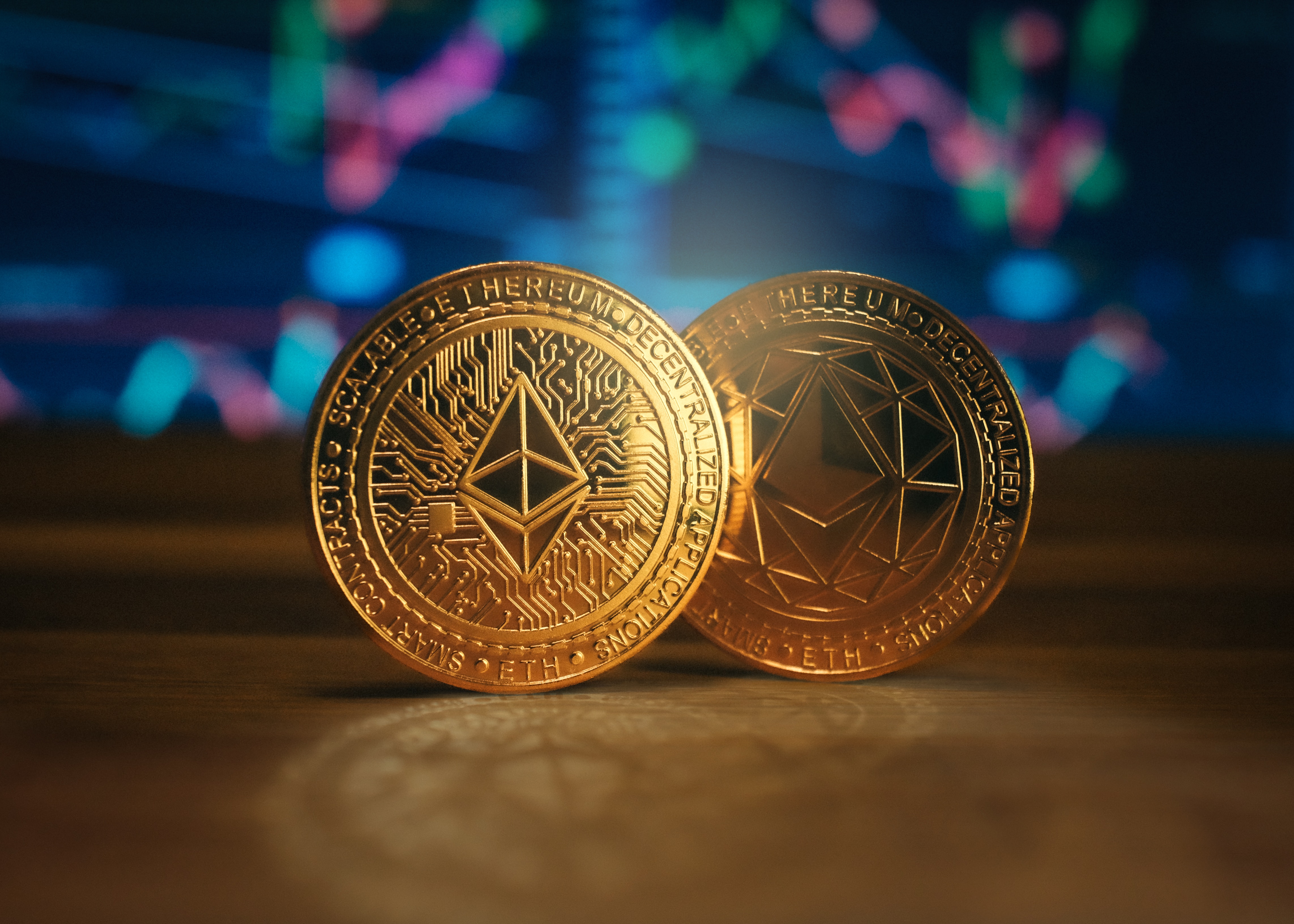
The Ethereum Foundation is set to make a significant impact on the Southeast Asian Ethereum community as it announces Bangkok as the location for Devcon 7.
https://asset.coinness.com/en/news/e99c0bb6deec5bc7cc701b920bc27002.jpg
Photo by Viktor Forgacs on Unsplash

Focusing on Southeast Asia

The Ethereum developer conference will be held in the Thai capital from Nov. 12 to 15. The decision signifies a broadened vision for the event, shifting from a city-focused approach to embracing the entire Southeast Asia region as the backdrop for this community gathering. To underscore the Foundation’s intent, it has renamed the event from Devcon 7 to "Devcon Southeast Asia."


Expressing enthusiasm about the potential and rapid growth of the Ethereum community in Southeast Asia, the Ethereum Foundation sees the scheduling of Devcon 7 for 2024 as an opportunity to deeply engage with local communities, providing meaningful support and empowerment. This shift aims to make Devcon 7 a more inclusive and regionally focused event, aptly named "Devcon Southeast Asia" to highlight its broader reach and impact.


There has already been a positive reaction from crypto community members in the region in response to the choice of Bangkok for the conference. Navaporn Nalita, the founder of Crypto City Connext in Thailand wrote that “Bangkok's collaborative ecosystem, welcomes Devcon 2024 with open arms (and open blockchains)! Thailand's vibrant dev scene is primed to ignite alongside the world's brightest minds.” In short order, community builders have been looking to make the most out of the opportunity.


Aligning with crypto growth potential

According to the blog post published by the Ethereum Foundation outlining the announcement, the choice of Bangkok as the host city aligns with the region's crypto adoption growth. Countries like Vietnam, the Philippines, Indonesia and Thailand have shown remarkable positions in the Global Crypto Adoption Index, underscoring the pivotal role of Southeast Asia in the global Ethereum landscape.


To support Ethereum events, grassroots communities and educational initiatives in Southeast Asia, the Ethereum Foundation (EF) initiated the Road to Devcon (RTD) Grants round on June 29. This grant round is specifically aimed at individuals in Southeast Asia actively building communities, developing educational activities, and contributing to the growth of the Ethereum ecosystem.


Encouraging smaller meet-ups over large events, the EF set the maximum grant at $1,000. The initiative aims to empower the Southeast Asian Ethereum community by providing support along the Road to Devcon.


In a recent Chainalysis research report, Vietnam has emerged as the leader in cryptocurrency adoption within Southeast Asia, claiming the top spot in the region and ranking third globally in the Global Crypto Adoption Index for 2023. This index considers transaction volumes, protocols, web traffic patterns and factors like population size and purchasing power.


The competition among Southeast Asian countries to establish themselves as crypto hubs is evident. Each nation adopts different regulatory approaches, with Singapore and Thailand implementing stricter measures.


There has been a steady stream of Ethereum developer-centric conferences in recent years. 2022 featured EthDenver, Avax Barcelona, Devconnect Amsterdam, Devcon Bogota and EthSF (San Francisco). EthDenver, EthCC Paris and Devconnect Istanbul followed in 2023.


As Devcon Southeast Asia approaches, the Ethereum Foundation anticipates fostering deeper connections and collaboration in this vibrant and evolving ecosystem.


 

More to Read
View All
Policy & Regulation·

Jul 25, 2025

Hong Kong criminalizing promotion of unlicensed stablecoins

The CEO of Hong Kong’s central banking institution, the Hong Kong Monetary Authority (HKMA), has outlined that the introduction of the Chinese autonomous territory’s Stablecoins Ordinance on Aug. 1 will criminalize the unlicensed promotion of stablecoins. In an article published on the HKMA website on July 23, CEO Eddie Yue stated:”According to the Ordinance, starting from the commencement date, it will be illegal for any person to offer any unlicensed fiat-referenced stablecoin (FRS) to a retail investor, or actively market the issue of unlicensed FRS to the public of Hong Kong.”Photo by Manson Yim on UnsplashSubject to fine & imprisonmentIf an individual is found to have promoted an unlicensed stablecoin, they will be subject to a fine of HK$50,000 ($6,400) and imprisonment of up to six months. Yue warned the public to remain vigilant and to exercise caution if they come across marketing material related to an unlicensed stablecoin offering. The HKMA CEO is conscious of the fact that stablecoins are an emerging payment instrument that is being gradually integrated into the mainstream financial system. However, he feels that some discussion on stablecoins has been overly idealistic. Yue outlined that interactions with the few dozen institutions that have reached out to the HKMA with regard to stablecoin licensing have led him to believe that “many proposals remain conceptual.” He claimed that many of the institutions putting forward these proposals “fail to put together viable and concrete plans as well as implementation roadmaps, let alone demonstrate their awareness of risks and competence in managing them.” Limited license issuanceYue believes that in many instances, these institutions would be better served to collaborate with stablecoin issuers rather than becoming stablecoin issuers themselves. It’s on that basis that the HKMA will only grant a handful of stablecoin issuer licenses. Bloomberg reported that in the region of 50 companies have been seeking to apply for stablecoin licensing in the city, with the HKMA likely to approve around 10 licenses. It referenced particular interest from Chinese brokerages and a related move recently by asset management firm ChinaAMC in launching a yuan-denominated tokenized money market fund that facilitates subscriptions via stablecoins.  Significant Chinese businesses such as JD.com and Ant Group have been preparing to acquire stablecoin licensing in Hong Kong. Chinese stablecoin urgencyIn its Asia Morning Briefing, CoinDesk pointed out that in 2021, the Chinese authorities had been critical of the development of global stablecoins, preferring instead to concentrate on their own central bank digital currency (CBDC), the digital yuan. However, it asserts that “Beijing’s caution on stablecoins is giving way to a sense of urgency.” Animoca Group President Evan Ayuang told the publication that China’s interest in stablecoins is on the rise. Ayuang asserted that actions taken by the Trump administration in the U.S. related to stablecoin policy are “pressuring China to act a lot faster.” Developments in Hong Kong are relevant in the context of China’s newfound interest in stablecoins. Lily King, chief operating officer (COO) at crypto custodian Cobo, stated recently that Hong Kong continues to be a testing ground for mainland China.  In keeping with that outlook, analysts at Morgan Stanley recently asserted that yuan-denominated stablecoin projects launched in Hong Kong would potentially serve as a developmental stablecoin sandbox for mainland China.

news
Web3 & Enterprise·

Oct 02, 2023

Coinbase Acquires License to Enhance Crypto Operations in Singapore

Coinbase Acquires License to Enhance Crypto Operations in SingaporeUS crypto exchange business Coinbase has reached a significant milestone in its Singapore operations by obtaining a Major Payment Institution (MPI) license from the Monetary Authority of Singapore (MAS).The achievement, announced by the firm via a blog post published on Sunday, represents a pivotal moment for Coinbase as it expands its digital payment token services in Singapore to serve both individuals and institutions. The issuance of the full MPI license comes approximately one year after Coinbase initially received in-principle approval from MAS.Photo by Duy Nguyen on UnsplashEnabling broader service offeringThe importance of this development lies in Coinbase’s ability to provide advanced services, not only to individual traders but also to institutional investors. Hassan Ahmed, the country director of Coinbase Singapore, stressed the significance of this full license, stating that it will play a crucial role in strengthening relationships with stakeholders, especially regulated entities like banks. The regulatory milestone is anticipated to further cement Coinbase’s presence in the institutional finance sector in the region.Coinbase’s commitment to the Singaporean market has been evident in its continuous expansion initiatives. The company established a technology hub in Singapore last year, actively recruiting and training product managers and engineers specializing in Web3 technologies.In May the firm extended its product offering to Singaporean customers, introducing fee-less purchases of the USDC stablecoin and introducing digital asset staking. Meanwhile Coinbase Ventures, the firm’s investment arm, has also demonstrated confidence in the region by investing in more than 15 Web3 startups within Singapore over the past three years.Singapore earmarked for growthSingapore has emerged as the focal point for Coinbase’s Asia-Pacific institutional business, owing to its progressive stance on cryptocurrencies and a robust Web3 ecosystem boasting over 700 Web3 companies. According to Coinbase’s surveys, 25% of Singaporeans perceive cryptocurrencies as the future of finance, and 32% have had some form of crypto asset ownership. These statistics underscore Singapore’s growing importance in the global cryptocurrency landscape.Coinbase’s interest in meeting the demands of the local market is evident with the introduction of funding options like PayNow and the banks’ Fast And Secure Transfers (FAST) service, in addition to the integration of the Singpass onboarding system earlier this year.Despite facing regulatory challenges, including a lawsuit from the US Securities and Exchange Commission (SEC) accusing Coinbase of operating illegally, the exchange continues to explore avenues to grow and expand the business further. In August, Coinbase reported a significant improvement in its financials, with a narrower net loss and higher-than-expected revenue. This performance is reflected in its appreciating stock prices, which have more than doubled in 2023.This move places Coinbase among a select group of just over a dozen firms licensed to offer digital payment token services in Singapore. Last month, institutional investor-focused AsiaNext was officially designated as a Recognized Market Operator (RMO) by MAS. The firm was building on previous success in Singapore, having acquired a Capital Markets Services (CMS) license from MAS in June.That same month USDC stablecoin issuer Circle was awarded a full trading license. Other crypto firms to achieve licensing success in the city-state include Crypto.com and Blockchain.com.

news
Policy & Regulation·

Jun 16, 2023

Hong Kong Pressing Banks to Facilitate Crypto Clients

Hong Kong Pressing Banks to Facilitate Crypto ClientsHong Kong’s banking regulator is urging banks, including HSBC and Standard Chartered, to onboard crypto exchanges as clients, despite increasing regulatory scrutiny of the industry in the United States.That’s according to a report published by the Financial Times (FT) on Wednesday. The FT cited three people who it claims are familiar with the matter, together with a letter seen by the publication as the basis for the assertion.Photo by Ansel Lee on PexelsChallenging crypto banking reticenceAt a recent meeting, the Hong Kong Monetary Authority (HKMA) questioned these UK-based lenders, together with the Bank of China, about their reluctance to accept crypto exchanges as customers, according to sources familiar with the matter. The HKMA emphasized that due diligence on potential clients should not create unnecessary burdens, particularly for those seeking opportunities in Hong Kong. While banks do not have a ban on crypto clients, concerns over potential money laundering and illegal activities have made them cautious.The pressure faced by banks highlights the challenges Hong Kong is facing in establishing itself as a global hub for the crypto industry, especially in light of previous high-profile collapses, such as the implosion of FTX. However, the HKMA is encouraging banks to overcome their reservations, as the regulator believes there is resistance from senior executives who adhere to traditional banking mindsets.The enthusiasm of some Hong Kong officials for the sector is evident as pro-Beijing lawmaker Johnny Ng invited Coinbase and other crypto exchanges to set up operations in the city following the recent SEC lawsuit against Binance and Coinbase.Caught between opposing forcesBanks in Hong Kong find themselves walking a fine line between supporting the crypto industry as encouraged by the government and being cautious due to the US regulatory environment. They want to ensure the industry’s development aligns with government policies, but they are also concerned about potential anti-money laundering and know-your-customer issues.The HKMA and the Securities and Futures Commission (SFC) have been vocal about their expectations, setting them apart from regulators in other jurisdictions that may be more skeptical of cryptocurrencies. Last month it emerged that crypto startups are having difficulties in establishing banking facilities in the autonomous Chinese territory. At the time, the HKMA did convene a meeting to bring parties together in order to forge a path forward.While Hong Kong has a history as a crypto center, its position weakened after Beijing’s crackdown on the industry in 2017. However, the Hong Kong government aims to reestablish the city as a hub for digital assets, having expressed its desire to provide a supportive environment for crypto-related businesses. The introduction of a new licensing regime for crypto platforms in Hong Kong is part of the government’s efforts to attract more crypto groups to the city.HSBC, Standard Chartered, and the Bank of China hold influential positions in Hong Kong as issuers of the city’s currency and have key roles in the Hong Kong Association of Banks lobby group. Standard Chartered claims that it maintains regular dialogue with regulators on various subjects, while HSBC has claimed that it is actively engaging in policies and developments within the nascent industry.

news
Loading