Top

Coinbase Wallet and TransFi partnership expands crypto accessibility in Asia

Web3 & Enterprise·May 13, 2024, 3:14 AM

TransFi, renowned for its global payment solutions, is collaborating with Coinbase Wallet to streamline the process of purchasing cryptocurrencies, with a particular focus on enhancing user experience in Asia.

https://asset.coinness.com/en/news/4c73b012741997d2f315548f65c968dc.webp
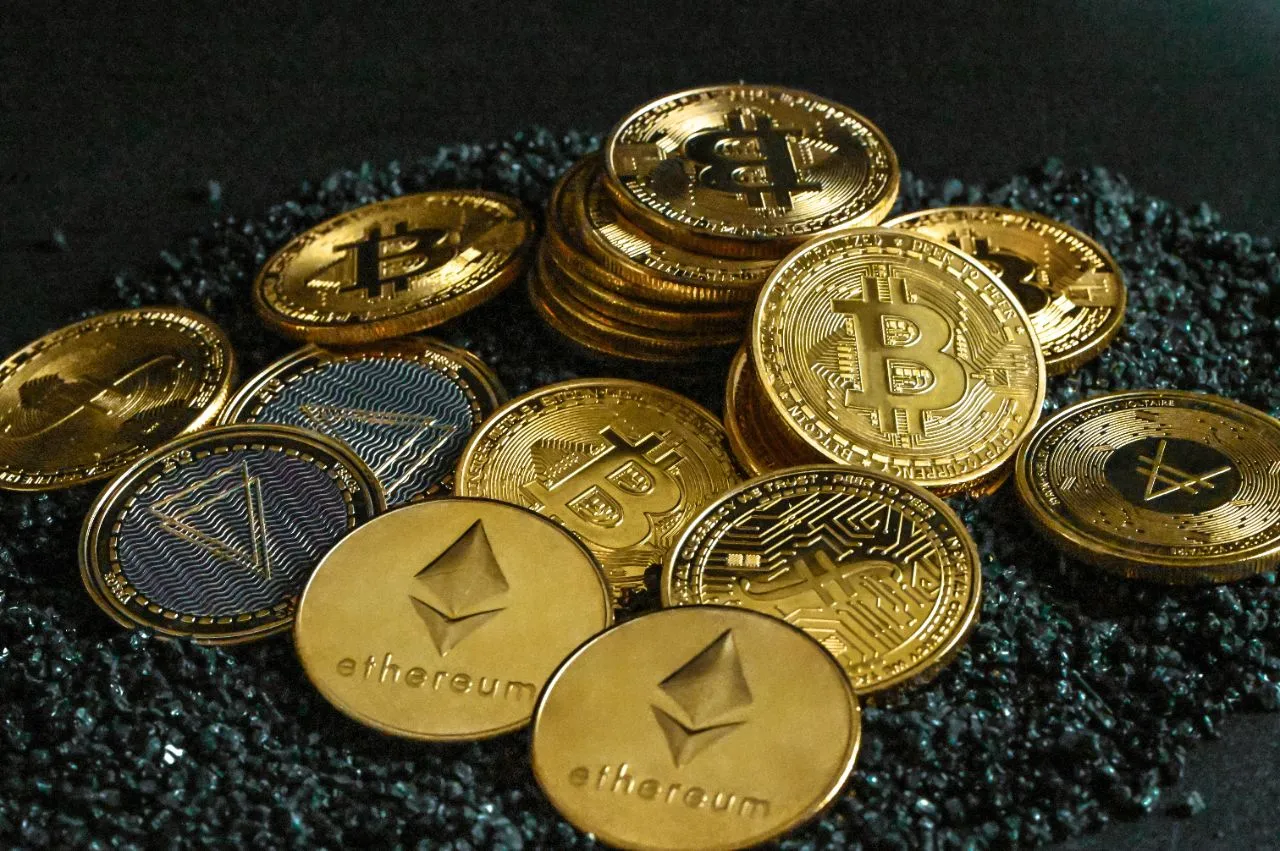
Photo by Traxer on Unsplash

Facilitating seamless onboarding

By integrating with Coinbase Wallet, TransFi aims to simplify the onboarding process for businesses and individuals, ultimately fostering greater adoption of cryptocurrencies in the region. This strategic integration is designed to eliminate barriers to entry and make cryptocurrency transactions more efficient and accessible.


Enhanced payment options across Asia

In a significant move, users in the Philippines, Vietnam and Indonesia now have access to expanded payment options through Coinbase Wallet. In the Philippines, GCash and PayMaya, popular digital payment platforms, have been integrated, while Vietnam sees the addition of Viet QR, Momo and Viettel Pay. Indonesian users can utilize OVO and Dana, leading payment apps in the country. These partnerships leverage existing, widely-used payment infrastructures to provide users with more convenient avenues for purchasing cryptocurrencies.


The expansion into the Asian market reflects the growing demand for cryptocurrencies in the region and highlights Coinbase's commitment to broadening its reach by collaborating with local payment services. This trend underscores the increasing integration between crypto platforms and local payment solutions, signaling a positive trajectory for cryptocurrency adoption across Asia.


More to Read
View All
Policy & Regulation·

Jan 26, 2024

Dramatic crypto tax take decline recorded in Indonesia

Indonesia witnessed a striking decline in cryptocurrency tax revenue for the year 2023, according to local media. 63% decreaseA report by Indonesian business and financial publication Kontan detailed a tax take drop to $31.7 million (Indonesian rupiah 467.27 billion). That tax collection is in sharp contrast to the partial collection period in 2022 when the crypto tax regime was initially introduced. It represents a drop of around 63%. The decline is part of a broader tax reform targeting the "digital economy" implemented in 2022, with the Indonesian government expressing the expectation that the reform would enhance tax collection, fostering a "healthy and fair taxation system."Photo by Nick Agus Arya on UnsplashDeclining transaction volumesDespite bitcoin's impressive surge of approximately 160% throughout 2023, the dip in crypto tax revenue was notable. The decrease is closely tied to a drop in transaction volumes over the same period compared to 2022. A report by CoinDesk Indonesia last week put that trading volume decrease at around 60%. Crypto transactions in Indonesia face dual taxation – a 0.1% income tax and a 0.11% value-added tax (VAT). Additionally, local crypto exchanges are subject to a special tax of approximately 0.04%, contributing to the national digital asset bourse. Disadvantaging local exchangesLocal exchanges in Indonesia, including prominent ones like Indodax, have voiced discontent with the high tax rates, contending that these levies are driving users towards unregulated offshore exchanges. Earlier this month Indodax CEO Oscar Darmawan called on the Indonesian government to review crypto tax rates. Darmawan highlighted that the cumulative taxes on crypto transactions often surpass the trading fees paid by users, posing a risk of users seeking more cost-effective alternatives. Local exchanges suggest that crypto transactions should only be subject to income tax, eliminating the VAT component. This proposal comes as Indonesia's Financial Services Authority (OJK) prepares to implement cryptocurrency regulations in early 2025. The aim is to align the taxation of cryptocurrencies with their market nature, possibly redefining them more as securities than commodities. Inadequate tax regulation can lead to a decline in local market activities, potentially resulting in capital flight to more favorable jurisdictions. Indonesia's situation serves as a reminder of the crucial need for policies that understand and adapt to the dynamic nature of the cryptocurrency sector. India is being similarly challenged. Local exchanges there have also complained of punitive taxation, which resulted in Indian users migrating to offshore exchanges. That scenario led indigenous exchanges to lobby the government to take action. The authorities have duly acted, flagging a number of global exchanges for operating illegally within India. It’s not all bad news for the development of digital assets within Indonesia. The country still ranks highly in terms of crypto adoption within the Asian region. Crypto was also floated as an election issue recently by Gibran Rakabuming Raka, a vice-presidential candidate in the upcoming election. The politician expressed his commitment to accelerating the country's position as a leader in the digital revolution. 

news
Web3 & Enterprise·

Aug 31, 2023

Binance Japan Sets Out Market Vision

Binance Japan Sets Out Market VisionDuring a virtual business discussion recently led by Takeshi Chino, the Head of Binance Japan, the firm provided insights into its vision within the Japanese market.Photo by David Edelstein on UnsplashIntegrating international version featuresSince its recent launch, Binance Japan has primarily been offering cryptocurrency spot trading and its “Simple Earn” crypto lending service. Expansion into leverage trading is on the horizon, aligning with the international version once regulatory requirements are met.Other key services that Binance has been offering on an international basis include its Initial Exchange Offering (IEO) platform “Launchpad” for emerging projects, staking services, and an NFT marketplace. While the exact timeline for introducing these services in Japan remains undisclosed, Chino assured attendees that there would be a gradual roll-out in compliance with local regulations.The vision that has been set out will see a particular focus being placed on potential collaborations involving stablecoins. Elaborating further on the company’s plans, Chino outlined that domestic expansion would encompass equities management, leverage trading, and the integration of features present in Binance’s global version.In reporting on the event, local crypto media outlet Coinpost explained that Chino further expressed Binance Japan’s ambition to establish connections between its ecosystem and Japanese private entities and government bodies, going beyond the scope of crypto transactions.Focusing on stablecoinsCentral to this vision is the integration of stablecoins into the existing financial infrastructure, with active partnerships leveraging Binance’s technology stack and track record.Chino recognizes the recent regulatory developments regarding yen-based stablecoins as a positive development for business expansion. While Japan’s stablecoin issuance framework remains stringent, collaborations for joint developments are being considered. The potential of yen-backed stablecoins for trade settlements and programmable payments is also being explored.Expanding crypto asset offeringBinance Japan has already made a significant mark by managing 34 equities since its inception, establishing itself as a leader in the Japanese equities landscape. Notably, Binance’s native BNB (Build and Build) token and the Algorand ALGO token have made successful entries into the Japanese market.In its take on the online briefing, Bloomberg outlined that Chino has an initial target of one hundred crypto assets. The global version of the company offers in excess of 350 assets to its users. In adding new assets, a focus will be placed on those particular digital assets that resonate with Japanese market preferences.Other short-to-mid-term goals include facilitating Security Token Offering (STO) payments through stablecoins, merchant onboarding for “Binance Pay,” educational initiatives, among others.Binance Japan emerged following the acquisition by Binance of Sakura Exchange Bitcoin (SEBC), a local crypto exchange, in November of last year. A regulatory backlash following a number of high profile crypto platform failures in 2022 led to Japanese regulators issuing Binance with a warning letter for failing to attain full registration.A response to past difficulties in Japan, in particular relative to the failure of Mt.Gox in 2014, meant that crypto market traders were protected better by comparison with market participants overseas.

news
Web3 & Enterprise·

Sep 15, 2023

Huobi Rebrands as HTX to Mark Tenth Anniversary

Huobi Rebrands as HTX to Mark Tenth AnniversaryIn a move marking its 10th anniversary, Seychelles-registered cryptocurrency exchange Huobi has decided to rebrand itself as “HTX.”Rebranding confusionIn crypto-centric discussions on social media, the decision has sparked controversy and raised eyebrows, drawing comparisons to the now-defunct exchange FTX.The announcement of Huobi’s rebranding to HTX was made on Wednesday. According to the company, the new name is a combination of symbolic elements. The “H” represents the first letter of “Huobi,” the “T” is a nod to Justin Sun’s blockchain project Tron, and the “X” stands for the exchange itself.Alternatively, some interpret “HT” as a reference to the exchange’s native Huobi Token (HT), while the “X” symbolizes the Roman numeral for 10, commemorating the company’s 10th anniversary. Huobi’s new slogan accompanying the rebranding is “HTX, Just Trade It.”Before the official announcement, Huobi changed its social media account names to align with the new brand. The exchange’s Twitter handle is now HTX_Global, and its official Telegram group is named “HTXglobalofficial.” As of the time of writing, the website domain still retains the original Huobi name.Photo by Kate Trysh on UnsplashFTX comparisonsThe rebrand immediately drew attention on social media. In one of a range of similar comments, a user lined up the Huobi logo next to that of FTX and wrote: “I think I’ve seen this movie before.” Although a matter of speculation, there has been some chatter on social media in recent weeks, questioning the health of the Huobi business. It didn’t help the firm that in August, rumors swirled that some of the company’s executives were subject to an investigation by Chinese authorities.This isn’t the first time a crypto-related entity has seemingly borrowed part of its name from FTX. In January, the founders of the collapsed cryptocurrency hedge fund Three Arrows Capital announced plans to raise $25 million for a proposed crypto exchange called “GTX.” Huobi’s rebrand has amused some FTX creditors who had faced criticism from some in the crypto sector for wanting to resurrect the business while maintaining the same branding.In early August, Huobi refuted reports suggesting insolvency and the arrest of senior executives by Chinese authorities. Additionally, the exchange had previously been ordered to cease operations in Malaysia following regulatory actions by the country’s securities regulator in May.International marketing effortHuobi’s rebranding to HTX has undoubtedly stirred debate and curiosity within the cryptocurrency community. Justin Sun, an advisor to the project, stated at a media briefing at Token 2049 in Singapore that the HTX brand will be marketed towards Huobi’s international English-speaking users.Sun said: “It’s very hard for foreigners, Westerners, to pronounce ‘Huobi’… It doesn’t make any sense to them,” Sun said, explaining that the word Huobi means fire and coin in Chinese. “That’s why we rebranded as HTX for international branding.”As the crypto industry continues to evolve, it remains to be seen how this new identity will impact Huobi’s reputation and standing in the market. Regardless, the crypto world is known for its surprises, and Huobi’s marketing move serves as a reminder that the industry is in constant flux, filled with unexpected developments.

news
Loading