Top

Silver lining for Bybit with UAE trading license approval

Web3 & Enterprise·March 05, 2025, 5:36 AM

After being targeted in a $1.4 billion hack, the global crypto exchange platform Bybit was awarded in-principle approval to establish itself as a Virtual Asset Platform Operator (VAPO) within the United Arab Emirates (UAE).


While Bybit announced the milestone via a press release published on Feb. 27, the approval had been awarded on Feb. 18, three days before the platform was hacked.
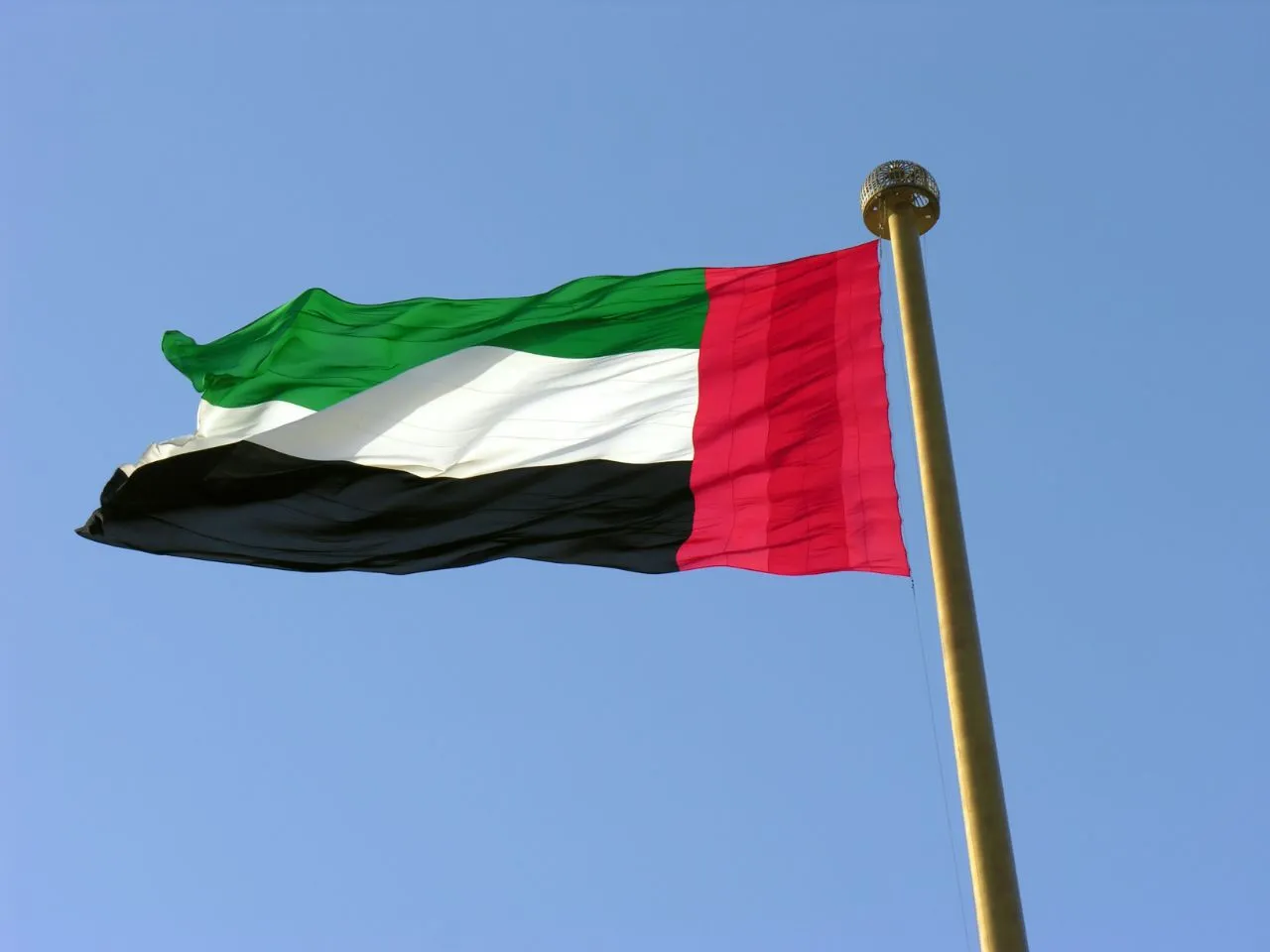
https://asset.coinness.com/en/news/5f74c361c5ebea8df5b91d43bcfabf93.webp
Photo by Saj Shafique on Unsplash

Regulatory challenges

In addition to the recent exploit, the crypto exchange platform had been having difficulties on the regulatory front in recent months, and from that perspective, this licensing award is a welcome development.


Last December, the Malaysian Securities Commission reprimanded the platform and its CEO, Ben Zhou, for carrying out digital asset trading activities in Malaysia without having obtained the necessary licensing. Consequently, the firm left the Malaysian market, promising to return once it had obtained the required licenses.


For similar reasons, Bybit left the Indian market in January, citing a need to “operate in full compliance” with local regulations. The company said that it was working with the regulator to finalize its registration as a Virtual Asset Service Provider (VASP) in India.


The platform also experienced difficulties in complying with the recently introduced Markets in Crypto Assets (MiCA) regulation in Europe. However, it has been working with regulators in Austria in an effort to acquire MiCA licensing. Consequently, the French regulator, Autorité des Marchés Financiers, removed the firm from its blacklist.


Earlier this month, Japan’s Financial Services Agency (FSA) ordered Apple and Google to remove the apps of a number of unregistered crypto platforms, including Bybit, from the Japanese versions of their app stores. 


Commenting on this recent achievement in the UAE, Ben Zhou stated:


“This approval marks a crucial step in our journey to providing secure and transparent crypto trading solutions. Bybit remains dedicated to working hand-in-hand with regulators to foster a compliant and innovative digital asset ecosystem to both retail and institutional investors in the UAE.”


Hack fallout

It’s unclear to what extent the recent hack, which is understood to be one of the largest thefts of any kind, may be diverting resources and focus away from the efforts the company was making to address regulatory issues globally. However, it’s reasonable to assume that recent events make for a challenging time for the company.


On Feb. 26, the Federal Bureau of Investigation (FBI) in the United States said that North Korea was responsible for the hack. The agency warned exchanges to freeze transactions linked to the stolen funds.


The FBI outlined that “TraderTraitor” actors have been converting the funds to Bitcoin and other digital assets in an effort to launder the funds and eventually extract the funds in fiat currency.


North Korea’s Lazarus hacking group has gained notoriety for its successes in hacking crypto platforms and the sophisticated nature of the attacks mounted in the process. The group is suspected of having hacked the Indian crypto platform WazirX last year, which resulted in the theft of $235 million in digital assets.


More to Read
View All
Policy & Regulation·

May 26, 2023

Korea’s Incheon City Takes Steps to Boost Blockchain Startup Growth

Korea’s Incheon City Takes Steps to Boost Blockchain Startup GrowthIncheon Technopark (ITP) announced today a collaborative effort with the Incheon Metropolitan City aimed at fostering the development of blockchain startups, with the goal of transforming the South Korean city into a blockchain hub.Photo by GuerrillaBuzz on UnsplashTailored support programsAs a public organization dedicated to assisting startup businesses, ITP will offer tailored support programs, including funding for technology development and accelerator initiatives.Funding for tech developmentThe tech development funding aspect will identify and select seven enterprises based in Incheon, each receiving up to 50 million KRW ($38,000) in funding. These businesses will be expected to integrate blockchain technology into local industries and contribute to Incheon’s economic growth.Accelerator initiativeThe accelerator program, on the other hand, will carefully select two operators who will provide education and consultation services for blockchain startups. Each operator will receive 100 million KRW ($75,000) to support five blockchain firms.An ITP official said Incheon is seeing a growing number of blockchain enterprises, most of whom are startups and small- and medium-sized enterprises. The official emphasized the city’s commitment to fostering an environment conducive to the growth and success of such businesses.Incheon’s emphasis on blockchain innovationIncheon is among the Korean cities that have been proactively pursuing blockchain projects. Earlier this month, this city, which encompasses an airport, held the Incheon Metanomics 2023, a conference centered on blockchain technology. Guest speakers at the event were representatives from high-profile corporations, including the global crypto exchange Binance, the online gaming platform Roblox, and the semiconductor firm AMD.In addition, Incheon is progressing with a $10 million urban blockchain plan that spans over five years until 2026, according to its press release. Since last year, the city has been conducting blockchain-powered pilot programs focused on public parking and recycling systems.

news
Web3 & Enterprise·

Nov 15, 2023

Crypto.com’s Dubai-based subsidiary secures crypto license

Crypto.com’s Dubai-based subsidiary secures crypto licenseCRO DAX Middle East, the Dubai-based subsidiary of Singapore-headquartered cryptocurrency exchange platform Crypto.com, has achieved a significant milestone by obtaining a license from the emirate’s Virtual Assets Regulatory Authority (VARA) to provide specified virtual asset services.Photo by Timo Volz on UnsplashExpanding product offering in DubaiThe approval, announced by the firm via a press release published to its website on Tuesday, marks a pivotal moment for the Singapore-based Crypto.com, allowing it to offer regulated virtual asset services in Dubai, including exchange services, broker-dealer services, management and investment services as well as lending and borrowing services.The virtual assets service provider (VASP) license is contingent upon CRO DAX Middle East meeting specific conditions and localization requirements outlined by VARA. Once these conditions are satisfied and the operational approval notice is received from the regulator, the company will be poised to commence operations. These services will be made accessible to both retail and institutional users through Crypto.com’s app and exchange platform.Kris Marszalek, CEO of Crypto.com, expressed his enthusiasm for Dubai’s regulatory approach, stating: “Dubai continues to show it is a leading market when designing effective regulation for the crypto space while still supporting adoption and innovation.”Dubai’s virtual asset sector developmentThe regulatory framework for virtual assets in Dubai was established under the Dubai Virtual Asset Regulation Law in March 2022, leading to the creation of VARA. Sheikh Mohammed bin Rashid, Vice President and Ruler of Dubai, founded VARA with the aim of developing an advanced legal framework to safeguard investors. Furthermore, the objective was to set international standards for the governance of the virtual asset industry, while fostering responsible business growth.VARA issued regulations in February to provide clarity and certainty on the expected level of operator responsibility and to mitigate market risks. This move aligns with the broader context of global cryptocurrency regulations, aiming to create a safe environment for investors in the wake of recent collapses of major platforms.Crypto.com is working to become one of the first virtual asset exchanges to implement its VASP license in accordance with VARA’s specialized regulations issued earlier this year. The company had previously received its minimum viable product provisional license in June 2022 and the MVP preparatory license in March of the current year. The operational license, which follows the preparatory and provisional stages, grants virtual asset service providers permission to conduct activities in seven specified categories.Adapting to the marketThe company has also been working on licensing in other markets. In Singapore, where it is headquartered, the company received a Major Payment Institution (MPI) trading license from the Monetary Authority of Singapore (MAS) in June. The company has also re-calibrated its offering based on market shifts. Earlier this year, it halted its institutional exchange service in the United States due to a downturn in institutional demand stateside.In March 2022, Crypto.com declared Dubai as its regional hub for the Middle East and North Africa (MENA), solidifying its commitment to expanding its presence and contributing to the growth of the cryptocurrency ecosystem in the region.

news
Web3 & Enterprise·

Jun 20, 2023

Japanese Exchanges Canvas Regulator to Permit 10x Leverage

Japanese Exchanges Canvas Regulator to Permit 10x LeverageJapan’s cryptocurrency exchanges are advocating for looser regulations on margin trading, despite the global digital asset market crash experienced last year.According to a report published by Bloomberg on Monday, The Japan Virtual & Crypto Assets Exchange Association has revealed that many industry insiders are seeking leverage limits of four to 10 times for retail investors.Currently, customers are limited to doubling their exposure through borrowing. Genki Oda, the Vice Chairman of the association, believes that relaxing the leverage rule could enhance Japan’s appeal to crypto and blockchain companies, thereby stimulating increased trading activity.Photo by Su San Lee on UnsplashOngoing discussionJapanese digital asset exchanges are currently engaged in discussions to establish a consensus on the recommended leverage limit. They are planning to present their proposal to the Financial Services Agency (FSA) as early as next month.While Japan has made some efforts to ease certain cryptocurrency regulations, such as token listing and taxation, the overall regulatory environment is considered strict. The FSA expects crypto firms to provide solid justifications for loosening margin trading caps, demonstrating how it would contribute to the government’s objective of expanding blockchain-based industries. However, the agency remains open to discussions with digital asset businesses on the matter.Plummeting trade volumesPreviously, Japanese crypto platforms offered leverage up to 25 times, resulting in annual margin trading volumes of approximately $500 billion in 2020 and 2021. However, after the FSA imposed a limit of two times to curb excessive speculation and protect investors from amplified losses, trading volumes plummeted by 75% in 2022.In other parts of the world, digital asset exchanges typically offer spot margin trading with leverage ranging from five to 10 times the initial deposit, depending on local regulations. Some platforms even offer more aggressive lending options, often associated with speculative behavior that can generate waves of greed and fear within the crypto market.Oda argues that digital asset volatility has decreased since 2020 and asserts that Japanese exchanges are well-prepared to assist investors in managing the risks associated with margin trading positions. However, any relaxation of leverage rules is not expected to occur before 2024.Leverage dangersLast year’s global cryptocurrency downturn exposed risky practices and resulted in numerous bankruptcies. Regulators worldwide have responded by implementing new rules and regulations that address the lessons learned. While leverage might be in the interests of the exchange operators, many industry commentators have warned that leverage brings about market weakness.Caitlin Long, Founder and CEO of Custodia Bank, has been one such commentator, warning that massive leverage “built an industry of insolvent intermediaries” on a “foundation of sand”. It’s commonly believed that leverage leads to unsustainable market bubbles rather than iterative organic market growth.In 2022, an index tracking the top 100 cryptocurrencies partially recovered, showing a 33% increase since the beginning of this year. However, the market still faces challenges, as institutional and individual investors have exited, leading to reduced liquidity and lower expectations for price volatility in Bitcoin and other cryptocurrencies.

news
Loading