Top

SGX to list Bitcoin perpetual futures in H2

Web3 & Enterprise·March 13, 2025, 8:21 AM

Singapore Exchange Limited (SGX), the city-state’s primary asset exchange, is in the process of establishing Bitcoin perpetual futures trading on the platform.

https://asset.coinness.com/en/news/df33c6d2d3dd1561e10b71712e87a852.webp
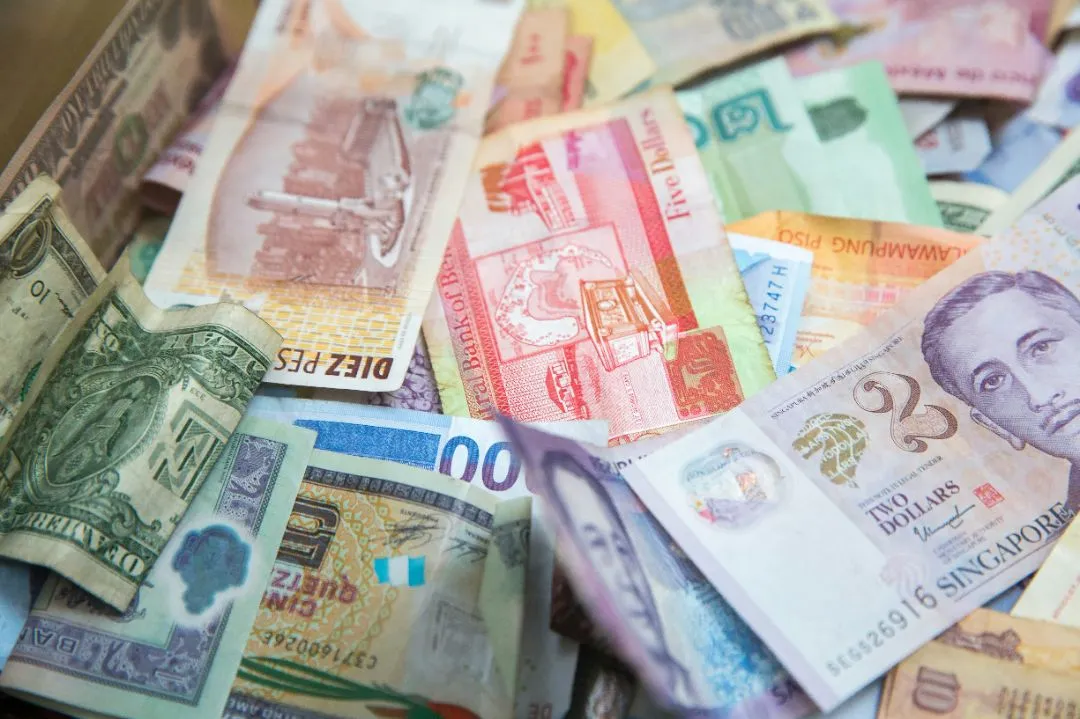
Photo by Kanchanara on Unsplash

Institutional product offering

According to a report published by Bloomberg earlier this week, the exchange platform intends to launch Bitcoin futures sometime during H2 2025. The product launch will be subject to regulatory approval from the Monetary Authority of Singapore (MAS).


A spokesperson for the company told Bloomberg that the product offering will be geared exclusively towards institutional investors and traders in an effort to “significantly expand institutional market access.” Retail access to the product will be prohibited.


Once launched, these Bitcoin perpetual futures contracts, being offered through a traditional finance (TradFi) outfit like SGX, will help to blur the lines between TradFi and the emerging crypto sector.


Perpetual futures have no expiry date. They offer a means for traders to bet on price changes in an underlying asset while doing away with the need to take ownership of the asset itself.


Cautious approach

SGX has been cautious in listing crypto assets and derivative products. Last year the firm’s CEO, Loh Boon Chye, said that the time was not yet right for such listings. 


His concern back then was that any such product launches would need “sustainable ecosystem support,” adding that “that means demand, that means governance, that means structure.”


While spot Bitcoin exchange-traded funds (ETFs) had been approved in the United States at that point, there has been much further development in the crypto-sphere since then, following the election of a pro-crypto administration in the U.S. That event has had knock-on effects globally.


Singapore’s SGX isn’t the only traditional exchange platform to respond. Japanese futures exchange, the Osaka Dojima Exchange (ODEX), is gearing up to file an application with the Financial Services Agency (FSA) to list a Bitcoin futures product later this month.


Closer to home, an American digital asset marketplace that focuses on institutional trading, EDX Markets, has plans to introduce Bitcoin perpetual futures products to the Singaporean market, according to a report which emerged in January. In May 2024, EDX launched EDXM Global, a settlement platform, in Singapore.


This product launch by SGX serves the purposes of decision-makers in Singapore, who have been trying to position the city-state as a digital asset industry hub. Additionally, the move will bring greater acceptance of the digital assets sector from traditional market participants.


Crypto perpetual futures contracts were first pioneered by crypto derivatives exchanges like BitMEX back in 2016. Since then, other crypto-native platforms like Binance and OKX have offered these products.


In the case of unregulated offshore exchanges, the products have proven to be controversial, as at times, they have been used in a manner that has exposed market participants to counterparty risk. Failed crypto exchange FTX, together with its sister company Alameda Research, relied on the products in their trading activities.


SGX, as a seasoned, regulated TradFi operator, which holds an Aa2 rating from Moody’s, is likely to prove to be a more palatable option for institutional players.

More to Read
View All
Policy & Regulation·

Dec 08, 2023

UAE researchers introduce carbon trading platform on blockchain

UAE researchers introduce carbon trading platform on blockchainAmid escalating climate concerns, the Technology Innovation Institute (TII) in Abu Dhabi has unveiled a blockchain designed to monitor carbon emissions and facilitate trading.Announcement during COP28The institute’s Cryptography Research Center (CRC) recently announced the launch of its proprietary blockchain-powered carbon trading platform, showcasing the United Arab Emirates’ (UAE) commitment to spearheading global climate initiatives. TII CEO Ray Johnson stated:“We are proud to announce this digitized tracking and trading platform at COP28, representing the UAE’s drive to become a technology and innovation powerhouse and its commitment to leading the world’s climate action agenda.”The revelation coincides with the United Nations Climate Change Conference (COP 28), which runs until Dec. 12 and is taking place in Dubai. The conference involves nations making commitments to reduce emissions and transition various sectors toward sustainable energy sources.Photo by Matthias Heyde on UnsplashEnabling carbon trading internationallyThe newly introduced blockchain platform is poised to enable the international trade of carbon tokens, monitor greenhouse projects and incentivize participation in emission reduction initiatives. By leveraging the principles of carbon trading and tracking, organizations will gain valuable insights into their environmental impact. The platform’s deployment on the blockchain ensures transparency and encourages broader participation, compelling major players to fulfill their environmental promises.The lightweight blockchain has been developed with minimal environmental impact in mind, aligning with the broader goals of the government’s climate action initiatives. This blockchain network allows organizations to record their emissions openly, prompting users to generate tokens that quantify carbon removed from company operations through capture or trading.Moreover, the network incorporates auditors to ensure the entire process is secure, transparent, accurate and safe. This approach aims to provide the industry with accurate data on their activities without relying on cumbersome third-party expert monitoring.Harnessing blockchain’s transparencyThe move to utilize blockchain technology for addressing climate change aligns with the long-standing belief of the United Nations and various international organizations. Blockchain’s transparency and openness empower industries to have accurate data on their activities, eliminating the need for complex third-party monitoring that often comes at a higher cost.In response to growing criticism of the energy consumption associated with blockchain technology, certain firms have taken steps to adopt greener practices. Notably, in 2021, the Ethereum blockchain transitioned to a Proof-of-Stake model, reducing its carbon footprint by over 99% by eliminating miners and introducing validators. Ethereum also launched the Ethereum Climate Platform (ECP), attracting participation from industry giants like Microsoft.Furthermore, cryptocurrency companies have allocated funds for solar-powered digital asset projects, encouraging developers to embrace eco-friendly practices. This shift towards sustainable initiatives underscores the industry’s commitment to addressing environmental concerns.In a related development, in August, it was reported that the UAE Ministry of Climate Change and Environment (MOCCAE) had entered into a collaboration with the Industrial Innovation Group and the Venom Foundation to work towards a blockchain-based carbon credit system.The introduction of the UAE’s blockchain-powered carbon trading platform marks a significant step towards fostering global climate initiatives. The innovative technology not only enhances transparency and accountability in carbon trading but also aligns with the broader global shift towards sustainable and eco-friendly practices within the blockchain industry.

news
Web3 & Enterprise·

Jan 22, 2024

Wemade to onboard NFT trading card game Underground Waifus to WEMIX PLAY

Wemade has signed a deal with Maniac Panda Games, a development studio of Spanish gaming company JURVAL CORP SL, to onboard the blockchain game Underground Waifus to WEMIX PLAY, Wemade’s gaming platform, according to an official announcement on Monday (KST).Photo by Syed Ali on Unsplash“Underground Waifus proposes top-level gameplay and fun,” said Maniac Panda Games CEO Daniel Valdés. “We believe that the collaboration with WEMIX PLAY can take the game to another level, adding a wider reach and implementation among players around the world.” Unveiling the cyberpunk battlegroundUnderground Waifus is a multiplayer NFT trading card game set in a cyberpunk, post-apocalyptic universe. It is notable for its circular economy model that employs Free-to-Play (F2P) and Play-to-Earn (P2E) mechanisms within a tokenized system. The game revolves around a player-driven economy, where players can participate in player versus player (PVP) battles where the winner takes all. The game is built on blockchain technology, offering exclusive NFT collections. Gamers are subject to ownership of these assets, which they can use for collecting or playing. The ecosystem also has a utility token called Underground Waifus Token (GQ), which can be used off-game or in-game as a cryptocurrency. Wemade’s ongoing effortsWemade has been consistently growing its lineup of Web3 games on WEMIX PLAY, endeavoring into diverse genres in an effort to appeal to all gamers. The firm revealed that it is working with developers around the world, including North America, Europe and Asia, to expand the gaming platform’s ecosystem.

news
Web3 & Enterprise·

Nov 21, 2023

Rotonda launches crypto wallet service Burrito Wallet in Latin America

Rotonda launches crypto wallet service Burrito Wallet in Latin AmericaRotonda, a subsidiary of South Korean crypto exchange Bithumb and the operator of the digital wallet Burrito Wallet, announced on Tuesday (local time) that it has launched its services in the Latin American region, marking its entry into global markets.Photo by Leon Overweel on UnsplashLaunched in February, Burrito Wallet’s primary functions include convenient chat-based cryptocurrency transfers and crypto swapping. It is the largest multi-chain wallet in Korea that supports 11 mainnets, including Bitcoin and Ethereum, as well as over 1,000 token currencies.Expanding region-specific servicesIn addition to these basic services, the Burrito Wallet’s available services in Latin America will include both on- and off-ramp functions for buying and selling crypto, which will be added by the end of this year. An on-ramp function facilitates users in acquiring crypto assets, whereas an off-ramp facilitates users in disposing of their crypto assets. Considering that many countries in the region recognize cryptocurrencies as fiat currencies, the company plans to expand its services to meet the market demand. Furthermore, the company aims to secure users by providing transfer services and various airdrop events.“The greatest advantage of Bithumb Burrito Wallet is the ability to use various functions such as cryptocurrency storage, management, transfers and swapping all in one platform,” explained Burrito Wallet’s Chief Financial Officer Chung Jae-kwon. Jeong recently visited Colombia last month to introduce the wallet service. “We believe that we can respond to the specific demands of the financial environment in Latin America through our user-friendly wallet service,” he added.Addressing economic challengesThe blockchain market in Latin America has been growing rapidly with rising demand for convenient and secure crypto services, driven by low accessibility to traditional finance and unstable economic conditions such as inflation.“As the global financial crisis worsens due to a lack of liquidity in banks, the need for financial instruments that can safely protect assets is increasing,” Chung said. “We anticipate a growing demand for our non-custodial wallet, which allows users to hold their own private wallet keys.”Earlier this month, Burrito Wallet signed a business agreement with the blockchain gaming platform Yooldo to expand their respective blockchain ecosystems and secure a global user base.

news
Loading