Top

Metaplanet surpasses 4K Bitcoin following stock split

Web3 & Enterprise·April 02, 2025, 2:52 AM

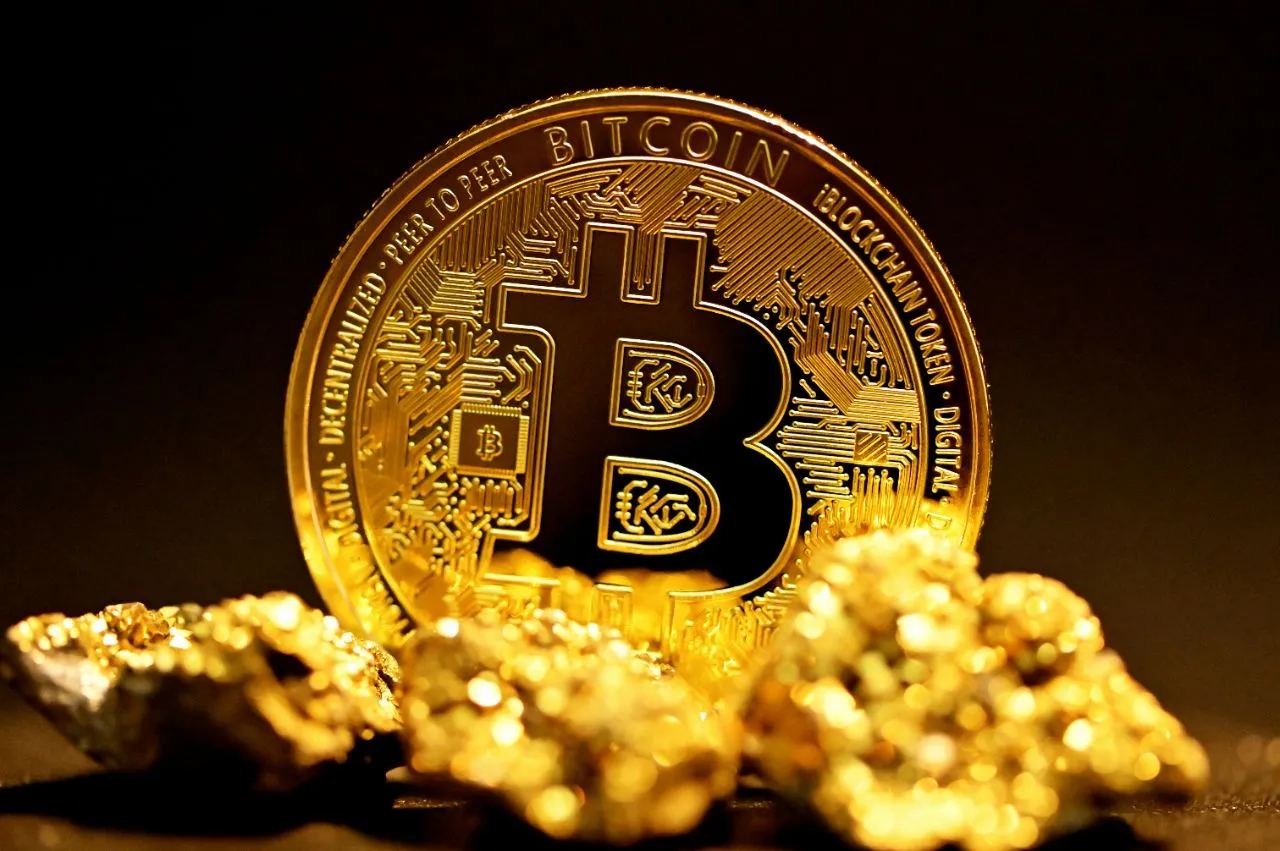
Metaplanet, the Tokyo-headquartered Bitcoin corporate treasury firm, has purchased an additional 696 BTC, following a stock split, bringing its total Bitcoin holding to 4,046 BTC.
https://asset.coinness.com/en/news/a0422ee7fdf4524247bbec6658b16cf2.webp
Photo by Kanchanara on Unsplash

$341 million in Bitcoin

The company publicized details of its latest Bitcoin purchase on X on April 1. It outlined that funding of this purchase was enabled through the allocation of cash held by the firm as a consequence of the sale of put options. 


The average purchase price of the 696 BTC was 14,586,230 yen ($97,694). The average price the firm has paid per Bitcoin in relation to its entire holding of the leading digital asset is 12,943,181 yen ($86,689). Its overall Bitcoin holding has a total value of approximately $341 million.


Taking to X, the firm’s CEO, Simon Gerovich, said that Metaplanet’s Bitcoin Income Generation business achieved 770 million yen ($5.2 million) in Q1 revenue, while year-to-date its Bitcoin yield has reached 95.6%.


Stock split & bond issuance

This purchase follows both a stock split and the issuance of bonds worth 2 billion yen ($13.3 million). On March 31, Metaplanet filed a disclosure outlining details of the bond issuance. The company issued the zero interest bonds via its Evo Fund. Buyers will be permitted to redeem the newly issued bonds at face value by Sept. 30. 

In an X post, Gerovich suggested that the bond issuance was being implemented in order to facilitate the company “buying the dip,” taking advantage of a downturn in the Bitcoin unit price over recent weeks.


In a notice filed on Feb. 18, Metaplanet outlined details of its 10-to-1 stock split. The company described how it executed a reverse 10-to-1 stock split last August. This has created a problem for investors as in the interim, the stock price has increased significantly. Consequently, the share price is unwieldy, placing a substantial financial burden on investors.


On that basis, the latest stock split will enable greater investor accessibility and improved liquidity. Arising from that, Metaplanet expects that it will gain a broader investor base.


On March 30, Gerovich reported that Metaplanet stock is now a component within Betashares’ Crypto Innovators ETF. Betashares is an Australian asset manager with over $50 billion in assets under management. 


The Metaplanet CEO suggested that the development pointed towards “growing interest from institutional investors,” while expressing his satisfaction with Australians now having access to Metaplanet’s Bitcoin First Strategy via the Australian Securities Exchange (ASX).


The ‘Asian MicroStrategy’

Metaplanet is being regarded by many industry commentators as the “Asian MicroStrategy,” referring to the American Bitcoin treasury firm that recently rebranded to Strategy, having pioneered a particular approach to building a position in Bitcoin within a corporate treasury.


Metaplanet appears to have adopted the same Bitcoin playbook. In an appearance on the Coin Stories Podcast recently, Metaplanet’s Gerovich said that he encourages his friends to put “100% of their net worth into Bitcoin.”


Last month, the company confirmed that it was pursuing a strategy to accumulate 10,000 Bitcoin in 2025 and 21,000 Bitcoin by 2026. The firm is now ranked ninth in the world as a corporate Bitcoin holder. Within Asia, it is the leading corporate holder of the world's largest digital asset.


More to Read
View All
Web3 & Enterprise·

Sep 26, 2023

Upbit Reassures Investors Following False APT Token Deposits

Upbit Reassures Investors Following False APT Token DepositsFollowing a recent situation where false Aptos (APT) tokens were mistakenly accepted as authentic deposits, Upbit, South Korea’s leading cryptocurrency exchange, has reassured investors that such problems will not recur.Photo by Markus Spiske on UnsplashIrregular Aptos token depositsAn Upbit representative informed local news outlet Digital Asset that the platform had detected irregular deposit activities related to Aptos-based tokens of the same type on September 24. In response, the platform addressed the coding anomalies during the suspension of APT deposits and withdrawals.Software correctionThe representative said that, as the resumption of APT deposits and withdrawals took place at 23:00 KST on September 24 after the software correction, no virtual assets on the exchange, including APT, should face similar issues in the future.Asset monitoringThe official highlighted that the trading platform employs a real-time process that monitors and compares customer assets with on-chain assets, a step that contributed to the mitigation of the fallout from the incident.

news
Web3 & Enterprise·

Nov 14, 2025

U.S. crypto ATM firm Bitcoin Depot enters Hong Kong market

Nasdaq-listed Bitcoin Depot, an American cryptocurrency ATM specialist, is expanding into Hong Kong, citing the city’s burgeoning status as a crypto hub and rapid digital asset adoption across Asia. The Atlanta-based company, which provides kiosks for converting cash into cryptocurrency, went public in July 2023. Its move into Asia follows a recent acquisition of assets from National Bitcoin ATM that boosted its domestic market share to a reported 30% as well as the strengthening of its compliance program. "Hong Kong is quickly becoming a global center for crypto, with the right mix of regulation, demand, and momentum," company president Scott Buchanan said in a Nov. 12 statement.Photo by Keller Chewning on UnsplashHong Kong's digital asset pushBitcoin Depot’s expansion aligns with a concerted push by the special administrative region to position itself as a global hub for digital assets. Eddie Yue, Chief Executive of the Hong Kong Monetary Authority (HKMA), recently highlighted this ambition, which was underscored by a Nov. 11 announcement of an additional HK$10 billion ($1.3 billion) issuance of digital green bonds. The tokenized bond issuance, the third under the government's program, was denominated in Hong Kong dollars, Chinese yuan, U.S. dollars, and euros, and involved major banks like HSBC, BNP Paribas, and J.P. Morgan. The move also reflects a broader regional trend. In September, Tokyo-based Coinhub launched Japan's first officially registered crypto ATM network, installing 25 machines with plans to expand to 3,000 nationwide. Industry faces regulatory headwindsDespite the growth, the industry faces scrutiny from law enforcement over the use of crypto ATMs in criminal activity. In 2024, the FBI logged nearly 11,000 fraud complaints tied to the kiosks, with reported losses topping $246 million. According to Cointelegraph, increased regulatory attention has prompted several U.S. cities to ban crypto ATMs outright, while some states are introducing new restrictions. Concerns are growing over scams targeting vulnerable groups, especially seniors. Regulatory pressure is also mounting elsewhere. Australia's financial crimes watchdog, AUSTRAC, issued a $56,340 infringement notice last month to local operator Cryptolink, which the company paid. Cryptolink must now appoint third-party reviewers to ensure its anti-money laundering and counter-terrorism financing (AML/CTF) controls are adequate. The action followed findings from AUSTRAC’s Crypto Taskforce that 85% of transactions by the 90 most frequent crypto ATM users were linked to scam proceeds or money mule operations. AUSTRAC CEO Brendan Thomas urged the public "to be cautious of making transactions to any wallet they don’t control and thinking twice in circumstances where someone asks you to deposit money into a crypto ATM.” 

news
Policy & Regulation·

Feb 17, 2024

Ethiopia may be embracing Bitcoin mining with new data mining partnership

Ethiopian Investment Holdings, the largest sovereign wealth fund in Africa, has announced the signing of a memorandum of understanding (MoU), which is suspected to involve a deal on Bitcoin mining. Deal uncertaintyTaking to LinkedIn on Feb. 15, the sovereign wealth fund outlined details of a partnership with Data Center Service, a subsidiary of Hong Kong’s West Data Group. Separately, Kal Kassa, CEO of Ethiopian operations at Hashlabs Mining, posted on the X social media platform, outlining that it was a stakeholder in the project and that it involved Bitcoin mining. The matter lacks full confirmation however, given that Kassa subsequently deleted his post while the sovereign fund’s statement falls short of mentioning Bitcoin mining. Once verified, the project would signify a substantial investment of $250 million. It’s understood that the investment would be directed towards the establishment of state-of-the-art infrastructure tailored for data mining and artificial intelligence (AI) training operations within Ethiopia.Photo by Kelly on PexelsExploiting abundant energy resourcesA key component of this venture may involve the setup of Bitcoin mining operations utilizing Canaan Avalon miners. This initiative would align with Ethiopia's broader strategy to capitalize on its abundant energy resources to attract international investment and stimulate economic growth.Ethiopia has about 5,200 MW of installed generation capacity, 90% of it coming from hydropower and the remainder from wind and thermal sources. While the official confirmation from the government is pending, the ambitious project has sparked both excitement and skepticism within the industry. Concerns linger regarding the energy-intensive nature of Bitcoin mining and its potential strain on the local electricity supply, an issue of particular relevance in a nation where energy accessibility remains a pressing challenge for many. Bloomberg reportEarlier this month, a report from Bloomberg highlighted Ethiopia as being a new haven for Chinese crypto miners. Following the imposition of a mining ban in China in 2021, many operations were redeployed overseas. Kazakhstan in particular was a popular choice. The Eurasian country wasn’t prepared for the influx, leading to power blackouts.Hashlabs Mining co-founders Jaran Mellerud and Alen Makhmetov both featured in the article. Mellerud outlined the difficulty, stating:“Firstly, countries can run out of available electricity, leaving no room for miners to expand. Secondly, miners can suddenly be deemed unwelcome by the government and be forced to pack up and leave.”Makhmetov outlined that he had a 10 MW facility in Kazakhstan which still sits idle today as curbs and taxes enforced in Kazakhstan on miners “basically killed the industry.” Despite these difficulties in Kazakhstan and China's official ban on cryptocurrency trading, the legalization of Bitcoin mining in Ethiopia in 2022 has spurred a notable influx of Chinese miners seeking new investment avenues. Ethiopia will need to be mindful of the difficulties experienced in Kazakhstan. With that, the Ethiopian government's move towards regulating cryptographic products, including mining activities, reflects a measured yet optimistic approach towards harnessing the economic potential of Bitcoin mining. This regulatory framework aims to strike a balance between fostering sector growth and safeguarding the country's energy security and environmental commitments.  

news
Loading