Top

U.S.-sanctioned Huione Group suspected of supporting crypto transactions in Korea

Policy & Regulation·October 24, 2025, 6:50 AM

A Cambodia-headquartered financial group recently cut off from the U.S. financial system is suspected of having operated in South Korea, raising fresh questions about cross-border crypto and currency flows tied to the group.


According to the Dong-A Ilbo, which cited data from the Korea Customs Service (KCS), Huione Group—now sanctioned by the U.S. Treasury Department’s Financial Crimes Enforcement Network (FinCEN)—appears to have run a currency exchange in Seoul from 2018 to July 2024. The outlet reported that a banner on the premises displayed a logo identical to Huione’s, prompting suspicions about its ownership and control.
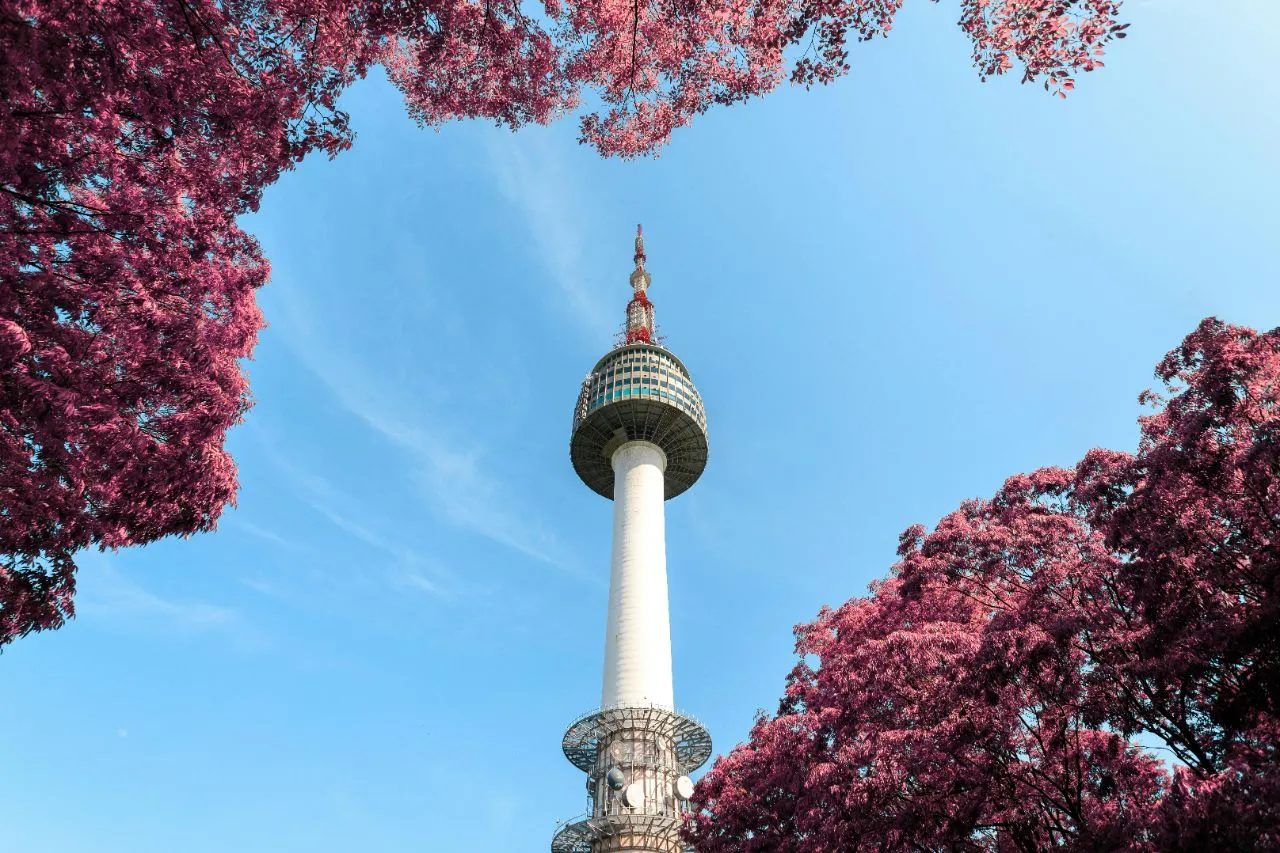
https://asset.coinness.com/en/news/35f95dfbbdf768ffb64249b09916e707.webp
Photo by Aleksandar Pasaric on Pexels

Ties to North Korean hackers

The exchange reported conducting roughly $20,000 in annual currency conversions during that period, excluding cryptocurrency transactions. The timeline overlaps with a period in which Huione Group reportedly received $150,000 in cryptocurrency from the North Korean hacking group Lazarus. 


Connections also extend to Cambodia. Panda Bank—a local lender that shares a building with Huione subsidiaries—supports USDT transactions originating from South Korea. Panda Bank director He Yanming is listed as the owner of Huione Crypto, a virtual asset service provider (VASP), suggesting potential links between operations in Seoul and Phnom Penh.


These developments come against the backdrop of a U.S. investigation disclosed in May, in which FinCEN said Huione’s business networks, including payments arm Huione Pay, collectively laundered at least $4 billion in illicit proceeds between August 2021 and January 2025.


Crypto used in $2.6B illegal conversions

Meanwhile, recent KCS data also shows a rise in illegal currency conversions involving cryptocurrency by foreign nationals. The Korea Economic Daily reported conversions totaling 432 billion won ($302 million) in 2021, climbing to 836 billion won ($584.5 million) in 2023 and 956 billion won ($668.4 million) last year. Over the past eight years, the total amount involved in such cases reached 3.7 trillion won ($2.59 billion) across 28 instances. By value, Chinese nationals accounted for 84.1% of the total, followed by Australians (11.1%), Vietnamese (3.2%), and Russians (1.6%).


The growing prevalence of cryptocurrency in illicit activity parallels a broader surge in crypto investment within the country. Many South Koreans have turned to digital assets, often with home ownership as a long-term goal. Trading on local exchanges, Bloomberg reported, is heavily skewed toward more volatile altcoins, which make up more than 80% of total volume. 


That stands in contrast to global markets, where investors largely focus on Bitcoin and Ethereum, which together make up more than half of overall trading. The momentum in local crypto investment intensified after Donald Trump’s U.S. presidential victory, with crypto trading in Korea reaching $27 billion in December 2024, about 80% of turnover on the KOSPI stock index.


The investigation underscores the growing challenge for regulators in tracking and containing cross-border financial networks that rely on cryptocurrency and informal money transfers. As crypto adoption deepens in South Korea and scrutiny widens abroad, authorities find themselves navigating an increasingly intricate intersection of financial opportunity, enforcement, and risk.


 

More to Read
View All
Web3 & Enterprise·

Nov 16, 2023

Korean pro female golfers to compete in WEMIX golf tournament this weekend

Korean pro female golfers to compete in WEMIX golf tournament this weekendThe world’s first blockchain-assisted golf tournament, WEMIX Championship 2023, will take place this weekend at the Haeundae Beach Golf and Resort in Busan. 24 female golfers from the Korea Ladies Professional Golf Association (KLPGA) — including the top 20 who earned the most WEMIX points during the preliminary Race to WEMIX Championship — are set to compete.Photo by Mick De Paola on UnsplashBringing blockchain to sportsNotably, blockchain technology is incorporated into all aspects of the tournament. This includes dynamic Real World Event NFTs that are available via NFT Is Life Evolution (NILE), Wemade’s decentralized autonomous organization (DAO) and NFT platform. These NFTs come in two categories: “ticket NFTs,” which function as admission tickets and food or parking vouchers for spectators, and “prize NFTs,” which contain WEMIX token awards for tournament winners. The total prize budget is one million WEMIX, or approximately KRW 2.4 billion ($1.9 million) as of 4:30 p.m. on Thursday (local time). The first-place winner will receive 250,000 WEMIXThe tournament venue will also have a Gallery Plaza with various activities and showcases for visitors to enjoy, like exhibitions for Volvo’s newest vehicles, photo zones and putting games. The food and beverage zone will serve BAYC-themed burgers from Californian burger brand Bored and Hungry, as well as beverages from Hide Me, Please, a Korean food and beverage NFT membership brand. BAYC is the globally renowned IP from the Bored Ape Yacht Club NFT collection.The competition’s top playersMeanwhile, the subject of many golfing enthusiasts’ interest is Im Jin-hee, the golfer who won the most WEMIX points during the Race to WEMIX Championship with 6,450 points. She secured 90,000 WEMIX for earning the top ranking, adding another personal achievement to her successful season this year. Coming in second and third place were Lee Ye-won and Kim Min-byeol. The final results of the competition were determined based on the golfers’ performances in the Lotte Rent-a-Car’s Ladies Open and the SK Shieldus-SK Telecom Championship.

news
Web3 & Enterprise·

Jul 01, 2023

Hong Kong Insurer Expands Into Digital Assets

Hong Kong Insurer Expands Into Digital AssetsOneDegree, a leading virtual insurer in Hong Kong, has successfully raised US$55 million in its latest funding round to support the expansion of its digital assets insurance portfolio, according to an announcement made by the company on Thursday.The round saw participation from existing investors such as Gobi Partners, Sun Hung Kai, and Bitrock, as well as new investors. This marks OneDegree’s fifth fundraising effort since its establishment in 2016 and brings its total funds raised to over US$97 million. $28 million of this Series B round had been raised in 2021.Digital asset insurance will be offered under the name “OneInfinity” by the firm in partnership with global insurance behemoth Munich Re. The product is being targeted at digital asset trading platforms, custodians, asset managers, and technology providers. While the company doesn’t insure DeFi projects right now, it aspires to do so in the future.Photo by Kindel Media on PexelsLeading Hong Kong online insurerAs one of the four purely online insurers licensed by the Hong Kong Insurance Authority, OneDegree is at the forefront of the authority’s push to integrate technology into the insurance sector to enhance services and reduce costs. The company is not permitted to hire agents, and all sales must be conducted online or through mobile apps.Alvin Kwock Yin-lun, Co-Founder of OneDegree and former JPMorgan banker, expressed his gratitude for the strong support received during this challenging fundraising environment. Kwock attributed the successful round to the company’s robust revenue growth in various insurance segments, including pet, home, fire, medical, and digital assets coverage. He expects OneDegree to achieve profitability next year.Digital asset insurance importanceHighlighting the importance of digital asset insurance, Kwock pointed out that in 2022, approximately US$3.8 billion worth of digital assets were compromised globally, out of a total global cryptocurrency market capitalization of US$1 trillion. He estimated that the market for digital asset insurance premiums would surpass US$1 billion annually in the coming years.To capitalize on this growing demand, OneDegree has been focusing on providing insurance coverage to virtual asset trading platforms and operators. The company introduced its cryptocurrency insurance by offering a HK$100 million cover to Hong Kong Digital Asset Exchange in November 2021.Kwock emphasized that the recent regulatory regime introduced by the Securities and Futures Commission (SFC) on June 1 will further drive the demand for digital asset insurance. He believes OneDegree is well-positioned to offer comprehensive coverage for the risks faced by digital asset operators, as the company possesses the necessary expertise and experience.Looking ahead, OneDegree plans to expand its presence across Asia and offer innovative products such as InsurTech and cybersecurity software-as-a-service solutions.OneDegree’s expanding presence in Asian markets relative to digital assets is to be welcomed. The digital assets space has had its fair share of collapses that may have been prevented with the involvement of a digital asset insurance specialist, and failing that, the application of such a product would naturally prevent losses suffered by market participants.

news
Policy & Regulation·

May 23, 2023

Korean Crypto Exchange Alliance Launches Its Official Website

Korean Crypto Exchange Alliance Launches Its Official WebsiteThe Digital Asset eXchange Alliance (DAXA), which comprises South Korea’s five major cryptocurrency exchanges Gopax, Bithumb, Upbit, Korbit, and Coinone, announced the launch of its official website on Tuesday.Photo by Markus Winkler on PexelsWebsite structure and featuresThe website has three primary sections: Introduction, News, and Archives. The Introduction section provides comprehensive information about the exchange, including a greeting from Chairman Lee Sirgoo, who also serves as the CEO of Upbit’s operator Dunamu. It also presents an organizational structure, details of the corporate identity, and links to each individual exchange.The News section provides users with announcements, press releases, and event information. Meanwhile, the Archives section houses educational videos, institutional reports, and a list of important statutes and regulations.Mitigating information disparityDAXA Vice Chairman Kim Jae-jin said the website would offer easy access to information concerning digital assets and the alliance’s self-regulatory measures. She mentioned the group’s commitment to investor protection, focusing on addressing information asymmetry.In addition to the website, DAXA runs a Youtube channel, with its first video uploaded in January of this year.Controversy surrounding the allianceEarlier this year, DAXA faced backlash after it implemented a new clause in its guidelines, which disallowed the re-listing of cryptocurrencies that had been removed from its member exchanges for a period of one year. Critics claimed that DAXA’s guideline was unclear and voiced concerns about the Alliance’s growing influence in the crypto sector. These worries are amplified by the fact that the member exchanges of DAXA command 98% of the crypto trading volume in Korea.

news
Loading