Top

Matrixport Forecasts Bitcoin Bull Market Breather Ahead

Markets·June 23, 2023, 11:32 PM

Matrixport, the Singapore-headquartered digital asset financial services provider, has reported a significant surge in its Bitcoin Greed & Fear Index (GFI) over the past week.
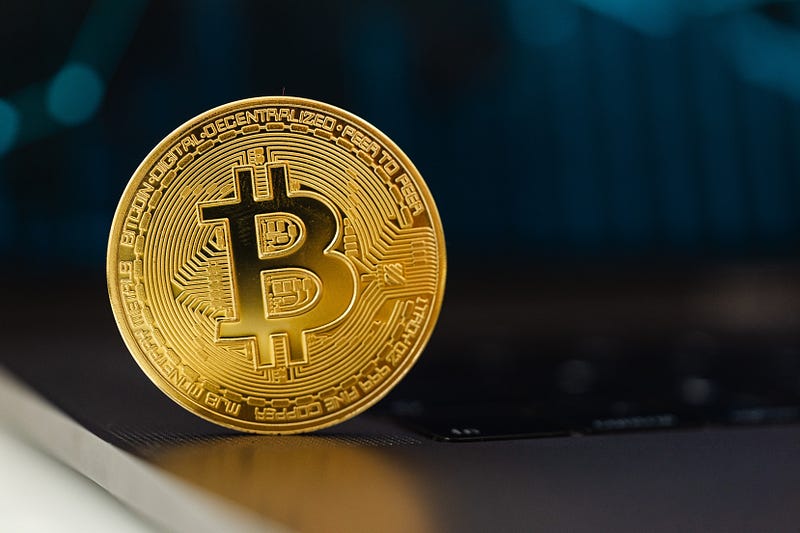
Photo by Karolina Grabowska on Pexels


Bitcoin Greed & Fear Index (GFI)

The index, which tracks market sentiments, has skyrocketed from below 10% to a staggering 93%. Such a rapid increase indicates a prevailing sense of greed and excessive optimism among Bitcoin investors. As a result, industry experts are suggesting that a breather in the ongoing Bitcoin rally may be on the cards.

Markus Thielen, the Head of Research and Strategy at Matrixport, has advised short-term traders to consider capitalizing on their gains given the exuberant levels recorded by the Bitcoin Greed & Fear Index. Historical analysis reveals that readings above 90% have often signaled interim tops in Bitcoin’s price, while readings below 10% have preceded notable price rallies.


Upward movement favorable

Despite the current high reading, the 21-day simple moving average of the index remains below the critical 90% mark. This implies that the overall trajectory for Bitcoin still favors upward movement. Thielen points out that the rising 21-day moving average indicates the potential for further upside once the current phase of exuberance subsides, allowing for consolidation in the market.

Chart analysts share an optimistic view of Bitcoin’s future, with some predicting a potential rally towards the $35,000 mark and beyond. Josh Olszewicz, Head of Research at digital asset investment firm Valkyrie, highlights a falling wedge setup in Bitcoin’s recent price action.

The successful bounce off the support level, combined with the completion of the falling wedge pattern, has heightened expectations for a move towards the mid-$30,000 range. Olszewicz does caution that significant resistance may arise in that zone, likely leading to a subsequent period of re-consolidation before any further upward progress can be made.

In recent weeks, Bitcoin experienced a pullback from its mid-April high of $31,000, eventually finding support around the $25,200 level earlier this month. This pullback, often referred to as a “throwback,” historically acts as a catalyst for price rallies, as has been evident in the past few days.


Ether gain potential

While Bitcoin’s rally has been impressive, Ether (ETH), the second-largest cryptocurrency by market capitalization, has seen a gain of 15.9% since last Thursday. However, Ether’s GFI index has yet to reach the 90% threshold, indicating potential room for further growth while Bitcoin takes a breather.

Matrixport’s Bitcoin Greed & Fear Index has surged to an astonishing 93%, signaling heightened levels of greed and optimism among Bitcoin investors. Traders are advised to consider securing their gains as the index reaches exuberant levels.

Nonetheless, the rising 21-day moving average suggests the potential for Bitcoin’s upward momentum to continue following a period of consolidation. At the time of writing, Bitcoin is trading around $31,200, based on CoinGecko data. Going into the weekend, that’s demonstrating continued growth. Meanwhile, Ether shows promising performance, with potential for further growth.

More to Read
View All
Web3 & Enterprise·

Jul 06, 2023

FTX Opts Out of Plan to Sell off FTX Japan

FTX Opts Out of Plan to Sell off FTX JapanThe FTX Debtor that was brought in to manage the bankrupt estate of the failed FTX cryptocurrency exchange has decided to not follow through with a plan to sell off the Japanese business.That’s according to a report by Nikkei on Thursday. In November 2022 a new management team was brought in to restructure the FTX business immediately following the business having filed for Chapter 11 bankruptcy in the courts in Delaware in the United States.Photo by Jezael Melgoza on UnsplashOptimizing value for creditorsThe original plan was to look to sell off subsidiary companies within the group such as FTX Japan, FTX Turkey, and FTX Europe. Those plans have now at the very least been delayed. Nikkei cited an FTX executive who claimed that it’s not so much that plans have been delayed but rather that the FTX Debtor has identified another approach that will likely optimize value for creditors.“They hope to increase the price by selling the entire group, rather than selling subsidiaries in various regions,” Nikkei’s FTX source stated.Rebooting the exchangeThe response from creditors to this news has been largely positive. While the notion of a rebooted FTX business has proven to be controversial within the crypto space, most creditors recognize that the business can provide much greater value for them if it is restarted internationally.Global investment banking firm Perella Weinberg Partners (PWP) was brought in by the FTX Debtor in November 2022 to carry out a strategic review of the assets held by the FTX group. In a recent bankruptcy court hearing in Delaware, one of its partners stated that they are currently in the process of inviting bids from interested parties.At that time, PWP indicated that the Debtor was looking to revive the international FTX business. That would likely mean an entity headquartered outside the United States. It remains to be seen what will happen in the case of the FTX US business. Due to an unwelcoming regulatory approach in the US right now, setting up a crypto business there is seen as having additional risk factors.Asian interestA number of weeks ago, the Debtor filed a list of interested parties. The list included a number of high-profile Asian companies, although it’s not clear if their interest lies in the business in its entirety or specific FTX assets.Among them was Japanese telecoms firm Docomo. Tokyo-headquartered global financial services company Nomura also featured. Japan’s largest Ecommerce company, Rakuten, also signed a letter of intent in expressing its interest. FTX Japan had attracted 41 bidders. It’s being speculated that some of these Japanese entities will now bid on the entire business or join consortiums who will do so.FTX Japan solventCreditors of FTX Japan have fared much better than their international counterparts. In the wake of the collapse of the Mt.Gox cryptocurrency exchange in 2014, the Japanese authorities set to work on providing greater protections for customers. As a consequence, FTX Japan was required to ring-fence customer funds. For that reason, Japanese customers have already been given access to their funds.In a recent exchange on Twitter, well-known American investor Mark Cuban pointed out that Japanese regulators had been successful in protecting FTX investors in Japan. Cuban made the point to former US Securities and Exchange Commission (SEC) regulator John Reed Stark, underscoring the failure of US regulators in doing so.

news
Policy & Regulation·

Jan 20, 2024

China establishes metaverse working group with Chinese tech giants

China's Ministry of Industry and Information Technology (MIIT) has stepped into the realm of the metaverse by forming a working group tasked with setting standards for the burgeoning technology.Photo by Li Yang on UnsplashChinese corporate participationThe announcement, made on Friday, revealed that the working group would comprise representatives from the government, academic institutions and major corporations. In its statement, MIIT explained that the establishment of the metaverse working group aligns with the nation's emphasis on industrial development within the technology sector. Notably, the group will feature key figures from major Chinese tech corporations, including Huawei, Ant Group, ZET, Tencent, Baidu, NetEase, Sense Time and others. Public feedback on the selection of group members is invited until Feb. 18, although the specific areas of focus for the group are not detailed in the document. Initial in-roadsThe working group’s headline tech participants have all made some initial in-roads into metaverse technology. Baidu established its own metaverse project, XiRang, in 2021. Late last year it partnered with Qualcomm on the use of extended reality (XR) technology for use on a new metaverse platform. Huawei is paying attention to the promising metaverse space by building up a catalog of metaverse-related patents. Like Baidu, Tencent is focusing on developing XR technology with metaverse development in mind. Last year NetEase collaborated with a Chinese liquor brand to launch a winery-themed metaverse, while issuing NFTs linked to liquor bottles. Establishing metaverse standardsChina has been contemplating the formulation of metaverse standards for some time. In September 2023, MIIT advocated for the creation of a dedicated working group to address the ongoing challenges in metaverse technology. The government's overarching objective is to ensure the healthy and orderly development of the metaverse industry through standardization and guidance, reducing redundant investment costs and fostering collaborative forces for industrial development. Analysts from JPMorgan foresee a potential uptick in the value of Chinese tech stocks if the metaverse gains traction in the country. According to their analysis, Chinese web giants like Tencent and NetEase stand to benefit significantly from metaverse development. Even non-web companies such as China Mobile, Sony and Agora could witness positive impacts should the technology gain widespread adoption. In fact, China Mobile led the development of a metaverse industry alliance in China in 2023. Regional developmentIn a December document, MIIT outlined plans to formulate strategy documents clarifying the development path of Web3.Last year, several local governments in China committed to the development of the metaverse industry. Sichuan, a province once known as a crypto mining hub, aims to reach a market size of 250 billion yuan ($35.1 billion) in the metaverse industry by 2025. Last May, the city of Zhengzhou announced policy proposals to support metaverse companies. The same month, the province of Henan established a $21.7 million fund to support metaverse-related projects. The following month, an initiative was established in Nanjing to nurture metaverse development. Additionally, Shandong province has plans to grow its metaverse-related initiatives to achieve a market size of 150 billion yuan by 2025. 

news
Policy & Regulation·

Jun 28, 2023

Hong Kong Web3 Companies Invest Millions in VASP Licenses

Hong Kong Web3 Companies Invest Millions in VASP LicensesWeb3 firms in Hong Kong are making significant financial investments to obtain Virtual Asset Service Provider (VASP) licenses.According to a report by Foresight News on Tuesday, the cost of these licenses is ranging between 20 million and 200 million Hong Kong dollars ($2.55 million and $25.5 million).Industry sources explained to the publication that the high costs are due to the lack of existing infrastructure in traditional financial institutions, requiring significant investments in various aspects such as products and teams. Even experienced cryptocurrency institutions find the cost of obtaining a license to be substantial.Photo by Daniam Chou on UnsplashEarly licenseesAnalysts at Foresight highlighted that several Hong Kong subsidiaries of exchanges, including OKX, BitgetX, HashKey Pro, OSL, and Gate.io, have already commenced operations. OKX, in particular, has witnessed impressive growth in Hong Kong, with 8,800 registered users and a cumulative trading volume of $150 million as of June 27.To regulate the cryptocurrency exchange industry, Hong Kong introduced new VASP licensing requirements on June 1.These requirements mandate firms to disclose user statistics and company financials to the Securities and Futures Commission (SFC) of Hong Kong for regulatory approval. Exchanges that fail to comply with the requirements will be compelled to halt operations in the special administrative region (SAR) by mid-next year.Virtual asset ratingsOn the same day, the Hong Kong Virtual Asset Consortium unveiled its virtual asset index, which encompasses major cryptocurrencies such as Bitcoin, as well as altcoins and privacy tokens. The consortium aims to offer ratings services and indexes to facilitate retail crypto trading in the SAR. Notably, it has received support from prominent players in the industry, including Huobi, KuCoin, Bitget, and others.The introduction of VASP licenses and the subsequent investments made by Web3 companies demonstrate the evolving regulatory landscape in Hong Kong. With the stringent licensing requirements, the industry aims to enhance transparency and accountability, ensuring the protection of investors and fostering a more secure environment for cryptocurrency trading.The involvement of established exchanges and the formation of the Hong Kong Virtual Asset Consortium further underscore the growing interest and support for cryptocurrencies in the region. These initiatives are designed to provide retail investors with reliable information.In that way, they enable them to make informed decisions while participating in the digital assets space. The consortium’s collaboration with industry leaders reflects a collective effort to promote the growth and adoption of cryptocurrencies in Hong Kong.Last week’s news of banking stalwart HSBC offering Hong Kong-based crypto exchange-traded funds (ETFs) to its banking customers has also delivered a shot in the arm to the development of crypto in the Chinese autonomous territory.As the regulatory framework continues to evolve and mature, it is expected that Hong Kong will attract more Web3 companies seeking to operate in a regulated and compliant environment.The investment in VASP licenses signals a commitment to long-term growth in establishing a base in Hong Kong. Ongoing developments in Hong Kong over the course of the past six months point to the recognition of the potential benefits that cryptocurrencies and blockchain technology can bring to the financial landscape of Hong Kong and level of the level of intent locally to progress the technology.

news
Loading