Top

Busan signs MOU with BDX Consortium to launch Busan Digital Asset Exchange

Policy & Regulation·February 22, 2024, 3:59 AM

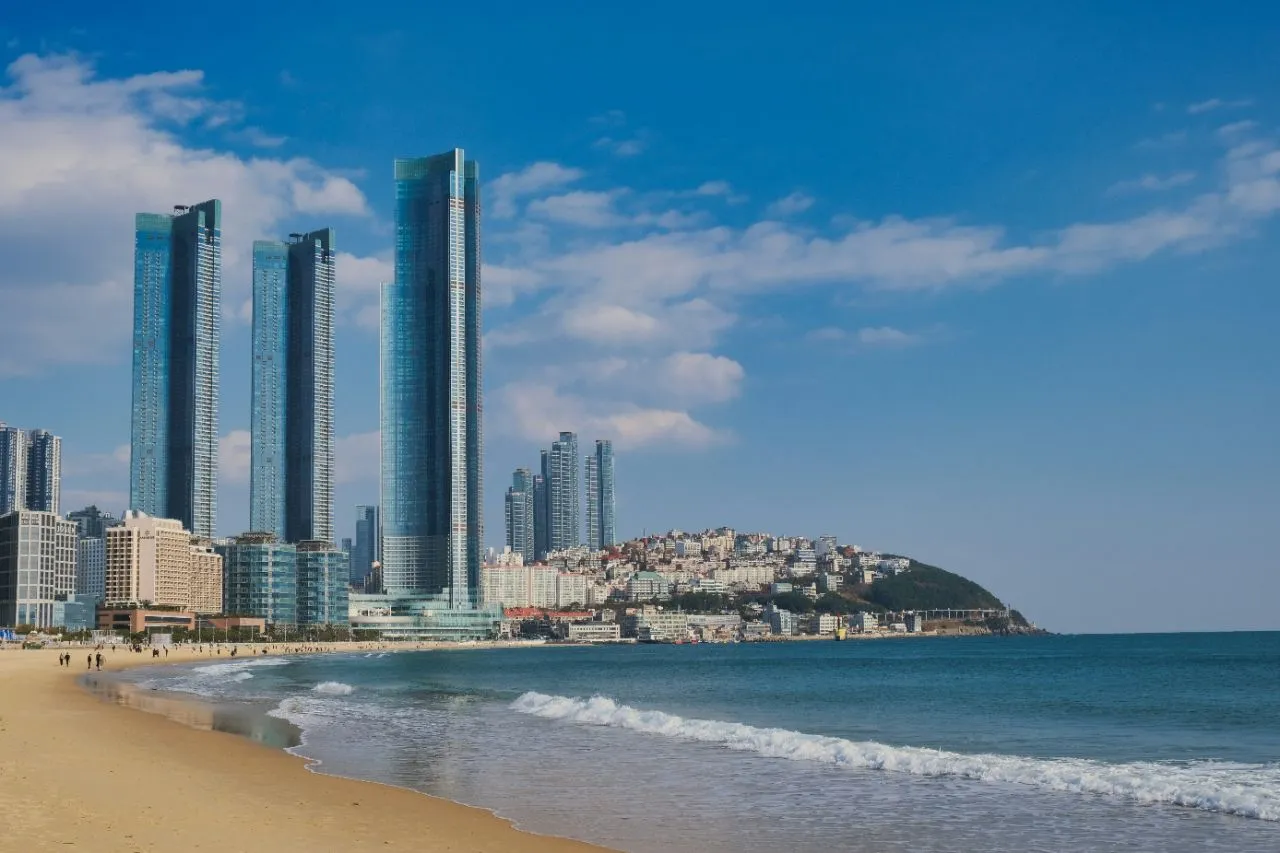
South Korea’s southeastern port city of Busan signed a memorandum of understanding (MOU) on Wednesday with the BDX Consortium led by ITCEN GROUP, a Seoul-based tech company specializing in system integrations. This marks the beginning of the establishment of the Busan Digital Asset Exchange (BDX). 
https://asset.coinness.com/en/news/667d3b2a6827b50220072d709d0fa330.webp
Photo by Minku Kang on Unsplash

Plans to establish BDX Corporation

Following the MOU signing, Busan and the BDX Consortium plan to join forces to set up and operate BDX successfully. The two entities are also dedicated to swiftly establishing a private entity, “BDX Corporation,” within the blockchain regulation-free zone in Busan, as part of their ambitious plan to make Busan into a global blockchain hub. 


ITCEN GROUP is known to have extensive experience in trading real-world assets (RWAs) such as gold, silver and copper. Other participants of the BDX Consortium include Hana Securities, Hana Bank, OCON and Barunson, who are set to provide RWAs and intellectual properties (IP) to BDX in cooperation with ITCEN GROUP. Following the founding of BDX Corporation, the BDX Consortium is required to provide investment capital to the city of Busan until April, in accordance with its business plan. 


A blockchain exchange with its own mainnet based on decentralized governance

The decentralized governance upon which BDX will operate is an independent framework capable of handling securities settlements, listing assessments and market monitoring. It also serves as an investor protection measure through its mutual check and balance system. 


BDX plans to support 24/7 transactions of various assets including commodities, jewelry, IP and carbon credit, all of which will be tokenized into small units for convenient trade. 


“This partnership lays the foundation for the BDX launch, which will serve as a cornerstone of the city’s plan to foster the blockchain industry. In close cooperation with local enterprises, Busan will do its best to build and operate the exchange and contribute to the city’s economic growth,” stated Park Hyeong-joon, the mayor of Busan. 

More to Read
View All
Web3 & Enterprise·

Jul 25, 2023

Subreddit Token Price Slide Following Surge

Subreddit Token Price Slide Following SurgeReddit’s subreddit community tokens, Moon and Brick, having experienced a remarkable surge in prices last week fueled by a significant increase in trading volume, have taken a downward trajectory, plummeting in price.Photo by Mike Petrucci on UnsplashCrypto.com token listingThe Moon token, associated with Reddit’s r/CryptoCurrency community boasting over 6.5 million members, shot up from approximately $0.09 to nearly $0.58 on July 19, just after Singapore trading platform Crypto.com listed the token.Concurrently, trading volume spiked to around $3 million on Wednesday, marking an impressive boost.Similarly, the Fortnite subreddit community token, Brick, which Crypto.com distributes as a reward to contributors of r/Fortnite, also witnessed a substantial price surge. The token’s value surged from $0.01 on July 17 to approximately $0.10 on July 19, according to data from CoinGecko.Surge acknowledgedIn response to the sudden price surges, Crypto.com released a note early on Monday, acknowledging the surge both tokens had experienced recently. However, in a swift turn of events, both tokens experienced a significant downturn in the past 24 hours, with their prices plummeting by over 20%.As of midday (ET) on Monday, Moon was trading at $0.33, while Brick was valued just under $0.05, as reported by CoinGecko data. Moreover, trading volumes for both tokens have significantly contracted during this period of volatility. Moon’s volume shrank from over $1 million on July 23 to approximately $200,000 on Monday. On the other hand, Brick’s volume saw an even more drastic decrease, falling from approximately $210,000 on July 23 to a mere $26,000 on Monday.Terms of service changeMarket analysts speculate that the recent change in Reddit’s Terms of Service might have been the catalyst for the initial price increases. Reddit’s alteration of its Terms of Service on July 16 to permit users to trade community tokens and avatars potentially triggered the surge in token prices. It appears that Web2 centralized virtual goods such as coins and awards are making way for tradable Web3 community points.Speculating on the token price surge, Bobby Ong, the Co-Founder and COO of Malaysia-headquartered cryptocurrency data aggregator CoinGecko, wrote via Twitter last week: “Both tokens increased at the speculation of the changes coming at Reddit. No one knows exactly what is happening but Reddit deprecating Web2 Coins & Awards while allowing trading of their Web3 CPs could be something to monitor in the coming months.”Despite the recent downturn, the overall crypto space remains highly dynamic and unpredictable. Events such as the listing of tokens on prominent trading platforms can cause rapid price fluctuations. As always, that scenario makes it essential for investors to approach these assets with caution.While Moon and Brick may have encountered a sharp decline, the cryptocurrency market, in general, has proven its resilience and ability to rebound with Bitcoin currently holding a unit price of $29,125. As the market continues to evolve and gain wider acceptance, investors will need to continue to exercise caution and consider the volatility inherent in digital assets.

news
Web3 & Enterprise·

Aug 10, 2023

Parameta and Solbric Korea to Create First Solar Power Plant Security Token Platform in Korea

Parameta and Solbric Korea to Create First Solar Power Plant Security Token Platform in KoreaSouth Korean blockchain company Parameta (formerly known as Iconloop) said Tuesday it entered a business deal with Solbric Korea, a subsidiary of solar energy innovation company Next Solar Energy, to jointly establish the country’s first solar power plant security token platform that allows investors to make fractional investments in solar energy.Photo by Nuno Marques on UnsplashReceiving approval as an innovative financial serviceIn order to establish such a platform that designates solar power plants as underlying assets, they will jointly apply for a financial regulatory sandbox — a program introduced by the Korean government that offers a special and provisional regulatory exemption for financial services that have been recognized for their innovativeness.Once the platform is recognized under the sandbox as an innovative financial service, the two companies will work together on the issuance and distribution of security tokens.Expanding opportunities to invest in solar energyUltimately, Solbric aims to build a platform that brings security token technology to the solar power sector, which, until now, has presented limited investment opportunities for individual investors in Korea. It will allow them to trade securities and make small-scale, fractional investments in solar power plants.To do so, Solbric intends to leverage the knowledge and expertise of its parent company, Next Solar Energy — an experienced veteran in the solar plant industry.As its partner, Parameta will provide the necessary blockchain technology for constructing and managing the platform based on its security token offering service, Parameta S. This service uses tokens to allow fractional management of real-world assets (RWAs), making it easy to invest in and organize them. This offers more liquidity and flexibility compared to traditional investment methods.“We will focus on providing investment returns to platform users as well as the unique experience of owning various solar power plants,” said Kang Jae-won, the CEO of Solbric Korea.Increased institutional supportThis project is made possible by the recent upturn in institutional support from Korean financial authorities that allows more security token offerings. Last month, the Korean Financial Services Commission ultimately granted regulatory exemptions to several fractional investment firms that have successfully completed the business reorganization as requested by the regulator. The Financial Supervisory Service has also decided to allow fractional investment businesses to apply for investment contract securities.Taking advantage of this momentum, Solbric and Parameta plan to continually explore diverse business opportunities to establish their platform.“We are currently working with various specialized companies, including Solbric, to expand our security token businesses in various fields such as solar power plants, mobility, real estate non-performing loans, carbon emission rights, and electric vehicle batteries,” said Kim Jong-hyup, CEO of Parameta.

news
Policy & Regulation·

Nov 03, 2023

Abu Dhabi’s ADGM unveils DLT foundations regulations

Abu Dhabi’s ADGM unveils DLT foundations regulationsThe Registration Authority (RA) of Abu Dhabi Global Market (ADGM) has officially unveiled the Distributed Ledger Technology (DLT) Foundations Regulations 2023, marking yet another milestone in the evolution of digital assets regulatory frameworks both regionally and internationally.Photo by Kamil Rogalinski on UnsplashFramework for DAOs and foundationsThe new regulations were published to the ADGM website on Wednesday, with enactment occurring on Thursday. This legislative framework has been crafted to offer a comprehensive structure for DLT foundations and decentralized autonomous organizations (DAOs), addressing their unique operational needs within the blockchain sector. ADGM’s strategic vision to promote initiatives in the broader blockchain and digital asset sphere has culminated in the creation of this regulatory regime.As a global first of its kind, the DLT foundations regulation sets a precedent for blockchain foundations, Web3 entities, DAOs and traditional foundations seeking to enhance their operations through DLT. This forward-thinking framework is poised to provide a unified solution for digital asset-related activities and the broader foundations landscape, fostering transparency and efficiency.Establishing governance structuresThe ADGM DLT foundations regulation represents an effective means to establish governance structures while acknowledging the imperative decentralization characteristic of the industry. This regulatory development followed a robust public consultation process, actively involving stakeholders and industry participants to gather feedback and refine the regulations.In the realm of digital assets, ADGM continues to push towards taking leadership in regulatory standards, providing an attractive environment for Web3 startups. Ahmed Jasim Al Zaabi, Chairman of ADGM, emphasized the pivotal role that the DLT Foundations Regime plays in shaping the future of digital asset development. According to a press release on PR Newswire, Al Zaabi stated:“Abu Dhabi is rapidly emerging as the destination of choice for global players at the forefront of digital asset development. The introduction of the DLT Foundations Regime marks a revolutionary step forward, reinforcing ADGM’s commitment to a proactive approach rooted in extensive cross-industry dialogue and collaboration with various stakeholders. The new regime serves as a driving force for positive change in the digital assets sector. By transforming the blockchain and Web3 landscape, we are moving towards a future characterised by setting global benchmarks with enhanced transparency and efficiency.”Nurturing Web3 innovationOver the course of the past 12 months, the authorities in Abu Dhabi, alongside the United Arab Emirates (UAE) itself and other emirates such as Dubai, have been allocating resources towards developing the right conditions for the Web3 sector to flourish. In April of this year, a legislative framework was proposed by the ADGM.Recent months have seen a plethora of digital asset sector firms gain trading approval within the emirate. These included virtual asset firm M2, Standard Chartered digital asset subsidiary firm Zodia Markets and Laser Digital, the digital assets subsidiary of Japanese financial services conglomerate Nomura.By way of its DLT foundations regulations, the ADGM is attempting to go beyond simply creating a set of rules. The aspiration is to strive towards a future where the blockchain and digital asset industry operates within a transparent, efficient and globally respected framework. As blockchain technology continues to gain traction, Abu Dhabi’s ADGM is positioning itself to play a role in driving these advancements.

news
Loading