Top

Bithumb launches point-based ‘Benefit Zone’ to attract more crypto investors

Web3 & Enterprise·March 13, 2024, 8:17 AM

South Korea’s one of the leading crypto exchanges, Bithumb, has launched a new service dubbed Benefit Zone. Here, users can participate in the platform’s promotional events and earn in-app points, local media outlet Digital Today reported. These rewarded points can be traded for crypto assets through an in-app point shop. The event missions are available either on its mobile app or on PC. 

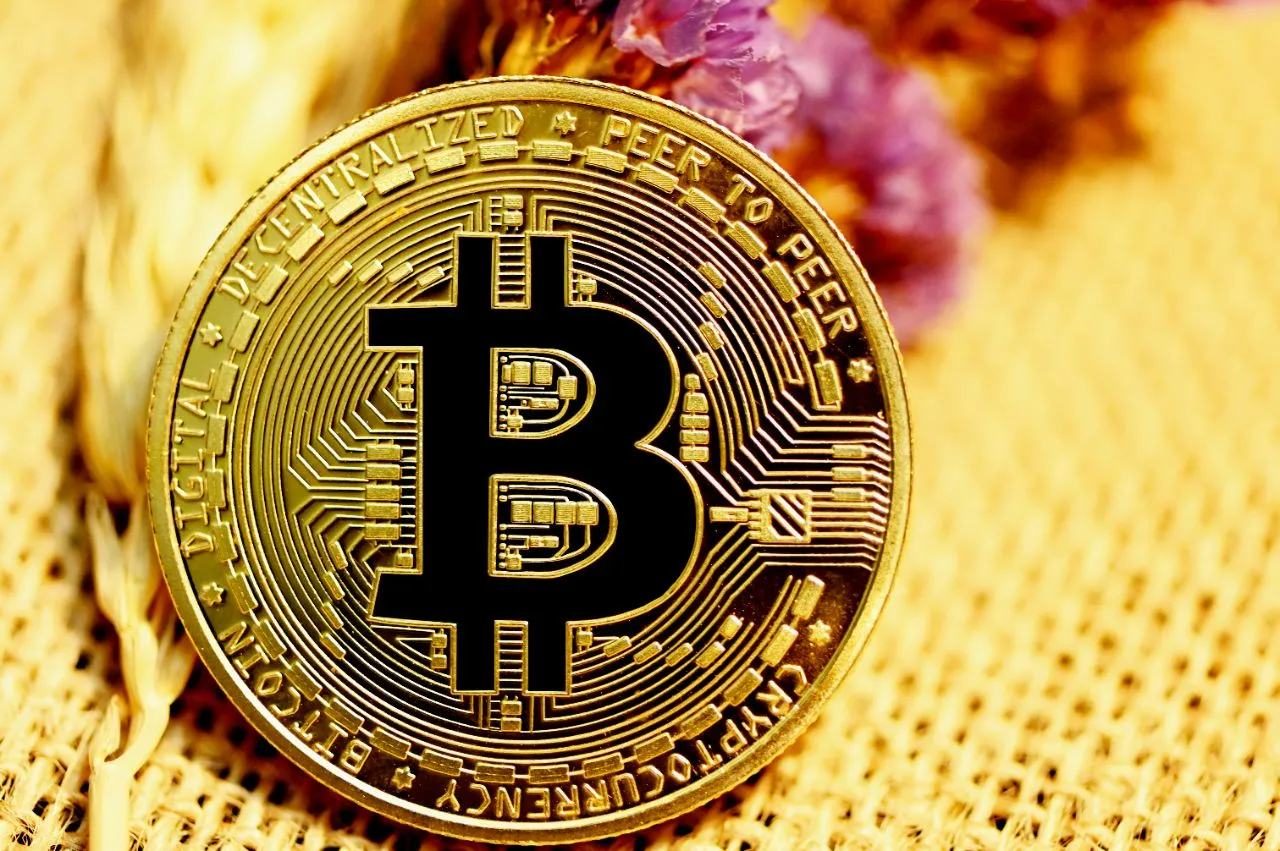
https://asset.coinness.com/en/news/fdf56f8739a0fe7e30b3f38473bf1ff4.webp
Photo by Kanchanara on Unsplash

One of these event missions involves participants predicting Bitcoin prices – BTC Up? Down? – where users can make a bet on whether Bitcoin’s price will rise or fall compared to its closing price of the previous day. The mission is available daily from 10:00 to 22:00 (KST). Winners of the bet are provided with a reward of 100 points and double that amount if they are newly signed-up users of the given month. If the Bitcoin price remains unchanged, all participants are rewarded points. 


More promotional events to come

Aside from the Benefit Zone, Bithumb is hosting another event targeting new members who joined the platform in March. Those who deposit funds in Korean won into Bithumb deposit accounts are eligible for Bithumb Cash worth around KRW 20,000, or approximately $15.

Bithumb’s Service General Manager Moon Seon-il stated that the exchange platform is conducting various promotional events to offer more perks and benefits to users, showing the company’s commitment to introducing more user-friendly services and events in the future. 


More to Read
View All
Policy & Regulation·

Nov 02, 2023

Incheon City to leverage blockchain for construction transparency

Incheon City to leverage blockchain for construction transparencyIn response to growing concerns among Koreans over recent apartment complexes built with missing reinforcing bars and unauthorized materials, the city of Incheon is turning to blockchain technology to tackle these issues.Incheon City revealed on Thursday (local time) that it has submitted proposals for public sector blockchain projects offered by the Ministry of Science and ICT. This move aligns with the city’s goal of establishing itself as a blockchain hub. By partnering with both the public and private sectors, the city aims to provide beneficial services for its citizens.This year, the Ministry of Science and ICT will gauge interest across government agencies, municipalities and public institutions for six projects, with a combined budget of KRW 10 billion ($7.5 million). In 2024, they plan to select project implementers through a bidding process. The goal is to identify public service projects where the application of blockchain technology can offer significant benefits.Photo by C Dustin on UnsplashBlockchain-driven construction oversightIn October, Incheon submitted proposals for two blockchain projects. First, it introduced a “safety certification” service to promote transparency at construction sites. This service will harness blockchain-driven integrated control technology to transparently manage apartment complex constructions. It will utilize technologies like closed-circuit television (CCTV), Internet of Things (IoT) sensors and artificial intelligence (AI) to oversee the presence of authorized personnel and track the use of approved materials.The city felt the need for this service after observing the prevalent issues with missing reinforcing bars in newly constructed flat-plate structure apartment complexes and incidents of forgery and counterfeiting of material certificates.Blockchain and eco-friendly membershipAnother project Incheon has proposed is an integrated membership service centered on eco-friendly practices, with the goal of encouraging resource recycling.Incheon City currently runs recycling shops and automated recycling machines across its counties and districts to foster recycling habits. However, with different locations necessitating different apps, the city is aiming to consolidate these into a single platform. Additionally, it intends to leverage blockchain technology to enable citizens to verify their environmental contributions.Lee Nam-joo, Head of Incheon’s Future Industry Bureau, said that how technology should be used is self-evident. He emphasized the city’s dedication to introducing tangible services that address societal challenges and enhance public safety and convenience through the application of digital technology in public services and industrial sites.

news
Policy & Regulation·

Oct 05, 2023

South Korea Embarks on Wholesale CBDC Pilot Program

South Korea Embarks on Wholesale CBDC Pilot ProgramAiming to pave the way for a future-oriented monetary infrastructure, South Korean financial agencies announced a plan on Wednesday (local time) to pilot a central bank digital currency (CBDC). This trial is designed to evaluate its practical use in real-world scenarios.The Bank of Korea (BOK), alongside the Financial Services Commission (FSC) and the Financial Supervisory Service (FSS), has been working with the Bank for International Settlements (BIS) from the inception of this project’s blueprint. Together, they plan to partner with multiple commercial banks to successfully carry out this initiative.Photo by Y K on UnsplashWholesale CBDCThe test will concentrate on a wholesale CBDC designed for transactions and settlements between financial institutions. This concept is akin to how commercial banks use reserves in their central bank accounts for transactions and settlements.Meanwhile, banks will introduce tokenized deposits for public use within the CBDC network. These payment instruments will circulate securely within the new monetary infrastructure built by the BOK and managed jointly with the FSC and the FSS.The pilot of this cutting-edge monetary infrastructure is poised to set the stage for the introduction of diverse, innovative payment and financial services that stand out from current offerings. This effort will also lay the groundwork for newer financial products, like security tokens, to be traded with greater safety and efficiency.Participation from citizensThe test aims to complete its Proof of Concept (PoC) through technical trials in simulated settings. Furthermore, a select group of citizens will be given the opportunity to engage in specific use case tests, letting them experience firsthand the advantages of the emerging digital payment methods. This project will significantly contribute to the future research and development of CBDC infrastructure.The Korean financial authorities have engaged in in-depth discussions regarding policy matters leading up to the test. To ensure alignment with existing laws, only banks will be involved in this initial phase. Decisions on expanding the test will come later, after a thorough evaluation of relevant policy considerations after the trial.The agencies will continue working to ensure that transaction tests involving citizens are conducted with sufficient user protection measures under the existing legal framework.Moreover, from the outset of the test’s preparation, the BIS offered insights from its research and development experiences with CBDC systems. In particular, members from the BIS’s Innovation Hub and the Monetary and Economic Department provided technical advice on designing and constructing a CBDC network. Stemming from their discussions, the BIS and the BOK jointly released a report highlighting the test’s importance and its intricately crafted model.This trial is a step towards identifying the best CBDC model suited for Korea’s financial and economic landscape. It’s important to note that the test doesn’t necessarily indicate a complete rollout of a CBDC or the final version of a CBDC network.Moving forward, the BOK, FSC, and FSS will form a collaborative working group. They’ll work hand-in-hand with pertinent ministries and entities, including the Ministry of Economy and Finance, to ensure a seamless execution of the test. Their technical partnership with the BIS will also remain ongoing.The selection process for a system developer began on October 4. Later this month, there will be an informational session for companies and banks engaged in the project. By the end of November, the financial authorities will unveil information regarding the banks involved and the specific use cases slated for testing. Public involvement is anticipated to start in the fourth quarter of next year.

news
Policy & Regulation·

Jun 19, 2023

Indonesia Embraces XRP, ADA as Tradable Crypto Assets

Indonesia Embraces XRP, ADA as Tradable Crypto AssetsIn a significant move towards cryptocurrency acceptance, the Indonesian government has taken a momentous step by including a range of digital assets, including XRP and ADA, in a recently published regulatory document.Photo by Nick Agus Arya on Unsplash501 digital assetsThe document, published earlier this month, comprises an extensive list of 501 cryptocurrencies that are eligible for trading within the country. Unsurprisingly, BTC and ETH feature on the list. Other notable cryptocurrencies that have been listed include SOL, LTC, DOT, SAND, and UNI. This development is seen as a positive stride towards wider crypto adoption and holds the potential for broader use of all of these assets. In the case of XRP, it provides it with greater potential to become a viable means of payment within the region in the future, even though current regulation within Indonesia prohibits payments for goods and services in anything other than the rupiah.Defining tradable assetsThe regulatory document, officially titled “Supervisory Body Regulation Commodity Futures Trading Number 4 of 2023,” signifies an amendment to the Trade Controlling Agency Regulations Commodity Futures Number 11 of 2022. Its main objective is to identify the assets that can be traded in the physical market of crypto assets within Indonesia.Colin Wu, a prominent Chinese reporter, shared this significant development on Twitter, sparking interest and discussions within the crypto community. The news has been met with a mix of optimism and caution from Indonesian individuals. One Indonesian YouTuber expressed enthusiasm for the country’s XRP-friendly stance and voiced hope for XRP to eventually attain legal tender status. However, others, like Twitter user Pondok Indah, urged the government to focus on regulatory oversight and taxation rather than direct involvement in the crypto business.This development takes place in the broader context of Indonesia’s evolving crypto landscape. According to a 2022 research report titled “The 2022 Global Crypto Adoption Index: Emerging Markets Lead in Grassroots Adoption ‘’ by Chainalysis, Indonesia ranked at the top among the 20 countries analyzed in terms of peer-to-peer (P2P) exchange trade volume. The country has demonstrated its active participation in the crypto market, with Indodax, the largest Indonesian exchange, adding support for FLOKI, an up-and-coming cryptocurrency, back in April.That said, as we’ve seen in many other jurisdictions, the development of regulation and policy relative to digital assets has not been without its hiccups. Last month, the governor of Bali warned the foreign tourists that flock to the Indonesian island that there would be consequences for those that flouted Indonesian law and used crypto as a form of payment for goods and services.Indonesia’s recognition of the potential benefits of digital assets demonstrates a path forward for other nations to follow. Providing regulatory clarity with regard to digital assets bolsters investor confidence but also opens doors for innovation and financial inclusion. In taking this approach, the Southeast Asian country is setting the stage through which digital assets can contribute to economic growth and technological advancement.

news
Loading