Top

Kazakhstan plans CryptoCity as pilot project for crypto payments

Policy & Regulation·May 30, 2025, 5:09 AM

The Central Asian republic of Kazakhstan is planning to establish a pilot project that will enable the use of crypto as a means of exchange for goods and services within a specific zone.


That’s according to a statement published on Akorda.kz, the official website of the President of Kazakhstan. The statement incorporates the text of a keynote speech delivered by President Kassym-Jomart Tokayev at the Astana International Forum. Tokayev stated:


“We are planning to create a pioneering pilot zone called CryptoCity where cryptocurrencies might be used for purchasing goods, services, and even beyond.”

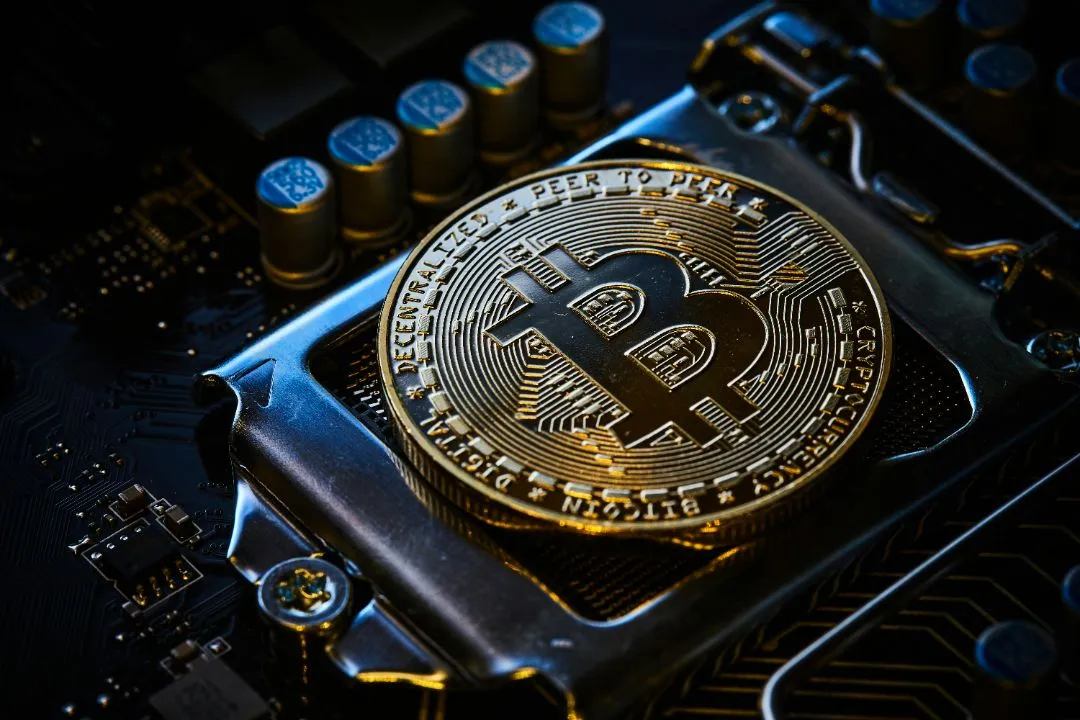
https://asset.coinness.com/en/news/9ad2218d9c3622c0f96c2e990994dc2c.webp
Photo by Engin Akyurt on Pexels

Working towards digital transformation

The initiative forms part of Kazakhstan’s efforts to make progress in terms of digital transformation, as well as an aspiration to become an IT hub within the Eurasia region. 


For the purposes of the pilot program, the use of cryptocurrencies for the payment of goods and services has been authorized by the government within a pre-defined sandbox environment. Alatau City, an urban development located north of the Kazakhstani city of Almaty, has been chosen for the pilot scheme.


Alatau has been established as a special economic zone and planned to become a hub for new technology and knowledge, alongside global tourism. It hosts the Innovation Technology Park together with the Kazakhstan National Nuclear Center, Institute of Nuclear Physics and the Physics & Technology Institute.


It’s envisaged that the existing technology and knowledge base within Alatau will support its expansion into the area of crypto payments and blockchain development.


In addition to crypto payments, other blockchain-based technologies related to taxation systems, investment and decentralized identity systems will be nurtured and encouraged within the Alatau special economic zone.


Potential Eurasian crypto hub

In a recent opinion piece published by the Russian-language government-backed newspaper Kazakhstanskaya Pravda, Kanysh Tuleushin, Kazakhstan’s vice minister of digital development, suggested that the Central Asian republic has the potential to position itself as the region’s leading crypto hub. 


Tuleushin also suggested that crypto mining operators could help to modernize the country’s energy sector, playing a role in stabilizing the country’s power grid, while making use of surplus electricity. Kazakhstan had proven to be a popular destination for Bitcoin miners in the past. However, the sudden influx of miners following a ban on the activity in China in 2021 was unplanned for. 


The surge in electricity demand put the country’s electricity grid under pressure, leading to blackouts in some cases. In 2023 President Tokayev signed legislation into law that limited the energy use of domestic crypto miners. Despite that negative experience, it appears that Tuleushin has seen the benefits that the activity can bring when regulated and planned for.


Back in March, it emerged that lawmakers in Kazakhstan had proposed the creation of a crypto bank. One obstacle to the creation of the bank is a lack of a crypto regulatory framework. According to a report published earlier this month, the National Bank of Kazakhstan is now in the process of preparing a regulatory framework for digital assets.


More to Read
View All
Policy & Regulation·

Nov 15, 2023

Korea to introduce more effective guidelines for crypto listing and delisting

Korea to introduce more effective guidelines for crypto listing and delistingThe South Korean cryptocurrency industry is expected to see standardized guidelines for listing and delisting cryptocurrencies on trading platforms by the first half of next year, according to a report by local news outlet ETnews. This move is a response to the current self-regulatory guidelines among cryptocurrency exchanges, which have been found inadequate in effectively managing the listing and delisting of digital currencies.Photo by Mathew Schwartz on UnsplashA dedicated task forceThe Financial Supervisory Service (FSS) in South Korea has reportedly initiated a task force dedicated to creating standardized rules and regulations for cryptocurrency listing and delisting. This team includes both government officials and experts from the private sector.An official from the FSS noted that the task force is aiming to present the final version of the guidelines to the National Assembly before the implementation of the Virtual Asset User Protection Act in July of next year. Operating under the oversight of the financial regulator, these standardized guidelines are expected to enhance their effectiveness and aid crypto businesses in maintaining self-regulation.Frequent listing and delistingThe decision by the Korean financial authorities to formulate these guidelines was prompted by the frequent listing and delisting of cryptocurrencies on trading platforms, which pose risks and cause confusion for customers. An earlier report from the Financial Services Commission’s Financial Intelligence Unit (FIU) highlighted that the number of tokens listed in the first half of 2023 increased to 169, up from 95 in the first half of 2022, while the number of delisted tokens rose from 78 to 115.The WEMIX controversyThe cycle of listing, delisting, and relisting cryptocurrencies has sparked controversies, with WEMIX serving as a notable example. WEMIX is the native token of blockchain gaming company Wemade’s Wemix blockchain network. In December, WEMIX was collectively delisted by the Digital Asset eXchange Alliance (DAXA), which includes South Korea’s top five crypto exchanges: Upbit, Bithumb, Coinone, Korbit, and Gopax. The reason cited was Wemade’s breach of disclosure rules regarding token distribution.However, in a turn of events, Coinone relisted WEMIX on its platform in February this year. Following this, DAXA established self-regulatory guidelines concerning the relisting of tokens. Despite these guidelines, Gopax also proceeded to relist WEMIX earlier this month. As a result of this move, DAXA criticized Gopax for not complying with the self-regulatory guidelines. Gopax faced a restriction on its voting rights within the alliance for three months, and a cautionary note was issued against them.An industry insider noted that despite the efforts of DAXA, their self-regulation measures for cryptocurrency trading services, including the listing process, have not been particularly effective. However, the upcoming rules are expected to be more impactful as they will be in line with the forthcoming Virtual Asset User Protection Act.

news
Markets·

Jul 03, 2023

Korean Crypto Market’s Healthy Growth Requires Corporate Participation

Korean Crypto Market’s Healthy Growth Requires Corporate ParticipationA healthy growth of the South Korean virtual asset industry needs the private sector’s investment in cryptocurrencies, a legal scholar argued at a recent international academic conference titled “Digital Financial Transition and International Trends in Commercial Law.”That’s according to a report by local news outlet Edaily. Namgung Ju-hyun, an assistant professor of commercial law at Sungkyunkwan University Law School, attended the two-day event hosted over the last weekend by the Korea Commercial Law Association to point out that the current restrictions on corporate investments in cryptocurrencies have not only increased speculation within the domestic market but have also hampered Korean companies’ endeavors in pursuing blockchain-powered projects.Banks and companiesProfessor Namgung addressed the current situation where Korean commercial banks are withholding real-name bank accounts from firms without specific legal grounds. This practice became common after the Act on Reporting and Using Specified Financial Transaction Information was revised in March 2021. This Act requires virtual asset service providers (VASPs) to adhere to anti-money laundering (AML) regulations; therefore, firms wishing to trade cryptocurrencies with the South Korean currency must have real-name accounts with domestic banks. While the Act doesn’t explicitly restrict issuing such accounts to corporations, banks have shown reluctance to do so.However, in countries like the United States, cryptocurrency trading in the corporate world is thriving. For instance, institutional investors at Coinbase, America’s largest crypto exchange, accounted for over 85% of the total trading volume in the first quarter, a rise from 76% during the same period last year.Photo by JESHOOTS.COM on UnsplashMinor altcoins’ strong presenceProfessor Namgung identified the prevalence of retail investors and their speculative behaviors as the primary issue plaguing the Korean crypto market. A case in point is a relatively large proportion of trades in minor altcoins. As per a report by the Korean Financial Services Commission (FSC), the combined market cap of BTC and ETH accounted for only 33% in the domestic market, a contrast to their 58.2% share in the global market. Namgung underscored that the high trade volumes of volatile crypto assets contribute to the Kimchi premium, a phenomenon where crypto prices in Korea are higher than those in other countries.Namgung also mentioned that Korean companies like Hyundai Motor, Lotte Homeshopping, and Shinsegae, despite promoting projects based on non-fungible tokens (NFTs), face difficulties due to their inability to convert cryptocurrencies to cash on domestic crypto exchanges. In comparison, global companies like Nike are successfully leveraging NFTs for their projects and exploring new business opportunities.Role of financial authoritiesProfessor Namgung urged Korean financial authorities to devise guidelines that encourage corporate participation in the crypto market, eliminating uncertainties. As a step towards risk management, he recommended considering publicly traded companies or established firms of a certain size as initial participants in the crypto market.Input from international scholarsPrior to Professor Namgung’s talk, the international academic conference also featured presentations from foreign scholars, namely Mirella Pellegrini, a professor at LUISS University of Rome; Marco Bodellini, an associate lecturer in banking and financial law at Queen Mary University of London; and Albert H. Choi, a professor of law at the University of Michigan Law School.Professor Pellegrini discussed personalized financial products and investor protection in the digital market from the perspective of the European Union. Dr. Bodellini provided insights into central bank digital currencies (CBDCs) from a policy perspective, while Professor Choi focused on digital transformation and retail shareholder engagement.

news
Web3 & Enterprise·

May 27, 2025

Chinese food company adds Bitcoin to balance sheet

DDC Enterprise, a Chinese company headquartered in Hong Kong and listed on the New York Stock Exchange (NYSE), has become the latest corporation to add Bitcoin (BTC) to its balance sheet.Photo by Michael Förtsch on UnsplashInitial 21 BTC purchaseThe plant-based food products company which operates under the “DayDayCook” brand published a press release via Business Wire last Friday announcing its first Bitcoin purchase. It’s likely that there was a symbolic element to the firm’s first Bitcoin purchase, given that it bought 21 BTC while Bitcoin has a supply cap of 21 million BTC. The company completed the transaction via share exchange with an investor group, issuing 254,333 class A ordinary shares while acquiring the 21 BTC at a market price of $2,283,667. DDC outlined that it plans to make two further purchases over the coming days of 79 BTC, at which point the firm’s corporate treasury will hold 100 BTC. Targeting 5,000 BTCThe company has a much more ambitious Bitcoin accumulation plan, however. Over the course of the next three years, it is targeting the establishment of a Bitcoin treasury holding 5,000 BTC. At current market pricing, that would amount to a Bitcoin treasury of around half a billion dollars in value. In the near term, the firm is targeting the acquisition of 500 BTC by the end of this year. DDC Founder and CEO Norma Chu described the development as a “pivotal moment” in the company’s evolution. She said that this plan reflects DDC’s “confidence in Bitcoin as a store of value,” while demonstrating the firm’s interest in pursuing innovation. “We are fully committed to ensuring the success of this strategy, which aligns with our vision to drive long-term value for our shareholders,” she added. Web3 innovationAccording to a DDC website, the company has innovative plans that go beyond just a Bitcoin treasury. It plans to deepen community engagement through the use of NFT loyalty programs and immersive Web3 experiences. It also plans to leverage blockchain transparency in its efforts to build greater community engagement. The website sets out a vision whereby DDC can blend its culinary heritage with next-generation technologies.  The company suggests that real-world asset (RWA) tokenization has the potential to revolutionize consumer engagement, while offering the possibility of enabling fractional ownership of product lines. It has set out a roadmap where it outlines having established a digital platform in 2012, going on to engage in content creation and content commerce over the course of a decade.  The firm carried out an initial public offering (IPO) in 2023 and from 2025 onwards, aside from its Bitcoin treasury strategy, it plans to integrate RWA tokenization and Web3 technology into its business, while also adopting AI technologies to enhance supply chain efficiency. DDC is one of a growing list of corporations to adopt Bitcoin as a strategic asset over the course of the past 18 months. Earlier this month, another Chinese company, Nasdaq-listed Jiuzi Holdings, an electric vehicle (EV) retailer, announced that it had adopted a plan to acquire 1,000 BTC. Hong Kong-listed game developer Boyaa Interactive holds 3,350 BTC.

news
Loading