Top

KuCoin CEO: Privacy Not a Key Bitcoin Feature

Web3 & Enterprise·July 08, 2023, 12:05 AM

Johnny Lyu, the CEO of Seychelles-headquartered cryptocurrency exchange KuCoin, recently shared his perspective on the role of privacy in Bitcoin, maintaining that privacy isn’t the primary feature of the leading digital asset that many believe it to be.
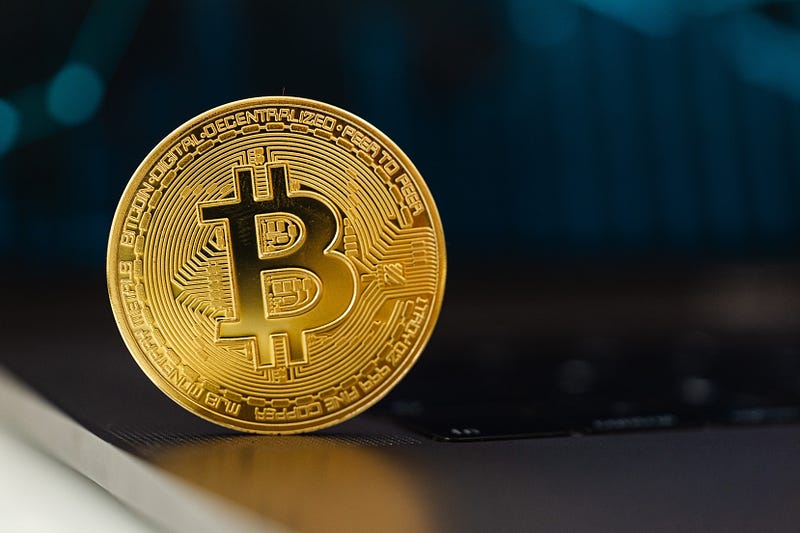
Photo by Karolina Grabowska on Pexels


Unit of exchange is core

In an interview with Cointelegraph earlier this week, Lyu expressed his belief that privacy is not the core feature of Bitcoin. He argued that the primary benefit of Bitcoin lies in its function as a unit of exchange, enabling users to hedge against recessions.

Lyu drew a connection between the creation of Bitcoin and the 2008 financial crisis, which was triggered by the subprime mortgage crisis in the United States. According to him, these events served as the catalyst for the birth of Bitcoin. However, he made it clear that privacy is just one of the features offered by the cryptocurrency.


KYC safeguarding customer funds

Addressing concerns about the increasingly stringent Know Your Customer (KYC) checks being implemented by KuCoin, Lyu emphasized the importance of these measures in safeguarding user funds. While some individuals argue that stringent KYC practices compromise privacy, the CEO believes that they enhance security. He explained that KYC procedures protect users’ assets by establishing ownership and enabling asset tracking in the event of theft.

As the cryptocurrency industry continues to expand and interact with the physical world, compliance becomes crucial. Lyu expressed his belief that KYC checks are an inevitable and healthy stage in the development cycle of cryptocurrencies. Compliance measures contribute to the industry’s long-term stability and promote user confidence.


New restrictions

KuCoin recently announced that starting from July 15, 2023, mandatory KYC checks will be implemented for all new users. This means that without completing the KYC process, new users will be unable to access KuCoin’s products and services. Existing users who have not undergone KYC will still be able to trade but will face restrictions on depositing new funds.

Lyu acknowledged that these new KYC restrictions may impact KuCoin’s trading volumes in the short term, as some customers may choose to leave. However, the exchange remains optimistic about the long-term benefits of compliance. The CEO expressed confidence that increased compliance will attract more secure funds and users to the industry, ultimately enhancing the overall security and integrity of the ecosystem.

KuCoin currently boasts 27 million users, reflecting a 35% increase compared to the previous year. Following the announcement of the KYC upgrades, the exchange experienced a notable uptick in trading volumes, with figures rising from around $540 million to over $660 million at the time of writing, according to CoinGecko data.

The introduction of mandatory KYC checks is seen as a necessary step to enhance user security and protect their assets. Although short-term effects on trading volumes are anticipated, the exchange remains optimistic about the long-term benefits of compliance measures for the entire industry.

More to Read
View All
Policy & Regulation·

Aug 10, 2023

Korean Ministry of Government Legislation Holds Lecture on Generative AI and Blockchain

Korean Ministry of Government Legislation Holds Lecture on Generative AI and BlockchainThe Korean Ministry of Government Legislation said it held a lecture on generative artificial intelligence and blockchain in light of the global rise of advanced technologies on Thursday as a means of educating and enhancing the digital capabilities of its employees.The legal environment is expected to undergo rapid and substantial changes in tandem with the fast-paced advancement of technological innovation. In response, the Ministry is conducting a three-part series of special lectures on the expected demands of legislation in the future to help its employees prepare accordingly.This lecture was the second installment in the series, titled “Essential Survival Strategies in the Era of Generative AI.”It was planned as per Minister Lee Wan-kyu’s special orders to educate Ministry employees on the promotion and regulation of new technologies such as generative AI and blockchain, which have been gaining traction as key topics in recent legislative discussions.Photo by RUT MIIT by UnsplashA future led by blockchainThe first lecture, held on July 20, was led by Professor Park Seong-jun, Head of the Blockchain Research Center at Dongguk University in Seoul. During the session, he discussed how blockchain technology would impact South Korean society in the future and shared his insights into the trajectory of related legislation.Living with generative AIThe most recent second lecture featured Chief Judge Kang Min-gu of the Seoul High Court, who delved into the kind of mindset that public officials should adopt in the era of generative AI. He emphasized the need to strike a balance between digital and analog expertise and highlighted the importance of reassessing our attitude towards innovative technology while still valuing the essential principles for our way of life.Managing money launderingThe upcoming final lecture, scheduled for next month, will be given by Park Jeong-hoon, the former Head of the Korea Financial Intelligence Unit, regarding the topic of virtual assets and anti-money laundering. Given the existing concerns about the potential for virtual assets to facilitate money laundering due to their key characteristics such as anonymity and decentralization, this lecture aims to underscore the significance of instituting regulatory measures for preventing money laundering related to virtual assets.“Our laws must evolve to reflect the times that we are living in. Our society is currently experiencing rapid digital innovation — through the enhancement of the digital capabilities of our Ministry employees, I hope that legal administration can undergo innovation as well,” said Minister Lee, who also attended the lectures.“In the future, we will continue to expand capacity-building education opportunities for Ministry employees, enabling them to facilitate legislation that is demanded by modern times.”

news
Policy & Regulation·

Feb 06, 2024

Thai SEC halts Zipmex operations amid financial concerns

The Thai Securities and Exchange Commission (SEC) has issued a directive mandating Zipmex, a Singapore-based digital asset trading and brokerage platform, to temporarily suspend its operations. This decision is driven by the SEC's call for significant changes in Zipmex's management structure and an improvement in its financial position. The regulator outlined that the cryptocurrency exchange can resume normal operations if it addresses these concerns.Photo by Dan Freeman on Unsplash15 days to rectify issuesIn an official announcement last Friday, the SEC conveyed that Zipmex has a specified period of 15 days to rectify its financial position and operational deficiencies, aligning with the prior orders from the financial regulator. The SEC emphasizes that once the crypto exchange fulfills the regulator's requirements, users should be able to resume fund withdrawals. The securities watchdog had initially issued an order to Zipmex on Jan. 12, instructing the exchange to adjust the maintenance of its net liquid capital and modify its business administration structure and personnel to enhance efficiency and protect customer interests. Anek Yooyuen, Deputy Secretary General of the SEC, explained the legal process involved, stating: "According to the process specified by law, if the digital asset business operator is unable to comply with the SEC’s orders within the specified period, the SEC may propose that the Minister of Finance consider revoking the order." Implementation of robust system to protect investorsIn addition to implementing the SEC's orders regarding its financial operation and operational deficiencies, the exchange is required to establish a robust system protecting investors' deposited assets against exploitation. Once these objectives have been achieved within the required timeframe, Zipmex is obligated to submit a report on these implementations for SEC approval, paving the way for the resumption of operations. The Thai regulator stated that “Zipmex will be able to resume normal business operations upon receiving permission from the SEC.” Longstanding regulatory scrutinyZipmex has been under the regulatory microscope since 2023, facing scrutiny following the company’s struggles off the back of the last crypto market downturn. The SEC's investigation includes a probe into an acquisition by V Ventures and whether Zipmex operated in Thailand without regulatory approval. V Ventures canceled its $100 million buyout of the company in 2023, which would have included the return of customer deposits. The Thoresen Thai Agencies subsidiary company deemed the entire deal terminated on the basis that Zipmex had not fulfilled its contractual obligations relative to the buyout. The platform suspended trading in November 2023, citing regulatory compliance as the reason. Despite the operational suspension, user withdrawals will remain accessible to facilitate an exit from the platform. The initial freeze of withdrawals in July 2022 due to Terra's ecosystem collapse, coupled with crypto lender bankruptcies, led Zipmex to seek court protection and legal assistance to raise capital for creditor payouts. The platform presented a reorganization plan last year, proposing creditor payouts of up to 30 cents on the dollar, subject to asset recovery. However, the initial offer was set at 3.35 cents, with the potential for a higher repayment figure based on the firm's eventual asset recovery. 

news
Web3 & Enterprise·

Jun 05, 2023

NFTs to Enrich Reading Experience for Book Lovers in Japan

NFTs to Enrich Reading Experience for Book Lovers in JapanBook lovers in Japan are soon going to be able to enjoy an enhanced reading experience with the introduction of electronic books based on non-fungible tokens (NFTs). Media Do, an ebook distributor based in Tokyo, has partnered with Hayakawa Books & Magazines to publish a series of five NFT-based ebooks. The first lineup is scheduled for release on June 20, 2023.Photo by Hiroshi Tsubono on UnsplashTraditional and digital publishingThis collaboration is noteworthy as it merges the world of physical paper books with digital editions, making it the first-ever initiative to create non-fungible token (NFT) copies of traditional books. By bridging the gap between traditional and digital publishing, readers can now enjoy the benefits of both formats.These NFT-based ebooks offer readers the convenience of accessing and reading them through smartphone apps, while also serving as proof of ownership for each book. Media Do’s NFT platform, FanTop, will facilitate the trading of these NFTs, creating a marketplace for enthusiasts to buy, sell, and collect these unique digital editions.Copyright owner supportWhat sets FanTop apart is its dedication to supporting authors. Each NFT transaction on FanTop will result in a fee paid to the copyright owners, ensuring they receive fair compensation for their valuable work. Connecting more than 2,200 publishers and 150 ebook stores, Media Do aims to develop FanTop into a platform that consistently provides fair and appropriate incentives to copyright owners, including authors and publishing houses.Enriched reading experienceMoreover, these NFT-based ebooks will elevate the reading experience by offering exclusive content such as alternative endings, commentaries, and guidelines. NFT ebooks possess a unique ability to incorporate videos and music, thereby enriching the reader’s understanding of the original text and immersing them in the world of the work. In the future, NFT ebooks may even include licensed works such as films or music that inspired the author during the writing process. This additional value will fuel demand in the secondary market, including trading on FanTop.Empowering creatorsFanTop aims to establish itself as a non-speculative platform that focuses on distributing valuable content. It is dedicated to empowering creators, allowing them to exercise autonomy in determining specific trading details for their works. This includes the ability to set royalties and other parameters that align with their preferences and goals.Higher books sales with NFTsSince October 2021, FanTop has been offering exclusive NFT materials to promote sales of paper books. This initiative has allowed readers to enjoy the digital versions of their books on FanTop. As of March 2023, the sales of about 100 works, which included NFT copies, were 32% higher than their original editions within 30 days of release. Their average sales price was also 31% higher than their original counterparts. Media Do has been collaborating with over 70 companies, including publishers, to plan and develop content with NFT-based books.

news
Loading