Top

BingX embarks on rebrand to further service offering

Web3 & Enterprise·November 25, 2023, 3:42 AM

BingX, the Singapore-headquartered cryptocurrency exchange platform, has taken the decision to rebrand the business.


Improving the trading experience

The platform, originally known for its role in guiding newcomers into the crypto space through copy trading, claims that the move is designed to elevate the trading experience for users by prioritizing simplicity, efficiency and security.

This transformation includes a substantial overhaul of BingX’s visual identity, highlighted by a streamlined logo that caters to the practical needs of traders. The changes extend to the platform’s color palette and typography on digital platforms, all aimed at making the trading process more intuitive and user-friendly.

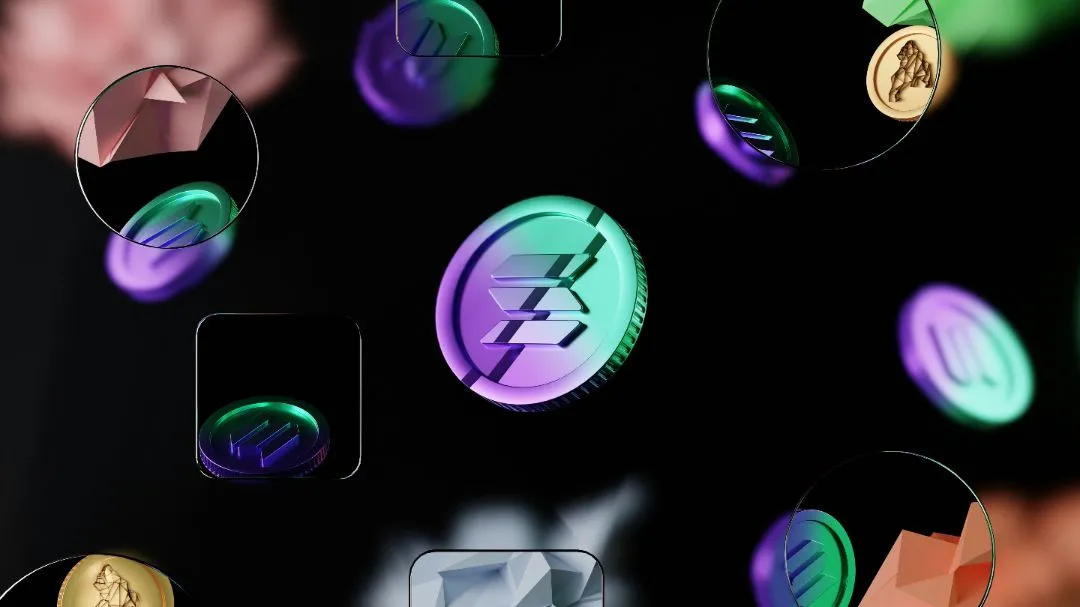
Photo by Patrik Michalicka on Unsplash


Broadening market appeal

While initially recognized for its focus on crypto beginners, BingX is now broadening its horizons. The platform introduces advanced features catering to a diverse range of crypto enthusiasts, from novices to seasoned traders. This expansion underscores BingX’s adaptive approach to the dynamic cryptocurrency market, addressing the evolving needs of its user base.

Megan Nyvold, Head of Branding at BingX, outlined that the rebranding aligns with the company’s enduring vision of democratizing crypto trading globally, emphasizing diversity and creating professional, user-centric trading environments.


From ‘Trading Made Easy‘ to ‘Empowering Traders’

In tandem with the visual changes, BingX has also unveiled a new tagline, transitioning from “Trading Made Easy” to “Empowering Traders.” This shift emphasizes the company’s commitment to supporting traders at all levels, ensuring access to reliable and transparent services.

In a blog post published by the company on Thursday, Nyvold stated:

”Over the past five years, BingX’s vision to build a gateway for the next billion crypto users has been unwavering. As part of this evolution, we have refined our core values with a renewed emphasis on promoting diversity. As we introduce our refreshed brand identity, we reaffirm our assurance of empowering our users, focusing on a more professional and user-centric trading environment that aligns with our vision for collective success.”

This latest move is one of a number of ongoing efforts BingX has made this year to further develop the business. In July, the company introduced AstraBit to the platform, an automated algorithmic trading and portfolio management tool, to enhance and automate the crypto trading experience for its platform users.

The following month, it introduced a Multiple Deposit Addresses feature to enable greater flexibility and convenience for service users. September brought a collaboration with WunderTrading, adding the use of its automated trading bots to BingX platform users. Earlier this year, the company had integrated crypto portfolio tracker CoinTracking with the platform, in an effort to allow service users to generate reports for tax purposes with ease.

BingX was founded in Singapore in 2018 by Josh Lu. The platform claims to have five million service users.

More to Read
View All
Web3 & Enterprise·

Aug 28, 2023

Hana Securities Holds Second Event to Promote Security Token Venture

Hana Securities Holds Second Event to Promote Security Token VentureHana Securities, the securities arm of South Korean financial holding company Hana Financial Group, is currently holding the second event of its Meta1 project, which aims to bridge future assets with modern finance as part of the company’s security token platform venture.This comes after the first event in April, which was organized in collaboration with the art gallery Print Bakery (PBG), during which it showcased paintings and NFT artwork by PBG exclusive artists Kim Sunwoo and DADAZ.Photo by Zach Key on UnsplashA fusion of NFT art and creative workshopsThe second event, dubbed “Meta1 Art & Play,” is being held in collaboration with PBG again at Airdrop Space in Garosu-gil, southern Seoul, and will continue until September 3. It showcases an art exhibition of 20 works, including new NFT artwork by Kim Sunwoo and DADAZ as well as pieces by collage artist Sunhotan and illustrator Boat. The latter two artists will also teach one-day art workshops for pre-registered guests, and their works will later be issued as NFTs, Hana Securities said.Collaborative pop-ups and diverse eventsIn addition, the event features a pop-up bar jointly operated by Hana Securities and online liquor retailer Dali. Visitors can enjoy a cocktail made with the Johnnie Walker Blue Label Nomad Seoul edition whisky by signing up for Dali and opening a Hana Securities banking account. Johnnie Walker and Dali are participating as sponsors of the event.Visitors who make reservations beforehand will also be eligible to receive a cup of coffee and an NFT made by one of the participating artists. Surprise gifts will also be prepared for 100 guests every day on a first come, first served basis.“We have prepared ‘playable, visual, and enjoyable’ content for visitors to have hands-on engagement in line with the recent trend of experience-based consumption,” said Im Sang-soo, Head of the Wealth Management division at Hana Securities.

news
Web3 & Enterprise·

Sep 11, 2023

Rotonda Signs Deal with The Sandbox for Blockchain Ecosystem Expansion

Rotonda Signs Deal with The Sandbox for Blockchain Ecosystem ExpansionRotonda, a subsidiary of Korean crypto exchange Bithumb and the operator of the Web3 digital wallet Burrito Wallet, announced that it has signed a memorandum of understanding (MOU) with metaverse platform The Sandbox to expand its blockchain ecosystem.Photo by Shubham Dhage on UnsplashA space for creativity and monetizationThe Sandbox is a global metaverse platform that allows users to easily create and participate in games, avatars, and items. It also provides free three-dimensional content creation tools called VoxEdit and Game Maker, and users can monetize their content. It has partnered with over 400 major companies, including Netmarble, LINE Studio, Ubisoft, and Zynga, securing some five million subscribers worldwide. “We expect that users will be able to enjoy a new Web3 experience within the metaverse, where they can create their own content,” said Max Minchul Shin, CEO of Burrito Wallet.Elevating the metaverse experienceThrough the new partnership, Burrito Wallet will support wallet integration within The Sandbox’s platform by unifying the on-chain experience across services. Burrito Wallet users will thus have more convenient access to various content within The Sandbox, including LAND — the platform’s virtual real estate space for interacting and showcasing creativity — as well as personalized avatars and assets, and an NFT marketplace. Additionally, the company plans to enhance wallet utility by supporting the multi-chain functionality of SAND, The Sandbox’s utility token.“Our partnership with Burrito Wallet will make it easier and more convenient for users to enjoy The Sandbox,” said Cindy Lee, CEO of The Sandbox Korea.“We will continue to collaborate with companies from various fields to advance the Web3 market and establish ourselves as a distinguished wallet service in the global market,” Shin added.Rotonda’s global initiativesRotonda is actively collaborating with global projects to promote the mass adoption of Web3 and blockchain technology. Last month, it launched the iOS version of Burrito Wallet in a move to expand availability for Web3 users on all operating systems. The company also recently co-hosted Next Block 2023 with its parent company Bithumb to promote business collaboration and build an ecosystem for accelerating Web3 projects.

news
Policy & Regulation·

Jul 12, 2023

China Unveils Offline SIM Card Wallet for Digital Yuan Payments

China Unveils Offline SIM Card Wallet for Digital Yuan PaymentsThe People’s Bank of China (PBoC) has announced a new offline SIM card-based solution for its digital yuan, enabling users to make payments even with their phones switched off.Photo by Sumeet Singh on UnsplashEmbedded hardwareThe innovative initiative was revealed via a social media post on Monday. It aims to reach users with 2G phones who were previously unable to access digital currency.Currently, this feature is only available for Android phone users with NFC functionality, as no details have been given for iOS users or 2G phone owners. This innovation is part of the central bank’s efforts to expand the reach and usage of its digital currency, especially for users with 2G phones who were previously unable to access it.Earlier this year, the PBoC launched a similar solution for smartphone users, using near-field communication (NFC) technology. However, the latest solution relies on hardware embedded in SIM cards, which can act as a “hard” (offline) central bank digital currency (CBDC) wallet.Partnership with telecoms giantsThe central bank’s partners relative to this particular project include major telecom operators China Mobile, China Telecom, and China Unicom, as well as state-owned commercial banks Industrial and Commercial Bank of China and Bank of China, who have also introduced SIM card-based “hard wallet products.” These developments are expected to significantly improve the payment capabilities and network-free functionality of the digital yuan.To use this feature, citizens have to get a “super SIM card” from their carriers. After they have replaced their existing SIM cards and opened the digital yuan app on their phones, they will see an option to “open a SIM card hard wallet.” This will enable them to make touch-based payments to merchants even when their devices are powered off or lack network connectivity.SIM-based wallets are likely to be particularly useful for those using 2G devices or smartphones without NFC capabilities. Considering that about 20% of Chinese mobile users still use 2G phones, it would make sense for the PBoC to continue working in this direction with future updates.Driving adoptionThe ultimate plan of the PBoC regarding SIM-based wallets is not clear yet. However, recent developments, such as the pilot project in Qingdao where CBDC payments were tested on the metro system without electricity or network, indicate a strong push toward increasing the accessibility and adoption of the digital yuan.Frankly, moves to bring about adoption of the e-CNY have been nothing short of relentless. These measures have varied from paying state employees in e-CNY in Changshu, collaborating with French bank BNP Paribas so that its corporate clients start to use the digital yuan and enabling e-CNY bus fare payments on public transport in Jinan.China’s Jiangsu Province has integrated the digital yuan into its education system, while the resort city of Sanya recently introduced e-CNY ATM machines so that foreign tourists have a means through which they can access the digital currency. These developments demonstrate a clear commitment by the Chinese authorities in advancing the rollout of its central bank digital currency.

news
Loading