Top

Asian fund acquires majority stake in The Block

Web3 & Enterprise·November 14, 2023, 1:51 AM

In the wake of certain difficulties experienced following the FTX collapse, prominent crypto publication The Block has secured its future through a strategic sale to Singapore-based venture capital group Foresight Ventures.

Taking to the X platform on Monday, The Block’s CEO Larry Cermak announced the acquisition, with Foresight Ventures taking a majority stake in the publication. The deal results in a valuation of the US media group at $70 million. Cermak stated:

”This [transaction] gives The Block a fresh start ahead of the bull market and provides us with more capital to build out new exciting products and expand our footprint into Asia and the Middle East.”

Cermak also thanked New York-based investment bank Moelis & Company for its help in running the process.

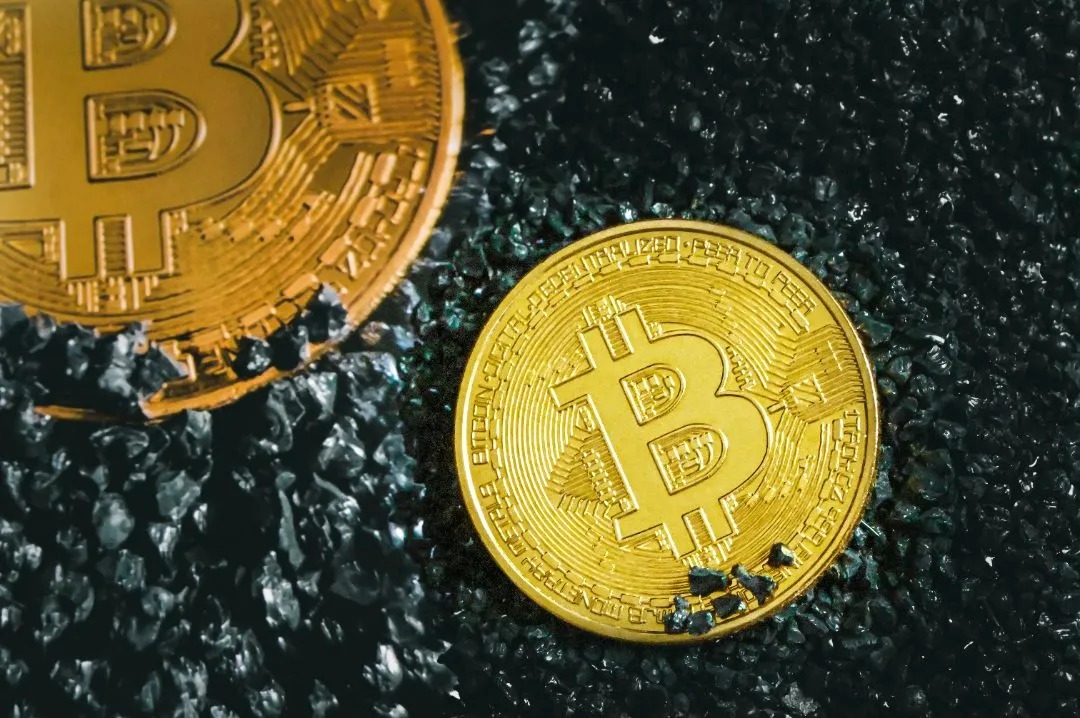
Photo by Kelly Sikkema on Unsplash


FTX controversy

The sale should allow the firm to move on from a difficult situation which saw it implicated in the activities of convicted fraudster and former FTX CEO Sam Bankman-Fried (SBF). The fallout from the collapse of the FTX exchange in November of last year included the revelation that The Block had relied on undisclosed loans from SBF to sustain its operations.

Michael McCaffrey, the former CEO of The Block, resigned last December after it was disclosed that he had borrowed $43 million from SBF’s Alameda Research, a crypto trading company. This financial arrangement was allegedly aimed at supporting the media company and facilitating property acquisitions.

Following the conviction of SBF on charges of fraud and money laundering in New York earlier this month, The Block faced challenges and turned its focus towards building a more robust institutional customer base. The media group has been actively engaged in compiling industry deals and offering subscription-based news services.

McCaffrey had taken loans totaling $27 million to buy out shareholders and support the media group, with an additional $16 million used for property acquisition in the Bahamas. The financial arrangement with Alameda was undisclosed to the broader team at The Block, as revealed by Bobby Moran, the company’s chief revenue officer at the time.

It’s still unclear if McCaffrey has repaid these loans to the FTX Debtor that is currently managing the FTX business. FTX filed for Chapter 11 bankruptcy in November 2022 and with that, it is in the process of being restructured.


$56 million investment

As part of the deal, Foresight Ventures will invest $56 million, securing an 80 percent stake in The Block, according to a source cited by the Financial Times (FT). The investment is a strategic move, especially considering the recent slowdown in venture capital investment in the crypto market.

While investors injected approximately $30 billion into crypto projects in both 2021 and 2022, the figure plummeted to $7 billion by the end of September of this year, according to PitchBook.

Foresight Ventures CEO Forest Bai confirmed to the FT that The Block will continue to operate as an independent business. Bai stated: “We think The Block is one of the crown assets in the crypto media space. Our view is that the media aspect will continue to drive education and adoption in the space.”

More to Read
View All
Policy & Regulation·

Sep 22, 2025

Hong Kong zeroes in on tokenization as corporate crypto holdings climb

Hong Kong–listed companies are stepping up digital-asset bets as the city sets out a clearer rulebook, a sign that tighter oversight and new market rails are starting to unlock institutional demand.Photo by Ruslan Bardash on UnsplashCorporate moves signal rising appetiteBoyaa Interactive International has been adding Bitcoin (BTC) to its treasury, with the latest acquisition of 411 BTC bringing its total holdings to 4,091 BTC. The gaming company has said it will direct 90% of a planned $56.3 million rights issue into Bitcoin. Yunfeng Financial raised HKD 1.17 billion, or about $150 million, through a new share issuance and plans to use part of the proceeds to launch cryptocurrency trading and investment management services. The firm is associated with Yunfeng Capital, which was co-founded by Alibaba founder Jack Ma, and has previously outlined plans to accumulate BTC, Ethereum (ETH), and Solana (SOL). These moves land alongside a policy reset from the top. In his annual address on Sept. 17, Chief Executive John Lee reaffirmed Hong Kong’s goal of cementing its position as an international hub in finance, including digital assets, while pairing that ambition with stronger investor safeguards. Tokenization and blockchain testbedThe centerpiece is Project Ensemble, run by the Hong Kong Monetary Authority (HKMA). The initiative is building infrastructure for a tokenized market and operates a sandbox where institutions can test blockchain systems in live business settings. Priorities include tokenized bank deposits, settlement of tokenized assets such as money market funds, and standardized issuance of government tokenized bonds. Regulation is advancing in parallel. The government is preparing legislation for a licensing regime that covers stablecoin issuers as well as digital-asset dealing and custody providers. The Securities and Futures Commission is studying an expansion of products for professional investors, with tougher protections baked in. The regulator plans to use automated reporting and data surveillance to curb misconduct. Authorities also intend to deepen cross-border cooperation to combat tax evasion. Banking rules are set to shift as well. The HKMA has circulated draft guidance that would ease capital requirements for certain crypto exposures in line with Basel standards through a new policy module called CRP-1. Under the proposal, assets issued on permissionless blockchains could qualify for lower capital charges when issuers demonstrate effective risk management. Hong Kong aims to implement the international rules by early 2026.Publicly traded BTC treasury firms in China Source: BitcoinTreasuries.NETAdoption amid constraintsNot every institution will join the build-out. Mainland policies may constrain participation, according to Caixin. Chinese digital platforms, state-owned enterprises (SOEs), and financial entities operating in Hong Kong could face limits on stablecoin and other crypto activity. Branches of several SOEs and Chinese banks are also unlikely to seek a Hong Kong stablecoin license. Corporate adoption remains broad despite those headwinds. Publicly traded Bitcoin treasury companies in China and Hong Kong hold a combined 19,280 BTC, according to BitcoinTreasuries.net. Several appear among the top 50 public corporate holders worldwide, including Next Technology Holding (16th), Cango (18th), Boyaa (24th), Nano Labs (48th), and Ming Shing Group (50th). The tally points to rising regional interest in digital assets. Publicly traded BTC treasury firms in Hong Kong Source: BitcoinTreasuries.NET

news
Web3 & Enterprise·

Dec 27, 2023

Kyber Network implements workforce reduction following exploit

In the aftermath of a substantial security breach in November that resulted in a confirmed loss of over $48 million, Kyber Network, the multi-chain decentralized exchange (DEX) aggregator, has taken decisive steps to restructure its operations.Photo by kate.sade on UnsplashWorking towards recoveryCEO and co-founder Victor Tran posted a lengthy message on the X social media platform on Christmas Eve to announce a 50% reduction in the firm’s workforce. The move marks a pivotal moment in the company’s efforts to recover and rebuild. As part of its strategy to ensure sustainability, Kyber temporarily suspended its liquidity protocol initiatives and KyberAI. Despite these challenging measures, the core aggregator and limit order functions remain fully operational. Tran emphasized the company’s commitment to persist and evolve, highlighting its determination to navigate through recent adversities. Despite these challenging measures, the core aggregator and limit order functions remain fully operational. Tran emphasized the company’s commitment to persist and evolve, highlighting its determination to navigate through recent adversities. Zap API additionIn an effort to enhance its services, Kyber Network disclosed plans to introduce the Zap API. This new offering aims to provide decentralized applications, crypto wallets and other DeFi projects with a seamless means to connect their users to liquidity protocols. Tran also revealed that in an effort to support its workforce during the transition, the firm has established a “voluntary database” to assist departing employees in finding new career opportunities. This initiative seeks to connect these individuals with peer projects in the industry. Exploit fall-outKyber Network took to social media on Nov. 22 to advise its KyberSwap Elastic user base of a security incident. With that notification, it advised users to withdraw their funds immediately. Over the next few days, it became clear that $48 million had been exploited on the platform by a hacker. In the immediate aftermath of the incident, the hacker posted a message on the blockchain, stating: “Negotiations will start in a few hours when I am fully rested.” He/she progressed to issuing unusual demands, including gaining complete operational control of the company and temporary ownership of the KyberDAO governance mechanism. The nature of these demands sets this particular exploit apart from others. The Kyber team, however, chose to reject these demands. It chose to respond with a blockchain message of its own, outlining that it was cooperating with law enforcement in an effort to track the hacker. The company, which operates from offices in Hanoi, Ho Chi Minh City and Singapore, also offered the hacker a carrot of a 10% bounty if the hacker agreed to return 90% of users’ funds. Instead, the firm pledged to compensate affected users through the KyberSwap Elastic Exploit Treasury Grant Program. On Dec. 20, the firm provided further details on that grant program, outlining how affected users would be refunded. Furthermore, Kyber Network is actively collaborating with authorities to identify the hacker and recover the stolen funds.Earlier this month, blockchain security firm CertiK issued an alert on social media, outlining that the hacker had moved BNB tokens to the value of $338,000 into decentralized crypto tumbler Tornado Cash.

news
Web3 & Enterprise·

Jul 19, 2023

Ubisoft Joins Cronos as a Network Validator

Ubisoft Joins Cronos as a Network ValidatorUbisoft, a world-renowned video game publisher, distributor, and creator, has entered into an exclusive partnership with Cronos, a prominent blockchain inter-operating with the Cosmos and Ethereum blockchain ecosystems. Cronos and its native CRO token were established by Singapore’s Crypto.com.According to a blog post published by Cronos Labs on Tuesday, the collaboration aims to explore the potential of blockchain technology, with Ubisoft becoming a new node validator on the Cronos network through its Strategic Innovation Lab.Photo by Ketut Subiyanto on Pexels27 node operatorsAs part of this initiative, Ubisoft joins a pool of 27 other node operators on the open-source Cronos blockchain. By doing so, the company aims to contribute to the network’s security and stability. Each node actively participates in the decentralized validation of transactions, ensuring the timely development of new blocks at intervals of 5 to 6 seconds.Cronos’ strategic approach focuses on collaborating with open-source validators and contributors who have a strong technical track record. Ubisoft’s expertise in developing immersive and engaging gaming experiences through the adoption of cutting-edge technologies aligns perfectly with Cronos’ vision. Notable existing contributors to the Cronos blockchain include Allnodes, Dora Factory, Blockdaemon, and Crypto.com, among others.Contributing towards governanceAs a validator, Ubisoft will play a vital role in the blockchain’s governance and the authorization of network updates. This partnership is a natural progression of the long-standing relationship between the two companies. Ubisoft has been actively involved in the Cronos Accelerator project as a venture mentor, fostering a strong foundation for their collaboration.Commenting on the partnership, Ken Timsit, Managing Director of Cronos Labs, revealed that Cronos Labs has had ongoing communications with the Ubisoft team for years. He emphasized Ubisoft’s unparalleled understanding of the blockchain sector’s potential and limitations, particularly in connecting gamers and creators.With Ubisoft’s involvement as a validator, Cronos blockchain is set to strengthen its security, enhance network governance, and open up new possibilities for the integration of gaming and blockchain technology. This strategic collaboration is expected to propel both companies towards innovative advancements in the ever-evolving world of blockchain and gaming.Positive developmentThe partnership between Ubisoft and Cronos holds promise for the future of blockchain technology in the gaming industry. It’s a shot in the arm for blockchain and Web3, given Ubisoft’s standing in the gaming industry, and considering that Ubisoft itself and many other headline firms in gaming seemed to have cooled their interest in the emerging space.In a recent interview, the Co-Chief Operating Officer of video gaming behemoth Sega, had described blockchain gaming projects as “boring” while outlining that the company was scaling back its interest in Web3 and blockchain.In this instance, however, as both Cronos Labs and Ubisoft leverage their expertise and resources, the potential for groundbreaking innovations and seamless integration between gaming and blockchain is within reach.This collaboration underscores the growing recognition of blockchain’s transformative power in revolutionizing various industries, including gaming. Together, Ubisoft and Cronos are poised to make significant contributions to shaping the future of blockchain technology and its applications in gaming.

news
Loading