Top

Coins.ph Suffers 12M XRP Exploit

Policy & Regulation·October 24, 2023, 12:15 AM

Coins.ph, a leading cryptocurrency exchange in the Philippines, is grappling with the alleged loss of over 12 million XRP tokens, valued at $6 million, in a purported exploit.

That’s according to various reports that have been emerging from the Philippines in recent days. The incident not only spotlights serious questions about the security protocols and regulatory oversight of crypto exchanges in the Philippines but it also sparked fears of an impact on market sentiment relative to the XRP unit price.
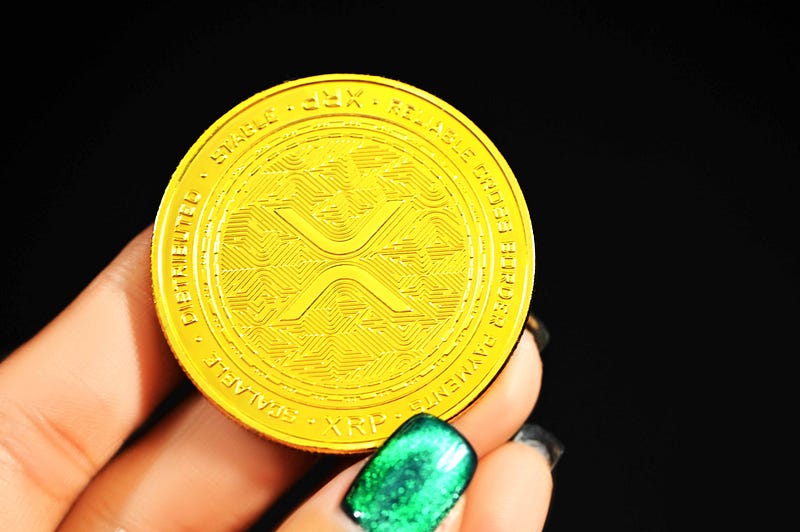
Photo by Kanchanara on Unsplash


Hacker used various platforms

The reports revealed that an exploit targeted Coins.ph, resulting in the unauthorized transfer and exchange of 12 million XRP tokens in a mere 30 minutes. The hacker behind this incident managed to navigate through various platforms, including OKX, WhiteBIT, OrbitBridge, SimpleSwap, ChangeNOW, and Fixed Float, leaving users and investors alarmed.

Coins.ph’s wallet, the focal point of the exploit, has a connection to BitGo, a California-based crypto custody firm, which initiated its activation back in 2018. At present, neither Coins.ph nor BitGo has issued any official statements regarding this reported breach.

The alleged exploit brings to the forefront once again, the importance of robust security protocols and regulatory oversight within the cryptocurrency industry in the Philippines and elsewhere. Coins.ph is a major player in the crypto sector in the Southeast Asian country, having more than 10 million users.

The hacker responsible for the exploit attempted to execute several transactions, trading nearly 13 million XRP tokens, with one transaction seemingly failing to go through. Following the successful acquisition of approximately 12.2 million XRP tokens, the hacker swiftly moved these assets to different exchanges.

Responding to the incident, some platforms promptly blocked or marked the stolen XRP tokens and sought assistance from blockchain analysis firms such as Cristal and Chainalysis. This exploit is being deemed as one of the most substantial thefts of XRP tokens in recent history.

It’s understood that WhiteBIT blocked the movement of some of the XRP that has been implicated in the hack. WhiteBIT told The Block: “WhiteBIT, as soon as received a request from the Philippines-based exchange Coins, promptly reacted and blocked 445,000 Ripple.”


XRP impact

XRP, the native cryptocurrency of the Ripple network, which primarily focuses on facilitating cross-border payments, has been grappling with its price stability in recent times. This has been largely due to the ongoing legal disputes between Ripple and the US Securities and Exchange Commission (SEC) over allegations of conducting unregistered securities offerings.

While it had been speculated initially that the hack would have impacted the XRP unit price, XRP seems to have held up well. At the time of writing, it was trading at $0.526. There has been an overall uplift in the crypto market as a whole over the course of the past 24 hours which may be a contributing factor, with digital asset market cap being up 2.7%.

As the crypto community waits for official responses from Coins.ph and BitGo, the incident serves as a stark reminder of the importance of safeguarding digital assets and enhancing regulatory oversight in an industry that continues to evolve and expand.


More to Read
View All
Policy & Regulation·

Dec 29, 2025

Japan plans separate tax treatment for crypto ETFs and derivatives

Japan’s Financial Services Agency (FSA) is advancing proposals to authorize exchange-traded funds (ETFs) backed by specific cryptocurrencies, a move that fleshes out previously reported plans to apply a flat 20% separate tax to crypto gains. According to agency materials released on Dec. 26 and reported by CoinPost, the regulator has now clarified that crypto-linked ETFs and derivatives will be integrated into this new tax framework.Photo by Jakub Żerdzicki on UnsplashThe materials, part of the tax reform framework for the fiscal year 2026, indicate that the regulator intends to align the tax treatment of crypto-linked ETFs with that of stocks and foreign exchange trading. Under the current system, cryptocurrency gains in Japan are classified as miscellaneous income, subjecting investors to progressive tax rates that can reach approximately 55% when local levies are included. The proposed reforms aim to integrate crypto assets into the Financial Instruments and Exchange Act (FIEA), a legislative package slated for debate during the 2026 Diet session. Derivatives also subject to separate taxBeyond ETFs, the regulator plans to adjust the taxation of derivative products based on certain crypto assets. While these derivatives would remain classified as miscellaneous income—similar to conventional futures—the method of taxation would shift from comprehensive taxation to a separate self-assessment model. Despite the outlined tax reductions, market observers anticipate that full implementation may be delayed until 2028 due to the time required to amend the relevant laws and government ordinances. FSA restructures to better oversee cryptoIn parallel with regulatory updates, the FSA is restructuring its internal operations to better address digital finance. Nikkei reported that the agency has decided to elevate its Crypto-Assets and Blockchain Innovation Office to the status of a division beginning in the administrative fiscal year starting July 2026. This restructuring follows an August proposal in which the FSA cited the need to bolster its capacity to handle financial services transformed by financial technology, crypto trading, and generative artificial intelligence (AI). The agency noted that it faces accumulating challenges, including fraud prevention and the government's broader goal of positioning Japan as a leading asset management nation. Additionally, the establishment of a new Asset Management and Insurance Supervision Bureau is expected as part of the reorganization. The regulatory shifts coincide with broader efforts to integrate blockchain technology into Japan's financial infrastructure. A separate Nikkei report last week stated that policymakers have agreed to prepare for the issuance of local government bonds as blockchain-based security tokens. The government plans to submit the necessary legislation during the next ordinary Diet session, aiming to streamline settlement processes and enable real-time monitoring of investor data. Corporate crypto strategies persist despite concernsIn the private sector, Tokyo Stock Exchange-listed Metaplanet is proceeding with a corporate strategy focused on Bitcoin accumulation. Dylan LeClair, the company's Director of Bitcoin Strategy, said on X that shareholders at an extraordinary meeting approved proposals to raise capital for additional Bitcoin purchases, including the issuance of Class B preferred shares to overseas institutional investors. Earlier this year, Metaplanet shareholders authorized a long-term plan to acquire more than 210,000 Bitcoin by 2027, representing roughly 1% of the total supply. However, analysts warn that corporate models based primarily on asset accumulation face structural risks. According to Cointelegraph, industry figures such as MoreMarkets CEO Altan Tutar and Solv Protocol co-founder Ryan Chow have cautioned that companies relying solely on digital asset holdings may struggle to maintain valuations without developing operational businesses that generate consistent returns. 

news
Policy & Regulation·

Jun 03, 2023

Huobi Aims for Hong Kong License Within 6–12 Months

Huobi Aims for Hong Kong License Within 6–12 MonthsAccording to Justin Sun, the founder of layer one blockchain Tron and advisor to Huobi, the cryptocurrency exchange could have obtained a crypto trading license in Hong Kong by the end of the year.Photo by Pixabay on PexelsApplication submissionIn an interview with CoinDesk TV on Friday, Sun revealed that Huobi recently submitted an application to become a virtual asset service provider (VASP) in Hong Kong. While the approval process typically takes up to 18 months, Sun expressed optimism that a decision could be reached within the next six to twelve months.A legacy Chinese cryptocurrency exchange was driven out of the country a few years ago following the implementation of a crypto trading ban, and is now a Seychelles-headquartered company which currently has offices in Singapore, Japan, South Korea, and the United Kingdom.It had been previously understood that at least 10 companies with Chinese founders, including OKX, Bybit, and Huobi, had either announced or were known to be planning to announce their bid for licenses in Hong Kong. Sun’s comments today add clarity to the matter.Sun highlighted that during this grace period, which spans the next 18 months, the specific details of regulations will be developed. This includes guidelines on compliance with customer withdrawals and anti-money laundering requirements. He further explained that with the approval, Huobi Hong Kong will be able to operate, onboard customers, establish banking relationships, and serve its user base effectively.In a strategic move, Huobi relocated its headquarters from Singapore to Hong Kong, driven by the city’s aspirations to become a leading virtual asset hub as early as this summer. The exchange’s decision to establish a presence in Hong Kong positions it favorably to leverage the emerging opportunities in the region.Expectations of more applicantsWhile it’s not entirely clear who else has applied, Sun speculated that five to six other major players could follow suit. Among the potential contenders mentioned were OKX, Gate.io, Bitget, and ByBit. This suggests a potential wave of interest in Hong Kong as a regulatory-friendly jurisdiction for virtual asset trading.When asked about Huobi’s plans to enter the Canadian market and compete with established players like Coinbase and Kraken, Sun made it clear that Huobi has no immediate intentions to operate in Canada. He emphasized the importance of prioritizing friendly jurisdictions, with a specific focus on regions like the Caribbean, Hong Kong, and Japan.Hong Kong’s regulatory approach towards cryptocurrencies and virtual asset service providers has gained attention in recent months. The city’s commitment to establishing a robust framework for digital asset trading and ensuring compliance with international standards has drawn interest from industry players seeking regulatory clarity and stability.As Huobi progresses through the application process and awaits a decision on its VASP license, the outcome will have significant implications not only for the exchange itself but also for the broader crypto ecosystem in Hong Kong. The successful acquisition of a license by Huobi could set a positive precedent, attracting more exchanges to establish a presence in the region and further solidifying Hong Kong’s position as a leading virtual asset hub in Asia.The developments in Hong Kong’s regulatory landscape will be closely monitored by industry participants as they shape the future of virtual asset trading in the city.

news
Policy & Regulation·

May 23, 2023

Korean Crypto Exchange Alliance Launches Its Official Website

Korean Crypto Exchange Alliance Launches Its Official WebsiteThe Digital Asset eXchange Alliance (DAXA), which comprises South Korea’s five major cryptocurrency exchanges Gopax, Bithumb, Upbit, Korbit, and Coinone, announced the launch of its official website on Tuesday.Photo by Markus Winkler on PexelsWebsite structure and featuresThe website has three primary sections: Introduction, News, and Archives. The Introduction section provides comprehensive information about the exchange, including a greeting from Chairman Lee Sirgoo, who also serves as the CEO of Upbit’s operator Dunamu. It also presents an organizational structure, details of the corporate identity, and links to each individual exchange.The News section provides users with announcements, press releases, and event information. Meanwhile, the Archives section houses educational videos, institutional reports, and a list of important statutes and regulations.Mitigating information disparityDAXA Vice Chairman Kim Jae-jin said the website would offer easy access to information concerning digital assets and the alliance’s self-regulatory measures. She mentioned the group’s commitment to investor protection, focusing on addressing information asymmetry.In addition to the website, DAXA runs a Youtube channel, with its first video uploaded in January of this year.Controversy surrounding the allianceEarlier this year, DAXA faced backlash after it implemented a new clause in its guidelines, which disallowed the re-listing of cryptocurrencies that had been removed from its member exchanges for a period of one year. Critics claimed that DAXA’s guideline was unclear and voiced concerns about the Alliance’s growing influence in the crypto sector. These worries are amplified by the fact that the member exchanges of DAXA command 98% of the crypto trading volume in Korea.

news
Loading