Circle CEO Sees Role for Yuan-Backed Stablecoins in Hong Kong
Jeremy Allaire, the Co-Founder and CEO of Circle, the USDC stablecoin operator, expressed his acceptance of mainland China’s ban on cryptocurrencies. However, he remains optimistic about the development of Web3 technology in Hong Kong and the city’s monetary authority’s move towards regulating stablecoins.
Yuan internationalization
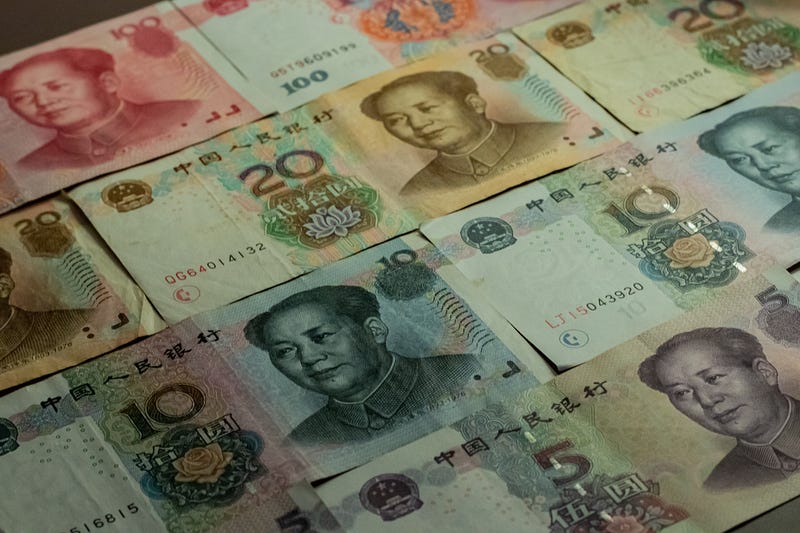
Allaire believes that Hong Kong must embrace digital assets to remain relevant in the global financial market. While he acknowledges that China is unlikely to open up its markets to cryptocurrencies, he sees potential for stablecoins to contribute to Beijing’s goal of yuan internationalization.
During an interview with the South China Morning Post (SCMP), Allaire highlighted that major financial markets worldwide are embracing digital assets and that the biggest financial institutions are adopting them. He mentioned that there is Chinese government support for stablecoins, but he clarified that it doesn’t imply opening up crypto trading on the mainland. Allaire emphasized that stablecoins could be a more immediate solution to the Chinese government’s aim of internationalizing the yuan compared to the central bank digital currency (CBDC) e-CNY.
Allaire cited the example of a stablecoin pegged to the offshore yuan (CNH) as a potential tool to facilitate the RMB’s use in global trade and commerce. He mentioned the existence of CNH Coin, a stablecoin team that also offers HKD Coin, pegged to the Hong Kong dollar.
Virtual asset hub
Hong Kong is positioning itself as a global virtual asset hub by focusing on the regulation of stablecoins. The Hong Kong Monetary Authority (HKMA) has committed to implementing stablecoin regulations by 2024, recognizing the potential impact of such assets on financial markets. Additionally, the Securities and Futures Commission (SFC) is working on complementary regulations for stablecoins following the recent implementation of licensing rules for sellers of other cryptocurrencies.
Circle’s USDC, the second-largest US dollar-backed stablecoin by market capitalization after Tether (USDT), is considered a “stored-value instrument” in the United States. Allaire expressed Circle’s encouragement regarding the HKMA’s plans and highlighted the positive motivation to expand their business in Hong Kong.
While central banks worldwide have expressed concerns about stablecoins’ impact on financial stability, the HKMA has proposed that the value of reserve assets should match the outstanding stablecoins at all times. The HKMA has also been researching the possibility of a digital Hong Kong dollar and is part of a cross-border trial for the e-CNY using a blockchain known as the mBridge.
CBDCs alongside stablecoins
Regarding the future role of stablecoins in a well-regulated environment alongside CBDCs, Allaire believes that CBDCs and private coins are complementary. He sees CBDCs as an upgrade to central banks’ systems and views the private sector’s work on innovation in distributed ledger technology as distinct and valuable.
Allaire noted that Circle conducts significant business activity in Asia, particularly in Hong Kong, which is its largest non-US market, employing around 125 individuals.
While mainland China maintains its ban on cryptocurrencies, Allaire remains optimistic about Hong Kong’s regulatory stance on stablecoins and believes they could contribute to the internationalization of the yuan. Allaire emphasized the importance of digital assets in the global financial market and expressed Circle’s support for Hong Kong’s initiatives.