Top

Hong Kong Takes Steps to Enhance Crypto Platform Oversight

Policy & Regulation·September 26, 2023, 12:14 AM

In the wake of the ongoing JPEX scandal, the Securities and Futures Commission (SFC) of Hong Kong has pledged to intensify its efforts to combat unregulated cryptocurrency trading platforms operating within the Chinese autonomous territory.

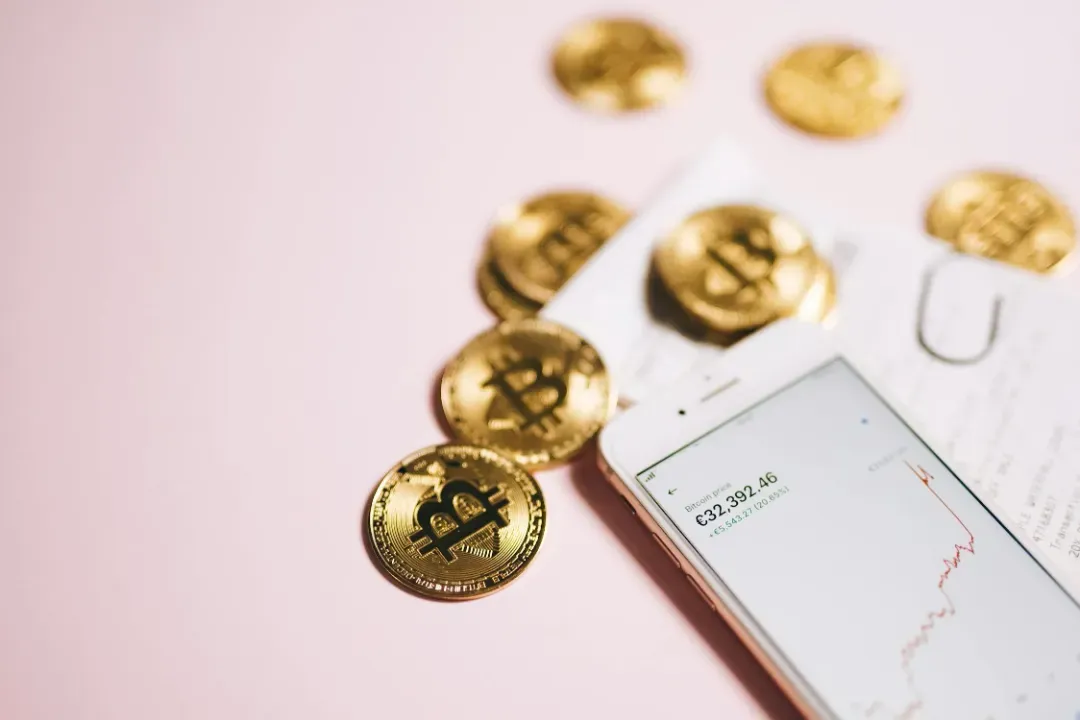
Photo by Ruslan Bardash on Unsplash


Public registry planned

As of Monday, the SFC has announced a comprehensive plan to address these concerns. One key initiative includes the publication of a publicly accessible list encompassing all licensed, deemed licensed, closing down, and application-pending virtual asset trading platforms (VATPs). The purpose of this list is to empower the public with the information needed to identify potentially unregulated VATPs conducting business in Hong Kong.


Ongoing JPEX fallout

These new measures arrive in the aftermath of the ongoing JPEX crypto exchange scandal, which local media outlets have characterized as one of the most significant financial fraud cases to ever impact the region. JPEX, a Dubai-headquartered platform, stands accused of offering its services to Hong Kong residents without having applied for a license in the country.

The SFC pointed directly to the issues at JPEX in its most recent announcement, stating: “The JPEX incident highlights the risks of dealing with unregulated VATPs and the need for proper regulation to maintain market confidence. It also shows that dissemination of information to the investing public through the Alert List, warnings and investor education can be further enhanced to help members of the investing public better understand the potential risks entailed by suspicious websites or VATPs.”

Christopher “Kit” Wilson, the Director of Enforcement at the SFC, discussed these developments at a press briefing held on Monday, alongside addressing the JPEX scandal. Wilson revealed that, due to evasive behavior from stakeholders and unsatisfactory responses to information requests, JPEX was placed on the regulator’s alert list in July 2022.

It emerged last week that Hong Kong police had taken social media influencer Joseph Lam into custody related to the scandal. More arrests followed later in the week while authorities indicated that they were looking to tighten up regulation in light of the unfolding JPEX saga. By Friday, access to the web and mobile platforms of JPEX had been blocked with JPEX encouraging users to use VPN to circumvent the measure.

Wilson further elaborated that a complex investigation, involving multiple parties across various jurisdictions, was initiated by the SFC, which escalated following the receipt of the organization’s first official investor complaint in April 2023. This coincided with the full implementation of the Anti-Money Laundering Ordinance (AMLO) in June 2023, prompting the commencement of a formal fraud investigation.

Wilson stated: “As a result of that investigation, we issued a formal warning on Sept. 13 and referred the matter to the police.”

As it stands right now, the financial ramifications of the JPEX scandal are estimated to have reached approximately $178 million. Local law enforcement agencies have received over 2,200 complaints from affected exchange users.

More to Read
View All
Policy & Regulation·

Dec 29, 2023

Samjong KPMG and Xangle to host a seminar to discuss crypto regulatory compliance

Samjong KPMG, the South Korean division of global accounting firm KPMG, is gearing up to host a seminar on virtual assets. The event is scheduled for Jan. 5 (KST) and is organized in partnership with Xangle, a Web3 data intelligence platform. Earlier this month, the two entities agreed to collaborate in exploring on-chain data relevant to crypto accounting.Photo by Markus Winkler on UnsplashGrowing crypto marketRecently, there has been a notable increase in the crypto market activity in South Korea, with the daily trading volume of virtual assets surpassing KRW 10 trillion (approximately $7.8 billion), equivalent to approximately $7.8 billion. In response to this burgeoning market, South Korea is looking forward to the implementation of the Virtual Asset User Protection Act in July. Additionally, last week, the country’s financial regulators issued the final version of new guidelines for cryptocurrency accounting and disclosure. In light of these recent developments in South Korea's crypto market, the event organized by Samjong KPMG and Xangle aims to bring together crypto entrepreneurs to discuss strategies for adapting to the new corporate regulations concerning accounting, disclosure and internal control. This seminar will provide an opportunity for stakeholders in the crypto industry to prepare for the upcoming regulatory changes, ensuring compliance and effective management in this evolving financial landscape.From market forecast to taxationIn the upcoming seminar, a series of talks are slated to shed light on the shifting landscape of the cryptocurrency market. The first presentation will feature Junwoo James Kim, Co-CEO of Xangle, who is set to present a forecast for the cryptocurrency market in the next year.  Following Kim's presentation, Park Jong-baek, a Partner at law firm Bae, Kim & Lee, will take the stage. Park's expertise in legal matters will guide the audience through the current and forthcoming regulatory trends in virtual assets. Meanwhile, Choi Yeon-taek, Director at Samjong KPMG, will address the practical aspects of the recently released guidelines for cryptocurrency. His discussion will focus on their application in corporate accounting, disclosure and internal control. Xangle’s Co-CEO Lee Hyun-woo will highlight the importance of complying with disclosure rules for virtual asset information, focusing on aspects like circulating supply. Furthermore, Samjong KPMG’s Director Kim Byung-kook will address taxation issues related to virtual assets.Accounting transparency and investor protectionAccording to a report by local news outlet The Maeil Business Newspaper, Park Sung-bae, the head of the virtual asset business consulting division at Samjong KPMG, expressed optimism about the upcoming seminar’s potential impact. He hopes that the event will play a significant role in fostering a healthy cryptocurrency market. The focus will be on changing regulations that aim to enhance accounting transparency and protect investors, underlining the importance of adapting to these changes. Echoing Park's sentiments, Lee from Xangle emphasized the importance of clear and well-defined regulations for the cryptocurrency market, given that such regulations enhance transparency and help maintain the overall health of the crypto ecosystem. He highlighted that despite various challenges and concerns, the crypto market has continued to grow. Lee expressed his hope that the seminar will be particularly beneficial for individuals and organizations involved in Web3 projects, aiding them in navigating and understanding the evolving regulatory environment.  

news
Markets·

Mar 29, 2024

Bithumb and NH Bank renew their real-name account contract for just six months

About three years ago, in March 2021, the South Korean financial regulators implemented the Specific Financial Transaction Information Act to ensure that local cryptocurrency exchanges provide safe and sound crypto trading services to investors. It was also a move to prevent exchanges and investors from engaging in illicit money laundering practices.  However, the law has come across as a hassle to many crypto exchanges, as they were required to undergo verification processes to prove their reliability and to receive real-name accounts from banks. These accounts enable their users to trade crypto against the Korean won, helping exchanges stand out in the fiercely competitive crypto market amid surging Bitcoin prices. At the moment, only five crypto exchanges in Korea are qualified to provide such services. Bithumb, one of these few qualified fiat-to-crypto exchanges, has renewed its real-name account contract with NH Nonghyup Bank (NH Bank) for six more months, according to local news media Yonhap News Agency. Photo by Robin Jonathan Deutsch on UnsplashVarious factors in play for relatively short renewalCrypto insiders say that extending the contract for only six months appears to be quite a conservative move, as Bithumb has been making a year-long contract with NH Bank every year since 2018. Experts suggest various factors may have influenced Bithumb's decision, including the volatile crypto market, the Virtual Asset User Protection Act becoming effective in July and the exchange's planned initial public offering (IPO).  Some say the relatively short renewal of the contract comes after a flurry of complaints from Bithumb users about the unfavorable user experience, including the cumbersome process they must go through to increase the deposit limit of their real-name accounts linked to Bithumb. This appeared to have prompted Bithumb to feel reluctant about the 6-year-long collaboration and seek a partnership with another bank such as KB Kookmin Bank or the online-only Kakao Bank, according to local media Bizwatch. One bank official said that the relatively short renewal reflects Bithumb and NH Bank's commitment to addressing the inefficiencies of crypto transaction services, as the two companies plan to enhance their investor experience and marketing efforts over the next six months.  Crypto boom drives partnership between exchanges and banks NH Bank appears to be persuading Bithumb to maintain their partnership, one bank official said, because providing real-name accounts to crypto exchanges not only benefits exchanges but also banks. Having young crypto investors – mostly in their 20s to 40s – open real-name accounts at banks is seen as a significant opportunity to expand their customer base. One crypto insider said the ability to issue real-name accounts usually puts banks in a superior position when entering a partnership with crypto exchanges, but that doesn't seem to be the case in times like this when the crypto market is bullish more than ever.  

news
Web3 & Enterprise·

Nov 21, 2023

Japan’s ODX to commence digital securities trading in December

Japan’s ODX to commence digital securities trading in DecemberOsaka Digital Exchange (ODX) is set to commence security token trading with Ichigo’s real estate assets, marking yet another milestone in Japan’s evolving digital asset landscape.Photo by note thanun on UnsplashDecember 25 ‘START’ODX’s Proprietary Trading System (PTS), named “START,” is scheduled to commence operations on Dec. 25, as announced in a Nov. 20 statement. This development follows the approval from Japan’s Financial Service Agency (FSA) on Nov. 16 for ODX’s securities token proprietary trading system.A security token, essentially a digitized version of traditional securities, represents fractional ownership in real-world assets like equity, real estate, or company shares. ODX’s trading system aims to enhance liquidity and funding opportunities for securities token operations within the region, aligning with its broader vision of establishing a digital stock exchange to rival the Tokyo Stock Exchange.Established in 2021 by SBI Holdings and Sumitomo Mitsui Financial Group (SMFG), ODX is poised to welcome Ichigo as its inaugural client on the START platform. Ichigo is a Japanese sustainable infrastructure firm based in Tokyo. Real estate is one of the sectors it is involved in, where it specializes in the renovation and improvement of existing buildings.Third security token launchThe real estate company has previously issued two security tokens and now plans to issue a new token, facilitating real estate investment opportunities for individuals. A company statement reveals that the new security token will invest in six strategically located rental residential properties with superior access to the city center. Bloomberg reported on Monday that Ichigo intends to sell approximately $20 million worth of securities backed by property investments, with trading set to commence on Dec. 25.The release of real estate-backed security assets will take place on Progmat, a Japan-regulated digital asset platform established in 2022 by Mitsubishi UFJ Financial Group (MUFG) in collaboration with other Japanese banks. Progmat integrates blockchain technology with financial expertise to manage digital assets within the regulatory framework of Japan.As a consequence, MUFG will effectively be acting as custodian and security token issuer as part of this security token offering. SBI Securities will act as the lead underwriter of the project.Security tokens, subject to federal regulations, derive their value from external tradable assets and represent ownership in an enterprise or asset. The introduction of security token trading on ODX has the potential to enhance liquidity and streamline the investment process for individuals. However, with the initial offering of $20 million in securities, it is evident that Japan is cautiously exploring the demand for alternative forms of securities.SBI portfolio companyInitially, Japanese financial services conglomerate SBI Holdings had a 70% stake in ODX, with SMFG holding a 20% equity stake. Investment Bank Daiwa Securities and global financial services group Nomura made up the balance, with each having a 5% equity holding in the business.Those equity stakes have most likely been diluted as in September ODX confirmed that it had accepted equity participation from the Chicago Board Options Exchange (CBOE), the largest U.S. options exchange platform, private equity firm Virtu Investments and proprietary trading firm and global market maker Optiver Principal Strategic Investments (PSI).

news
Loading