Top

Wemade Signs Contracts with Game Developers to Expand WEMIX PLAY’s Lineup

Web3 & Enterprise·August 18, 2023, 8:34 AM

South Korean gaming company Wemade has signed contracts with global game developers to bring three new games to its blockchain gaming platform, WEMIX PLAY.

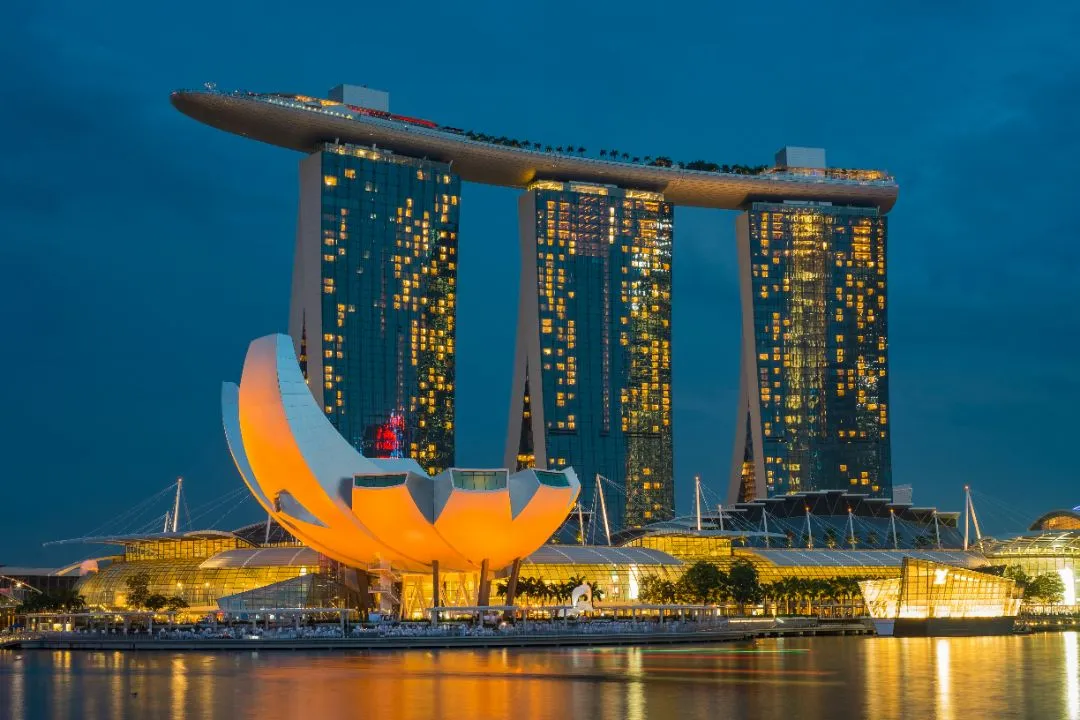
Photo by Riho Kroll on Unsplash


Three games

One of these developers is Cfire Network, based in Singapore, which is working on a strategic card game called Magic Card Duel. In this game, players collect heroes and build decks of cards to challenge each other in battle.

Dubai’s Project SEED is also part of the initiative, preparing to release a fantasy action role-playing game (RPG) called Outland Odyssey in the third quarter of this year.

Korean company SpaceProbe is contributing to the lineup with Raid of Legends, a mobile action RPG where players can develop characters to explore dungeons, join raids, and engage in combat against each other.


WEMIX PLAY’s expansive reach

WEMIX PLAY boasts a user base of 9 million and has already added more than 100 blockchain games to its platform, spanning various genres like massively multiplayer online role-playing games (MMORPGs), shooters, and social network games. The platform’s standout feature is its inter-game economy, allowing players to transfer currencies between different games seamlessly.

Wemade’s upcoming showcase of its blockchain gaming vision and WEMIX PLAY’s ecosystem will take place at G-STAR 2023, a global game exhibition happening from November 16 to 19 in Busan, Korea.

More to Read
View All
Web3 & Enterprise·

Aug 18, 2023

Japanese Crypto Exchange Zaif Adds KLAY/JPY and KLAY/BTC Trading Pairs

Japanese Crypto Exchange Zaif Adds KLAY/JPY and KLAY/BTC Trading PairsJapanese cryptocurrency exchange Zaif added the KLAY token to its list of supported cryptocurrencies on August 16. Following in the footsteps of BITPoint Japan, which introduced KLAY trading in August 2022, Zaif has become the second trading platform in Japan to facilitate the trading of the KLAY token.Zaif’s inclusion of KLAY presents traders with the opportunity to engage with the token using the Japanese yen and Bitcoin (BTC). With this addition, the total number of tokens hosted on Zaif’s platform has now reached 21, bolstering its diverse selection.Photo by Nicholas Cappello on UnsplashKLAY’s path to Green ListKLAY presently requires an additional listing on a Japanese cryptocurrency trading platform to fulfill the requirements for being included in the “Green List” of the Japan Virtual and Crypto Assets Exchange Association (JVCEA). Cryptocurrencies that have achieved green-listed status are exempt from undergoing individualized approval procedures across various exchanges. As stipulated by the JVCEA’s criteria for the Green List, a virtual asset must be featured on a minimum of three member exchanges and exhibit a trading track record of no less than six months on one of these select platforms.As of August 8, the number of green-listed virtual assets is 25, including prominent cryptocurrencies such as BTC, Ether (ETH), and Bitcoin Cash (BCH).Zaif’s upcoming listing of MBXAlong with this development, Zaif is reportedly engaged in discussions with MARBLEX, a blockchain subsidiary belonging to South Korean gaming giant Netmarble. The aim of these talks is to list MBX, the native token of MARBLEX, on the Japanese exchange in October.KLAY is the native token of the Klaytn blockchain, which was created by GroundX, a blockchain-focused arm of Kakao. Kakao is a South Korean tech giant recognized for its widely used messaging app, KakaoTalk. The company has also been expanding its presence in Japan through its subsidiary, Kakao Piccoma, which operates an online comics platform called Piccoma.

news
Web3 & Enterprise·

Aug 25, 2023

Bitfinex Turkiye Facilitates Zero-Cost Deposits via VakıfBank Partnership

Bitfinex Turkiye Facilitates Zero-Cost Deposits via VakıfBank PartnershipIn a strategic move to bolster its presence in Turkey, cryptocurrency trading platform Bitfinex has introduced a seamless and cost-free method for Turkish customers to deposit Turkish lira directly into their accounts.According to a press release published by the company on Thursday, this integration comes as a result of collaboration between Bitfinex Turkiye and VakıfBank, Turkey’s second largest bank in terms of asset size, and a significant player in the Turkish banking sector.Photo by Meg Jerrard on UnsplashExpanding market accessBitfinex’s Chief Technology Officer, Paolo Ardoino, emphasized the user-centric benefits of this partnership. He stated that Turkish customers can now deposit lira effortlessly and economically, streamlining their access to the cryptocurrency market.This development could potentially aid Bitfinex in expanding its operations within Turkey, which stands as one of the largest markets for leading global crypto exchange Binance. Ardoino stated that the move facilitates “the ability to deposit [lira] seamlessly and cost-effectively.” Additionally, Ardoino maintained that market access was being enabled “by integrating with VakıfBank,” and that “[Bitfinex] is making it easier” for customers to participate.Collaborating with the crypto sectorFounded in the 1950s, VakıfBank has 935 brick-and-mortar branches, a network of over 4,000 ATMs and almost one million point-of-sale (POS) terminals in use. This latest partnership is not the first touch point for the bank when it comes to the crypto sector. It has a similar deal in place with Istanbul-based crypto platform, CoinTR. In that instance, CoinTR customers can deposit or withdraw Turkish lira to or from their CoinTR accounts via VakifBank instantly, 24/7 and with zero fees.The bank has also participated in a blockchain-based trade finance initiative, the Turkish Trade Chain Project. In a press release published by the bank last year, it expressed the belief “that blockchain technology will make data sharing more transparent, traceable, verifiable and controllable by reducing the communication traffic between parties in the foreign trade process that requires many documents.”Partnering with TradFiBy aligning its services with a traditional financial institution, Bitfinex joins the ranks of other industry players like Fidelity, BlackRock, and PayPal, which have demonstrated increasing openness to cryptocurrencies despite the ongoing bear market.Turkey has proven to be an important market for cryptocurrencies like Bitcoin and USDT, the US dollar stablecoin issued by Bitfinex’s sister company, Tether. Runaway inflation in recent years has led to an outsized interest in decentralized money in the country.Bitfinex’s business in Turkey has not been without its hiccups. Earlier this year, a Wall Street Journal report alleged that Bitfinex Turkiye user accounts had been implicated in terrorist financing. One particular account was alleged to have been used for money laundering purposes by the armed wing of Palestinian militant group, Hamas.This latest initiative follows Bitfinex’s recent announcement of the launch of Bitfinex P2P, a peer-to-peer exchange catering to clients in Argentina, Venezuela, and Colombia. With such expansions and collaborations, the cryptocurrency sector continues to evolve, demonstrating resilience and adaptability in the face of bear market conditions and regulatory challenges.

news
Web3 & Enterprise·

Nov 11, 2023

UBS extends crypto ETF access to clients in Hong Kong

UBS extends crypto ETF access to clients in Hong KongMultinational investment bank UBS Group AG has followed suit with competitors like HSBC, enabling its wealthy clients in Hong Kong to engage in the trading of select crypto-linked exchange-traded funds (ETFs).Photo by Pierre Borthiry — Peiobty on UnsplashRegulatory approval to offer three ETFsThis move, reported by Bloomberg on Thursday, aligns with Hong Kong’s efforts to establish itself as a prominent digital asset hub. Citing an undisclosed source, Bloomberg outlined that three crypto ETFs, namely the Samsung Bitcoin Futures Active, CSOP Bitcoin Futures and CSOP Ether Futures, have received approval from the Securities and Futures Commission (SFC) and will be available on UBS’s Hong Kong platform starting this Friday.The inclusion of these ETFs allows UBS clients to diversify their investment portfolios, offering exposure to the dynamic crypto market. Educational materials will also be accessible to clients, aiding in their understanding of associated risks. While UBS declined to comment on this development, it marks a strategic move by the Swiss bank to tap into the growing demand for crypto-related investment products.In June, Hong Kong’s largest bank, HSBC, moved to expand its offering to include crypto ETFs. It has made available the very same crypto ETFs as UBS is about to offer.Hong Kong’s crypto credentialsHong Kong introduced a comprehensive digital asset regulatory regime on June 1, aiming to safeguard investors while fostering the Chinese autonomous territory’s emergence as a digital financial center. The SFC permits retail investors to trade major tokens on licensed exchanges under these regulations.Despite these regulatory advancements, Hong Kong faced setbacks, notably with the recent issues surrounding the unlicensed JPEX exchange, which led to increased scrutiny. The establishment of a joint task force between the SFC and the police aims to monitor and prevent suspicious activities within the crypto industry.Globally, financial institutions remain cautious about compliance risks in the crypto sector. However, signs of increased engagement are emerging. DBS, Singapore’s largest bank, has expressed its intention to seek a license to offer crypto services to Hong Kong customers. ZA Bank, the largest virtual bank in Hong Kong, plans to provide token-to-fiat currency conversions over licensed platforms. Furthermore, SEBA Bank, backed by the Julius Baer Group, has obtained a license for its unit to offer crypto services in Hong Kong.Unlocking ETF potentialA report published by the Hong Kong Stock Exchange in April claimed that crypto ETFs possess the potential to unlock the next phase of digital asset expansion in Asia. Earlier this week, it emerged that regulators were open to the notion of allowing retail access to spot crypto ETFs in Hong Kong, provided that the necessary regulatory approvals and checks were in place.The inclusion of the CSOP Bitcoin Futures and CSOP Ether Futures funds on UBS’s platform highlights the gradual recovery of the crypto sector from the market rout experienced in 2022. Despite the previous market challenges and collapses, the prospect of the U.S. allowing its first spot Bitcoin ETFs has contributed to a resurgence in the largest token’s price this year. The move by UBS aligns with the broader trend of financial institutions cautiously embracing the crypto economy, indicating a shifting attitude toward these digital assets in the financial mainstream.

news
Loading