Top

Subreddit Token Price Slide Following Surge

Web3 & Enterprise·July 25, 2023, 1:06 AM

Reddit’s subreddit community tokens, Moon and Brick, having experienced a remarkable surge in prices last week fueled by a significant increase in trading volume, have taken a downward trajectory, plummeting in price.

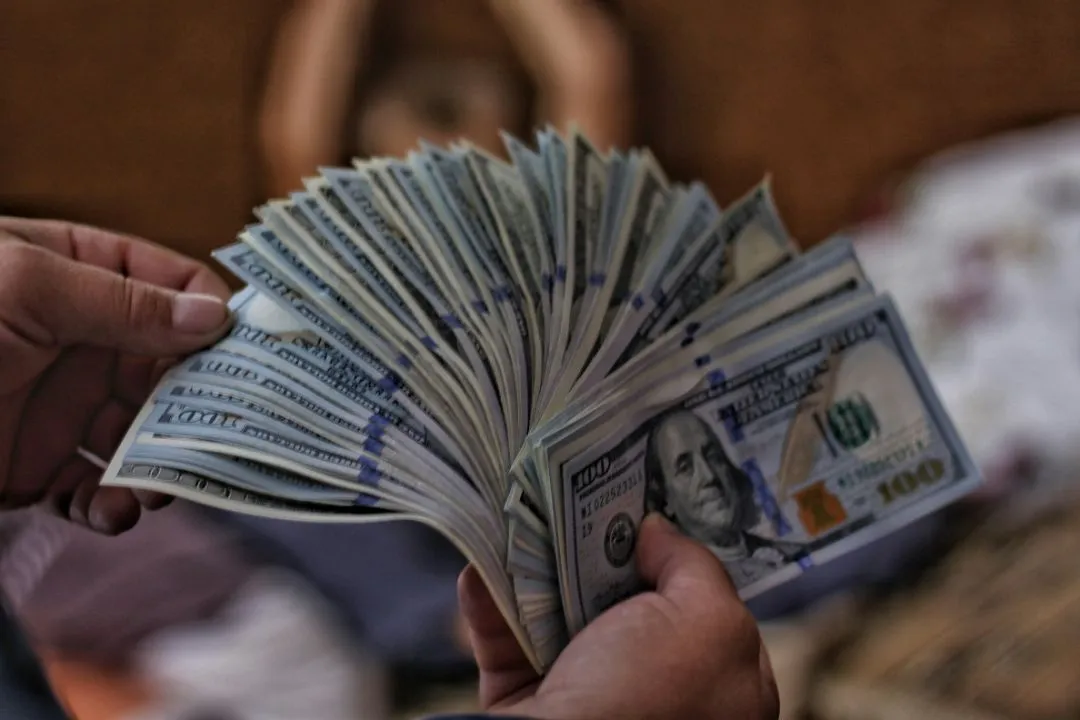
Photo by Mike Petrucci on Unsplash


Crypto.com token listing

The Moon token, associated with Reddit’s r/CryptoCurrency community boasting over 6.5 million members, shot up from approximately $0.09 to nearly $0.58 on July 19, just after Singapore trading platform Crypto.com listed the token.

Concurrently, trading volume spiked to around $3 million on Wednesday, marking an impressive boost.

Similarly, the Fortnite subreddit community token, Brick, which Crypto.com distributes as a reward to contributors of r/Fortnite, also witnessed a substantial price surge. The token’s value surged from $0.01 on July 17 to approximately $0.10 on July 19, according to data from CoinGecko.


Surge acknowledged

In response to the sudden price surges, Crypto.com released a note early on Monday, acknowledging the surge both tokens had experienced recently. However, in a swift turn of events, both tokens experienced a significant downturn in the past 24 hours, with their prices plummeting by over 20%.

As of midday (ET) on Monday, Moon was trading at $0.33, while Brick was valued just under $0.05, as reported by CoinGecko data. Moreover, trading volumes for both tokens have significantly contracted during this period of volatility. Moon’s volume shrank from over $1 million on July 23 to approximately $200,000 on Monday. On the other hand, Brick’s volume saw an even more drastic decrease, falling from approximately $210,000 on July 23 to a mere $26,000 on Monday.


Terms of service change

Market analysts speculate that the recent change in Reddit’s Terms of Service might have been the catalyst for the initial price increases. Reddit’s alteration of its Terms of Service on July 16 to permit users to trade community tokens and avatars potentially triggered the surge in token prices. It appears that Web2 centralized virtual goods such as coins and awards are making way for tradable Web3 community points.

Speculating on the token price surge, Bobby Ong, the Co-Founder and COO of Malaysia-headquartered cryptocurrency data aggregator CoinGecko, wrote via Twitter last week: “Both tokens increased at the speculation of the changes coming at Reddit. No one knows exactly what is happening but Reddit deprecating Web2 Coins & Awards while allowing trading of their Web3 CPs could be something to monitor in the coming months.”

Despite the recent downturn, the overall crypto space remains highly dynamic and unpredictable. Events such as the listing of tokens on prominent trading platforms can cause rapid price fluctuations. As always, that scenario makes it essential for investors to approach these assets with caution.

While Moon and Brick may have encountered a sharp decline, the cryptocurrency market, in general, has proven its resilience and ability to rebound with Bitcoin currently holding a unit price of $29,125. As the market continues to evolve and gain wider acceptance, investors will need to continue to exercise caution and consider the volatility inherent in digital assets.

More to Read
View All
Web3 & Enterprise·

Oct 31, 2023

Thailand’s KBank Furthers Crypto Business Through Satang Acquisition

Thailand’s KBank Furthers Crypto Business Through Satang AcquisitionKasikornbank (KBank), Thailand’s second largest bank, is expanding its involvement in the digital assets sector through the acquisition of a majority stake in the local crypto exchange Satang.Photo by Lisheng Chang on UnsplashTradFi embracing cryptoThe acquisition, involving a purchase of 97% of Satang’s shares, is a significant move in the context of an ongoing trend of traditional financial institutions embracing digital assets. The deal was officially announced on Monday, as disclosed on KBank’s official website.KBank executed the acquisition through its newly established subsidiary, Unita Capital, whose registered capital is valued at 3.7 billion Thai baht (approximately $103 million). Unita Capital specializes in investments within the digital asset sector. This move underlines the bank’s commitment to stay ahead in the dynamic world of digital finance.Subsidiary formationIn light of the acquisition, Satang Corporation is set to undergo a name change and will soon be known as Orbix Trade Company Limited. Unita Capital has established a number of other subsidiary companies as a consequence of the buy-out.KBank’s cryptocurrency venture will be structured into three distinct divisions. Orbix Custodian has been formed, focusing on secure digital asset storage and management. There is a growing demand for reliable digital asset custody services. KBank will use Orbix Custodian as a vehicle to capitalize on that growth opportunity.Orbix Invest has been established to act as the venture arm of the business relative to the digital assets space. It will focus on fund management in meeting the needs of clients looking for exposure to the digital assets sector. Lastly, Orbix Technology has been established to concentrate on blockchain technology development.Satang, a prominent player in the Thai cryptocurrency scene, operates a cryptocurrency exchange alongside a range of digital asset services. Notably, Poramin Insom, the founder of Satang, is recognized for his role in launching Firo (formerly Zcoin), a privacy-centric cryptocurrency. Insom confirmed the acquisition via a Facebook post on Monday, acknowledging the evolution of Satang as it transitions under KBank’s ownership.Insom stated: “I’ve been at Satang since 2017 until now, six years have passed. Currently, Satang on the trading board has already exited according to the news. And there should be an official announcement soon.” He also highlighted Satang’s diversified ventures, including Satang Technology, a blockchain service platform, and Satang Space, focusing on space-related endeavors.This strategic move by KBank follows its recent launch of a $100 million fund, introduced in September, targeting investments in Web3, fintech, and artificial intelligence (AI). In 2022, KBank launched Bigfin, a digital asset investment analysis platform. Bigfin has since been integrated with the Binance platform.Last year the bank backed Thai digital asset and blockchain startup Forward, a project that is working on developing a decentralized derivative platform.KBank is recognized as the second largest lender in Thailand based on assets, trailing behind Bangkok Bank. Thai NVDR Company Limited is the largest shareholder of KBank, as per data from the Stock Exchange of Thailand (SET), with the SET itself owning 99.9% of NVDR’s shares.

news
Policy & Regulation·

Jun 16, 2023

Hong Kong Pressing Banks to Facilitate Crypto Clients

Hong Kong Pressing Banks to Facilitate Crypto ClientsHong Kong’s banking regulator is urging banks, including HSBC and Standard Chartered, to onboard crypto exchanges as clients, despite increasing regulatory scrutiny of the industry in the United States.That’s according to a report published by the Financial Times (FT) on Wednesday. The FT cited three people who it claims are familiar with the matter, together with a letter seen by the publication as the basis for the assertion.Photo by Ansel Lee on PexelsChallenging crypto banking reticenceAt a recent meeting, the Hong Kong Monetary Authority (HKMA) questioned these UK-based lenders, together with the Bank of China, about their reluctance to accept crypto exchanges as customers, according to sources familiar with the matter. The HKMA emphasized that due diligence on potential clients should not create unnecessary burdens, particularly for those seeking opportunities in Hong Kong. While banks do not have a ban on crypto clients, concerns over potential money laundering and illegal activities have made them cautious.The pressure faced by banks highlights the challenges Hong Kong is facing in establishing itself as a global hub for the crypto industry, especially in light of previous high-profile collapses, such as the implosion of FTX. However, the HKMA is encouraging banks to overcome their reservations, as the regulator believes there is resistance from senior executives who adhere to traditional banking mindsets.The enthusiasm of some Hong Kong officials for the sector is evident as pro-Beijing lawmaker Johnny Ng invited Coinbase and other crypto exchanges to set up operations in the city following the recent SEC lawsuit against Binance and Coinbase.Caught between opposing forcesBanks in Hong Kong find themselves walking a fine line between supporting the crypto industry as encouraged by the government and being cautious due to the US regulatory environment. They want to ensure the industry’s development aligns with government policies, but they are also concerned about potential anti-money laundering and know-your-customer issues.The HKMA and the Securities and Futures Commission (SFC) have been vocal about their expectations, setting them apart from regulators in other jurisdictions that may be more skeptical of cryptocurrencies. Last month it emerged that crypto startups are having difficulties in establishing banking facilities in the autonomous Chinese territory. At the time, the HKMA did convene a meeting to bring parties together in order to forge a path forward.While Hong Kong has a history as a crypto center, its position weakened after Beijing’s crackdown on the industry in 2017. However, the Hong Kong government aims to reestablish the city as a hub for digital assets, having expressed its desire to provide a supportive environment for crypto-related businesses. The introduction of a new licensing regime for crypto platforms in Hong Kong is part of the government’s efforts to attract more crypto groups to the city.HSBC, Standard Chartered, and the Bank of China hold influential positions in Hong Kong as issuers of the city’s currency and have key roles in the Hong Kong Association of Banks lobby group. Standard Chartered claims that it maintains regular dialogue with regulators on various subjects, while HSBC has claimed that it is actively engaging in policies and developments within the nascent industry.

news
Policy & Regulation·

Apr 25, 2023

China to Pay State Employees in Digital Yuan

China to Pay State Employees in Digital YuanChina is making its biggest push yet to facilitate greater use of its central bank digital currency (CBDC), the digital yuan (e-CNY).©Pexels/RODNAE ProductionsThe eastern city of Changshu is gearing up to commence paying state employees in the city in e-CNY. According to an announcement made by the city’s finance bureau on Sunday, the civil servants will start to receive e-CNY as payment in May. The measure will also impact journalists working for state media, medical staff, technicians and schoolteachers.Advancing a cashless societyThrough a proliferation in the use of digital money such as that offered via WeChat Pay and AliPay, China is already well on its way towards being a cashless society. However, this latest move with the e-CNY is another major step in that direction.In a separate announcement on Sunday, the administrators of the city of Xuzhou, which like Changshu is also located within Jiangsu province, said that Xuzhou is in the process of publishing a pilot scheme which will set out a means for promoting China’s e-CNY digital currency. Meanwhile another Jiangsu province city, Suzhou, was one of the first locations in China to run a digital yuan pilot scheme in April 2020.Previously local government authorities in cities like Shenzhen and Beijing have experimented with using the currency, offering free digital yuan to citizens to spend, in an effort to popularize the digital currency.Changshu had already been using the currency for the best part of a year to make overtime payments to 4,900 state enterprise employees. Additionally, the city administrators had introduced it to pay subsidies, including payments to tech companies, payments related to housing and transport for local government workers. While there’s every likelihood that this latest measure could be applied on a province-wide basis, there has as yet been no direct confirmation of such an eventuality.Privacy concernsThe Chinese government maintains that further introduction of the e-CNY will lead to an improvement for citizens in terms of privacy. Beijing maintains that the large tech platforms like WeChat Pay and AliPay will have no access to the transaction data of individuals and companies. However, that data will find itself directly in the hands of the Chinese government. Given the totalitarian nature of governance in China, it’s hard to imagine how that could be a positive outcome for Chinese society.International currencyOriginally known as DCEP, work on the digital currency began in China in 2014. The Chinese are among a growing list of countries that are understood to be unhappy with the need to use US dollars for international trade given that the dollar is the global reserve currency.That discontent has grown further as a direct response to greater use of sanctions by the United States, and particularly the seizure of Russian sovereign funds held in dollars. Furthermore, the weaponization of the SWIFT payments system exemplified through the exclusion of countries like Russia and Iran is also believed to have been a catalyst for greater development of the e-CNY.

news
Loading