Top

Coin Oasis Founder Thinks UAE Set Up For Crypto Success

Web3 & Enterprise·May 15, 2023, 12:44 AM

As the dust settles on 2023's Dubai Fintech Summit, which took place last week, one takeaway offered by the Co-Founder of blockchain ecosystem firm Crypto Oasis is that the United Arab Emirates (UAE) has set itself up for success where crypto business is concerned.

In speaking with crypto publication CoinTelegraph on the fringes of the Dubai Fintech Summit, Coin Oasis Co-Founder and Managing Partner Saqr Ereiqat suggested that the regulatory infrastructure that the UAE has put in place provides an ideal foundation upon which crypto companies can develop and prosper.
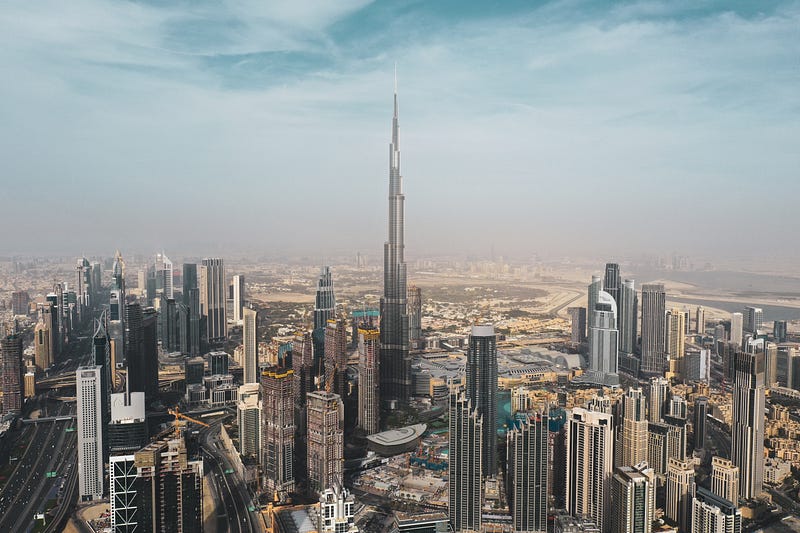
Photo by Mo Ismail on Pexels


Regulatory infrastructure

Ereiqat pointed to some key fundamentals that crypto entrepreneurs and start-up founders should look at when deciding on the location that will best meet their needs and help to optimize their route to market and ultimate success. This includes the regulatory infrastructure.

The UAE authorities and regulators at a national level, together with their colleagues within the regulatory agencies in the Emirates of Dubai and Abu Dhabi, have been doing some heavy lifting in this regard over recent months.

They’ve all been working on establishing a workable regulatory framework, and as part of that, a licensing process. In the case of Dubai, its Virtual Assets Regulatory Authority (VARA) has started to issue preliminary or Minimum Viable Product (MVP) license approvals that enable crypto startups to get started, while providing them with a pathway towards obtaining Full Market Product (FMP) licensing at a later stage.


Talent pool

The other key requirements that Ereiqat set out were digital infrastructure alongside an ability to attract and provide a pool of talent relative to the crypto assets space. In respect of these key considerations, Ereiqat believes that the UAE hits the target in each case.

“The UAE’s regulatory framework is more streamlined and business-friendly compared to the complex and fragmented regulatory environment in the US,” he told the crypto media firm.

To enhance these fundamentals, Ereiqat also alluded to a depth of capital that could potentially find its way into UAE-based crypto businesses, easing these start-ups’ efforts in executing on funding rounds as they look to achieve growth.

Ereiqat maintains that the interest in the region is already evident, citing a data-point that suggests there are 1,800 Web3-centric businesses already operating in the region, with more than 8,000 people working for those start-up businesses. Speaking to that reality further, he said:

“The Dubai FinTech Summit was a significant event that brought together stakeholders from the fintech industry […] The presence of crypto and Web3 leaders and projects at the event is an important indicator of the growing interest and adoption of these technologies in the region.”

This enthusiasm and belief in the existence of the right Web3 business environment in the UAE was echoed at that event by both Coinbase Founder and CEO Brian Armstrong and Ripple Founder and CEO Brad Garlinghouse. Both industry figures featured as keynote speakers at the event. Armstrong alluded to the potential of Coinbase establishing a base in Abu Dhabi while Garlinghouse announced the opening of a Ripple office in Dubai.


More to Read
View All
Markets·

Jan 16, 2024

Hong Kong’s HKVAC drops XRP from top 5 crypto index

The Hong Kong Virtual Asset Consortium (HKVAC), a digital asset group in China's special administrative region, has announced modifications to its core cryptocurrency index, reshuffling the top contenders to the detriment of XRP, the payment solution token developed by Ripple Labs.Photo by Kanchanara on UnsplashSolana takes top 5 slotEffective as of this Friday, HKVAC will replace XRP with Solana (SOL) in its Top 5 Large Cryptocurrency Index, signaling a shift in the composition of its benchmark index. HKVAC is a collaborative effort between Hong Kong-based industry participants such as crypto exchanges and licensed ratings agencies. Its aim is to optimize the risk management capabilities of the crypto sector and in that way, assisting market participants including local regulatory bodies. Crypto exchange platform HTX, previously known as Huobi, became the first member of HKVAC in 2023. It was joined by iPollo, KuCoin, LK Venture, Nano Labs, Purise, Wealthking Investment, G-Rocket Global Accelerator, Hong Kong Data Infinity Technology and others in making up the organization’s membership. The HKVAC's Top 5 index reflects the global cryptocurrency ranking based on market capitalization, maintaining a pulse on the ever-evolving crypto landscape. However, beyond market cap, the digital asset group considers additional factors such as market valuation, investability and liquidity in its index rebalancing decisions. Solana’s growth and progressionSolana, currently ranked as the fifth-largest cryptocurrency, has been making substantial strides in the market. Despite the 2022 collapse of the FTX crypto exchange, which significantly impacted SOL's price, the cryptocurrency has made an impressive recovery. Over the past year Solana has surged by 315%. Presently, SOL boasts a market cap of $41 billion, securing its position in the top echelons of the cryptocurrency market. In contrast, XRP, the ousted cryptocurrency, has experienced a more modest price growth during the same period. As of the latest data, XRP holds the sixth position in the cryptocurrency ranking, with a valuation of $31 billion. The decision to remove XRP from the Top 5 index was met with a 3.9% decline in its value, settling at $0.57. XRP had moved within the Top 5 index in October of last year. It was added to the index alongside SHIB in 2023. At the time of its formation, HKVAC emphasized that market capitalization was one of the primary criteria incorporated within the evaluation, which extends to 30 cryptocurrencies. A re-evaluation is carried out each quarter on the basis of that market cap criterion. Crypto rating reshuffleThe HKVAC's reshuffling extends beyond the Top 5 index, impacting other leading cryptocurrencies. Notable changes include the removal of Filecoin (FIL), Binance USD (BUSD), Maker (MKR), Hedera (HBAR) and TrueUSD (TUSD) from the Global Large Cryptocurrency Index. These have been replaced by Near Protocol (NEAR), Internet Computer (ICP), Immutable (IMX), Optimism (OP) and Injective (INJ). Additionally, Avalanche (AVAX) is set to replace Tron (TRX) on the HKVAC Top 10 Global Large Cryptocurrency Index, effective this Friday. These adjustments come amid Hong Kong's ongoing efforts to bolster the cryptocurrency industry within the region. In December, the financial regulator in Hong Kong signaled its readiness to accept spot crypto exchange-traded funds (ETFs). This move aligns with the United States Securities and Exchange Commission's review of 11 spot bitcoin ETF applications, ultimately approved on Jan. 10.   

news
Policy & Regulation·

Dec 08, 2023

Regulatory crackdown as Hong Kong authorities act against crypto entities

Regulatory crackdown as Hong Kong authorities act against crypto entitiesIn a recent move, the Securities and Futures Commission (SFC) of Hong Kong has issued a public warning against suspected virtual asset-related frauds involving HongKongDAO and BitCuped, marking a significant crackdown on deceptive practices in the crypto space.The action taken by the SFC in conjunction with the Hong Kong Police Force was outlined in a notice published on Wednesday. The notice stated:“The SFC suspects HongKongDAO may be disseminating false and misleading information about itself and its business through online channels.”In relation to BitCuped, it stated: “The SFC notes that BitCuped claims on its website that ‘Laura Cha’ and ‘Nicolas Aguzin’ serve as its Chairman and Chief Executive Officer respectively, when in fact none of them has any affiliations with BitCuped.”Photo by Teodor Kuduschiev on UnsplashHongKongDAO’s alleged misinformationOperating under the name “Hong Kong Digital Research Institute,” HongKongDAO has faced accusations of disseminating false and misleading information. The SFC expressed concerns about the claims made by HongKongDAO, including assertions of licensing by the SFC, engagement in regulated activities since July 2020, and bids for a “Hong Kong Digital Currency Exchange Licence” related to the government’s stablecoins framework.The SFC contends that these claims are unfounded and could potentially mislead the public into believing that HongKongDAO’s services are officially sanctioned and legitimate.HongKongDAO seems to manage at least two Telegram groups, one in Chinese with over 10,000 members and the other in English with over 1,700 members. Within these groups, there appears to be a promotion of the purported “market” price and future market value of the HKD token, enticing investors to make purchases.Allegations of BitCuped false affiliationsSimultaneously, BitCuped has been accused of making fraudulent claims to enhance the credibility of its operations. The company falsely asserted affiliations with prominent figures Laura Cha and Nicolas Aguzin, claiming them as its chairman and CEO, respectively. However, the SFC has refuted these affiliations. Laura Cha is the Chairman of Hong Kong Exchanges and Clearing Limited (HKEX), while Nicolas Aguzin is the Executive Director and CEO of HKEX.Taking proactive measures, the SFC has requested the Hong Kong Police Force to block access to the websites of both HongKongDAO and BitCuped. Cease and desist letters have also been issued to the operators of these websites, demanding the cessation of the sale of HKD Tokens offered by HongKongDAO.Series of crypto scamsFollowing the JPEX fraud allegations in September, Hong Kong faced another cryptocurrency exchange scandal involving Hounax in November. With at least 145 police reports filed and a sum of over HK$148 million ($19 million) involved, affected investors expressed frustration at what they deemed a slow response from regulatory bodies.These incidents have reignited discussions about the need for more robust cryptocurrency regulations in Hong Kong. The city’s aspiration to become a global hub for crypto innovation and adoption faces challenges due to a lack of clear and consistent regulation, leaving investors vulnerable to fraud and manipulation.In light of these developments, the SFC emphasized the importance of public caution regarding investment opportunities that seem too good to be true. The regulator urged vigilance against social media and instant messaging platforms where individuals, not investment professionals, might lure unsuspecting investors.

news
Policy & Regulation·

Jun 14, 2023

Hong Kong Legislator Courting US Crypto Exchange Coinbase

Hong Kong Legislator Courting US Crypto Exchange CoinbaseRecently, Johnny Ng, a member of the Hong Kong Legislative Council, expressed his interest in the future development of Coinbase, a major US cryptocurrency exchange, in Hong Kong. In a tweet today, Ng said that he had been in contact with Coinbase and that he would keep the public updated on further progress.Photo by Ruslan Bardash on UnsplashNg’s invitation to crypto exchangesThis tweet follows Ng’s earlier invitation to Coinbase and other global crypto trading platforms to apply for licenses in Hong Kong. His comments are in line with Hong Kong’s efforts to become a hub for cryptocurrency and blockchain-related activities. As of June 1, a new licensing regime for centralized virtual asset trading platforms (VATPs) went into effect in the Chinese special administrative region.Differing opinionsDespite the enthusiasm shown by Ng, there are differing opinions on Hong Kong’s current suitability as a crypto-friendly jurisdiction. Leo Weese, the co-founder and President of the Bitcoin Association of Hong Kong, expressed reservations in an interview with crypto media outlet CoinDesk.Weese described Hong Kong’s current setup as “highly unattractive” for crypto businesses. He cited factors such as a relatively small and untested market, limited banking partnerships, and restrictive product offerings.Despite these challenges, Weese acknowledged some potential advantages, stating that Hong Kong’s classification of tokens as non-securities allows for the trading of securities that are deemed unregistered in other jurisdictions. It is important to note, however, that Weese cautioned against assuming that moving operations to Hong Kong would protect Coinbase from US regulatory measures.Moody’s altered outlook on CoinbaseMeanwhile, Moody’s, the American credit rating agency, recently revised Coinbase’s outlook from stable to negative, citing uncertainties surrounding the impact of the US Securities and Exchange Commission’s (SEC) charges on Coinbase’s operation as an unregistered securities broker.

news
Loading