Web3 & Enterprise·Jun 29, 2023
The Sandbox Adds Singapore Virtual Neighborhood Lion City
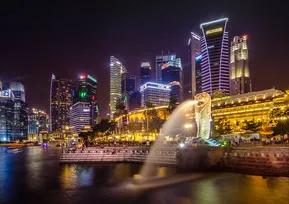
The Sandbox Adds Singapore Virtual Neighborhood Lion CityMetaverse platform The Sandbox has announced the launch of Lion City, Singapore’s virtual neighborhood, during its inaugural Singapore Partner Day event.In a blog post published on Tuesday, The Sandbox project team outlined that Lion City is set to debut in September 2023 and will feature 512 plots of virtual land. With over 40 partners and 10+ studios, Lion City aims to showcase global and regional brands, along with established Web3 natives, representing Singapore’s culture in sports, fashion, entertainment, and technology within The Sandbox metaverse.Photo by Kin Pastor on PexelsRegional brand partnershipsThe Sandbox has attracted a range of local partners for Lion City, including MM2 Asia, ONE Championship, Mighty Jaxx Group, Spa Esprit Group, METAVI, Technology Development Centre (TDC) of ITE College Central, UKISS, Bandwagon, Renovi, Affyn, 8sian, The Engineers, Metaskull by Jacky Tsai x Froyo Games, Fabric of Reality, CreativesAtWork, Memotics, FXMedia, Kappou, The Parlour, Manifest, Vaniday, PengWine, LOFI, and Zodium. These partners represent various industries and will contribute to the diverse offerings and experiences within Lion City.Studio partnersMoreover, studio partners catering to the Singapore market will be an integral part of the Lion City experience. These studios include Smobler Studios, CGame Studio, Oceanus Media Global, and iCandy Interactive subsidiaries Lemonsky Studios and Hashcode Studio, New Moon Studios, Pangu by Kenal, and Clevereen. Collaborative ecosystem partners such as OKContract, Pinnacle, DIFY, and Peatix are also contributing to the development of the metaverse.Unlocking Web3 opportunitiesThe Sandbox emphasized the significance of Lion City as a gateway and launchpad for Southeast Asia. With over 400 global brands, including Singapore’s DBS Bank, already on board, Lion City has the potential to unlock new Web3 possibilities in the region. The supportive and collaborative ecosystem in Singapore will provide companies with opportunities to explore digital frontiers and test decentralized technologies.The project also announced the milestone during the Singapore Partner Day event held at the Marina Bay Sands Expo & Convention Centre. The event served as a platform for networking and sharing insights among The Sandbox’s partners.Keynotes were delivered by Sébastien Borget, the Co-Founder and COO of The Sandbox, and George Wong, the project’s Head of Singapore. They discussed the vast opportunities within the metaverse, and panel discussions with ecosystem partners took place, covering topics like intellectual properties (IPs) and the metaverse’s future, as well as the development of the open NFT metaverse.During the event, Borget highlighted Singapore’s regulatory environment, as being conducive to emerging technologies. He also emphasized Singapore’s position as an innovation hub for Web3 advancements.The metaverse faces new challenges in 2023, with the crypto market gravitating towards a more institutional-friendly approach, and questions surrounding its relevance. Recently, Borget had a clash with the SEC in the United States, disagreeing with the regulator’s classification of the project’s native $SAND token as a security.No doubt that experience has helped to underscore his appreciation for Singapore’s regulatory setup. Nevertheless, Wong described 2023 as an important and pivotal year for metaverse growth.