Policy & Regulation·Dec 26, 2023
Key appointment sees Turkey’s central bank enhance crypto expertise
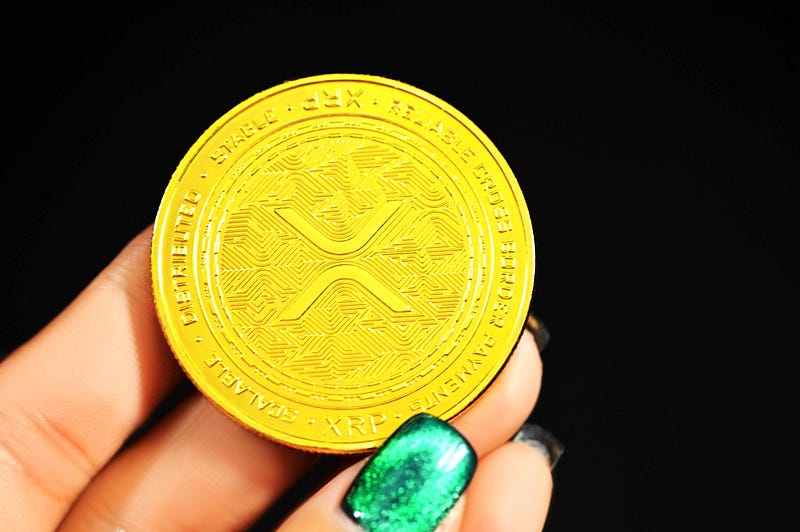
Key appointment sees Turkey’s central bank enhance crypto expertiseTurkey’s President, Recep Tayyip Erdogan, has taken a step in integrating blockchain and cryptocurrency expertise into the nation’s monetary policy by appointing Professor Fatma Ozkul to the central bank’s rate-setting committee.Photo by Engin Yapici on UnsplashIncorporating digital financial knowledgeThis decision, which became effective on Saturday, marks a significant move towards incorporating digital financial knowledge within the economic framework of Turkey.As part of Turkey’s economic strategy, President Erdogan has been restructuring the economic management team since his victory in the May general election. This reshuffling included the appointment of ex-Goldman Sachs banker Hafize Gaye Erkan as the central bank’s governor in June.That appointment led to a series of policy rate increases, totaling 3,400 basis points, bringing the rate to 42.5%. Further changes in the Monetary Policy Committee (MPC) occurred in July, reinforcing the trajectory of monetary tightening.Crypto credentialsProfessor Fatma Ozkul, a lecturer at Istanbul’s Marmara University, joins the MPC with a primary focus on accounting, finance and auditing. Notably, she brings expertise in blockchain technology and crypto assets, having conducted courses on these subjects. Her recent work has delved into the implications of blockchain and crypto assets on finance, culminating in the publication of a book on crypto asset accounting in 2022.While Ozkul’s appointment may not immediately alter the current monetary policy direction, it reflects an understanding of the need to incorporate digital financial tools when formulating economic and monetary policy. Her extensive knowledge in digital finance is expected to contribute significantly to the process of setting benchmark interest rates, a critical instrument in controlling inflation within Turkey.President Erdogan’s emphasis on digital banking aligns with Turkey’s proactive steps in this direction. The central bank introduced a digital Turkish lira collaboration platform in 2021 and successfully tested digital lira transactions in late 2022. Additionally, the government is anticipated to submit a draft law regulating crypto assets in the coming year.Crypto adoptionThe political and economic climate in Turkey has shown a growing interest in cryptocurrencies, particularly Bitcoin. Chainalysis, a blockchain analytics company, reports that Turkey recorded nearly $170 billion worth of cryptocurrency transactions between July 2022 and June 2023, ranking fourth globally in terms of raw transaction volumes.A report by KuCoin earlier this year identified a noteworthy increase in the overall number of crypto investors in Turkey over the course of the past 18 months. That growth in adoption was found to be youth-driven. The importance of the Turkish market within the crypto sector is further evidenced by the recent revelation that the Turkish Lira is the most dominant fiat trading pair on leading global crypto exchange Binance.In response to this surge, the Turkish government has been working on cryptocurrency regulations, focusing on licensing and taxes. This regulatory move aims to remove Turkey’s name from the Financial Action Task Force’s “gray list” and align the country with global financial norms.As Professor Ozkul assumes her role, her expertise and input may well play a pivotal part in shaping Turkey’s evolving position and approach where digital assets, blockchain and cryptocurrencies are concerned.