Top

Korea’s financial regulator establishes dedicated units for crypto oversight

Policy & Regulation·November 29, 2023, 8:13 AM

The Financial Supervisory Service (FSS) of South Korea revealed in a Wednesday (local time) press release that it is introducing new units specifically focused on virtual asset matters. This move is in anticipation of the upcoming implementation of the Virtual Asset User Protection Act scheduled for next July. The establishment of these dedicated organizations is a strategic step towards bolstering the integrity of the crypto market, with the goal of enhancing consumer protection.

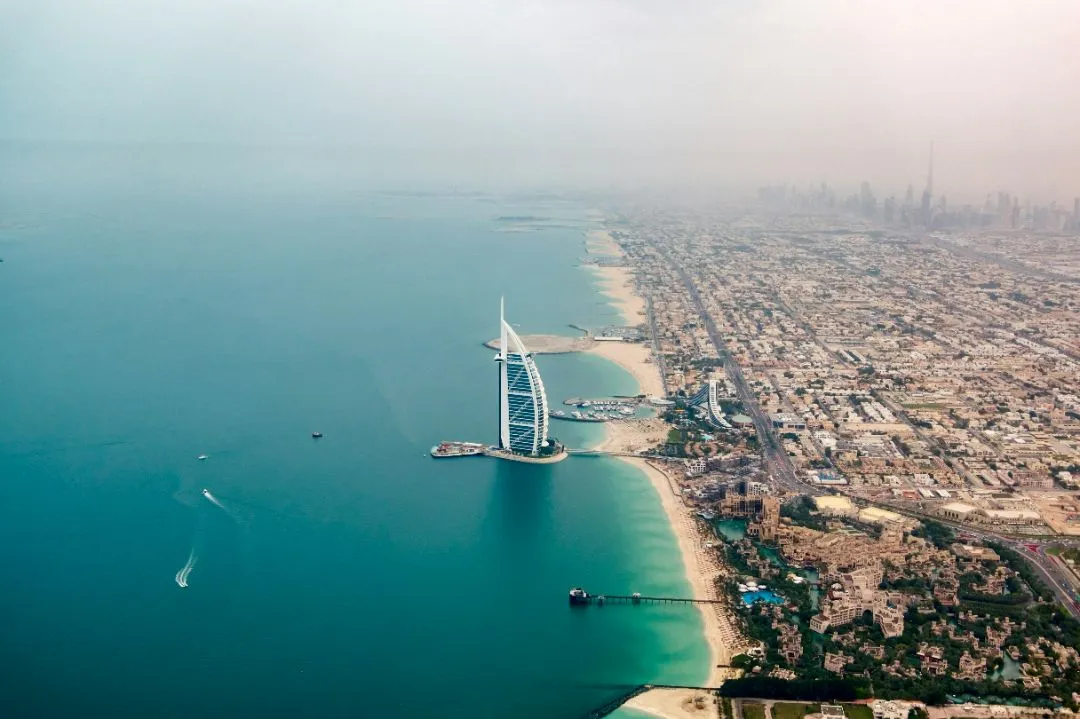
Photo by Ethan Brooke on Unsplash


Supervision and investigation bureaus

The newly established units will be known as the Virtual Asset Supervision Bureau and the Virtual Asset Investigation Bureau. These units are being created in response to the burgeoning crypto market.

The Supervision Bureau will be responsible for extensive oversight of cryptocurrencies. Its roles will include supervising and inspecting virtual asset service providers (VASPs), monitoring market activities and enhancing policy and regulations in the sector. Additionally, the bureau is tasked with ensuring the effective implementation of these regulations and contributing to the promotion of market stability.

The Investigation Bureau, the other key component of the new structure, will concentrate on identifying and addressing market abuse activities in the cryptocurrency sector, specifically targeting unfair trading practices.

Until now, the Financial Intelligence Unit (FIU) of the Financial Services Commission (FSC) has played a leading role in overseeing the crypto sector, primarily due to its responsibility in evaluating applications from VASPs.


FSS’s greater role in crypto oversight

The FSS, on the other hand, has maintained a digital asset research team, which has been responsible for supporting virtual asset legislation, along with conducting market analysis and monitoring. However, the latest move is set to the FSS’s role in regulation and oversight within the crypto market.

The Supervision Bureau will be under the leadership of Lee Hyun-duk, who currently serves as Head of Financial Investment Examination Department 2. Meanwhile, Moon Jung-ho, the present leader of Audit Oversight Department 1, will take charge of the Inspection Bureau. The process of appointing team members to these bureaus is scheduled to take place in early January.
More to Read
View All
Policy & Regulation·

Jun 19, 2023

Korea’s Busan City to Develop Blockchain-Based Carbon Neutrality Platform

Korea’s Busan City to Develop Blockchain-Based Carbon Neutrality PlatformBusan Metropolitan City, known for being home to South Korea’s largest port, announced today that its consortium won the bid for the 2023 new local energy facilitation project offered by the Korea Energy Agency, an organization under the Ministry of Trade, Industry, and Energy (MOTIE). The consortium consists of five entities, including Busan City, tech solution provider Nuri Flex, and gas distributor Busan City Gas. As the winning bidder, Busan City and its collaborators will proceed with the development of a blockchain-based platform that promotes carbon neutrality.Photo by BERK OZDEMIR on PexelsCarbon neutralityThe primary aim of this project is to create a system that leverages surplus renewable energy to achieve carbon neutrality in the city’s port and industrial infrastructure. The initiative includes providing eco-friendly renewable energy to port and industrial facilities, establishing a blockchain-based carbon credit system to support businesses in joining the global corporate renewable energy initiative RE100, and facilitating the trading of surplus electricity. These measures are intended to save energy, enhance power system stability, and create greater value.Boosting green energy proportionThe project is set to take place from June 2023 to December 2024, with an estimated cost of 3 billion KRW ($2.3 million). The national and local governments will each finance 25% of the project, while the private sector will cover the remaining 50%. Upon completion of the project, Busan aims to increase the proportion of renewable energy within the city. Leveraging surplus energy and engaging in carbon credit trading, Busan expects to gain a competitive edge in the carbon-neutral sector.

news
Policy & Regulation·

Sep 05, 2023

Singapore Elects Crypto Skeptic as President

Singapore Elects Crypto Skeptic as PresidentGarnering 70.4% of all votes cast on Saturday, Singaporeans chose to elect Tharman Shanmugaratnam as their next president, a move that may have implications for Singapore’s outlook when it comes to digital assets.While many had hoped that he would be the nation’s first non-Chinese prime minister, the crypto industry has greeted his rise to this largely ceremonial role with mixed feelings. Shanmugaratnam’s previous stances on cryptocurrency and digital assets have been predominantly critical.Photo by Justin Lim on UnsplashFormer MAS ChairmanIn the past, the president-elect has referred to cryptocurrency as “slightly crazy” and “purely speculative.” His ascent to the presidency comes after a distinguished career that includes serving as the former finance minister, deputy prime minister, and chairman of the Monetary Authority of Singapore (MAS), the country’s central bank, from 2011 to 2023.Crypto platform collapsesIt was during his tenure at MAS that two prominent crypto companies, Three Arrows Capital (3AC) and Terraform Labs, faced catastrophic collapses.The demise of Terraform Labs, along with its TerraUSD (UST) stablecoin, triggered a severe “crypto winter” in May 2022, from which the industry is still struggling to recover. This downfall wiped out a staggering $500 billion in value over just two weeks, devastating the portfolios of numerous retail investors.The ripple effect of TerraUSD’s fall also engulfed 3AC, a significant cryptocurrency hedge fund headquartered in Singapore. The contagion spread across the cryptocurrency market, leading to the downfall of other major entities like crypto lending platforms Celsius Network and Voyager Digital, alongside Singapore-based Hodlnaut.Given that these catastrophic events unfolded during Shanmugaratnam’s tenure at MAS, it’s plausible that he bore the brunt of the consequences. That might explain why in speaking on the subject in 2021, he appeared to be more accommodative, suggesting that there may be a useful role that crypto could play and highlighting that Singapore had allowed crypto businesses to develop within the city-state.In June of last year, MAS reprimanded 3AC for providing misleading information and exceeding the allowed assets under management (AUM) threshold, thereby breaching its status as a registered fund management company.In January, Shanmugaratnam said that regulating the crypto sector would give credibility to speculation and on that basis, it would be best to leave it unregulated. He went on to suggest that crypto should be subject to existing regulation as laid down for traditional finance.Early stage concernsBack in 2018, when he was Singapore’s finance minister, Shanmugaratnam questioned the wisdom of broad regulation potentially legitimizing a speculative and “slightly crazy” market. During the 2018 World Economic Forum, he emphasized the importance of anti-money laundering measures and advocated for educating consumers about the risks inherent in the unregulated crypto sector.Although he acknowledged blockchain’s potential to enhance global payment systems, Shanmugaratnam favored integrating existing traditional payment mechanisms as an alternative to blockchain innovations.Singapore’s new president brings with him a history of skepticism towards cryptocurrency and digital assets. However, with a largely ceremonial role relative to day-to-day governance, he’s not in a position to take direct action that could hold the sector back although he will have the power to initiate corruption investigations upon the advice of the Singaporean cabinet.

news
Policy & Regulation·

Sep 10, 2025

Ishiba’s exit raises questions over Japan’s crypto policy direction

Japanese Prime Minister Shigeru Ishiba announced his resignation on Sept. 7, citing completed trade talks with the United States and growing dissent within the ruling Liberal Democratic Party (LDP). While the political transition follows the party’s defeat in July’s upper house elections, Ishiba’s departure also creates uncertainty for Japan’s crypto and Web3 agenda, which he had championed. Just two weeks earlier, at the WebX2025 event, Ishiba pledged stronger state backing for Web3 initiatives, noting their potential for addressing Japan’s demographic challenges and driving long-term economic transformation. He highlighted token-based community governance pilots, integration of Web3 at the Osaka Expo, and a five-year startup growth plan centered on digital industries. His exit now raises questions about whether these priorities will carry the same weight under new leadership.Photo by taro ohtani on UnsplashLeadership contest brings policy uncertaintyPotential successors signal diverging approaches. As per a BeInCrypto report, former Economic Security Minister Sanae Takaichi, who topped an August Nikkei approval survey with 23% support, is regarded as favoring tighter oversight. Agriculture Minister Shinjiro Koizumi, in second place with 8%, has shown greater receptiveness toward digital assets. According to Bloomberg, Finance Minister Katsunobu Kato is also considered a contender. Earlier, he emphasized balancing investor protection with space for innovation, noting the rapid uptake of crypto among Japanese investors. The LDP is preparing for a leadership election on Oct. 4, with 295 lawmakers each casting one vote and an equal 295 votes allocated proportionally to the party’s 1.03 million members, for a total of 590 ballots. Until then, investors and industry players are watching for signals on whether Japan’s digital asset roadmap will remain a priority. Adoption advances beyond politicsBeyond politics, adoption is accelerating across Japan’s financial system. Japan Post Bank plans to tokenize deposits on a permissioned blockchain by 2026 using the DCJPY token developed by DeCurret DCP, a Mitsubishi UFJ–backed venture. With $1.29 trillion in deposits across 120 million accounts, the move could streamline settlement of tokenized securities. Corporate strategies are also shifting. Last month Tokyo-based game developer Gumi said it would acquire 2.5 billion yen ($17 million) worth of XRP between September 2025 and February 2026, following its earlier 1 billion yen ($6.8 million) Bitcoin purchase this year. The company described XRP as central to its expansion into international remittance and liquidity networks led by its largest shareholder, SBI Holdings. Japan’s crypto footprint abroad is growing as well. Coincheck, a leading exchange in Japan, is entering Europe through the acquisition of Aplo, a French-licensed digital asset brokerage. The deal follows Coincheck’s Nasdaq listing last year via its Netherlands-based holding company. 

news
Loading