Arthur Hayes: Chinese monetary policy could ignite crypto market
Arthur Hayes, Co-Founder of Seychelles-incorporated crypto exchange and derivatives platform BitMEX, suggests that China could inject a substantial amount of credit into its economy, potentially giving a boost to Bitcoin and the broader crypto market.
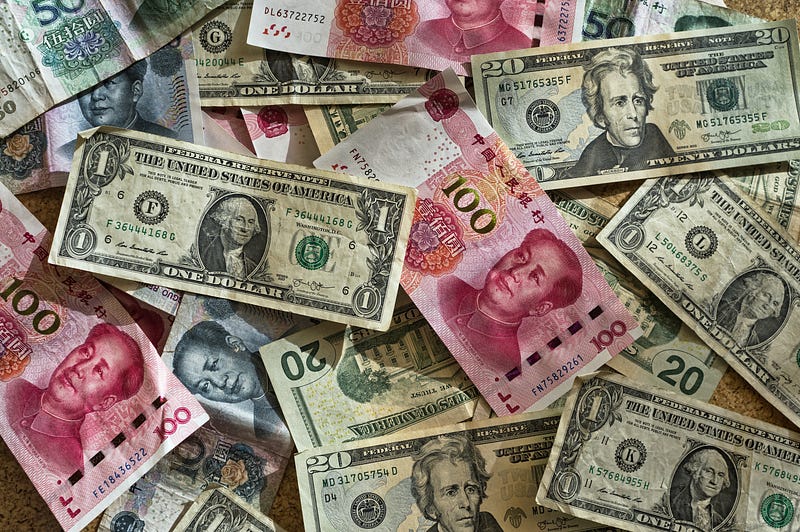
Potential flood of yuan credit
The firebrand crypto OG outlined his thoughts on the matter in a blog post which was published on Monday. Hayes discussed how, although China has currently made credit expensive in order to hold back credit growth and inspire confidence in the economy, its monetary authorities might be gearing up to flood the economy with yuan credit, creating a favorable environment for cryptocurrencies.
He outlined a series of factors contributing to this potential surge in Chinese credit. He pointed to the interplay between U.S. monetary policy and the Chinese yuan, emphasizing how recent U.S. actions are laying the groundwork for China to issue substantial credit, particularly to its struggling property sector.
Describing U.S. policy as “weakening the dollar by issuing more Treasury bills,” Hayes noted the consequent decline of the dollar index (DXY) throughout November. He argued that the weaker dollar gives China the flexibility to increase yuan credit without significant depreciation, possibly even leading to yuan appreciation.
If the Federal Reserve at a minimum holds rates and better still, starts to cut rates, China will be in a position to pursue the stimulus needed for its property market and for infrastructure spending.
Hong Kong as the gateway to capital markets
According to Hayes, the global monetary dynamics set in motion by these factors could be advantageous for Bitcoin and the broader cryptocurrency market. He explained that the bulk of the financing will trickle down into speculation within the financial markets. If China starts printing yuan, the capital is likely to flow into global markets, supporting the prices of various risk assets.
But how can this happen, given that speculation and crypto trading are prohibited in China? Hayes’ view is that Hong Kong is now China’s gateway to the global capital markets. Wealthy Chinese individuals now bank via Hong Kong. As we have seen, the autonomous Chinese territory has a workable regulatory framework in place and is now actively licensing crypto exchanges and brokers. Consequently Bitcoin and crypto, generally, could be among the risk assets benefiting from an influx of capital.
Furthermore, the BitMex co-founder believes that as yuan credit becomes abundant, the global demand for dollar credit and liquidity may decrease. Given that the dollar is a primary funding currency, a fall in the price of credit could lead to a rise in fixed-supply assets like Bitcoin and gold in dollar terms.
Hayes concluded what is a long and detailed blog post by stating:
“I will continue moving money out of T-bills and into crypto because I want to get in now before it becomes apparent through the data that China’s money printer is going brrrrr.”
He suggested that Chinese New Year, which occurs in mid-February of next year, could be the time in which that extra credit materializes in China. Hayes’ latest assertion comes on the back of a bold claim he made last month when he suggested that bitcoin could reach a unit price of $1 million by 2026.