Top

Hong Kong's VSFG eyes spot ether ETF application in Q2

Policy & Regulation·February 03, 2024, 6:20 AM

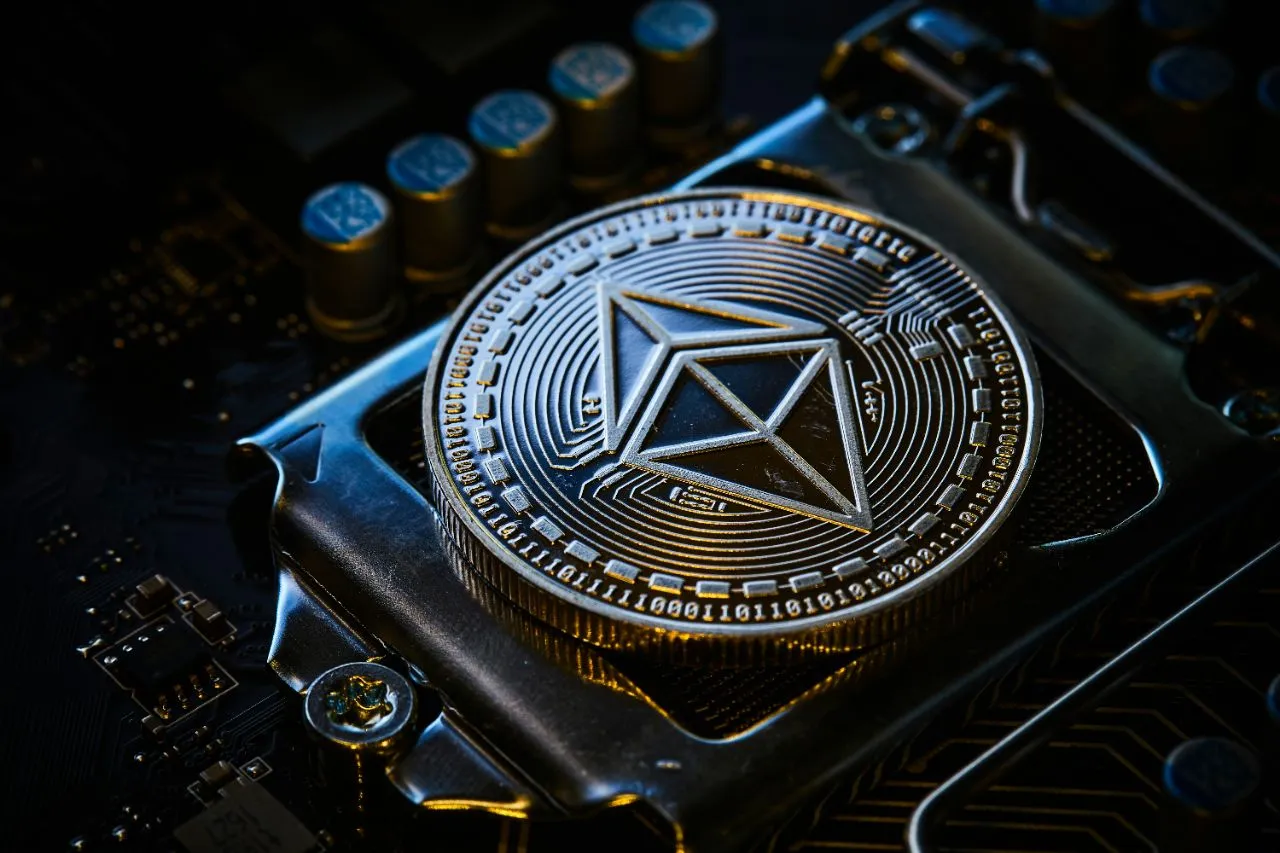
Venture Smart Financial Holdings Ltd. (VSFG), a Hong Kong-based financial services firm, is strategically positioning itself to enter the growing cryptocurrency exchange-traded fund (ETF) market, with its latest reveal being an interest in launching a spot ETH ETF in Q2.
https://asset.coinness.com/en/news/0ffd6126aa68f9f5020dd62ece629fce.webp
Photo by Michael Förtsch on Unsplash

In a recent interview with The Block, VSFG Chairman Lawrence Chu revealed the company's plans to apply for a spot ether ETF in Hong Kong. Executing on that plan is contingent upon the successful launch and approval of its spot bitcoin ETF.


Q1 launch for bitcoin ETF

Last month, the firm disclosed that it is gearing up for a spot bitcoin ETF launch within the first quarter of this year. VSFG was the first to reveal such an intention within the ETF space in Hong Kong. However, competition is already starting to bubble, as subsequently, Chinese asset manager Harvest Fund announced that it has gone one better and actually filed an application for a spot bitcoin ETF product in the Chinese autonomous territory.


Chu shared insights into the firm's current status, mentioning that VSFG is in the final phase of preparing its application for a spot bitcoin ETF to be submitted to the Hong Kong Securities and Futures Commission. He emphasized the rigorous regulatory discussions that precede such submissions in Hong Kong, characterizing the imminent application as being in the advanced stages, stating, “Submission [for application] is almost like when you're 95% there.”


Chu acknowledged the importance of ongoing conversations with regulators, expressing readiness by stating, “but that really depends on the conversation we have with the regulator. We will be ready.”


Competitive spotlight on ETF fees

Highlighting the evolving landscape in Hong Kong, Chu noted that nearly 10 fund companies are exploring the launch of potential spot crypto ETFs in the city. That call echoes similar comments made recently by Livio Weng, CEO of digital assets firm HashKey.


The prospect of a potential fee war among asset managers was also discussed, drawing parallels with developments observed in the U.S. bitcoin ETF market. That seems likely, given that downward pressure on spot bitcoin ETF fees in the United States has also spread to Europe where Invesco and WisdomTree have cut fees by 60% on similar products.


Global ether ETPs

While commentators such as Standard Chartered Bank speculate on the likely approval of spot ether ETF products in the U.S. by May and VSFG indicates a potential Q2 launch in Hong Kong, there are already a number of similar products out in the wild around the world.


According to data compiled by crypto data aggregator platform CoinGecko, the top 10 ether funds account for $5.5 billion in value. Among them is the XBT Provider ether exchange-traded product (ETP), the world’s first Ethereum-based security made available on a regulated exchange, namely Nasdaq Stockholm in Sweden, by crypto ETP specialist CoinShares.


While the race is on in Hong Kong to launch crypto ETFs, on an international basis, competition is heating up as various global fintech hubs look to kindle what is likely to make up a significant part of the ETF sector pie in the years to come.

More to Read
View All
Web3 & Enterprise·

Apr 12, 2023

South Korea’s GDAC Suffers $13M hack

South Korea’s GDAC Suffers $13M hackSouth Korean cryptocurrency exchange, GDAC, has suffered a significant hacking incident that has resulted in the loss of approximately 23% of its custodial digital assets.©Pexels/PixabayThe hack occurred on Sunday when some of the exchange’s hot wallets were breached, and the stolen assets were transferred to an unidentified wallet. GDAC reported the incident on Monday and disclosed that the exchange lost over $13.1 million in Bitcoin, Ether, Wemix, and USDT, with more than $10 million in Wemix.According to blockchain analytics firm Arkham Intelligence, the hacker has since swapped the USDT for ETH, sending 461 ETH to cryptocurrency tumbler, Tornado Cash. The hacker used three separate wallets to take funds from two of the exchange’s hot wallets. Arkham has labeled the wallets as follows:GDAC Hacker 1: 0x244615D99684175d31369332039b2D84ce925EC5GDAC Hacker 2: 0x62B5eb2cb925Ce2898f9327B235b3228e7Cac1C2GDAC Hacker 3: 0x87597bDB421482190e223aCa0A4DEAd75AB0a98DGDAC deposits/withdrawals suspendedGDAC has suspended its withdrawal and deposit services and reported the incident to the Korea Internet and Security Agency and the Financial Intelligence Unit. The exchange has also requested other cryptocurrency exchanges to block incoming transactions from suspicious addresses.In a notice posted on its website, GDAC CEO Seunghwan Han apologized for the suspension of deposits/withdrawals and concern relative to the hack, adding that the firm will be working towards investor protection and safe withdrawal of funds in due course. GDAC also posted the breakdown of the digital asset quantities lost in the hack, with the hacker stealing 60.80 BTC, 350.5 ETH, 10,000 WEMIX and 220,000 USDT.Crypto hacks increasingThis hacking incident comes at a time when cryptocurrency hacks have been on the rise. According to blockchain analytics firm Chainalysis, illicit actors stole $3.8 billion worth of assets last year, the largest one-year loss in crypto’s history. In addition, other crypto platforms have also suffered notable hacks and exploits in the past 15 to 18 months. Axie Infinity’s Ronin bridge, for example, suffered a $625 million hack last year, and decentralized-finance protocol Sushi was exploited for $3.3 million on Sunday.GDAC is not the only South Korean cryptocurrency exchange to suffer a significant hacking incident. In 2018, Coinrail was hacked, resulting in the loss of approximately $40 million worth of assets, and in 2021, Upbit suffered a $50 million hack.In response to these incidents, South Korea has taken steps to tighten regulations around cryptocurrency exchanges. In March 2021, the country’s Financial Services Commission issued a revised regulation that requires cryptocurrency exchanges to maintain stricter anti-money laundering measures and report suspicious transactions.The GDAC hack is a stark reminder of the risks associated with cryptocurrency investing and the importance of implementing robust security measures. Investors and cryptocurrency exchanges should take note of this incident and ensure that they have adequate security measures in place to protect against potential hacks and exploits.

news
Policy & Regulation·

Dec 27, 2023

Worldcoin withdraws verification service from Indian market

Worldcoin, the startup co-founded by OpenAI CEO Sam Altman, has encountered setbacks in its eye-scanning initiatives just six months after its international expansion. A recent report by TechCrunch indicates that the company’s signature orb eye-scanner is no longer available to users in the Indian market. According to that report, the Worldcoin Foundation clarified that its activities have also been suspended in France and Brazil. The company clarified that its offerings in those markets were only intended to be limited-time product previews as opposed to long-term roll-outs.Photo by Big G Media on UnsplashTemporary service haltIn India, the World App is experiencing widespread adoption, but the orb-verified proof of personhood services has been temporarily halted. The pause aims to allow the protocol to develop and implement a bespoke, safe and orderly process to meet the growing demand. The setback comes after Tools for Humanity, the organization behind Worldcoin, announced the expansion of World ID, its digital identity program linked to iris scans, in July. The startup had ambitious plans, intending to make 1,500 orbs available in over 35 cities globally. Recently, the company unveiled a program offering $5 million in grants to developers utilizing its eye-scanning technology. Regulatory investigationsSam Altman and his co-founders established Worldcoin in 2020 to help individuals prove their digital identity amidst the rise of AI. Over the years, Worldcoin has secured $250 million in funding from notable venture capitalists, including Andreessen Horowitz. However, the startup has faced regulatory challenges, including investigations by French and German regulators and an Argentinian government agency. Altman, himself, has navigated recent challenges. In November, the OpenAI board temporarily removed him as CEO, reinstating him two weeks later. More recently, Fortune reported that Altman quietly received $75 million from the University of Michigan for a new venture capital fund, raising questions about transparency, particularly following the launch of OpenAI’s signature product, ChatGPT. Asian tourIn recent weeks, the project development team behind Worldcoin had engaged in a tour of Asia. The objective of that mission was to gather market feedback prior to engaging in greater efforts to expand the reach of its World ID verification system within the region. To gauge market receptiveness to its product offering, the tour included meetups in major Asian cities such as Hong Kong, Seoul, Singapore and Tokyo. Up until mid-November, the Asian region accounted for 1.4 million World App sign-ups.The introduction of World ID 2.0 by the company on Dec. 13 led to a surge in the price of WLD. Over the course of the 48 hours that followed, it jumped from $2.47 to $4.23, a 71% increase. At the time of writing, the token unit price stood at $3.66. As Worldcoin navigates these challenges, the cryptocurrency industry will closely monitor developments, recognizing the broader implications for the startup’s innovative approach to digital identity verification.

news
Policy & Regulation·

Apr 11, 2023

Dubai Increases Monitoring of Crypto License Holders

Dubai Increases Monitoring of Crypto License HoldersDubai is scrutinizing crypto license holders and license seekers more closely as a direct consequence of the collapse of Bahamas-based cryptocurrency exchange FTX, last year.On Wednesday Bloomberg cited people familiar with the matter who told it that Dubai’s Virtual Assets Regulatory Authority (VARA) has recently requested more information on the ownership structure, governance, and auditing procedures of applicants like global crypto exchange, Binance.©Pexels/Aleksandar PasaricCloser scrutinyAll international companies seeking permits are being asked for similar information. This stricter approach is a potential problem for Binance CEO Changpeng Zhao (CZ), who lives in Dubai and has made it a central point of expansion in the Middle East. The Emirate is attempting to balance fostering innovation with proper oversight of an industry that has been the subject of high-profile scandals in the past year.According to Sam Blatteis, CEO of The MENA Catalysts, which provides government-relations advice to fintech multinationals expanding in the Persian Gulf, “VARA wants to turn Dubai into a capital for the digital-assets economy while safeguarding its business ties with Western jurisdictions like Europe that are adopting more muscular crypto regulations.”CFTC lawsuitIn March, the US Commodity Futures Trading Commission sued Binance and CZ for allegedly violating derivatives regulations, claiming the firm had inadequate compliance procedures. Binance expressed disappointment with the lawsuit.The company claimed at the time that it had provided all necessary information to VARA regarding its ownership structure and external auditor, as well as answering any other queries on a proactive basis. VARA officials are also seeking information on the ownership, auditing, and board procedures at the global group level of Binance.Steering clear of FATFDue to its size and complexity, addressing these queries is taking longer. Binance’s complicated corporate structure includes several holding companies, three of which are named in the CFTC lawsuit, and multiple local entities. In February, a senior executive said Binance was attempting to hire an auditor for its entire balance sheet.Dubai is trying to get off the “gray list” of global money laundering and terrorist financing watchdog the Financial Action Task Force (FATF). To that end, it has cracked down on unlicensed over-the-counter (OTC) crypto exchanges, according to anonymous sources. Dubai belongs within the United Arab Emirates (UAE), with the foreign ministry of the UAE declining to provide any comment on the matter to Bloomberg. Komainu, Hex Trust, GC Exchange and Crypto.com are the four companies, in addition to Binance, that are licensed in the UAE, with the former three having only Preparatory Minimum Viable Product (PMVP) permits.Hex Trust said that providing additional information on ownership, auditing and board procedures didn’t prolong the application process for its Operational MVP license. Laurent Girouille, the head of Komainu’s regional office in Dubai, said the regulatory requirements were stringent. Meanwhile, Binance is awaiting the launch of Binance FZE, which is audited by Mazars and has a board of directors, while it upgrades to an Operational MVP license before applying for a Full Market Product permit.

news
Loading