Top

Busan City embarks on forging blockchain-specialized cluster

Policy & Regulation·March 14, 2024, 6:30 AM

The South Korean port city of Busan yesterday convened a meeting to reaffirm the city’s commitment to establishing a blockchain-specialized cluster in the region. 


The meeting took place at the Busan Technology Innovation Center located in Busan International Financial Center (BIFC), attended by Busan Vice Mayor for Economic Affairs Kim Kwang-hee, the Korea Internet & Security Agency Director Lee Sang-joong, Busan Technopark Chairman Kim Hyung-gyun and representatives of companies stationed at the BIFC. 

https://asset.coinness.com/en/news/9ec37ffdb249973bb1ac24a29e26f6a5.webp
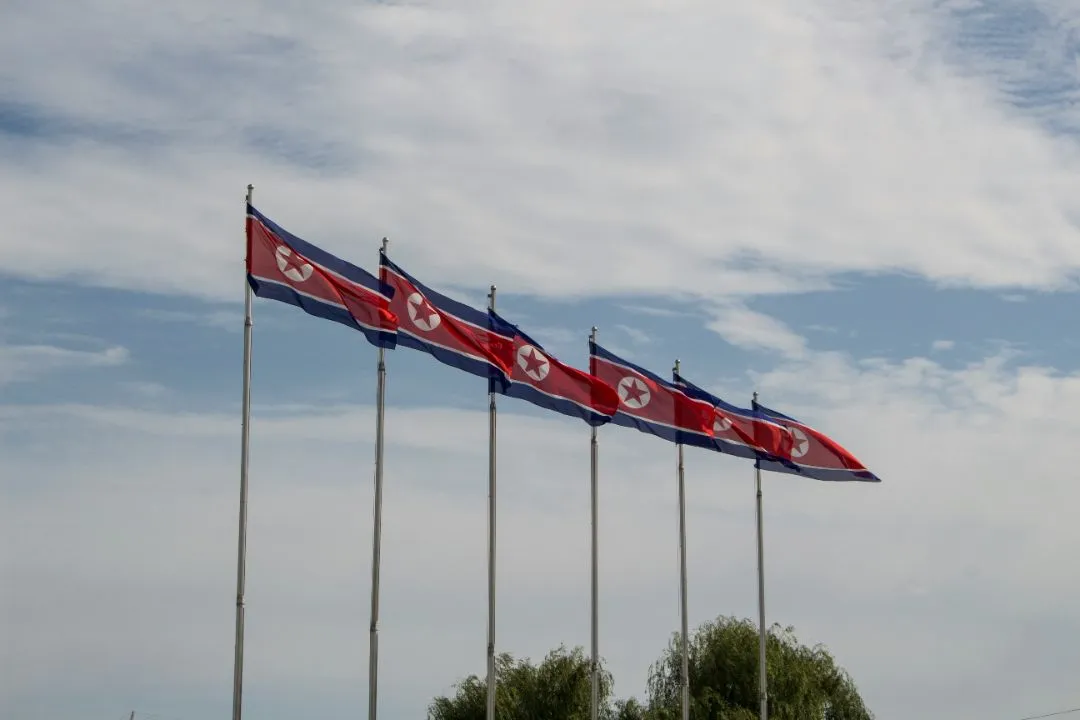
Photo by Dane Kim on Unsplash

$15 million investment by 2026

In a bid to foster blockchain technology companies in the region, the local government has outlined plans to invest a total of KRW 20 billion, or over $15 million, in the blockchain cluster project for the next three years until 2026. The Busan government and the central government are each responsible for providing half of the project’s investment fund. Starting off, KRW 6.2 billion will be allocated this year.


Among the project’s main objectives are identifying local startups with high potential for blockchain technology integration, facilitating their connections with VCs for fundraising and promoting the project’s achievements. Participating companies are set to share their annual performances this upcoming December. 


Most importantly, the city aims to attract blockchain companies to the region, lay business foundations for them and transform the city into a blockchain industry hub. 


Ambition to become a global blockchain hub 

Vice Mayor Kim said the city will keep supporting local blockchain startups so that these entrepreneurs can settle down in Busan, with the aim of turning the city into a global blockchain hub.


More to Read
View All
Web3 & Enterprise·

Oct 11, 2023

State-Owned Newspaper to Launch NFT Platform in China

State-Owned Newspaper to Launch NFT Platform in ChinaChinese government-owned media outlet China Daily, under the guidance of the Publicity Department of the Chinese Communist Party, has allocated a substantial budget of 2.813 million yuan (equivalent to $390,000) for the development of an NFT platform.Photo by Hanson Lu on UnsplashInviting bids from home and abroadThe move will open the door to both domestic and international blockchain technology firms, inviting them to spearhead the creation of the platform. According to a public tendering announcement published last month, the chosen firm must operate on a blockchain mainnet capable of handling over 10,000 transactions per second, ensuring top-notch performance and reliability.One of the platform’s key features will be its user-friendly interface, allowing users to effortlessly upload, display, and manage their digital collections. It will support a wide range of multimedia formats and diverse collection types, making it a versatile hub for creative expression. Additionally, the platform will offer advanced functionalities like pricing, bidding, limited-time offers, and multi-currency settlement to ensure a comprehensive and satisfying user experience.Extending the reach of Chinese cultureThe core objective of the China Daily NFT Platform is to amplify the global influence of Chinese culture by seamlessly blending technology and culture in the metaverse. This ambitious strategy integrates cutting-edge technologies such as virtual reality (VR), augmented reality (AR), mixed reality, blockchain, non-fungible tokens (NFTs), big data, and cloud computing.In an effort to expand the global reach of their digital collections, China Daily intends to collaborate with both domestic and international mainstream NFT platforms. This ambitious plan includes partnerships with well-known foreign platforms such as OpenSea, Rarible, SuperRare, and Foundation. Despite the rigorous regulatory landscape and scrutiny that blockchain entities face in China, this approach aims to make Chinese digital collections more accessible to a global audience.The urgency and importance attached to this project are evident in the tight timeline set by China Daily. The chosen contractor must submit their application by October 17 and complete the development of the platform within three months, highlighting the publication’s commitment to this venture.NFT platform development despite crypto banHowever, it’s important to acknowledge that this initiative unfolds within the backdrop of stringent cryptocurrency regulations in China. Since 2021, although NFTs have not been banned, all forms of cryptocurrency transactions have been prohibited in the country, and blockchain entities operating within China face intense regulatory oversight.In May the Supreme People’s Procuratorate of China issued a warning relative to NFTs on the basis that they have crypto-like properties. However, the agency also acknowledged that NFTs do present a novel application of blockchain technology.Recent events, including the detention of former China Evergrande executives Xia Haijun and Pan Darong for alleged involvement in fraudulent activities, underscore the strict regulatory environment prevailing in China.Within the Chinese autonomous territory of Hong Kong, the South China Morning Post (SCMP) spun out Artifact Labs, an NFT company, following an initial decision in 2021 to launch an NFT standard called artifact.China Daily’s foray into the NFT space demonstrates that some facets of blockchain innovation are being leveraged within China, in this instance with a view towards cultural promotion and global engagement.

news
Web3 & Enterprise·

Dec 30, 2023

Japan's Monex acquires majority stake in Canadian crypto firm

Monex Group, a well-known securities broker in Japan’s financial services sector, is delving further into the digital currency space through the acquisition of a majority stake in 3iQ Digital Holdings, a Canadian crypto asset management company. Whilst the acquisition was announced via a joint press release on Thursday, the specific details of the deal were not disclosed.Photo by sebastiaan stam on UnsplashAchieving growth through cryptoYuko Seimei, the CEO of Monex Group, emphasized the long-term strategy of strengthening their asset management business. By incorporating 3iQ into their portfolio, the aim is to achieve substantial growth by catering to the evolving crypto asset management needs of institutional investors and crypto exchanges globally. Monex Group is already a key player in the Japanese crypto landscape, owning the Coincheck exchange. Coincheck is one of the largest cryptocurrency exchanges in Japan. It has regained market dominance after a cyber attack resulting in the theft of $534 million in digital assets in 2018. Monex collaborated with Japanese telecommunications firm NTT DOCOMO in October, forming Monex Securities as a holding company containing Coincheck, while selling NTT DOCOMO a 49% stake. ETF focusThe acquisition of 3iQ marks Monex’s strategic move to extend its exposure to the North American crypto industry. This adds to the conglomerate’s existing presence in the United States through the ownership and operation of TradeStation, an American brokerage firm. 3iQ, operating under a Canadian license, has come to prominence in the crypto-sphere for launching two exchange-traded funds (ETFs) in Canada. Notably, it introduced Bitcoin and Ethereum ETFs on the Toronto Stock Exchange, showcasing innovation in a region where regulatory approval is awaited by U.S.-based companies. Spot bitcoin ETFs have been hotly tipped to offer the next form of crypto adoption, potentially facilitating the in-flow of massive amounts of money currently within the domain of traditional finance. While the focus has been largely on the United States in that regard, other centers such as Hong Kong are similarly gearing up towards offering spot ETF crypto products to both institutions and retail investors. Amid that background, this acquisition by Monex didn’t go unnoticed by ETF sector professionals. Bloomberg Intelligence ETF Research Analyst James Seyffart took to social media platform X on Thursday to draw attention to the deal. Frederick Pye, the Chairman and CEO of 3iQ, expressed enthusiasm about joining forces with Monex Group. With Monex already owning Coincheck, a crypto exchange powerhouse in Japan, Pye highlighted the potential synergy. The collaboration is seen as an opportunity to enhance Coincheck’s offerings, particularly for institutional investors. Pye characterized the partnership as a groundbreaking collaboration that promises to reshape the crypto industry. Monex’s acquisition of 3iQ is aligned with its broader vision of being a key player in the global crypto asset management landscape. The move not only expands their reach into North America but also positions them to capitalize on the growing demands of institutional investors in the evolving digital currency market.

news
Policy & Regulation·

Sep 16, 2023

Remitano Struck by $2.7M Alleged Hack

Remitano Struck by $2.7M Alleged HackHacks have been an unfortunate constant in the crypto and DeFi space with that reality having been compounded by news that Seychelles-based crypto exchange Remitano is believed to have been the victim of a $2.7 million heist.Photo by Growtika on UnsplashSuspicious transactionsIt’s understood that the firm encountered highly suspicious transactions, with the $2.7 million having seemingly vanished from its wallet, all at the hands of a single account. The incident unfolded on Thursday and has left blockchain analysts speculating about a potential security breach.The Remitano hot wallet initiated transfers to an address devoid of any prior transaction history. These transfers amounted to approximately $1.4 million in Tether (USDT), $208,000 in USD Coin (USDC), and 104,000 ANKR tokens (valued at $2,000 at the time). Those transfers raised concerns about the security of the platform.Israeli blockchain analytics platform Cyvers promptly sounded the alarm, notifying the crypto community about these suspicious transactions that had drained significant sums from Remitano’s coffers. This sudden event raised concern within the crypto space and naturally among Remitano customers.Tether freezes wallet addressAmid the growing apprehension, Tether, the issuer of USD stablecoin USDT, took decisive action by freezing the address associated with the alleged attacker. This swift intervention effectively halted any further movement of $1.4 million worth of drained cryptocurrency. Tether’s proactive response could potentially have prevented additional loss, preserving customers’ assets from further depletion.Remitano had remained notably silent initially in the wake of this incident, declining to issue any formal statement regarding the breach. It has since acted, as on Friday, it published a statement relative to the issue on its website. The absence of communication from the exchange had only fueled greater speculation surrounding the incident. However, the statement outlined:”On September 14, 2023, our Security Management team discovered a data breach from a third-party source that had compromised some of our sensitive information. As a result, a small amount of funds from the exchange’s hot wallets were transferred to suspicious wallet addresses through unauthorized withdrawal transactions.”Remitano, recognized as a peer-to-peer cryptocurrency exchange and payment processor, primarily caters to users in emerging markets across several countries, including Pakistan, Ghana, Venezuela, Cambodia, Kenya, Malaysia, India, South Africa, Vietnam, and Nigeria.The firm sought to reassure its customers:”As of now, Remitano ensures that users’ assets have NOT been and will NOT be affected by this incident. We are working tirelessly to uphold our commitment to ensuring the security and protection of your crypto assets.”Remitano was established in 2015; it is operated by Babylon Solutions Limited, which is headquartered in the Seychelles.Unfortunately, this episode adds to the troubling trend of cryptocurrency exchange hacks witnessed in 2023. Authorities in the United States have attributed these attacks to the Lazarus Group, a notorious cyber-crime organization allegedly linked to the North Korean government which has wreaked havoc globally although disproportionately so within the Asian region.

news
Loading