Top

Crypto.com indefinitely delays South Korea launch following on-site inspections

Policy & Regulation·April 26, 2024, 1:44 AM

Crypto.com, one of the world's largest cryptocurrency exchanges, has indefinitely delayed its service launch in South Korea after the country's financial regulators conducted an on-site inspection on the exchange. The inspection came after the country’s Financial Intelligence Unit (FIU) under the Financial Services Commission detected data that appeared to violate anti-money laundering (AML) compliance requirements from the documents submitted by Crypto.com, according to local media Segye Ilbo. This decision came just six days ahead of its planned launch, originally scheduled for April 29. 


The exchange has secured a virtual asset service provider (VASP) license by acquiring the local trading platform called OkBit in June 2022. A VASP license allows a digital asset exchange to operate in Korea. 
https://asset.coinness.com/en/news/8b2788f17431e53d68ba1f738055cdc4.webp
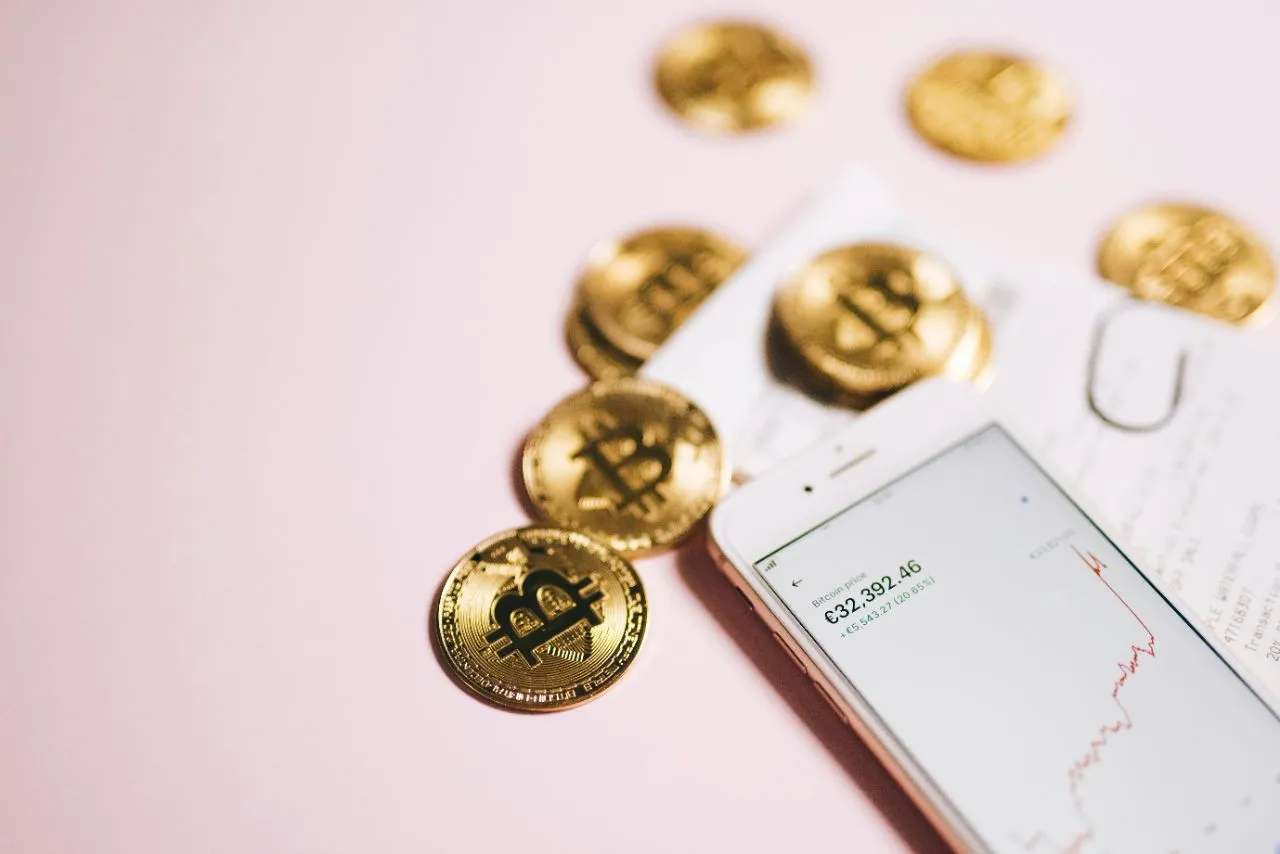
 Photo by Leeloo The First on Pexel

Mitigating ‘Kimchi Premium’ effect 

Crypto.com initially planned to launch a mobile app featuring cryptocurrency trading on April 29, targeting South Korean retail investors. The platform aimed to differentiate itself from other local competitors by offering crypto assets at reasonable prices, mitigating the so-called Kimchi Premium effect, as announced in a press conference on April 2. The Kimchi premium refers to relatively high crypto prices in the Korean market compared to other foreign markets, which is prevalent in Korea’s major licensed crypto exchanges.


The effect often results in Korean investors buying crypto assets at higher prices than those on other global crypto exchanges such as Binance. This is likely where the concerns for AML violation come up, financial experts assume, as the platform’s strategy could facilitate arbitrage during operation. 


Crypto.com remains committed to Korea launch 

In a statement sent to CoinDesk, a spokesperson of Crypto.com said, “Crypto.com maintains the highest Anti-money Laundering standards in the industry. We will postpone our launch and take this opportunity to make sure Korean regulators understand our thorough policies, procedures, systems and controls, which have been reviewed and approved by major jurisdictions around the world.” 


The person also mentioned that South Korea is a difficult market for global crypto exchanges to enter, but still emphasized the company’s commitment to cooperating with local regulators. 


“OkBit maintained approximately 900 customers at the point of acquisition by Crypto.com, and OkBit has never been cited for any AML infractions. Since the acquisition, existing OkBit customer access has been limited to withdrawals,” the spokesperson said.


 

More to Read
View All
Policy & Regulation·

Jan 10, 2024

Singapore regulator adds imToken crypto wallet to Investor Alert List

Singapore's Monetary Authority (MAS) has recently added the non-custodial crypto wallet, imToken, to its Investor Alert List, prompting a response from the Singapore-based company.Photo by Zhu Hongzhi on UnsplashIdentifying unregulated entitiesAccording to the official MAS website, imToken found its place on the alert list on Dec. 5. This regulatory move demonstrates that MAS is monitoring the evolving crypto landscape with a view towards safeguarding investors from potential risks. The list serves as a repository of unregulated entities that might be mistakenly perceived as licensed or regulated by MAS. The regulatory body had also flagged BKEX digital asset exchange in December. BKEX had suspended withdrawals earlier in the year, having gotten caught up in an investigation surrounding money laundering activity on the platform. More recently, the company has ceased operations. Company responseIn response to being added to MAS's alert list, imToken took to the X social media platform (formerly Twitter) to address user concerns on Tuesday. The non-custodial wallet clarified that it had not applied for a financial business license in Singapore, the primary reason for its listing. Notwithstanding that, ImToken reassured its users that their assets remain unaffected due to the platform's decentralized nature. The company outlined that it is actively engaging with MAS to clarify its business model and aims to have imToken removed from the Investor Alert List. This development highlights the ongoing dialogue between crypto platforms and regulatory bodies, emphasizing the need for clear communication and compliance within the evolving crypto regulatory landscape. As MAS continues to take decisive actions, the industry remains under scrutiny, necessitating collaboration between regulators and crypto entities for a well-balanced and secure financial ecosystem. Unintended consequencesMAS has taken a proactive approach to regulation in the crypto space. That has been evidenced in previous actions such as blacklisting Binance in 2021, leading to Binance relocating its operations to Dubai. That blacklisting turned out to provide a classic example of the law of unintended consequences. With Binance having removed itself from the local market following the blacklisting, many Singaporeans chose to use FTX instead. FTX subsequently failed in November 2022, leaving a disproportionate number of Singaporean customers out of pocket. The inclusion of imToken on the alert list is particularly noteworthy amid the growing popularity of non-custodial wallets. Statista data from 2022 indicates that 81 million users have adopted non-custodial wallets, providing them with greater control over private keys and crypto assets. However, this surge in usage has also brought about increased regulatory attention due to associated risks. Founded in 2016, imToken was initially launched in Hangzhou, China, prior to relocating its headquarters to Singapore. At various stages, the firm has been funded by companies such as IDG Capital, Qiming Venture Partners and HashKey. HashKey has also collaborated with the company by extending trading services to imToken wallet users, including direct bank transfers. In 2021 imToken partnered with U.S. blockchain infrastructure provider Infinity Stones in order to enable an in-wallet ETH2.0 staking service.

news
Policy & Regulation·

3 days ago

Korean regulator targets concentrated control at crypto exchanges in phase 2 bill

South Korea’s financial regulator is preparing a second major cryptocurrency bill that would expand investor protections, strengthen stablecoin safeguards, and potentially impose governance changes at the country’s largest exchanges, as domestic token projects warn that regulatory uncertainty is curbing growth. The Financial Services Commission (FSC) is drafting the Digital Asset Basic Act, a so-called “phase two” bill that follows an earlier virtual asset user protection regime which took effect in July 2024. According to Yonhap News, the bill is expected to address stablecoin risks by requiring issuers to hold reserve assets in instruments such as bank deposits and government bonds, and to deposit or place in trust at least 100% of outstanding issuance with banks or other designated custodians. It would also extend existing financial-sector rules to crypto firms in areas including disclosures, terms and conditions, and advertising. In addition, the proposal could impose no-fault liability on virtual asset service providers for losses stemming from hacks or system failures, in line with standards under Korea’s Electronic Financial Transactions Act, which governs traditional financial institutions and payment services.Photo by Timothy Ries on UnsplashGovernance dominance at exchangesA separate report by KBS said the draft bill includes measures to overhaul governance at South Korea’s four major crypto exchanges—Upbit, Bithumb, Coinone, and Korbit—which together serve about 11 million users. The FSC has raised concerns about concentrated control by founders and major shareholders, and is considering a governance framework similar to that applied to alternative trading systems (ATS) under Korea’s Capital Markets Act. That could include limits designed to prevent any single shareholder from holding too much control, capping controlling stakes at around 15% to 20%. Under Korea’s current Capital Markets Act, an ATS is generally barred from holding more than 15% of voting shares, including those held by related parties, with limited exceptions allowing stakes of up to 30%. If similar limits were applied to crypto exchanges, the changes could affect Dunamu, the operator of Upbit. Dunamu Chairman Song Chi-hyung holds a stake in the mid-20% range and, under the proposal as described, could face pressure to sell roughly 10% of his holdings. The proposal could have implications for the deal, as Dunamu is pursuing a merger with Naver Financial through a comprehensive stock swap. While the bill’s broad outlines are taking shape, regulators are still working to narrow differences over stablecoin rules, and the final proposal is expected to be submitted to the National Assembly next year. Key unresolved issues include eligibility requirements for stablecoin issuers, whether to establish an interagency consultative body during the licensing process, initial capital thresholds, and whether a single entity should be allowed to both issue and distribute stablecoins. The core dispute centers on who should be allowed to issue stablecoins. The Bank of Korea is said to favor limiting issuance to consortia in which banks hold at least a 51% stake, while the FSC is believed to oppose writing a mandatory bank ownership threshold into law, arguing that such a requirement could limit broader participation by technology firms. ‘Kimchi coin’ listings stall amid cautionEven as policymakers push ahead, regulatory uncertainty is curbing growth among South Korean blockchain projects. News1 reported that Upbit listed only one token from a domestic project in 2025, out of 54 tokens added for trading since the start of the year—the native token of Story, a peer-to-peer intellectual property network powered by blockchain and co-founded by Korean entrepreneur Lee Seung-yoon. Upbit also removed 10 tokens during the period, seven of which were so-called “kimchi coins,” a colloquial term for tokens originating in South Korea or developed by Korean teams. Industry participants attribute the removals to increasingly risk-averse behavior by exchanges amid regulatory uncertainty, which can complicate promotional efforts and trust-building while constraining early-stage liquidity. TradFi players seek crypto integrationsWhile local token projects face headwinds, interest from traditional financial institutions appears to be picking up. Chosun Biz reported that Mirae Asset Financial Group is considering an acquisition of Korbit, with its non-financial affiliate Mirae Asset Consulting seen as a potential buyer of shares from major shareholders NXC and SK Planet. Industry analysts estimate the deal could be worth up to 140 billion won ($97 million). The group’s founder, Park Hyeon-joo, has said he is developing a strategy to bridge traditional and digital assets, arguing that it is time to prepare for the next wave of financial innovation. In payments, EBN Industrial News reported that BC Card has signed a memorandum of understanding (MOU) with U.S.-based crypto exchange Coinbase to test USDC payments in South Korea. The pilot would integrate BC Card’s QR payment system with wallets on Coinbase’s Base blockchain to assess whether USDC can function as a viable payment method at local merchants. 

news
Policy & Regulation·

Oct 14, 2023

China Launches Shenzhen Park Centered on CBDC Growth

China Launches Shenzhen Park Centered on CBDC GrowthChina has been relentless in its efforts at fostering the growth of the digital yuan ecosystem, with its latest initiative involving an industrial park in the Luohu district of Shenzhen, adjacent to Hong Kong.Photo by 鸣轩 冷 on UnsplashNurturing the digital yuan ecosystemThe Shenzhen Park initiative has been launched with the district government putting forth a comprehensive set of ten initiatives designed to catalyze the expansion of the Chinese central bank digital currency (CBDC) ecosystem. According to a recent report published by Chinese media outlet China Daily, these initiatives encompass various critical areas, including payment solutions, digital yuan promotion, smart contracts, and the development of secure hard wallets.Several notable companies, including Hengbao, Wuhan Tianyu Information, and Lakala Payment, have already set up their bases in the park. Hengbao and Wuhan Tianyu Information, known for their payment cards, and Lakala Payment, a renowned payment processor with a Visa partnership, are among the pioneers in this ambitious project.Zeng Zhaoxiang, the Executive Deputy Director of Wuhan Tianyu Information, shared his optimism regarding the venture, emphasizing the potential for collaborative efforts to elevate the park’s development trajectory. Such synergies within the industrial chain, he believes, will be instrumental in driving the project’s success.Enticing incentivesOne notable feature of the Shenzhen Park project is the incentives offered to businesses. They can enjoy up to three years of rent-free accommodation. Commercial banks looking to establish operations in this pioneering facility can secure up to 20 million yuan (approximately $2.7 million) in financial support, while startups may be eligible for as much as 50 million yuan.Consequently, the total government backing for this endeavor is estimated at a substantial 100 million yuan. Furthermore, the government is offering favorable loan terms to those interested in being part of the promising venture.Driving adoption beyond ShenzhenThe efforts to promote the digital yuan extend far beyond Shenzhen’s city limits. The e-CNY is currently undergoing rigorous pilot testing in twenty-six cities across China. Impressively, the digital currency has already gained acceptance among 5.6 million merchants. Given the extent of support for CBDC promotion in China from the government, it would be reasonable to expect this figure to rise steadily in the short to medium term.To further enhance the digital yuan’s accessibility, the digital yuan app now includes a feature allowing tourists to top up their wallets using Visa and Mastercard. Despite having reached 261 million digital yuan wallets by 2022, the broader acceptance of this innovative digital currency remains somewhat gradual.International CBDC developmentAlthough the digital yuan is much further along in its development and promotion, the significance of CBDCs is not limited to China alone. Beyond its borders, the focus on CBDCs remains robust, with most central banks having delved to varying extents into exploring the possibility of both retail and wholesale CBDCs.The extent of open projects worldwide right now means that there are too many to mention but recent examples include South Korea’s wholesale CBDC pilot program which was announced earlier this month. Last month it emerged that the central banks of Hong Kong and Kazakhstan were collaborating with the SWIFT financial messaging service in the testing of a CBDC connector.

news
Loading