Top

Mainland Chinese restrictions impact BTC and ETH ETFs in Hong Kong

Policy & Regulation·April 29, 2024, 4:59 AM

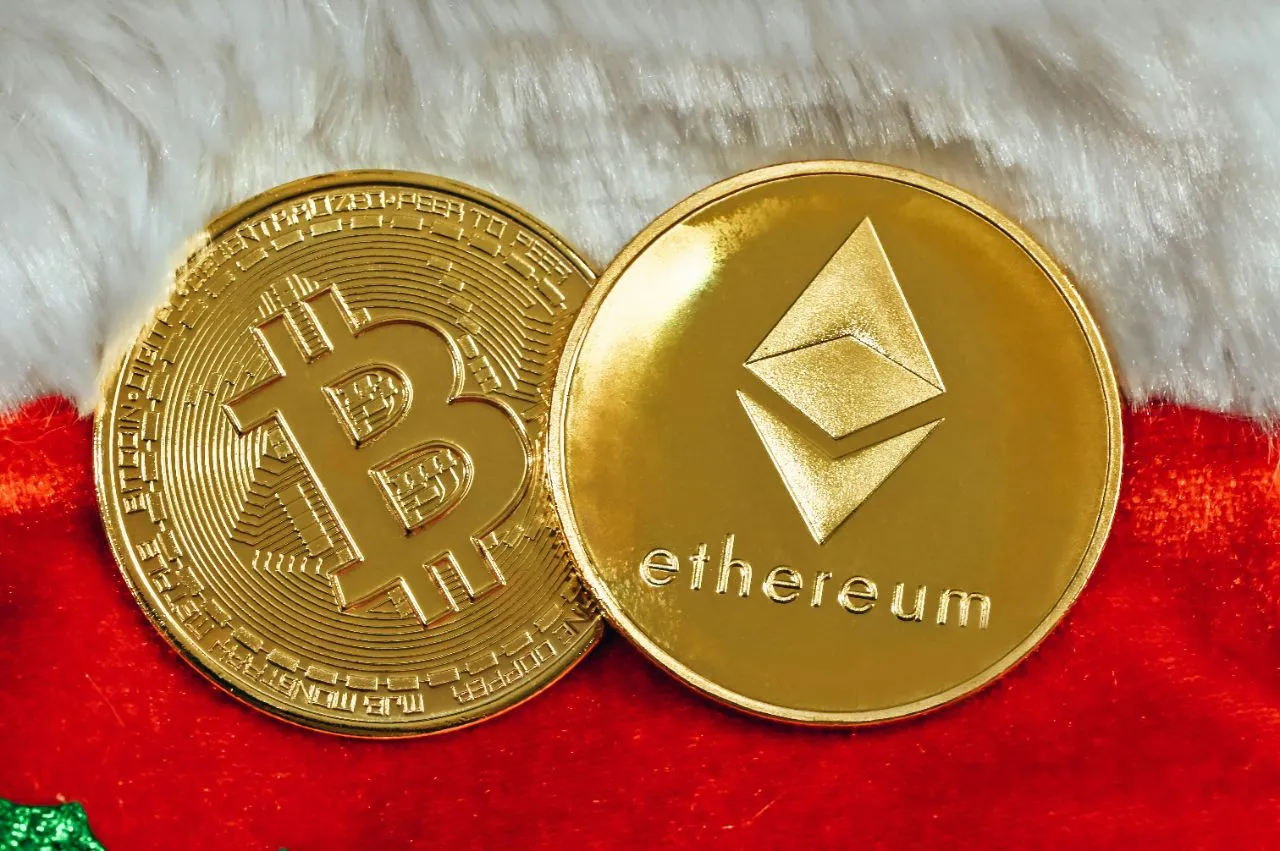
Recent developments in the cryptocurrency market reveal that mainland Chinese citizens will face restrictions in purchasing Bitcoin and Ether exchange-traded funds (ETFs) in Hong Kong. This restriction stems from China's ban on crypto transactions, which has been in effect for several years. Bloomberg data analyst Jack Wang highlighted this issue, indicating that the upcoming launch of spot Bitcoin and Ether ETFs in Hong Kong will not facilitate market access for investors in mainland China.
https://asset.coinness.com/en/news/c23a528da5197012b841a422f6f9129d.webp
Photo by Traxer on Unsplash

Spot Bitcoin and Ether ETFs approved in Hong Kong

Despite Hong Kong's approval of spot BTC and ETH ETFs, major Chinese asset managers such as China Asset Management, Harvest Global Investments, and Bosera have established these products through their Hong Kong subsidiaries. However, despite their close ties with mainland China, these ETF issuers are unable to offer Bitcoin or Ether exposure to investors within the jurisdiction due to regulatory constraints.


Exclusion of mainland Chinese investors

Wang emphasized during a Bloomberg webinar that mainland Chinese citizens will not be able to participate in these ETFs, citing a statement from the Chinese State Council issued in September 2021. This statement prohibits financial institutions from engaging in crypto-related transactions, including account creation, fund transfers, and clearing services. As a result, Chinese investors are unlikely to engage with these products in the short term.


Impact on regulatory environment and market access

Wang expressed skepticism about the potential impact of spot Bitcoin and Ether ETFs in Hong Kong on the regulatory environment in mainland China. He stated that the launch of these ETFs is unlikely to open the crypto market to Chinese investors in the foreseeable future. Thomas Zhu, head of digital assets at China Asset Management, noted that the eligibility of mainland Chinese investors to acquire crypto ETFs in Hong Kong depends on forthcoming regulatory modifications. He highlighted the Mainland-Hong Kong Stock Connect, which allows mainland investors to trade eligible Hong Kong stocks and ETFs since 2014.


Comparison with U.S. Bitcoin ETF market

Despite optimism surrounding the launch of spot crypto ETFs in Hong Kong, Bloomberg analyst James Seyffart drew attention to the significant difference in market size between the U.S. and Hong Kong ETF markets. Seyffart pointed out that Bitcoin ETFs in the United States have more assets than all ETFs in Hong Kong combined, emphasizing the vast disparity in market scale and impact. As the launch date for spot Bitcoin and Ether ETFs in Hong Kong approaches, stakeholders continue to monitor regulatory developments and market dynamics closely.

 

More to Read
View All
Web3 & Enterprise·

May 15, 2023

Coin Oasis Founder Thinks UAE Set Up For Crypto Success

Coin Oasis Founder Thinks UAE Set Up For Crypto SuccessAs the dust settles on 2023's Dubai Fintech Summit, which took place last week, one takeaway offered by the Co-Founder of blockchain ecosystem firm Crypto Oasis is that the United Arab Emirates (UAE) has set itself up for success where crypto business is concerned.In speaking with crypto publication CoinTelegraph on the fringes of the Dubai Fintech Summit, Coin Oasis Co-Founder and Managing Partner Saqr Ereiqat suggested that the regulatory infrastructure that the UAE has put in place provides an ideal foundation upon which crypto companies can develop and prosper.Photo by Mo Ismail on PexelsRegulatory infrastructureEreiqat pointed to some key fundamentals that crypto entrepreneurs and start-up founders should look at when deciding on the location that will best meet their needs and help to optimize their route to market and ultimate success. This includes the regulatory infrastructure.The UAE authorities and regulators at a national level, together with their colleagues within the regulatory agencies in the Emirates of Dubai and Abu Dhabi, have been doing some heavy lifting in this regard over recent months.They’ve all been working on establishing a workable regulatory framework, and as part of that, a licensing process. In the case of Dubai, its Virtual Assets Regulatory Authority (VARA) has started to issue preliminary or Minimum Viable Product (MVP) license approvals that enable crypto startups to get started, while providing them with a pathway towards obtaining Full Market Product (FMP) licensing at a later stage.Talent poolThe other key requirements that Ereiqat set out were digital infrastructure alongside an ability to attract and provide a pool of talent relative to the crypto assets space. In respect of these key considerations, Ereiqat believes that the UAE hits the target in each case.“The UAE’s regulatory framework is more streamlined and business-friendly compared to the complex and fragmented regulatory environment in the US,” he told the crypto media firm.To enhance these fundamentals, Ereiqat also alluded to a depth of capital that could potentially find its way into UAE-based crypto businesses, easing these start-ups’ efforts in executing on funding rounds as they look to achieve growth.Ereiqat maintains that the interest in the region is already evident, citing a data-point that suggests there are 1,800 Web3-centric businesses already operating in the region, with more than 8,000 people working for those start-up businesses. Speaking to that reality further, he said:“The Dubai FinTech Summit was a significant event that brought together stakeholders from the fintech industry […] The presence of crypto and Web3 leaders and projects at the event is an important indicator of the growing interest and adoption of these technologies in the region.”This enthusiasm and belief in the existence of the right Web3 business environment in the UAE was echoed at that event by both Coinbase Founder and CEO Brian Armstrong and Ripple Founder and CEO Brad Garlinghouse. Both industry figures featured as keynote speakers at the event. Armstrong alluded to the potential of Coinbase establishing a base in Abu Dhabi while Garlinghouse announced the opening of a Ripple office in Dubai.

news
Web3 & Enterprise·

Jul 04, 2023

WEMIX Play Completes Successful Migration to the WEMIX3.0 Mainnet

WEMIX Play Completes Successful Migration to the WEMIX3.0 MainnetSouth Korean gaming company Wemade has announced the successful migration of its global blockchain gaming platform, WEMIX Play, to the WEMIX3.0 Mainnet.Photo by Mathew Schwartz on UnsplashImproved interoperabilityThis transition effectively links all games on the WEMIX Play platform to the WEMIX3.0 Mainnet. Additionally, the launch of the Play Proof Protocol (PPP) further strengthens the network’s interoperability.Instant token tradingThe PPP enables users to instantly trade their tokens for those of their preference, eliminating the need for token swaps between disparate networks. This approach simplifies the process with a single signature, providing users with a more convenient experience.Omnichain strategyAs part of its commitment to fostering a united community, Wemade has adopted an omnichain strategy to connect the WEMIX ecosystem with external chains. Looking ahead, WEMIX Play aims to establish connections with various mainnets, expanding its platform and streamlining token exchanges.Wide variety of games and servicesBoasting a user base of nine million, WEMIX Play offers games of various genres, including massively multiplayer online role-playing games (MMORPGs), strategy games, and social network games. The platform also provides a wide range of services such as gaming tokenomics; the financialization of gaming, known as GameFi; non-fungible token (NFT) marketplaces; and community pages.

news
Web3 & Enterprise·

Apr 25, 2023

Korean Crypto Exchanges Promote Horizontal Cultures to Attract Job Seekers

Korean Crypto Exchanges Promote Horizontal Cultures to Attract Job SeekersDuring a recent seminar organized by the ruling People Power Party’s Digital Asset Committee, Korean crypto exchanges emphasized the importance of horizontal corporate cultures to attract job seekers, according to a Daily Hankook report.©Pexels/Anna TarazevichThe event was attended by employees from various fintech companies and banks, including Naver Financial, Finda, KakaoBank, and Kbank.DunamuBae Jin-hee, a recruiting manager at Dunamu, the operator of Korean crypto exchange Upbit, spoke about the company’s history and culture. Dunamu was founded in 2012 by Song Chi-hyung, and since then, it has launched several projects, including news curation service Newsmate, listed share trading app Stockplus, crypto exchange Upbit, and unlisted share trading app Ustockplus. In addition to these projects, Dunamu has also entered the NFT and metaverse markets with enterprises like Upbit NFT, 2nd block, and Levvels.Bae highlighted Dunamu’s horizontal organizational culture, which promotes respect for and consideration of diverse employee opinions. The company has no dress codes and encourages the use of English names to reduce hierarchical communication barriers. Dunamu also offers benefits like housing loans, high-end laptops, and adjustable desks to its employees.CoinoneHyung Yoon-sun, the human resources team leader at Coinone, another Korean crypto exchange, also spoke at the seminar. Like Dunamu, Coinone also boasts a horizontal corporate culture, which helps eliminate communication barriers. The company has implemented software that enables employees to work together on documents in real time, which has speeded up work processes.Hyung underscored Coinone’s commitment to security, demonstrated by its ISMS and ISO27001 certifications, and 24-hour control system. Employee benefits at Coinone include preferential loans, family-inclusive insurance plans, health check-ups, and long-term leaves.Hyung noted that Coinone previously focused on enhancing its exchange functionalities and hiring developers, but now it is seeking individuals who can contribute to the exchange’s sustainable management in compliance with financial authorities’ standards. Such roles involve anti-money laundering, transaction support, and legal support.

news
Loading